Splice Transforms Digital Audio Workstations with Major Update to INSTRUMENT Featuring Spitfire Audio Originals and AI-Driven Craft Functionality

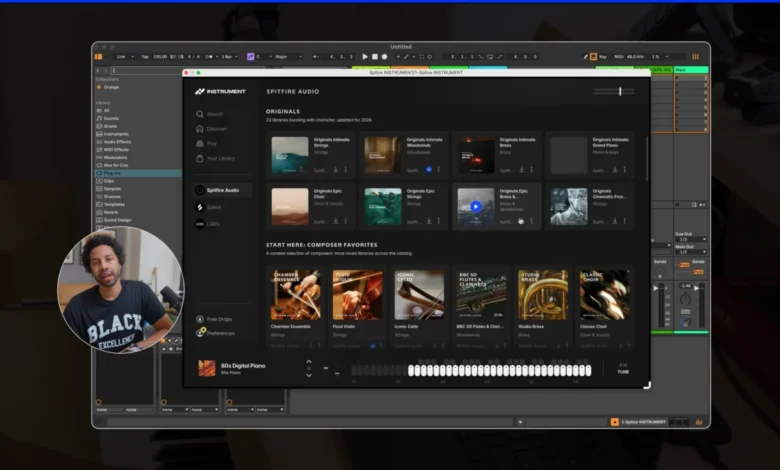
In an era where the digital music production landscape is increasingly defined by the accessibility of high-fidelity sounds, Splice has announced a transformative update to its flagship software instrument, Splice INSTRUMENT. This latest version represents a significant leap forward in the platform’s ecosystem, integrating world-class orchestral libraries from Spitfire Audio and introducing a groundbreaking "Craft" feature that allows producers to convert any audio loop into a fully playable MIDI instrument. By bridging the gap between cloud-based sample libraries and high-end virtual instrument performance, Splice is positioning INSTRUMENT as a central hub for modern music creators, from bedroom producers to professional film composers.
The Evolution of the Virtual Instrument Ecosystem
The traditional workflow for music producers has long involved a fragmented collection of software plugins. A typical session might require a dedicated synthesizer for basslines, a sampler for drum kits, and expensive, multi-gigabyte libraries for acoustic emulations like pianos or orchestral strings. While this variety offers creative depth, it often presents a logistical challenge: the high cost of individual licenses, the heavy CPU load of running multiple engines, and the friction of searching across different interfaces.
Splice INSTRUMENT was originally conceived to solve these pain points by offering a streamlined, lightweight plugin that could host a variety of sounds within a single interface. However, the latest update elevates this concept by incorporating professional-grade content that was previously only available through standalone purchases or high-end Kontakt-based libraries. The inclusion of Spitfire Audio Originals marks a strategic shift in the quality of sounds accessible via the Splice subscription model, signaling a democratization of the tools once reserved for big-budget scoring stages.
A Strategic Partnership: Spitfire Audio Originals Integration
The centerpiece of the update is the addition of over 20 libraries from the Spitfire Audio Originals series. Spitfire Audio, based in London, has earned a reputation as the industry standard for orchestral sampling, having recorded at legendary locations such as AIR Studios. The Originals series was designed to distill that premium quality into essential, easy-to-use packages.
By integrating these libraries directly into Splice INSTRUMENT, users now have immediate access to a massive sonic palette that includes:
- Epic Choir: A 50-voice ensemble recorded at AIR Studios, offering both "Sopranos & Altos" and "Tenors & Basses" with multiple articulations.
- Intimate Strings: A 25-piece string section designed for delicate, nuanced performances, featuring long, short, and pizzicato articulations.
- Epic Strings: A 60-piece symphonic string section that provides the scale and power required for cinematic arrangements.
- Acoustic and Electric Pianos: Including the highly acclaimed "Intimate Grand Piano," which provides detailed control over mechanical elements such as hammer and pedal noise.
- World Instruments and Percussion: Rare flutes and tuned percussion that offer textures beyond the standard Western orchestral palette.
This integration allows producers to toggle between these high-end orchestral textures and the existing LABS series—Spitfire’s experimental, free-to-use collection—all within the same Splice INSTRUMENT interface.
The "Craft" Feature: Redefining Sample-Based Synthesis
Beyond the addition of third-party libraries, the update introduces "Craft," a proprietary feature that fundamentally changes how producers interact with the Splice Sounds library. Historically, loops found on Splice were largely static; a producer would drag a four-bar flute loop into their session, and while it could be pitched or stretched, it remained a recorded performance.
The Craft feature utilizes advanced sampling algorithms to transform these loops into "Crafted" instruments. When a user selects a loop from their library, the INSTRUMENT engine analyzes the audio, maps it across the keyboard, and applies a series of sound-shaping parameters. This allows the producer to play the loop as a lead synth, a pad, or a rhythmic texture using MIDI.
This feature addresses a common critique of sample-based production: the "cookie-cutter" sound. By turning a common loop into a unique, playable instrument, producers can apply their own melodic and harmonic ideas to existing textures. The UI also includes a "Crafted" tag in the user’s library, ensuring that these custom-built instruments are saved and easily accessible for future projects.
Technical Overhaul and User Experience
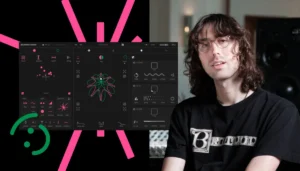
The update introduces a refreshed User Interface (UI) designed to handle the increased complexity of the expanded library. The new layout is categorized into three distinct sections:
- LABS: Dedicated to the classic, experimental, and often free packs that have been a staple of the Spitfire ecosystem.
- Splice: Containing original packs developed in-house by Splice, including popular synths and drum kits.
- Spitfire Audio: The new home for the "Originals" series, offering more robust controls for professional applications.
The interface also retains the "Free Drops" section, a strategic move by Splice to keep the community engaged. This section provides a rotating selection of premium presets that are available to all users, regardless of their subscription status. This "freemium" model has been instrumental in Splice’s growth, allowing new producers to experiment with high-quality tools before committing to a monthly plan.
Expert Analysis: Professional Workflow and Articulation Control
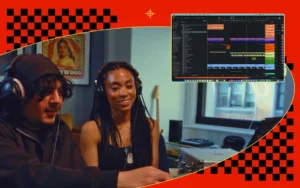
Producer and DJ Devon Johnson, a long-time Splice collaborator, highlighted the power of the new articulation controls during a recent demonstration of the update. In professional orchestration, the difference between a "staccato" (short, detached) and a "legato" (smooth, connected) note is the difference between a mechanical-sounding track and a realistic performance.
Johnson demonstrated how the Splice INSTRUMENT interface allows for real-time switching between these articulations. For instance, in the "Intimate Strings" library, producers can automate the transition from a sweeping long note to a sharp pizzicato pluck within the same MIDI track. Furthermore, the "Intimate Grand Piano" offers controls for "Expression" and "Dynamics," alongside "Hammer Noise" and "Pedal Noise." These micro-details are what allow a digital instrument to mimic the physical imperfections of a real-world performance.
"The controls are very powerful, but approachable," Johnson noted. "It’s awesome to have access to simple and straightforward but incredible-sounding instruments." This sentiment reflects a broader trend in software design: the shift away from overly complex "menu-diving" toward intuitive, "one-knob" style controls that prioritize creative flow over technical configuration.
Market Context and Industry Implications
The update to Splice INSTRUMENT comes at a time of intense competition in the music software industry. Major players like Native Instruments (with Kontakt), Arturia, and Output have all been vying for dominance in the "all-in-one" plugin space. Splice’s advantage lies in its massive existing user base of millions of subscribers who already use the platform for samples.
By integrating the instrument engine directly with the sound library, Splice is creating a closed-loop ecosystem. A producer can find a sound on the Splice website, sync it to their desktop app, and instantly "Craft" it into a playable instrument in their DAW without ever leaving the Splice environment.
Industry analysts suggest that this move toward "platform-as-an-instrument" is the logical next step for the subscription-based model. As hardware becomes more powerful, the ability to stream high-quality samples directly into a plugin—bypassing the need for massive local hard drives—becomes a significant selling point for mobile producers and those working on laptops.
Timeline of Splice Software Development
The journey to this major update has been several years in the making:
- 2013: Splice launches as a cloud-based collaboration and backup tool for producers.
- 2015: Splice Sounds is introduced, revolutionizing the industry with a subscription-based sample model.
- 2019: Spitfire Audio launches the "Originals" series, aiming to make professional sounds more affordable.
- 2021: Splice introduces the first iteration of its software instrument, focusing on ease of use and basic synthesis.
- 2023: Initial integration with Spitfire LABS begins, testing the waters for a deeper partnership.
- 2024: The current major update is released, featuring the "Craft" engine and the full "Originals" library integration.
Conclusion and Future Outlook
The latest update to Splice INSTRUMENT represents more than just a software patch; it is a statement of intent regarding the future of music production. By combining the vast resources of the Splice sound library with the technical prestige of Spitfire Audio, Splice has created a tool that appeals to both the novice beatmaker and the seasoned composer.
As artificial intelligence continues to play a larger role in sound design, features like "Craft" are likely only the beginning. The ability for software to analyze audio and automatically generate playable instruments suggests a future where the line between a "sample" and a "synth" is permanently blurred. For now, the integration of 60-piece orchestras and 50-voice choirs into a streamlined plugin ensures that the "Splice generation" of producers has the highest quality tools at their fingertips, further leveling the playing field in the global music industry.
To access these new features, users can download the updated Splice INSTRUMENT plugin and subscribe to the Creator, Creator+, or a dedicated INSTRUMENT plan. As the platform continues to evolve, the industry will be watching closely to see how Splice leverages its unique position at the intersection of cloud technology and creative software.
Related posts: