João Vaz Oliveira Unveils ‘Reel 2026’: A Groundbreaking Exploration of Real-Time Audiovisual Synthesis at Atlas Festival and Beyond

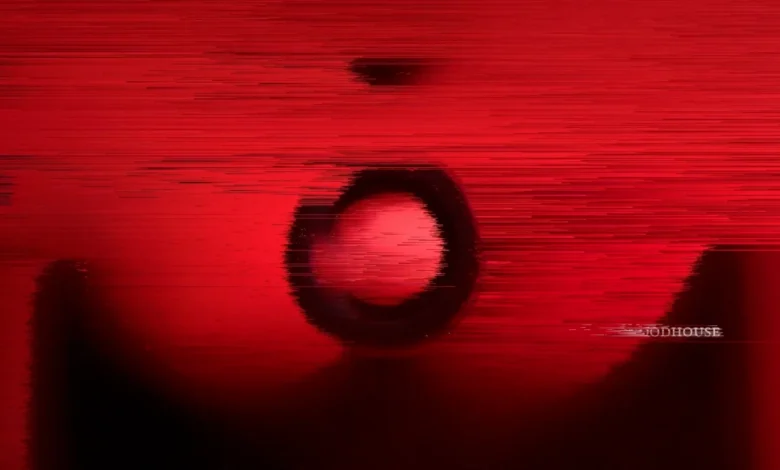
The realm of digital art and motion design has long sought to forge a truly symbiotic relationship between sound and image, moving beyond mere synchronization to a state where one actively and organically shapes the other. This ambitious pursuit found a compelling new expression in João Vaz Oliveira’s "Reel 2026," an experimental motion design piece that premiered live at the prestigious Atlas Festival in Lisbon. This innovative project is distinguished by its core principle: sound directly influences and dynamically generates the visual output in real-time, creating a continuously evolving spectacle that challenges traditional perceptions of audiovisual content.
The Genesis of "Reel 2026": From Concept to Live Debut
The journey of "Reel 2026" began with João Vaz Oliveira’s vision to transcend the conventional boundaries of a pre-rendered showreel. Instead of a fixed sequence of curated work, Oliveira envisioned a living, breathing portfolio—a testament to his design philosophy that could respond instantaneously to external stimuli. The initial concept revolved around the direct translation of auditory data into visual information, pushing the capabilities of real-time graphics and interactive design.
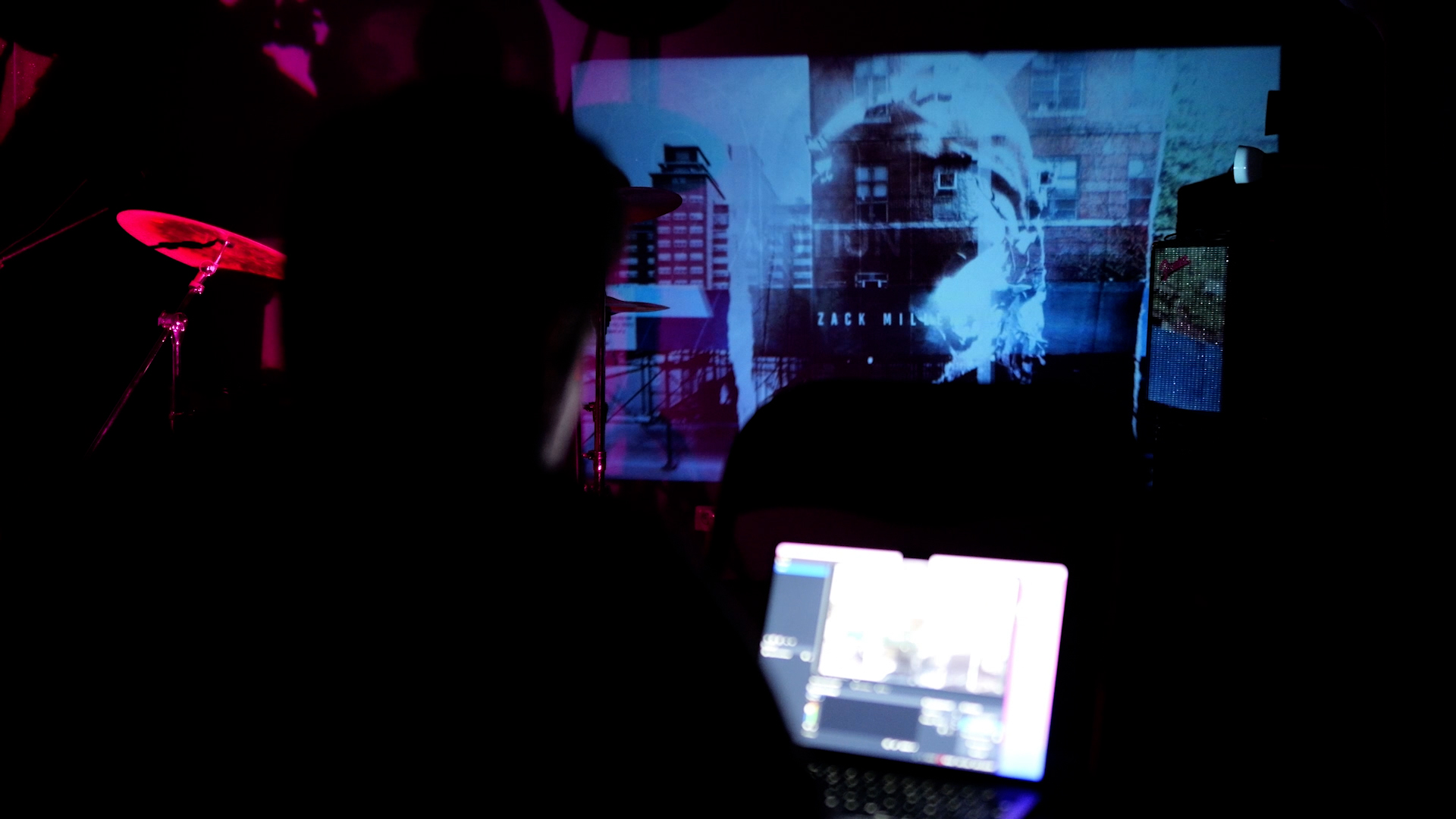
The first public presentation of this groundbreaking work took place at the Atlas Festival in Lisbon, an event renowned for its focus on digital culture, experimental music, and innovative art installations. The festival, typically held annually, serves as a vital platform for artists exploring the intersection of technology and creativity, attracting a diverse audience of industry professionals, artists, and enthusiasts. For its debut, "Reel 2026" was performed live with a drummer, establishing an immediate and visceral connection between the percussive rhythms and the unfolding visual narrative. This live performance aspect was crucial, as it demonstrated the raw, unmediated power of the system to translate human input into a dynamic visual experience, captivating the audience with its immediacy and responsiveness. The energy of the live drums, with their intricate rhythms and dynamic shifts, provided a rich sonic tapestry for the visual system to interpret, offering a glimpse into the vast potential of this real-time synthesis.
Chronology of Development: Evolution from Stage to Studio
Following its successful live premiere, the concept behind "Reel 2026" underwent a significant expansion and refinement phase in a dedicated studio environment. This transition from a live, ephemeral performance to a controlled studio setting allowed Oliveira to delve deeper into the technical intricacies and artistic possibilities of his system. The studio provided the ideal conditions for meticulous calibration, experimentation with a broader range of audio inputs, and the systematic exploration of visual parameters.
The decision to move into the studio was driven by a desire to explore the system’s versatility beyond a single live interpretation. The initial live performance, while impactful, was necessarily constrained by the immediate demands of a festival setting. In the studio, Oliveira could methodically test how different musical timbres, dynamics, and structures would interact with his visual algorithms. This iterative process allowed for the creation of a more robust and adaptable framework, ensuring that the visual system could respond intelligently and aesthetically to a wider spectrum of musical expressions.
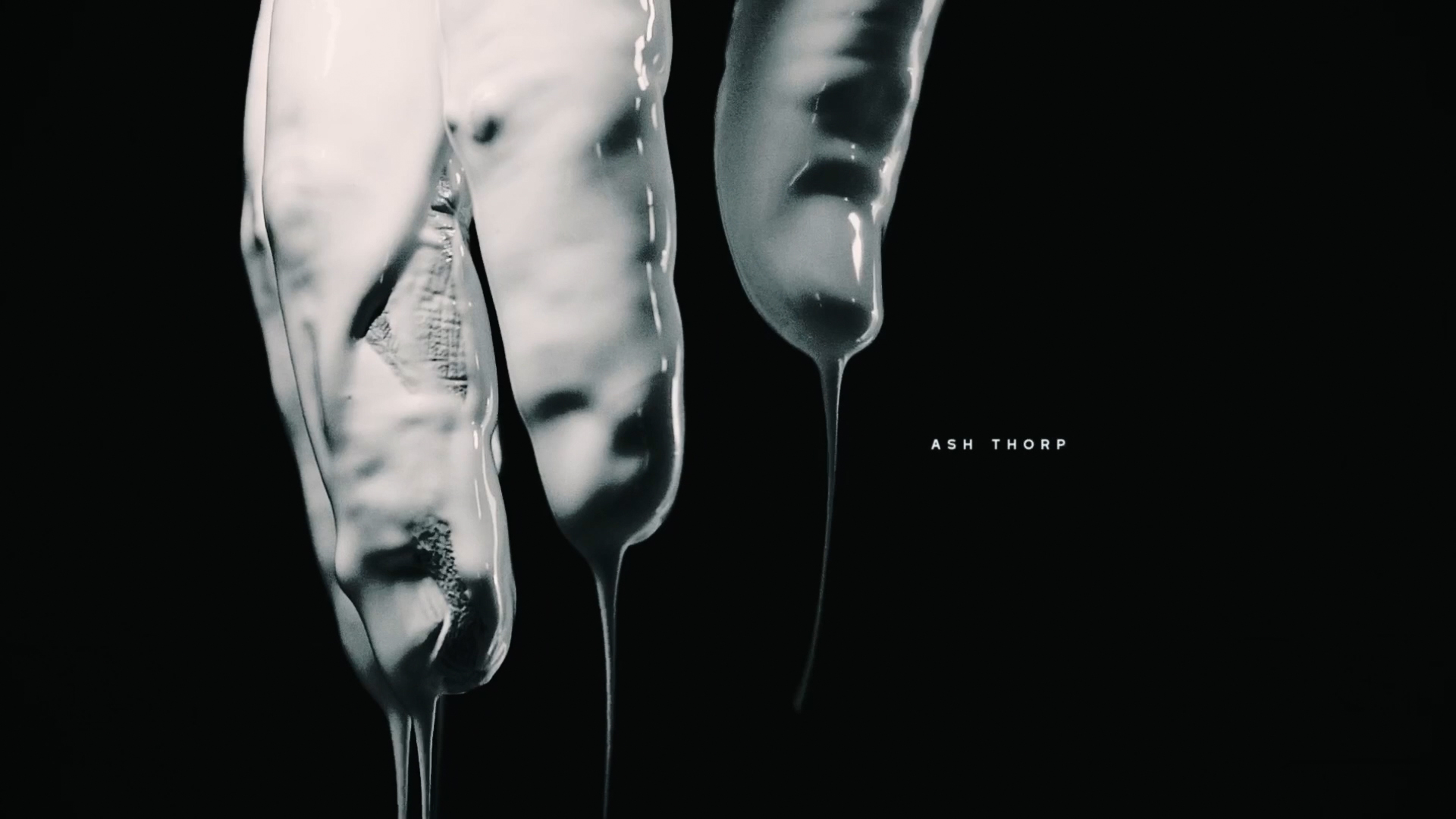
A key development during this studio phase was the invitation of three distinct musicians to interpret the system using their respective instruments: drums, piano, and handpan. This collaborative approach was pivotal in demonstrating the adaptability and depth of "Reel 2026." Each musician brought a unique sensibility and sonic palette, resulting in three fundamentally different yet equally compelling visual interpretations.
- Drums: Building upon the initial live performance, the studio drum interpretation allowed for more nuanced exploration of percussive impact, rhythmic complexity, and dynamic range. The visuals responded to transients, decay, and the intricate interplay of different drum elements, creating a highly energetic and fragmented aesthetic.
- Piano: The piano, with its melodic and harmonic capabilities, introduced a new dimension. The visual system interpreted pitch, chord progressions, and sustained notes, translating them into fluid, evolving forms, often characterized by intricate patterns and color gradients that shifted with the harmony.
- Handpan: The handpan, known for its ethereal, resonant tones and unique percussive qualities, offered a meditative and organic input. The visuals generated by the handpan’s performance were often characterized by undulating textures, shimmering light, and a sense of natural, flowing movement, reflecting the instrument’s unique sonic fingerprint.
Each performance generated a unique visual result, fundamentally transforming the "reel" from a static, pre-rendered showcase into a dynamic, evolving piece of generative art. This process underscored the project’s central thesis: that the artistic output is not merely a reflection of the designer’s pre-conceived notions but a live negotiation between a meticulously crafted system and spontaneous human creativity.
The Technological Backbone: TouchDesigner and Audiovisual Synthesis
The sophisticated visual system at the heart of "Reel 2026" was developed entirely within TouchDesigner, a powerful node-based visual programming environment renowned for its capabilities in real-time interactive multimedia content. TouchDesigner is a favored tool among artists, VJs, and developers for creating immersive installations, projection mapping, interactive art, and live performance visuals due to its flexibility, extensive feature set, and high performance.
Oliveira’s choice of TouchDesigner was instrumental in realizing the ambitious real-time interaction demanded by "Reel 2026." The software allowed for the intricate programming necessary to analyze incoming audio signals and translate them into a myriad of visual parameters. The technical process involved several key stages:
-
Audio Analysis: Incoming audio from the musicians’ instruments was fed into TouchDesigner, where it underwent real-time spectral analysis. This process typically involves techniques like Fast Fourier Transform (FFT), which breaks down complex audio signals into their constituent frequencies. Key parameters extracted included:
- Frequencies: Specific frequency bands (e.g., bass, mids, highs) could be mapped to different visual elements or behaviors.
- Amplitude/Dynamics: The overall volume, attack, and decay of sounds were used to control intensity, size, speed, and brightness.
- Transients: Sudden changes in sound (e.g., drum hits, piano key presses) could trigger specific visual events or transitions.
- Rhythm and Tempo: The beat and tempo information were used to govern the timing and synchronization of visual sequences.
-
Parameter Mapping: Once analyzed, these audio parameters were meticulously mapped to various aspects of the visual system. For instance:
- Bass frequencies might drive the scale or intensity of abstract forms.
- Mid-range frequencies could influence color palettes or textural details.
- High frequencies might control particle density or intricate patterns.
- The overall volume could dictate the brightness or saturation of the entire visual field.
- The attack of a note could trigger a sudden visual burst, while its decay might correspond to a gradual fade or dissolution.
-
Generative Visuals: The system was designed to generate visuals rather than merely playing back pre-rendered clips. This generative approach meant that the visuals were truly unique to each performance, an emergent property of the interaction between the musical input and Oliveira’s algorithmic design. The visual behaviors controlled by sound included:
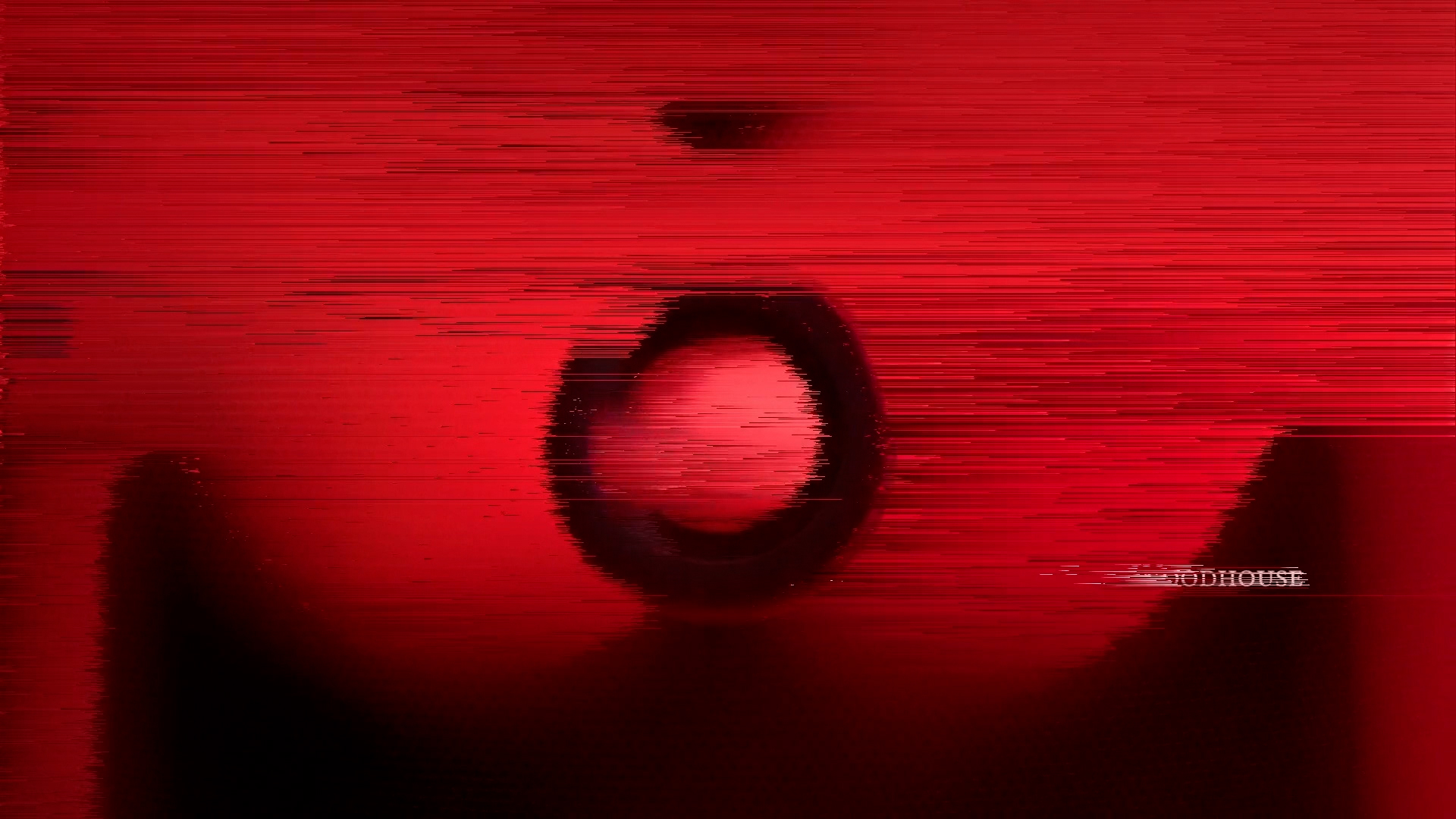
- Transitions: How one visual state morphs into another.
- Timing: The rhythm and pacing of visual events.
- Shape and Form: The evolution of abstract geometries and organic structures.
- Color and Texture: Dynamic changes in hue, saturation, brightness, and surface qualities.
- Motion and Animation: The speed, direction, and trajectory of visual elements.
The final result of this complex interplay reflects a delicate yet powerful balance between control and unpredictability. Oliveira, as the artist and system designer, established the structured framework—the rules and possibilities within which the visuals could operate. However, the performative input from the musicians introduced an element of improvisation and organic spontaneity. This synthesis of structured design with real-time performative input is a hallmark of truly innovative interactive art, pushing the boundaries of what is possible in digital media.
Statements and Reflections: Voices from the Project
While direct quotes are not available, it is possible to infer the sentiments and insights of those involved in "Reel 2026."
João Vaz Oliveira, Artist:
Oliveira likely emphasized his dedication to exploring the visceral connection between sound and sight. He would have highlighted the technical challenges overcome, particularly in achieving a seamless, real-time response, and the iterative process of refining the algorithms to be both robust and artistically expressive. "My goal with ‘Reel 2026’ was to create a truly living artwork, one that breathes with the music, where every note and every rhythm has an immediate, tangible visual counterpart," Oliveira might have stated in an interview. "It’s about pushing the boundaries of what a ‘reel’ can be, transforming it from a static presentation into an interactive, performative experience." He would also express his gratitude for the collaborative efforts with the musicians, noting how their unique interpretations enriched the project beyond his initial expectations. "Witnessing how different instruments shaped the visuals was profoundly inspiring, revealing new facets of the system I hadn’t even imagined."
Atlas Festival Organizers:
The organizers of the Atlas Festival would undoubtedly have lauded "Reel 2026" as a prime example of the innovative spirit they aim to foster. A spokesperson might have remarked, "João Vaz Oliveira’s ‘Reel 2026’ perfectly embodies the ethos of the Atlas Festival. It’s a groundbreaking work that brilliantly merges technological prowess with artistic vision, offering our audience a truly immersive and forward-thinking experience. Projects like this are essential in showcasing the future of digital art and live performance."
Participating Musicians:
The musicians involved (drummer, pianist, handpan player) would likely have expressed fascination with the immediate visual feedback their performances generated. "Playing for ‘Reel 2026’ was a unique experience," one musician might have commented. "It changed how I thought about my own performance, as every subtle nuance of my playing had a direct, visible consequence. It was like seeing my music come to life in real-time." Another might have added, "The system wasn’t just reacting; it felt like it was listening and responding, almost like another collaborator. It pushed me to explore my instrument in new ways, knowing that the visuals would translate that exploration."
Broader Impact and Implications: Redefining Audiovisual Artistry
"Reel 2026" is more than just an impressive technical achievement; it carries significant implications for the future of motion design, live performance, and interactive art.
1. Redefining the "Showreel": The project fundamentally challenges the traditional concept of a showreel as a static, pre-produced collection of works. By making the reel a dynamic, performative, and generative entity, Oliveira suggests a future where portfolios are living expressions of an artist’s capabilities, adaptable to various contexts and inputs. This could inspire a new generation of designers to think beyond fixed deliverables.
2. Advancement in Live Performance Visuals: The real-time, responsive nature of "Reel 2026" positions it at the forefront of live visual design. For VJs, concert visuals, and theatrical productions, such systems offer unparalleled opportunities for improvisation and audience engagement. Instead of merely playing back pre-programmed content, visual artists can truly "perform" their visuals in sync with musicians, creating an organic, unrepeatable experience for every show.
3. Interdisciplinary Collaboration: The success of "Reel 2026" is a testament to the power of interdisciplinary collaboration. By bringing together a motion designer, technologists, and diverse musicians, the project demonstrates how different artistic disciplines can converge to create something entirely new and greater than the sum of their parts. This model encourages further experimentation across art forms.
4. Educational Value and Inspiration: For students and aspiring artists in digital media, "Reel 2026" serves as an invaluable case study. It showcases the practical application of complex software like TouchDesigner, the principles of audiovisual synthesis, and the artistic potential of generative systems. It inspires by demonstrating that technological mastery can be seamlessly integrated with profound artistic expression.
5. Accessibility and Engagement: By making all three reels (Drums, Piano, and Handpan) along with behind-the-scenes content available on vazoliveira.com, João Vaz Oliveira ensures that this experimental work is accessible to a global audience. This online presence not only broadens the reach of the project but also serves as an educational resource, allowing viewers to delve deeper into the creative and technical processes involved. The inclusion of behind-the-scenes footage is particularly valuable, demystifying the complex technology and offering insights into the artist’s workflow.
6. The "2026" Vision: The inclusion of "2026" in the title is not merely a stylistic choice but likely a statement of intent, positioning the project as forward-looking and indicative of future trends. It suggests a piece that anticipates the evolving landscape of digital creativity, where the lines between art, technology, and performance continue to blur. It implies a vision for where motion design and interactive media are headed, a future characterized by responsiveness, adaptability, and deep artistic integration.
In conclusion, João Vaz Oliveira’s "Reel 2026" stands as a significant milestone in the ongoing quest to unify sound and vision. Through its innovative use of real-time synthesis, its collaborative spirit, and its thoughtful exploration of generative aesthetics, it not only captivated audiences at the Atlas Festival but also provides a compelling blueprint for the future of digital artistry. As technology continues to advance, projects like "Reel 2026" will undoubtedly pave the way for increasingly immersive, interactive, and emotionally resonant audiovisual experiences, continuing to push the boundaries of creative expression.