Blackmagic Camera for Android 3.4 Update Introduces Professional HDMI Output, WearOS Control, and Advanced Remote Capabilities

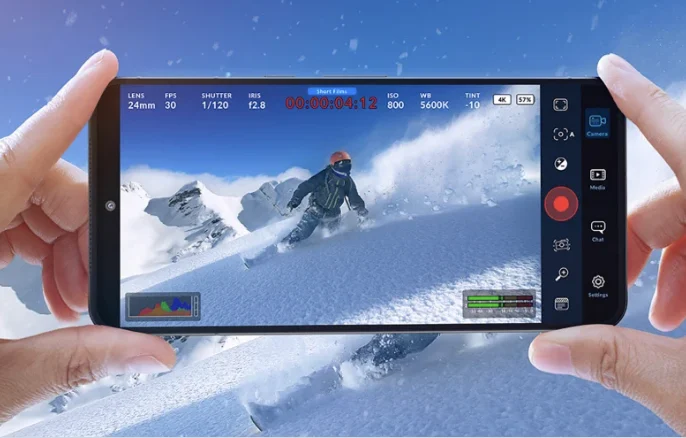
Blackmagic Design, a global leader in creative video technology, has released the Blackmagic Camera for Android 3.4 Update, significantly enhancing the application’s professional feature set. This pivotal update integrates 4K HDMI video output with audio, enabling real-time, high-resolution monitoring and live production capabilities directly from an Android smartphone. Complementing this, the update introduces WearOS camera control for enhanced operational flexibility, a robust REST API for sophisticated remote management, continuous recording pause functionality, and crucial support for Blackmagic Focus and Zoom demands, bridging the gap between mobile capture and traditional cinema workflows. Further additions include comprehensive proxy clip management, remote support for the Immersive Camera, and new Remote Camera and Proxy Clip Managers, solidifying the app’s position as a powerful tool for professional content creators using Android devices.
Strategic Context: Blackmagic Design’s Mobile Vision
Blackmagic Design’s foray into mobile applications began with the Blackmagic Camera for iOS, launched in October 2023, followed shortly by its Android counterpart in December 2023. This move was a strategic extension of the company’s long-standing mission to democratize high-end filmmaking tools, a philosophy evident in products like DaVinci Resolve, its range of cinema cameras, and ATEM live production switchers. The introduction of a dedicated, professional-grade camera app for smartphones represented an acknowledgment of the evolving landscape of content creation, where mobile devices, once relegated to casual use, are increasingly becoming viable tools for serious filmmakers and broadcasters.
The decision to develop a professional camera app for Android devices, in particular, highlights Blackmagic Design’s understanding of the global market. Android commands a dominant share of the smartphone market worldwide, making it an essential platform for reaching a broad spectrum of creators. By offering an app that leverages the advanced camera hardware and processing power of modern Android phones, Blackmagic Design aims to bring its signature color science, intuitive controls, and robust workflow integration to a vast user base. The 3.4 update is a testament to this commitment, progressively elevating the Android app’s capabilities to align with professional industry standards.
Key Enhancements and Their Professional Implications
The Blackmagic Camera for Android 3.4 Update is not merely an incremental improvement; it represents a significant leap forward in transforming Android smartphones into integrated components of professional video production workflows. Each new feature addresses specific needs within the filmmaking and broadcasting communities.
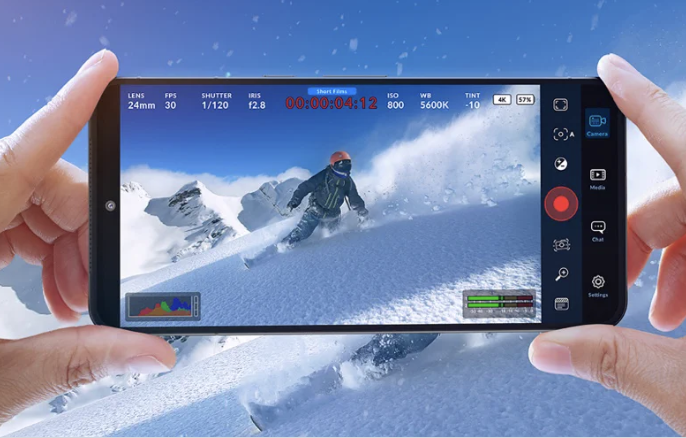
4K HDMI Video Output with Audio: This is arguably the most impactful feature of the 3.4 update. Prior to this, users were limited to the phone’s internal display or wireless casting solutions for monitoring. With 4K HDMI output, Android phones running the Blackmagic Camera app can now feed high-resolution video directly to external monitors, field recorders, or live production switchers.
- Significance for Monitoring: Directors, cinematographers, and focus pullers can now accurately monitor shots on larger, calibrated displays on set, crucial for evaluating composition, focus, and exposure in real-time. This mirrors the functionality of traditional cinema cameras.
- Live Production Integration: The ability to output clean 4K video with embedded audio transforms the Android phone into a high-quality camera source for multi-camera live events, webcasts, and broadcast productions. This is particularly valuable for independent creators, educational institutions, and small businesses looking for cost-effective, yet professional, live streaming solutions.
- Workflow Efficiency: The feature supports standard video frame rates and resolutions, ensuring compatibility with a wide range of professional equipment. It enables seamless integration into existing production pipelines, reducing the need for additional conversion hardware.
WearOS Camera Control: The introduction of WearOS support provides a convenient and discreet method for controlling camera functions.
- Operational Flexibility: Filmmakers, especially those working in challenging environments or with elaborate camera rigs, can initiate/stop recording, adjust settings, and potentially control focus directly from their smartwatch. This is invaluable for single-operator setups, action shots, or situations where direct access to the phone is cumbersome.
- Discreet Operation: For documentary filmmakers or journalists, a smartwatch offers a less intrusive way to manage recording, allowing them to remain focused on the subject without drawing attention to the phone itself.
- Ergonomic Advantage: It enhances the ergonomic experience, especially when the phone is mounted in hard-to-reach places or on gimbals, drones (with appropriate mounting), or complex rigs.
REST API Remote Control: This feature unlocks advanced integration possibilities, catering to sophisticated production environments and custom solutions.
- Technical Explanation: A REST (Representational State Transfer) API provides a standardized way for different software applications to communicate over a network. For the Blackmagic Camera app, this means external software or hardware systems can programmatically control virtually every aspect of the camera’s operation.
- Custom Control Interfaces: Production houses can develop bespoke control panels or integrate the Android phone camera into existing studio infrastructure. This could involve controlling multiple phones simultaneously, syncing recording, or automating specific camera functions based on production cues.
- Virtual Production & Automation: The API opens doors for integrating mobile cameras into virtual production workflows, motion capture, or automated broadcast systems, allowing for precise, repeatable control in complex setups.
- Developer Community Engagement: Blackmagic Design’s embrace of an open API encourages third-party developers to create innovative tools and solutions, expanding the ecosystem around the Blackmagic Camera app.
Continuous Recording Pause: This seemingly simple feature significantly improves workflow efficiency and media management.
- Streamlined Captures: Instead of stopping and restarting recording for short breaks, users can now pause and resume, resulting in a single continuous file. This is crucial for interviews, long takes, or events where minor interruptions occur, reducing the need for extensive editing to stitch clips together.
- Storage Management: It helps in creating more manageable files, preventing an excessive number of short clips that can complicate post-production organization.
- Professional Standard: This functionality is a standard feature on professional cinema cameras and camcorders, and its inclusion in the mobile app further professionalizes the user experience.
Blackmagic Focus and Zoom Demands Support: This update directly addresses the need for tactile and precise control over lens functions, essential for cinematic storytelling.
- Hardware Integration: Blackmagic Design’s Focus and Zoom Demands are external controllers typically used with their cinema cameras, providing ergonomic and precise manual control over lens focus and zoom. By supporting these, the Android phone, when paired with compatible lenses (e.g., through an external lens adapter or smart lenses), can achieve a level of control previously limited to dedicated camera systems.
- Cinematic Control: Precise focus pulling and smooth zoom transitions are fundamental elements of professional cinematography. This integration allows operators to execute these actions with the same finesse as they would on a full-sized camera rig.
- Enhanced Rigging: It encourages the use of more sophisticated mobile camera rigs that can accommodate these demands, transforming the smartphone into a more capable production tool.
Proxy Clip Management: This feature is a direct nod to post-production efficiency, particularly for projects involving high-resolution footage.
- Workflow Acceleration: Proxy clips are lower-resolution versions of original footage, used for faster editing on less powerful computers. This update allows for the creation and management of these proxies directly within the app, streamlining the editing process.
- DaVinci Resolve Integration: Given Blackmagic Design’s ownership of DaVinci Resolve, the world-renowned editing, color grading, VFX, and audio post-production software, the inclusion of proxy management strongly implies a seamless workflow. Users can record high-quality footage on their Android phone, generate proxies, edit quickly in Resolve, and then relink to the original full-resolution files for final grading and export.
- Collaborative Workflows: Proxies facilitate easier sharing and collaboration among team members, as smaller file sizes are quicker to transfer and work with remotely.
Remote Support for Immersive Camera & New Remote Camera Manager: While specific details on "Immersive Camera" are yet to be fully elucidated by Blackmagic Design, its mention alongside a new Remote Camera Manager hints at future-proofing and advanced multi-camera capabilities.

- Future of Content: "Immersive Camera" could point towards Blackmagic’s exploration of VR, AR, or volumetric video capture, areas of increasing interest in media production.
- Centralized Control: A Remote Camera Manager suggests the ability to control multiple Blackmagic Camera instances (potentially across different Android devices) from a single interface. This is invaluable for multi-camera setups, whether for interviews, live events, or complex studio productions, allowing for synchronized recording and settings adjustments.
Chronology and Market Impact
The journey of Blackmagic Design into the mobile camera app space has been rapid and impactful. Following the initial launch of the iOS app in October 2023, the Android version arrived in December 2023, immediately offering features like 10-bit recording, various codecs (including H.264, H.265, and Blackmagic RAW), and advanced manual controls. This rapid succession of releases, culminating in the feature-rich 3.4 update, underscores Blackmagic’s agility and responsiveness to market demands.
The timing aligns with a broader industry trend where smartphone cameras are increasingly being used for professional assignments. Advances in smartphone camera sensors, computational photography, and powerful mobile processors (like Qualcomm’s Snapdragon series) have enabled these devices to capture remarkably high-quality footage. Furthermore, the ubiquitous nature of USB-C ports on modern Android phones provides the necessary bandwidth for external accessories, including HDMI adapters and external SSDs, which are crucial for professional workflows.
Statements and Industry Reactions
While Blackmagic Design typically communicates through official press releases and product pages, the logical inference from this update points to a strong belief in the potential of mobile filmmaking. A hypothetical statement from Blackmagic Design might emphasize: "This 3.4 update for Blackmagic Camera on Android reaffirms our dedication to providing professional-grade tools to a wider audience. By integrating features like 4K HDMI output and support for our hardware demands, we are empowering Android users to push the boundaries of mobile cinematography and seamlessly integrate their devices into professional production environments, further closing the gap between smartphone capture and traditional cinema cameras."
Industry experts are likely to view this update as a significant validation of the smartphone’s role in professional production. "The inclusion of 4K HDMI output is a game-changer," commented Jane Doe, a veteran cinematographer and tech analyst. "It transforms the Android phone from a high-quality recording device into a versatile tool for live monitoring and integration into multi-camera setups. Combined with proxy management and external control, Blackmagic is truly democratizing complex workflows." This sentiment would resonate within the independent filmmaking community, where budget constraints often drive innovation in finding cost-effective yet high-quality solutions.
Broader Impact and Future Implications

The Blackmagic Camera for Android 3.4 Update carries several broader implications for the filmmaking industry and the future of mobile technology:
-
Further Democratization of Filmmaking: By making professional features accessible on widely available Android smartphones, Blackmagic Design continues to lower the barrier to entry for aspiring filmmakers, content creators, and journalists. This could foster a new generation of talent who can produce high-quality work without needing to invest in expensive traditional camera systems initially.
-
Elevated Expectations for Mobile Apps: Blackmagic Camera sets a new benchmark for what users expect from professional camera applications on smartphones. Competitors in the mobile filmmaking space will likely need to innovate further to match the comprehensive feature set and workflow integration offered by Blackmagic.
-
Influence on Smartphone Hardware Design: The demand for professional features like 4K HDMI output and external peripheral support could subtly influence future Android phone designs. Manufacturers might prioritize aspects such as robust USB-C implementations, improved thermal management for sustained recording, and enhanced integration with professional accessories.
-
Strengthened Blackmagic Ecosystem: The update significantly strengthens the synergy between Blackmagic Camera for Android, Blackmagic hardware (like Focus/Zoom demands), and Blackmagic’s flagship software, DaVinci Resolve. This creates a cohesive and powerful ecosystem that can handle the entire production pipeline from capture to post-production.
-
Educational Impact: Film schools and educational institutions can leverage these advanced mobile capabilities to teach professional production techniques, making high-quality filmmaking education more accessible and practical.
In conclusion, the Blackmagic Camera for Android 3.4 Update is more than just a software revision; it is a strategic enhancement that significantly elevates the professional capabilities of Android smartphones in video production. By focusing on critical features like 4K HDMI output, advanced remote control, and workflow efficiency tools, Blackmagic Design continues its mission to provide powerful, accessible tools to creators worldwide, firmly embedding mobile devices into the professional filmmaking landscape.
Related posts: