
Adidas Reportedly Losing An Insane Amount Of Money After Dropping Kanye West But Deal With Beyonce Is A Problem Too
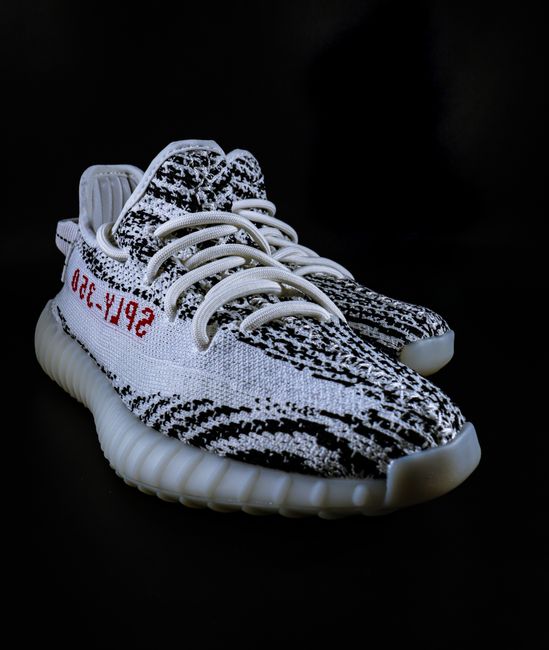
Adidas’s Billion-Dollar Blues: The Unraveling of Yeezy and the Beyoncé Conundrum
The sportswear titan Adidas finds itself in a financial quagmire of unprecedented proportions, grappling with the catastrophic fallout from severing ties with Kanye West and simultaneously navigating the increasingly complex landscape of its partnership with Beyoncé. Reports paint a grim picture of billions in lost revenue and a strategic pivot that, while necessary, is proving to be an agonizingly expensive rebirth. The termination of the highly lucrative Yeezy collaboration, once the golden goose of Adidas’s lifestyle division, has left a gaping hole in its balance sheet, forcing a brutal reassessment of its brand identity and future direction. This seismic shift underscores the inherent risks and rewards of relying on megawatt celebrity endorsements, a strategy that, in West’s case, spectacularly imploded.
The divorce from Kanye West, finalized in October 2022 following a barrage of antisemitic remarks from the artist, was not a minor contractual adjustment; it was an economic earthquake. The Yeezy brand, built on West’s unique design vision and cult following, had become an indispensable revenue stream for Adidas. Estimates suggest that the Yeezy line accounted for a significant percentage of Adidas’s annual sales, with some projections placing its contribution at around 8% of the company’s total revenue, translating to billions of dollars in annual turnover. The immediate consequence of the partnership’s demise was the immediate halting of all Yeezy-branded products, a decision that effectively vaporized a substantial portion of Adidas’s most profitable merchandise. Furthermore, the brand was left with millions of dollars worth of unsold Yeezy inventory, a physical manifestation of the financial disaster. The company has since been engaged in a painstaking process of liquidating this stock, often at heavily discounted prices, to mitigate losses. This liquidation, while necessary, further devalues the once-premium Yeezy brand and signals a stark departure from its aspirational positioning.
The financial repercussions extend far beyond the direct sales of Yeezy footwear and apparel. Adidas faces significant write-downs and impairment charges related to the defunct collaboration. These charges represent the value of assets that have lost their worth, directly impacting profitability and shareholder value. The company’s financial reports have since reflected these substantial losses, with figures indicating billions of dollars in potential write-offs and unsold inventory. Analysts have been swift to highlight the severity of the situation, with many downgrading Adidas’s stock and projecting a prolonged period of financial recovery. The lost revenue from Yeezy also meant a significant blow to Adidas’s brand perception in the lucrative sneakerhead market, a segment it had dominated through West’s influence. Rebuilding that cultural cachet and regaining the trust of this discerning consumer base will be a monumental task, requiring a sustained effort to connect with emerging trends and designers.
However, the narrative of Adidas’s struggles does not begin and end with Kanye West. The brand’s relationship with Beyoncé, while ostensibly a positive association, has also presented its own unique set of challenges, albeit of a different nature. The Ivy Park collaboration, launched with much fanfare, has reportedly fallen short of its ambitious sales targets and has faced criticism for its perceived lack of innovation and market impact compared to the Yeezy phenomenon. While Ivy Park has undoubtedly contributed to Adidas’s revenue and brand visibility, it has not replicated the explosive growth and cultural dominance that characterized the Yeezy partnership. This disparity has led to questions about the long-term viability and strategic importance of the Ivy Park line within Adidas’s broader portfolio. The perceived underperformance of Ivy Park, particularly in contrast to the immense success of Yeezy, has amplified the financial distress caused by the West split.
Sources close to the situation have indicated that Adidas’s investment in the Ivy Park brand has not yielded the expected return on investment. The partnership, while celebrated for its alignment with female empowerment and athletic lifestyle, has struggled to consistently capture the imagination of consumers and drive significant sales volumes. Unlike Yeezy, which had a clear and consistent aesthetic that resonated with a dedicated fanbase, Ivy Park’s design language has been perceived by some as more generic, failing to carve out a distinct and compelling identity in a crowded athleisure market. This has led to challenges in maintaining consumer excitement and driving repeat purchases. The financial projections for Ivy Park, once optimistic, have been revised downwards, suggesting that the partnership is not the financial juggernaut it was anticipated to be. This necessitates a re-evaluation of the marketing strategies, product development, and overall positioning of the Ivy Park brand to ensure its future success and profitability.
The complexities of managing multiple high-profile celebrity partnerships are now acutely evident for Adidas. The reliance on individual star power, while offering immense potential, also carries inherent risks. The departure of Kanye West has highlighted the dangers of a singular dependence on one individual, while the less-than-stellar performance of Ivy Park raises questions about the effectiveness of the partnership model itself. Adidas is now at a critical juncture, tasked with diversifying its product offerings, fostering internal design talent, and identifying new avenues for growth that are less susceptible to the whims of individual personalities. The company’s strategic pivot involves a deliberate move towards strengthening its core performance categories and exploring collaborations with emerging designers and cultural influencers who can bring fresh perspectives without the immense personal baggage that accompanied the Yeezy brand.
The financial burden of the Kanye West divorce is not a short-term inconvenience; it is a long-term restructuring imperative. Adidas faces the arduous task of shedding the Yeezy legacy, managing unsold inventory, and rebuilding its lifestyle division from the ground up. This requires not only significant financial investment in new product development and marketing but also a fundamental shift in brand strategy. The company must prove that it can thrive without the Yeezy halo, re-establishing its credibility and appeal in a rapidly evolving fashion and sportswear landscape. The success of this transition will depend on Adidas’s ability to learn from its past mistakes, embrace innovation, and strategically cultivate new partnerships that are both commercially viable and culturally relevant. The financial scars of the Yeezy implosion are deep, and the ongoing challenges with Ivy Park only add to the pressure. Adidas’s path forward is one of difficult choices and a relentless pursuit of relevance in a post-Yeezy era.
Furthermore, the legal ramifications of the Yeezy fallout are still unfolding. Adidas faces potential lawsuits from investors and stakeholders who may argue that the company failed to adequately disclose or manage the risks associated with its heavy reliance on the Kanye West partnership. The transparency and disclosure surrounding such high-stakes celebrity collaborations are under increased scrutiny, and any missteps could lead to further financial penalties and reputational damage. The company’s board and executive leadership are under immense pressure to demonstrate a clear and actionable plan for navigating these turbulent waters and restoring investor confidence. The financial projections for the coming quarters will be closely watched, as they will indicate the initial impact of the diversification and restructuring efforts. The market’s reaction to Adidas’s post-Yeezy strategy will be a crucial indicator of its long-term prospects.
The ongoing challenges with Beyoncé’s Ivy Park also highlight a broader strategic question for Adidas: how to cultivate and leverage celebrity partnerships effectively. While the allure of star power is undeniable, a successful collaboration requires more than just a famous name. It demands a genuine alignment of values, a shared creative vision, and a robust commercial strategy that can translate celebrity endorsement into sustained sales and brand equity. The contrast between the meteoric rise of Yeezy and the more modest performance of Ivy Park serves as a stark lesson. Adidas needs to carefully evaluate the potential of future partnerships, focusing on collaborations that offer a more sustainable and less volatile path to growth. This might involve exploring collaborations with emerging artists, athletes with strong personal brands, or even investing in in-house design capabilities that can generate proprietary intellectual property and reduce the reliance on external talent. The financial implications of these strategic decisions are considerable, and Adidas’s ability to adapt and innovate will be paramount to its future success. The immense financial losses from the Kanye West deal are a clear signal that a fundamental re-evaluation of its core business model and partnership strategies is not just advisable, but absolutely essential for survival.
