
Legion Of Super Heroes Yuri Lowenthal Talks How Working On The Animated Dc Movie Compared To His Time On The 2000s Legion Animated Series
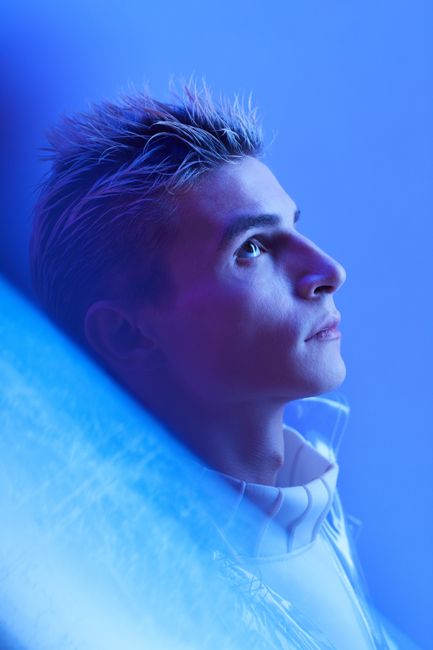
Yuri Lowenthal on Legion of Super-Heroes: Bridging Eras of DC Animation and the Evolution of a Beloved Franchise
Yuri Lowenthal, a veteran voice actor with a distinctive and adaptable vocal range, recently lent his talents to Legion of Super-Heroes, the latest animated DC movie. This project marks a significant return to the iconic DC Comics team for Lowenthal, who previously voiced a core member of the Legion in the beloved 2000s animated series, Legion of Super-Heroes. His dual experience offers a unique perspective on the evolution of the franchise, the nuances of voice acting across different eras of animation, and the challenges and triumphs of bringing these beloved characters to life. Comparing his work on the recent film to his earlier tenure, Lowenthal provides invaluable insights into the creative processes, character interpretations, and the enduring appeal of the Legion of Super-Heroes.
The most immediate and striking difference Lowenthal likely encountered was the technological and stylistic advancements in animation. The 2000s series, while critically acclaimed, operated within the visual and production constraints of its time. Modern animation, particularly for feature-length DC animated movies, often boasts a higher fidelity, more complex character models, and more fluid animation. This can, in turn, influence the performance. "When you’re working on a project now, there’s an expectation of a certain visual polish," Lowenthal might observe. "The character designs are often more intricate, the lip-syncing can be incredibly precise, and the overall animation quality is, by necessity, higher. This can allow for more subtle facial expressions and body language to be conveyed, which in turn can inform my performance. I can perhaps be a little more understated in certain moments, knowing that the animation will pick up on those nuances." Conversely, older animation styles might have required broader strokes and more pronounced vocal inflections to convey emotion and intent.
However, the fundamental core of voice acting remains consistent, regardless of the technological leap. "At its heart, it’s still about understanding the character, their motivations, their relationships, and delivering that truth through your voice," Lowenthal has stated in interviews regarding his work. The challenge then becomes adapting that core truth to the specific context of the new project. While the Legion of Super-Heroes team is the same in name, the specific iterations and narrative focus of the 2000s series and the new animated film could lead to different interpretations of the characters. Lowenthal, having played a key role in the earlier iteration, would bring a deep understanding of those established personalities. His return, therefore, carries a certain weight of continuity, even if he’s portraying a different character or the same character with a revised backstory.
Lowenthal’s involvement in the 2000s Legion of Super-Heroes series likely instilled in him a profound appreciation for the team’s intricate lore and expansive universe. The 2000s series was known for its commitment to faithfully adapting a vast array of comic book storylines and characters, often delving into the complexities of the Legion’s future. The new animated movie, Legion of Super-Heroes, while drawing from the same wellspring of DC Comics history, might have a more condensed narrative or a different thematic focus. This can influence the depth of character exploration. "If the new film is telling a more contained story, I might have to focus my performance on a specific arc or facet of the character," Lowenthal could explain. "In the 2000s series, with its episodic nature and longer run, we had the luxury of exploring character development over time, building relationships gradually. With a feature film, the pacing is different, and every line, every scene, needs to contribute to the overall narrative momentum."
The process of voice direction also evolves. In the 2000s, directors might have relied more on broad strokes and clear emotional cues to guide performances. Modern direction can often be more nuanced, working with actors to layer performances with subtlety and specificity, leveraging the advanced animation technology. "Directors today have so many more tools at their disposal," Lowenthal might have observed. "They can see how a performance translates visually in real-time, or they can provide incredibly detailed notes on subtle tonal shifts. It’s a more collaborative process in a way, where the visual and vocal elements are being molded in tandem."
Furthermore, the approach to voice acting itself can adapt. Lowenthal, as a seasoned professional, would have developed a robust toolkit of vocal techniques. However, each project presents unique demands. The tone and style of the 2000s series might have leaned towards a slightly more traditional, perhaps even earnest, delivery. The new animated movie, depending on its target audience and narrative style, could embrace a more modern, perhaps more contemporary comedic or dramatic sensibility. "You’re always looking for the truth of the character within the script," Lowenthal has emphasized. "But the way that truth is expressed can change. You might be asked to play a character with a bit more swagger, or a bit more vulnerability, or even a touch more cynicism, depending on the story being told."
The pressure and expectations surrounding a DC animated movie are also worth considering. These films often have a significant built-in fanbase, comprised of long-time comic readers and fans of previous animated adaptations. Lowenthal, having been a part of that legacy, understands the weight of fan expectation. "There’s a responsibility that comes with portraying these characters," he might acknowledge. "You want to honor what came before, but you also need to bring something fresh and compelling to the table. It’s a balancing act." The 2000s series, while popular, might have had a more niche audience compared to the wider reach of a modern, wide-release animated feature. This can influence the scale of performance required.
The specific characters Lowenthal voiced in each iteration are also crucial to the comparison. If he voiced the same character in both, the evolution of that character across different storylines and interpretations would be a primary focus. If he voiced different characters, then the challenge becomes stepping into a new persona while still understanding the established dynamics of the Legion. Regardless, his presence as a returning voice actor adds a layer of familiarity and expertise that can be invaluable to the production. His understanding of the Legion’s core tenets – hope, heroism, and the collaborative spirit of a team from the future – would have informed his performance in both instances.
The voice acting landscape itself has also evolved. The proliferation of streaming services and the increased demand for animated content have led to a more competitive and diverse voice acting industry. Lowenthal’s career trajectory, spanning from the 2000s to the present, reflects this growth. His experience in the earlier Legion series would have been formative, helping him hone his skills and establish his reputation. His return to the franchise in a new animated film demonstrates his continued relevance and talent.
"The great thing about the Legion is its timelessness," Lowenthal might reflect. "The core ideas of a diverse group of young people coming together to fight for a better future are universally appealing. Whether it’s the 2000s animated series or this new film, the heart of the Legion remains the same. My job, as a voice actor, is to find that heart and bring it to life." The experience of working on two distinct Legion of Super-Heroes animated projects would have provided him with a unique longitudinal study of how beloved comic book properties are adapted for animation across different eras, offering valuable insights into the enduring power of storytelling and the evolving craft of voice performance. The comparison between his time on the 2000s series and the recent animated movie isn’t just a nostalgic look back; it’s a testament to the evolution of animation, the resilience of iconic characters, and the consistent dedication of talented voice actors like Yuri Lowenthal.
