The Architectural Philosophy of Peter Pelsinski and the Rise of SPAN Architecture in Modern Design

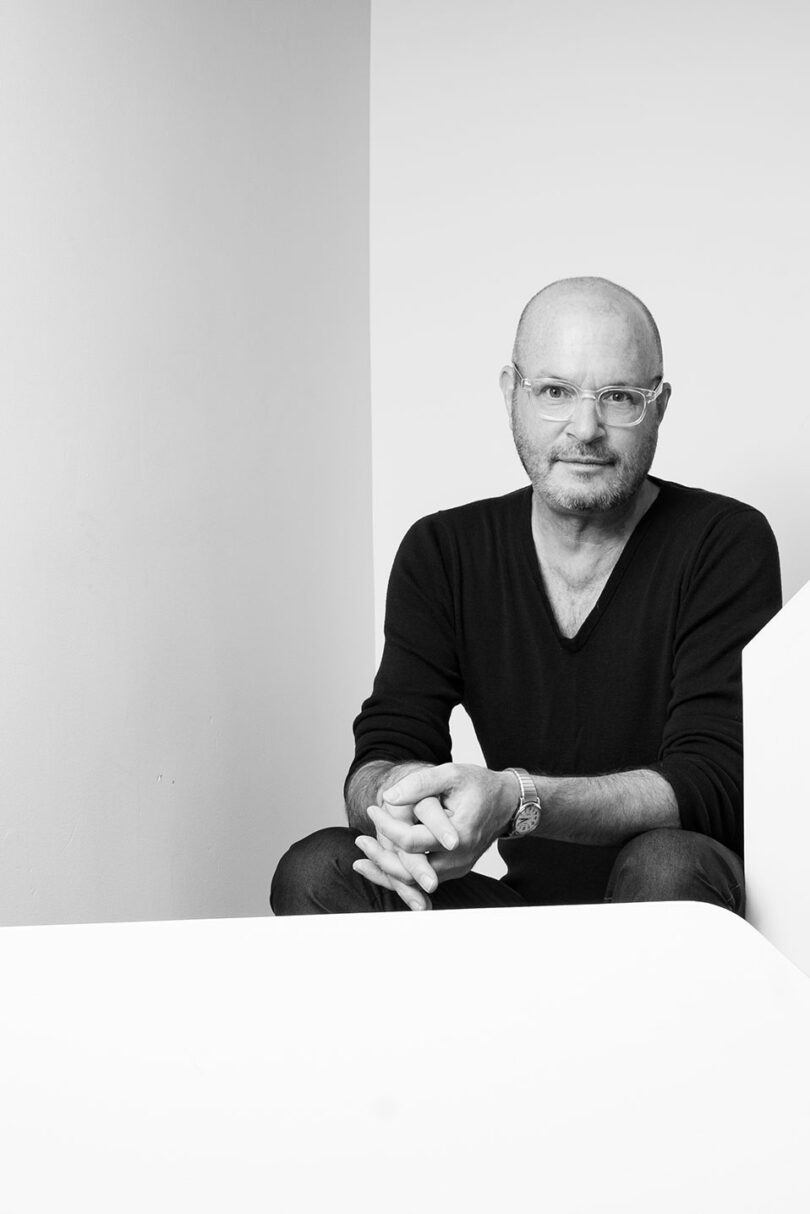
Peter Pelsinski, a founding partner of the New York-based firm SPAN Architecture, represents a unique intersection of scientific inquiry, artistic intuition, and a commitment to technical precision. Since co-founding the studio in 1995 alongside Karen Stonely, Pelsinski has carved out a niche within the competitive landscape of American architecture by prioritizing the exploration of new building techniques and the meticulous refinement of construction details. His journey from a science-focused student to a leading figure in contemporary design offers a compelling narrative of how interdisciplinary interests—ranging from the mechanics of space travel to the nuances of Japanese aesthetics—can coalesce into a cohesive and influential professional practice.
The Genesis of a Design Career: From Science to Structures
The trajectory of Peter Pelsinski’s career was not initially aimed at the built environment. As a child, his interests were captivated by the utilitarian yet complex vehicles of astronauts and garbage collectors, viewing them through the lens of a science enthusiast. This early fascination with mechanical efficiency and the "coolness" of functional machinery suggested a future in space travel or engineering. When he enrolled in college, Pelsinski remained undeclared, hovering on the periphery of various scientific disciplines.
The pivotal shift occurred through a serendipitous encounter on a college quad. While searching for a payphone at the school of architecture, Pelsinski wandered into the studios where students were immersed in the creation of intricate drawings and models. The atmosphere of intense labor, coupled with the tangible manifestation of abstract ideas, resonated with him immediately. This "clicking" moment led him to abandon his undeclared status and commit to architecture, a field that allowed him to merge his scientific curiosity with creative expression.
Pelsinski’s professional development was further shaped by an internship at Diller Scofidio (now Diller Scofidio + Renfro), a firm renowned for its avant-garde approach and its ability to blend architecture with the visual and performing arts. This experience provided a foundational understanding of how architecture can transcend mere shelter to become a medium for cultural and intellectual discourse.
The Founding and Growth of SPAN Architecture
In 1995, Peter Pelsinski and Karen Stonely established SPAN Architecture in New York City. The firm was built on a philosophy of collaboration and a rejection of solitary creative pursuits. From its inception, SPAN has focused on the synergy between different viewpoints, fascinated by how individual creative processes move from initial concept to finished structure.
Over the nearly three decades since its founding, SPAN Architecture has developed a diverse portfolio that spans high-end residential projects, commercial spaces, and large-scale master planning. The studio is characterized by its "builderly" approach, often involving itself deeply in the fabrication process to ensure that the final product reflects the original design intent. This dedication to craftsmanship has earned the firm numerous accolades and a reputation for delivering projects that are both intellectually rigorous and aesthetically refined.
A Chronology of Influence: The Five Pillars of Pelsinski’s Inspiration
Pelsinski’s design language is informed by five core inspirations that bridge the gap between the objective world of science and the subjective world of human experience. These pillars serve as a framework for SPAN’s projects and offer insight into the firm’s innovative output.
1. The Intersection of Science and Science Fiction
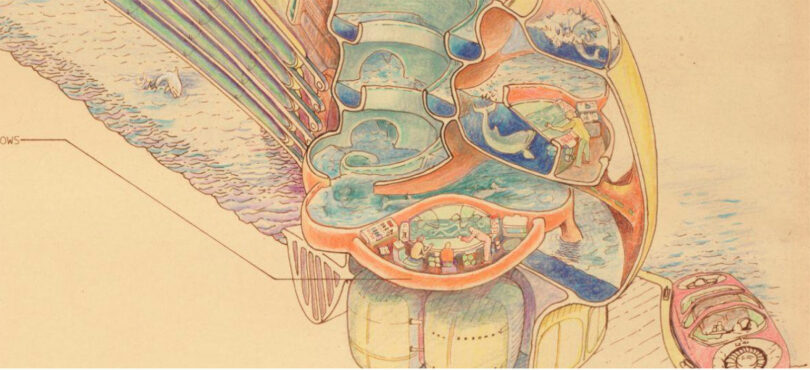
Pelsinski views science and science fiction as two sides of the same coin. While science seeks to explain the world through unassailable logic, Pelsinski notes that human observation often creates a form of "science fiction"—assertions that are allegedly truthful but inherently fantastical. This duality is a recurring theme in his work, where he applies earnest logic to create spaces that feel otherworldly or visionary. He cites the "Dolphin Embassy" concept by Ant Farm as an example of how design can bridge the gap between logical application and imaginative illogic.
2. The Dialogue Between the Natural and Unnatural
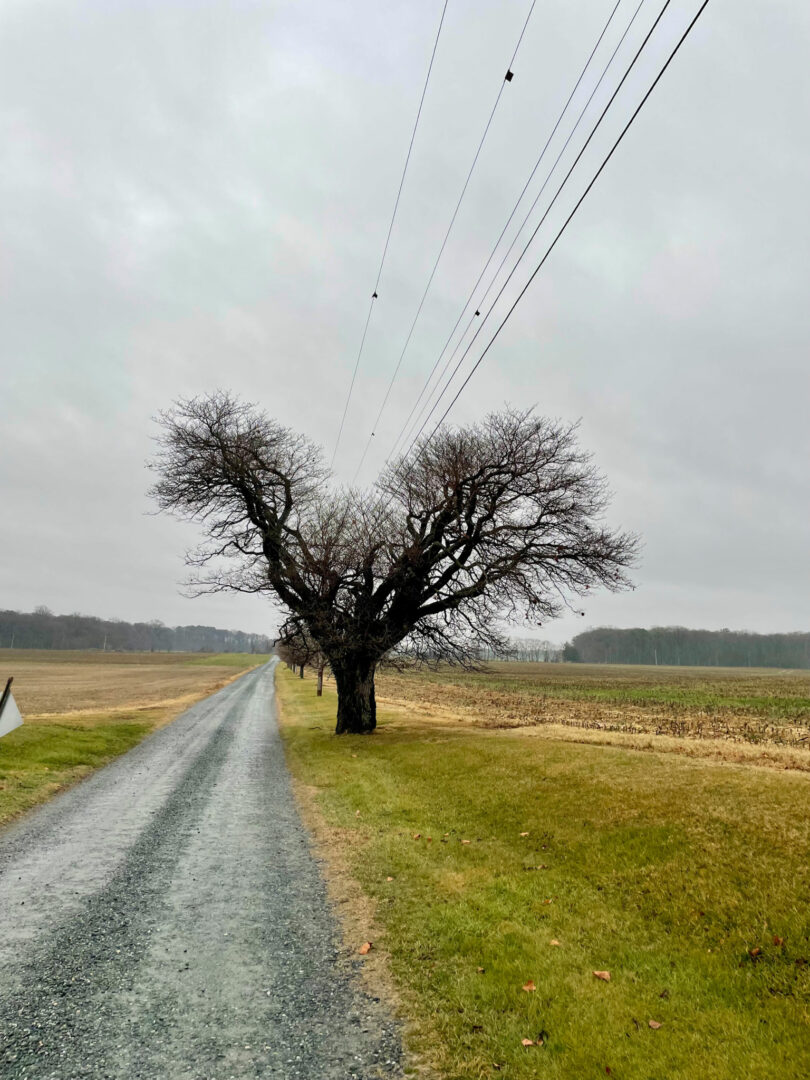
A central tenet of Pelsinski’s work is the observation of how humans cohabitate with the natural world. He identifies a constant tension between human-made marks on the landscape and the environment’s inherent resilience. This "natural/unnatural" dichotomy is often explored in SPAN’s residential work, where structures are designed to interact with their surroundings in ways that are occasionally gentle but always contrasting. This awareness leads to a design aesthetic that highlights the beauty found in the interaction between the organic and the engineered.
3. The Paradigm of Play
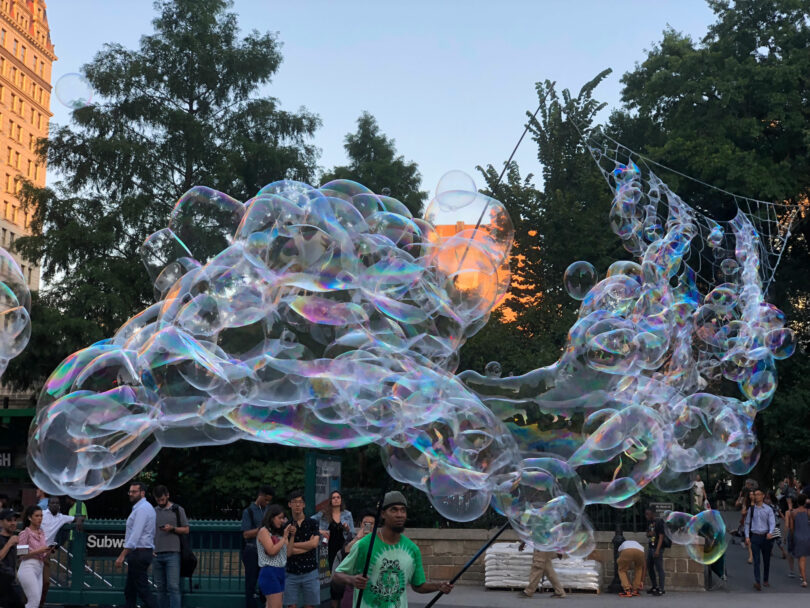
In Pelsinski’s view, play is the essential paradigm for creative breakthrough. By prioritizing activities done for enjoyment over those done for strictly "serious" or "practical" purposes, he fosters a state of mind conducive to making new connections. He advocates for "shutting off the mind" and simply "making stuff," allowing speculations that are not yet fully formed to come to life through tactile experimentation.
4. The Mastery of Shadows and Light
Deeply influenced by Jun’ichirō Tanizaki’s seminal essay In Praise of Shadows, Pelsinski emphasizes the value of nuance and the "patina of age" in design. He argues that the daily phenomena of the atmosphere—how light and wind are modulated—conjure feelings that surpass mere beauty, touching on the sublime and the awe-inspiring. This focus on the atmospheric quality of a space is a hallmark of SPAN’s interiors, where light is treated as a primary building material.

5. The Emotional Resonance of Color
Pelsinski acknowledges the limitations of human vision while celebrating the profound beauty of the visible spectrum. For SPAN, color is not merely a decorative afterthought but a tool for altering perception and evoking specific emotional responses. This is perhaps most evident in their use of dichroic glass and mirrored surfaces, which manipulate color to create kinetic, ever-changing environments.
Analysis of Key Works: SPAN’s Architectural Impact
The practical application of Pelsinski’s philosophy can be seen in several of SPAN Architecture’s most notable projects. These works demonstrate the firm’s ability to translate complex concepts into functional, breathtaking spaces.

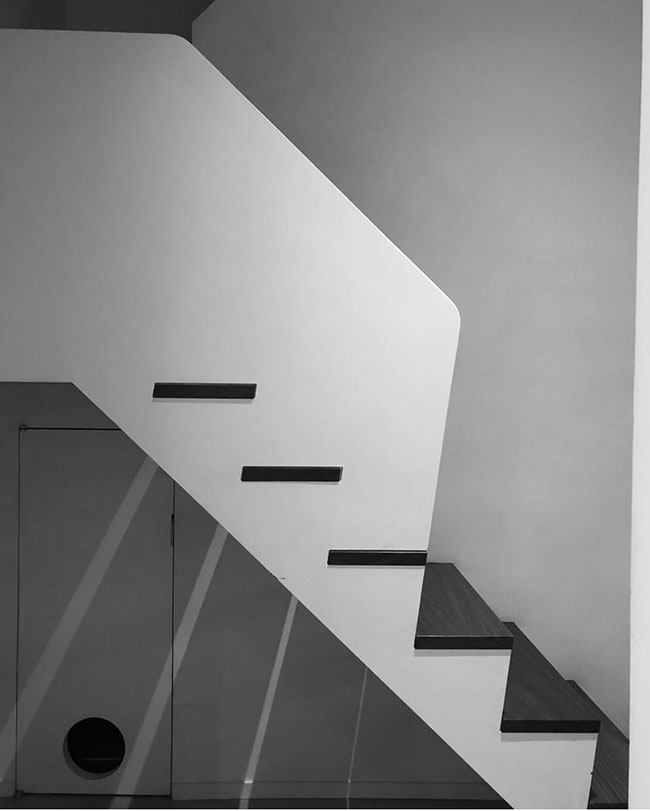
The Bindery: This project serves as a study in restraint. By utilizing a sculpted white stair volume and floating black treads, SPAN distilled the architecture to its most essential geometric forms. The project exemplifies Pelsinski’s interest in the interplay of shadow and light, creating a quiet, contemplative environment through minimalist means.
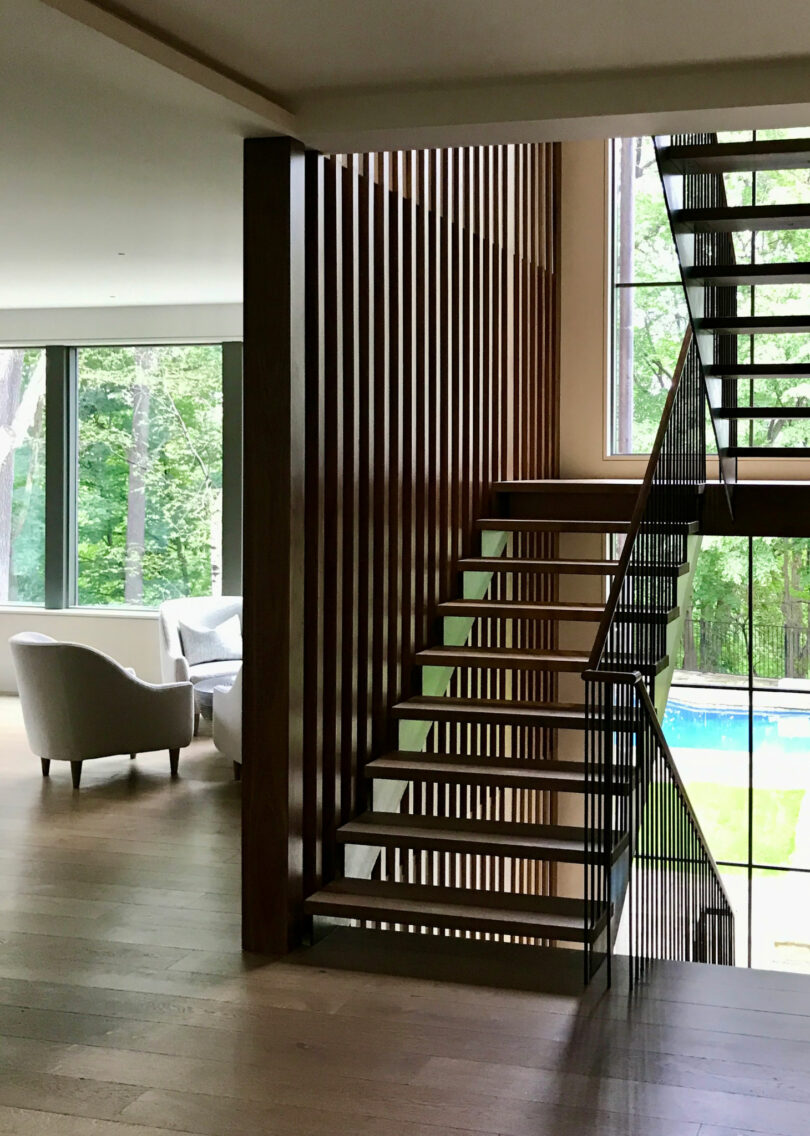
Riverview: In this residence, SPAN used dark walnut screens and open-tread steel stairs to choreograph views of the surrounding landscape. The project highlights the firm’s commitment to biophilic design—an architectural approach that seeks to connect building occupants more closely to nature. By framing specific vistas, the architecture becomes a lens through which the inhabitants experience the changing seasons and the natural world.
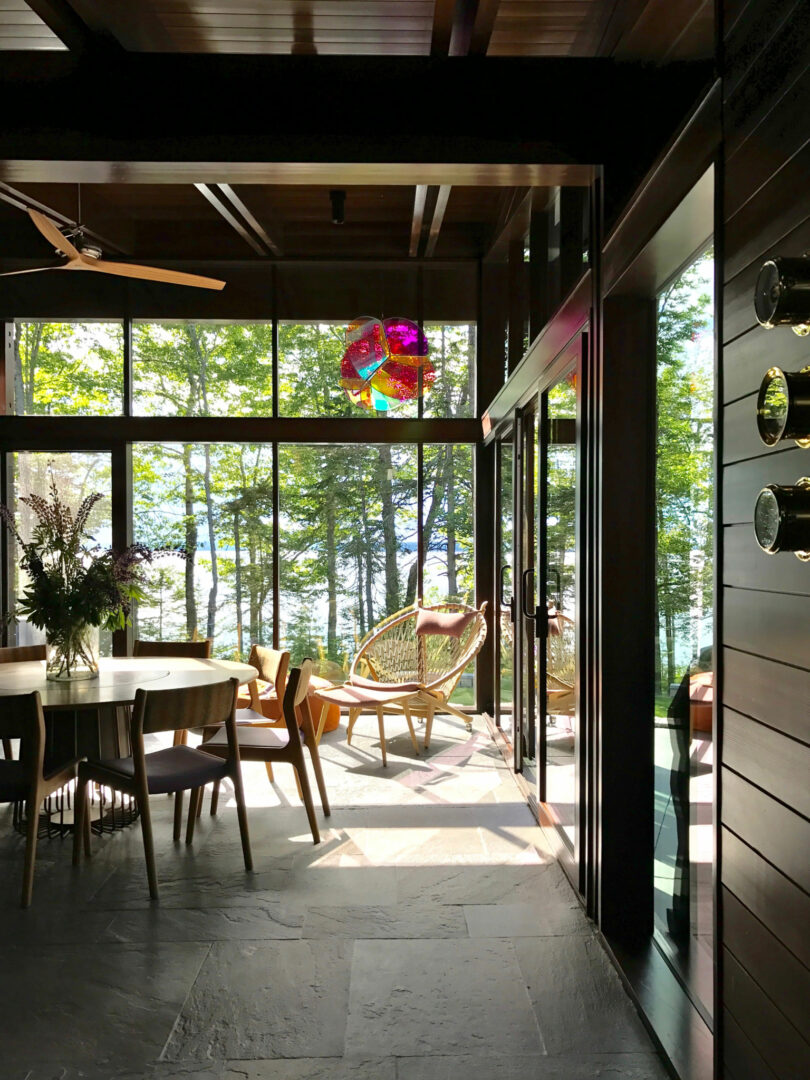
August Moon: Located on a 200-acre waterfront property, August Moon is perhaps the most comprehensive realization of SPAN’s biophilic sanctuary concept. The custom interiors were designed to remain in a constant dialogue with the forest and the bay, blurring the boundaries between the indoors and the outdoors. The project reflects Pelsinski’s belief in the importance of the "natural/unnatural" interaction.
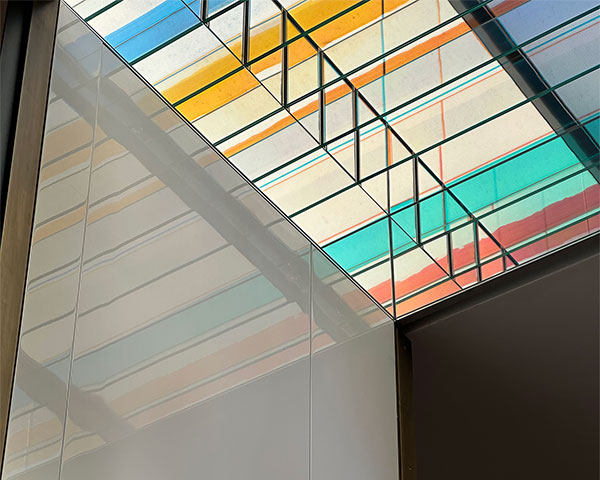
Dichroic Sky: This project showcases the firm’s technical prowess. By installing a ceiling of dichroic glass panels, SPAN created a space that shifts through a painterly spectrum as daylight moves. This kinetic art experience turns a functional architectural element into a dynamic installation, embodying the "science fiction" quality Pelsinski admires.
L. Samaras Homage Bathroom: A direct tribute to artist Lucas Samaras, this fully mirrored bathroom creates an "Infinity Room" effect. Using polished chrome fixtures and suspended tube elements, SPAN explored the boundaries of perception and the modulation of light, resulting in a space that feels both expansive and surreal.
Broader Implications and Industry Trends
The work of Peter Pelsinski and SPAN Architecture aligns with several significant trends in the 21st-century architectural landscape. Their emphasis on biophilic design reflects a growing industry-wide recognition of the psychological and physiological benefits of connecting human-made environments with nature. Data from the International Living Future Institute suggests that biophilic elements can reduce stress, enhance creativity, and improve overall well-being, making SPAN’s approach increasingly relevant in both residential and commercial sectors.
Furthermore, Pelsinski’s focus on "play" and "making" as a primary design tool mirrors the rise of "Design Thinking" in professional practices—a methodology that prioritizes empathy, experimentation, and iterative prototyping. By maintaining a studio culture that values speculative making over rigid adherence to initial concepts, SPAN is able to innovate in construction detailing, a field often hampered by standardized practices and budgetary constraints.
As the architectural world grapples with the challenges of sustainability and the integration of technology, the approach championed by Pelsinski—one that balances scientific rigor with a playful, artistic spirit—offers a viable path forward. His career serves as a reminder that the most profound architectural solutions often emerge not from a singular focus, but from the intersection of disparate interests and a willingness to explore the "science fiction" of the possible. Through SPAN Architecture, Pelsinski continues to influence the field, proving that the coolest vehicles for human experience are often the buildings we inhabit.