Guillermo del Toro reveals why James Cameron convinced him to cut a shocking murder from the theatrical version of Frankenstein

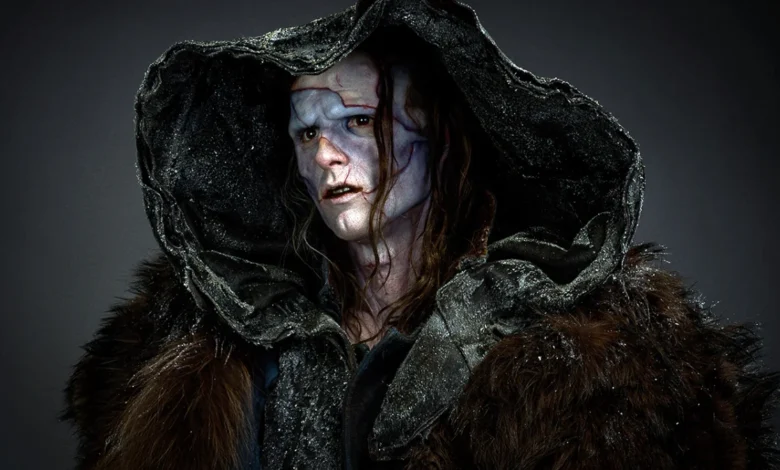
The release of the Criterion Collection’s 4K Ultra HD and Blu-ray edition of Guillermo del Toro’s Frankenstein has brought to light a significant creative evolution in the filmmaker’s process. Titled Frankenstein: The Reborn Cut, this extended version of the 2025 Netflix feature introduces eight and a half minutes of additional footage, most notably a sequence involving the patricide of Leopold Frankenstein, portrayed by Charles Dance, at the hands of his son, Victor. While the scene aligns with the dark thematic underpinnings of Mary Shelley’s original 1818 novel, its absence from the theatrical version was the result of a deliberate, high-profile collaboration between del Toro and fellow visionary director James Cameron.
The Consultation and the Rationale for Revision
In the official audio commentary provided with the Criterion release, Guillermo del Toro detailed the exchange that led to the removal of the sequence. According to the director, James Cameron provided specific, structural feedback that shifted the pacing and character motivation for the film’s first act.
Cameron’s critique was twofold, focusing on both audience empathy and narrative logic. First, he expressed concern that if the audience witnessed Victor commit such a brutal act of murder against his own father early in the film, the barrier to identifying with the protagonist would become insurmountable. While del Toro acknowledged that Victor remains a polarizing figure regardless of the edit, Cameron argued that the inclusion of the murder disrupted the character’s trajectory.
More importantly, Cameron questioned the narrative momentum of the piece. He posited that if Victor successfully exacted revenge upon his father, the underlying motivation for his subsequent obsession with conquering death and seeking immortality would be fundamentally undermined. If the psychological "task" of the protagonist—to avenge his mother—was completed within the first act, the internal necessity for the later, darker experiments would lose its urgency. Del Toro noted that while he personally cherished the sequence as one of the most effective passages he had filmed, he conceded that Cameron’s perspective was essential for the clarity of the theatrical release.
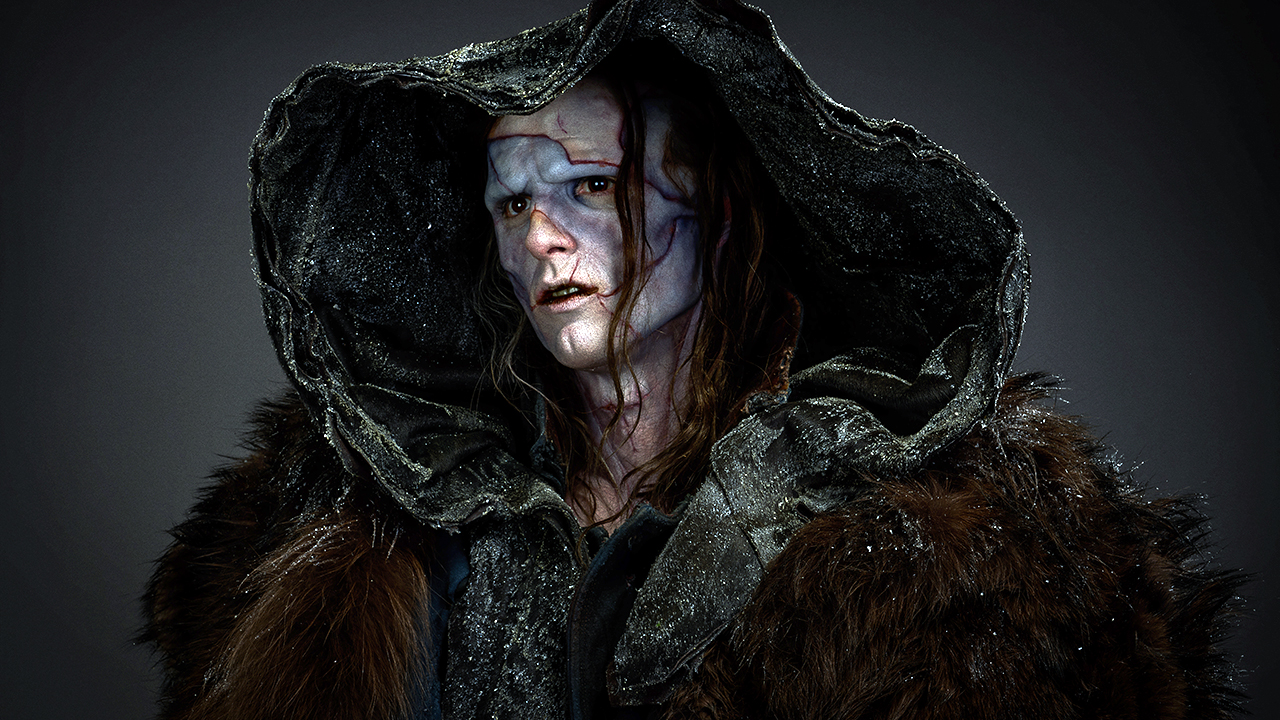
Expanding the Frankenstein Mythos: The Reborn Cut
The Reborn Cut, which runs for 2 hours, 38 minutes, and 43 seconds, serves as more than just a repository for deleted scenes; it provides a deeper, more atmospheric exploration of the Frankenstein family dynamic. The theatrical version, which premiered on Netflix in November 2025 to significant acclaim, garnered 29.1 million views within its first three days of release. The success of that version allowed del Toro the latitude to present his preferred, expanded vision through the Criterion label.
The additional footage provides significant breathing room for the opening act, particularly concerning the interpersonal relationships between Victor, his brother William (Felix Kammerer), and his fiancée, Elizabeth (Mia Goth). By extending these sequences, the film places a greater emphasis on the decaying environment of the Frankenstein household. The inclusion of more graphic, visceral imagery—such as the scene depicting the physical deterioration of Victor’s mother—aligns with the gothic aesthetic that has defined del Toro’s filmography.
The inclusion of the patricide in this version also recontextualizes the themes of the film. By having Victor commit the act, the story gains a circular nature, where history repeats itself through cycles of violence. This choice underscores the parallels between the creator and his creation, as the Creature eventually faces the choice of whether to slay his own "father," ultimately opting to break the cycle of violence. Furthermore, the scene emphasizes the Oedipal complexities inherent in the adaptation, especially given the casting of Mia Goth to portray both Elizabeth and Victor’s mother.
Chronology of Production and Release
The production timeline for this project reflects a massive undertaking by Netflix and del Toro’s production team. After initial development and casting announcements throughout 2024, the film entered production with a high-profile ensemble, including Jacob Elordi as the Creature.
- November 2025: The theatrical cut of Frankenstein makes its global debut on Netflix, achieving 29.1 million views in the opening weekend.
- October 2026: The Criterion Collection releases the 4K Ultra HD and Blu-ray editions of the film, featuring the exclusive "Reborn Cut."
- Ongoing: The theatrical version remains the primary iteration accessible to global audiences via the streaming platform, while the extended cut is positioned as a collector’s item, reinforcing the distinction between streaming-first distribution and premium physical media.
Broader Implications for Filmmaking and Streaming
The situation highlights the complex relationship between creative intent, streaming platform metrics, and the preservation of "director’s cuts" in the digital age. In the current landscape, filmmakers often face pressure to optimize pacing for streaming audiences, who may be more susceptible to abandoning long-form content if the character development is perceived as too slow or unsympathetic.
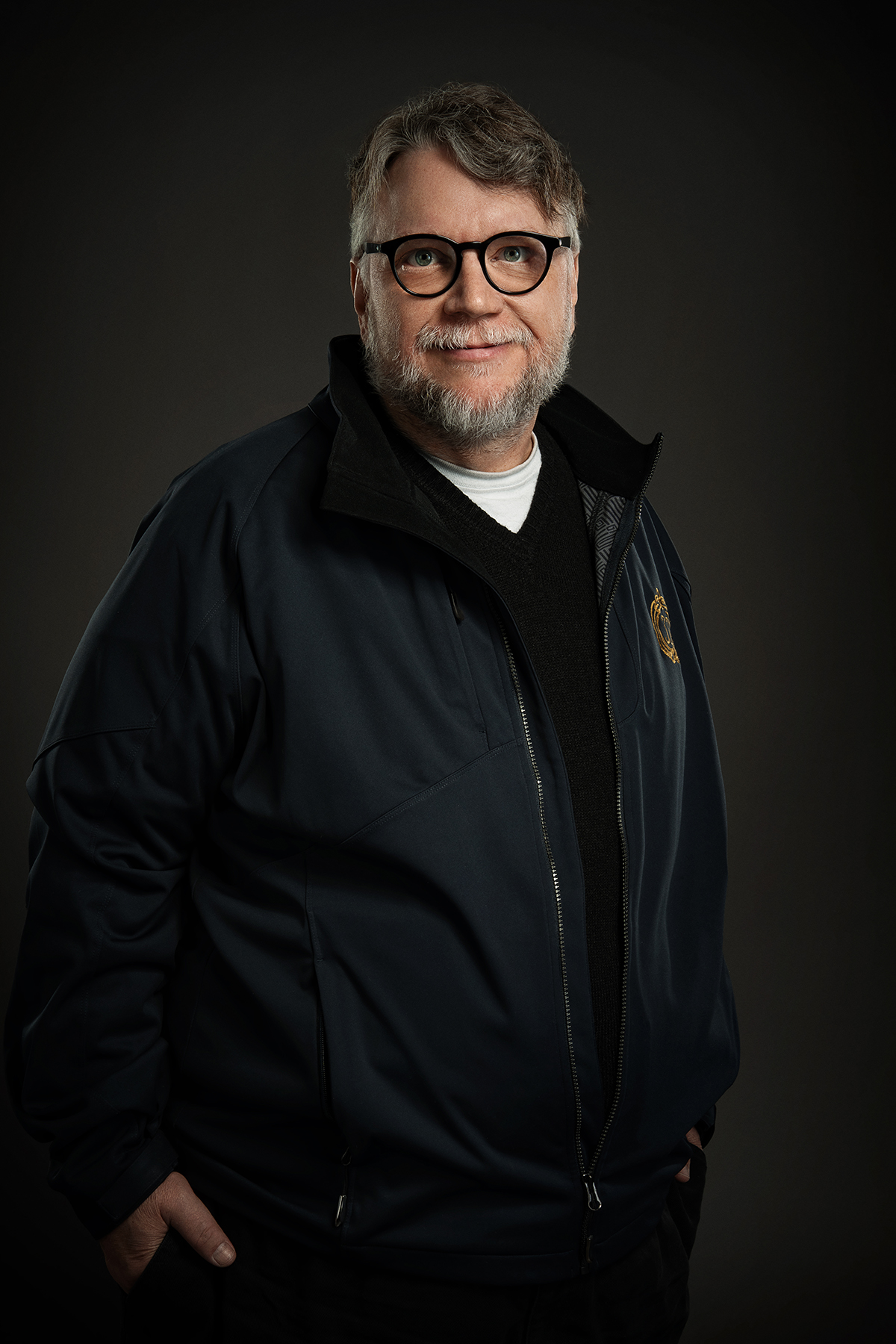
James Cameron’s involvement as a consultant serves as an example of the industry’s "mentorship" culture, where established directors provide feedback that often dictates the commercial viability of a film. This intervention prevented a potential narrative conflict that might have left audiences confused about Victor’s driving force. However, the subsequent release of the Reborn Cut allows for a critical reappraisal. By separating the two versions, the creative team has effectively allowed the theatrical cut to serve as a streamlined, accessible horror drama, while the Criterion release serves as an "academic" version that honors the source material’s darker, more complex literary roots.
Analysis of Critical Reception and Future Value
From a critical standpoint, the inclusion of the patricide scene provides a clearer window into the film’s central thesis: the corruption of the human soul through hubris and trauma. When the film is viewed in its extended form, the "monstrosity" is clearly presented as an inherited trait, rather than something created solely in a laboratory.
The decision to limit the availability of the Reborn Cut to physical media and select home-video formats also underscores a growing trend in the industry. As streaming libraries become increasingly crowded, physical releases like those from the Criterion Collection provide a secondary life for high-budget films. This ensures that the director’s "unfiltered" vision remains preserved in a high-fidelity format, independent of the algorithmic considerations that govern streaming platforms.
For cinephiles and students of film history, this development provides a rare look at the "killing your darlings" process in modern Hollywood. The collaboration between two of the industry’s most influential voices—del Toro and Cameron—illustrates that even at the highest levels of production, films remain fluid entities, subject to rigorous debate and editorial pruning. The Reborn Cut stands as a testament to the fact that while a scene may be "cut" for the sake of pacing, its existence remains a vital component of the artistic journey, eventually finding its place in the history of the work.
Whether the Reborn Cut will eventually migrate to a streaming platform remains a point of speculation. Given the current licensing agreements and the prestige model employed by the Criterion Collection, it is highly probable that the extended version will remain an exclusive physical commodity for the foreseeable future. For now, the debate over whether the patricide improves or complicates the film continues to engage viewers, offering a compelling case study on the impact of editorial decisions on the legacy of a cinematic work. As the film continues to be discussed, the inclusion of this deleted sequence serves as a focal point for those looking to understand the intersection of narrative structure, character development, and the constraints of commercial filmmaking.