Apple M5 Max MacBook Pro with PROLED XDR Display: A New Benchmark for Mobile Post-Production


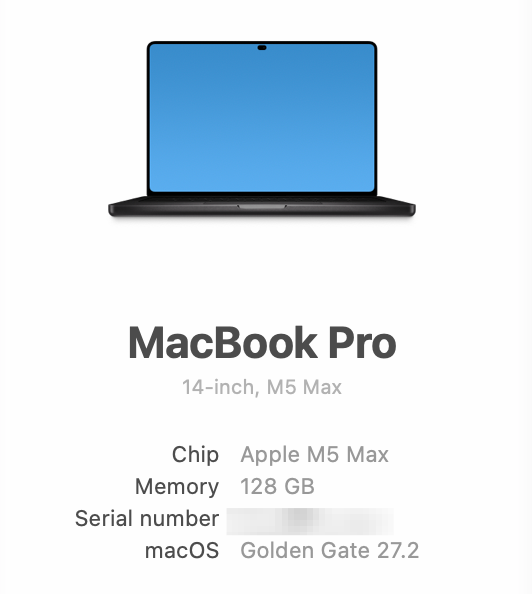
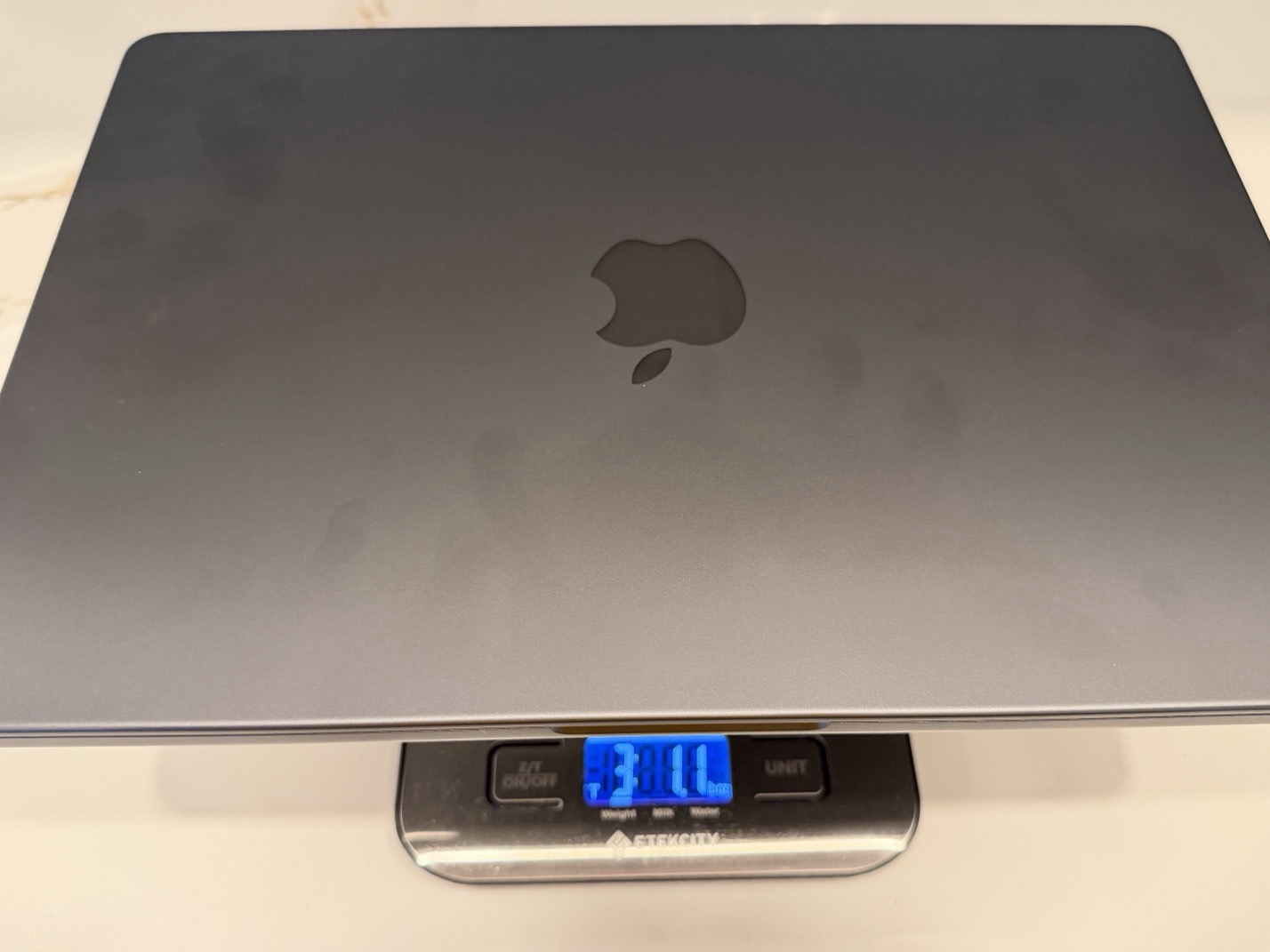
Apple’s latest iteration of the MacBook Pro, headlined by the M5 Max chip and the introduction of a PROLED XDR touchscreen display, marks a significant departure from the company’s long-standing design philosophy regarding laptop human-machine interfaces. Following the recent rollout of the M5 Ultra Mac Studio, this release seeks to bridge the gap between high-end desktop workstation performance and ultra-portable form factors. The new model series, specifically the 14-inch configuration, features a refined thermal architecture and a reduced weight profile, positioning it as a primary tool for professional video editors and creative technologists who require both mobility and high-compute capabilities.

Evolution of the MacBook Pro Hardware Ecosystem
The history of the MacBook Pro has been defined by iterative cycles of performance gains and ergonomic shifts. From the early transition to Intel processors to the recent epoch of Apple Silicon, the hardware has consistently moved toward greater power efficiency. The integration of the M5 Max chip into a 14-inch chassis represents the latest milestone in this trajectory. Historically, professional-grade performance was restricted to the 16-inch footprint due to thermal dissipation requirements. By redesigning the internal cooling array, Apple has managed to maintain the 14-inch form factor while accommodating the increased TDP (Thermal Design Power) of the M5 Max architecture.
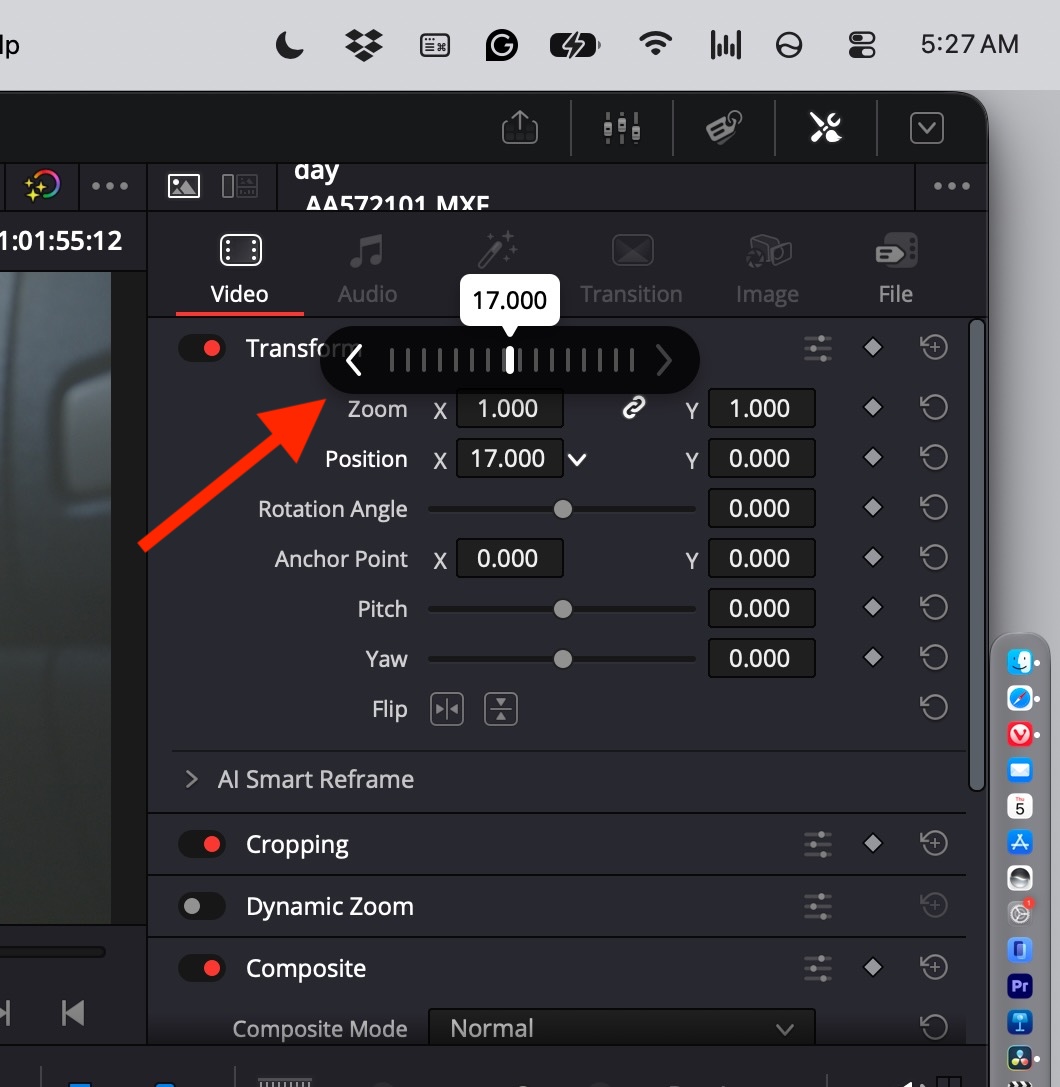
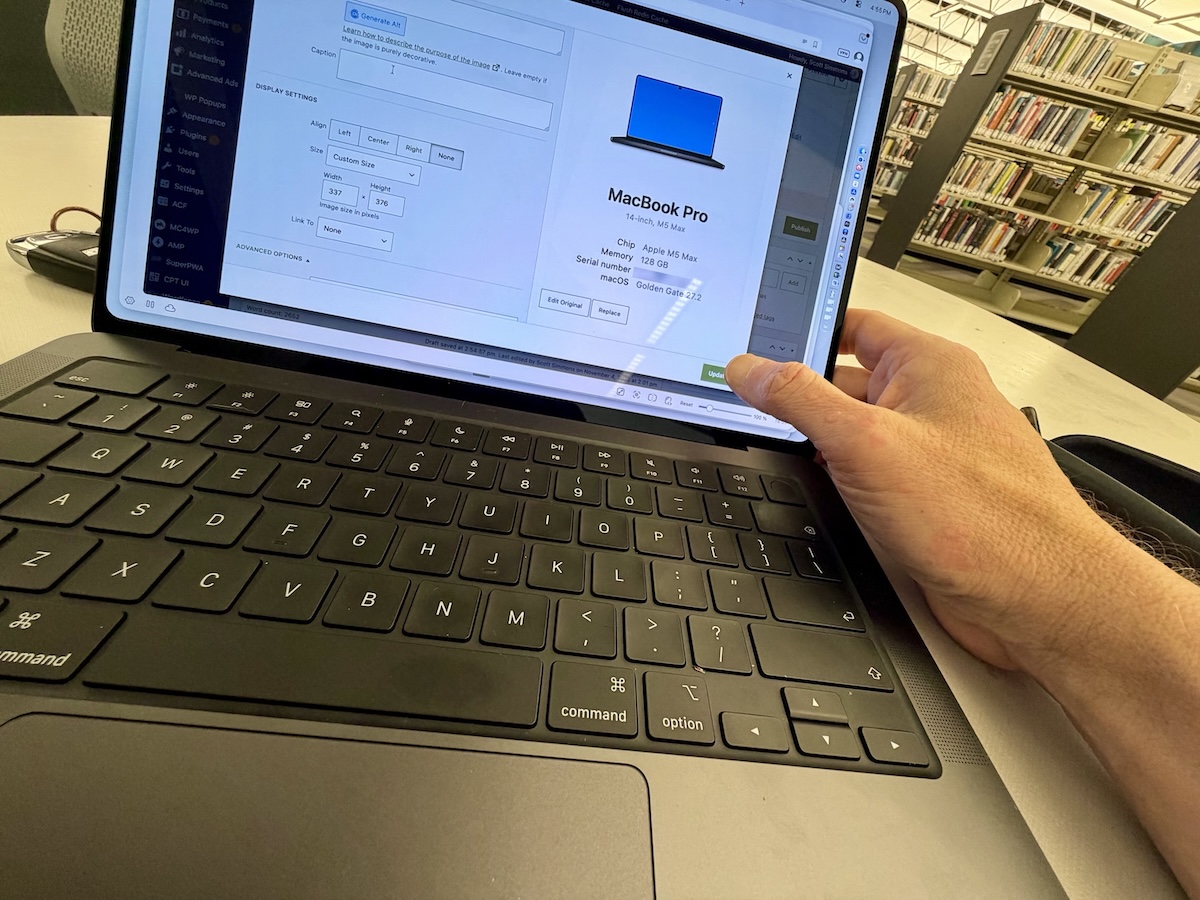
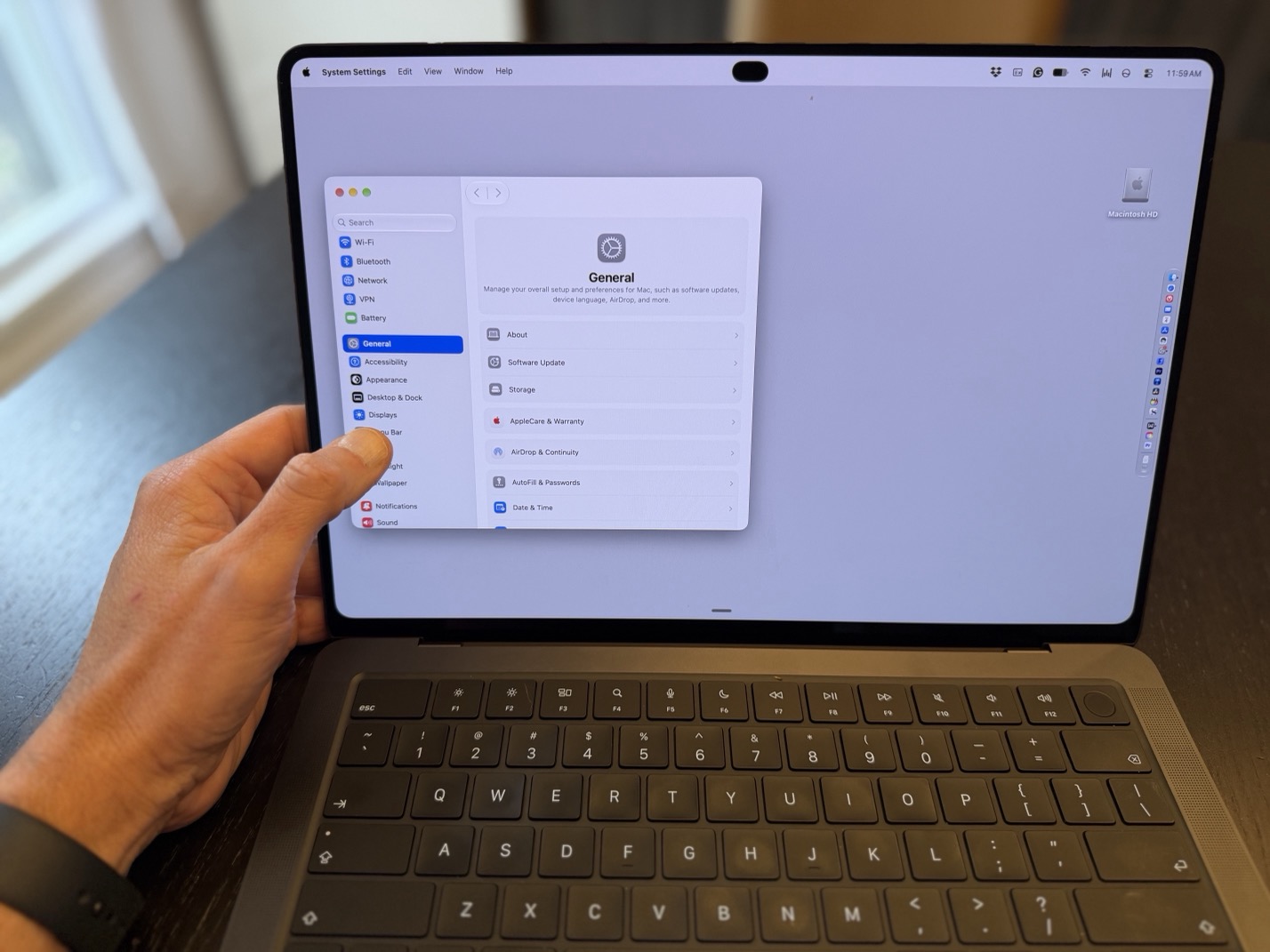
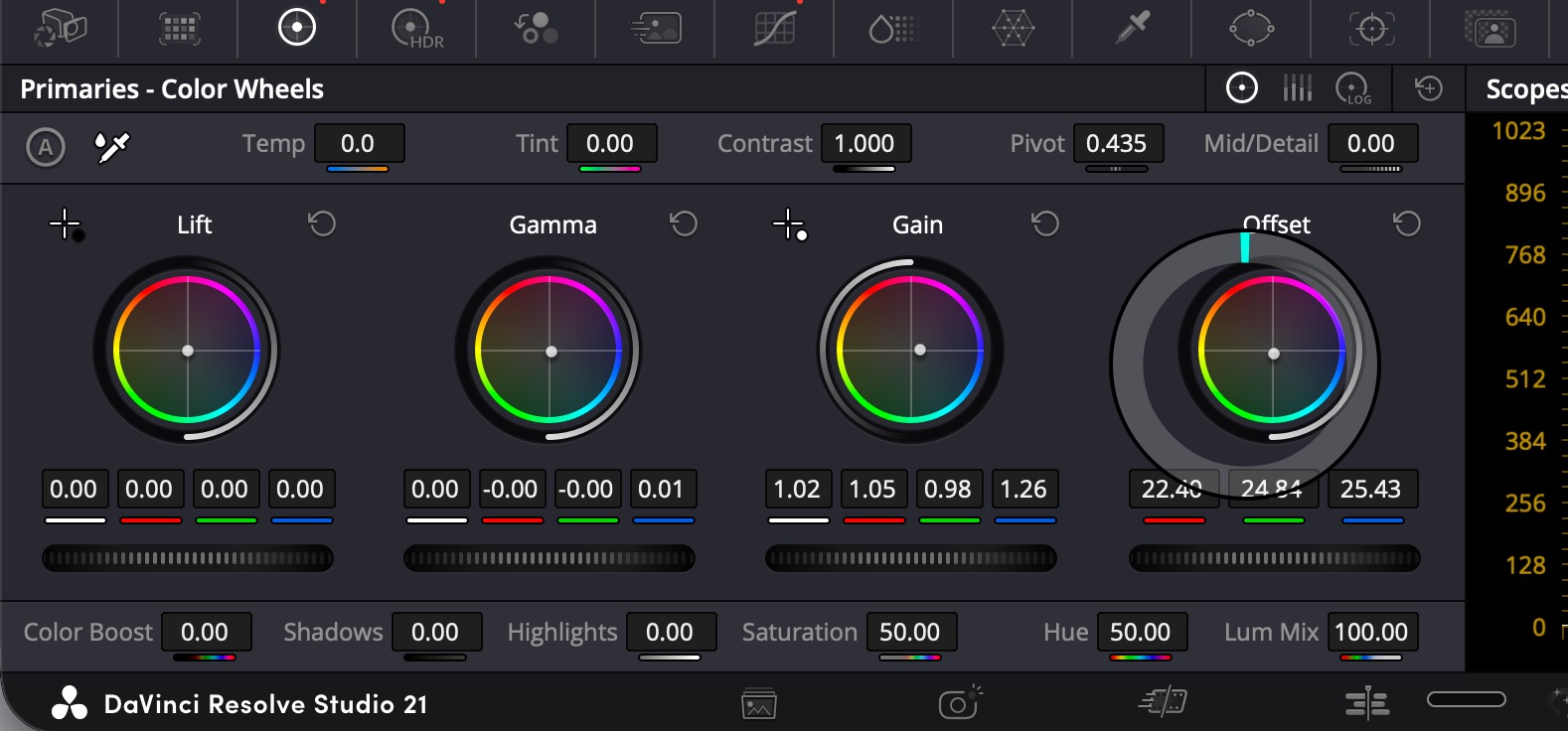
The introduction of the PROLED XDR display is arguably the most disruptive feature of this release. By incorporating a touchscreen into a professional laptop, Apple is responding to shifts in user expectations, driven largely by the proliferation of smartphone and tablet-based workflows. While the primary input for traditional editing remains the trackpad and keyboard, the addition of touch capabilities provides an alternative interface for system navigation, color grading, and granular adjustments within software environments like DaVinci Resolve 21.2.
Chronology of the M5 Series Rollout
The launch of the M5 Max MacBook Pro follows a strategic timeline designed to capture both the consumer and enterprise segments of the professional market.
- October 2026: Initial benchmarks and early testing units for the M5 Ultra Mac Studio are circulated among industry professionals, setting a baseline for the M5 architecture’s capabilities.
- November 2026: The official announcement and initial retail availability of the M5 Max MacBook Pro.
- Early November 2026: First-party software vendors, most notably Blackmagic Design, begin releasing patches to optimize software suites for the new touch-sensitive interface.
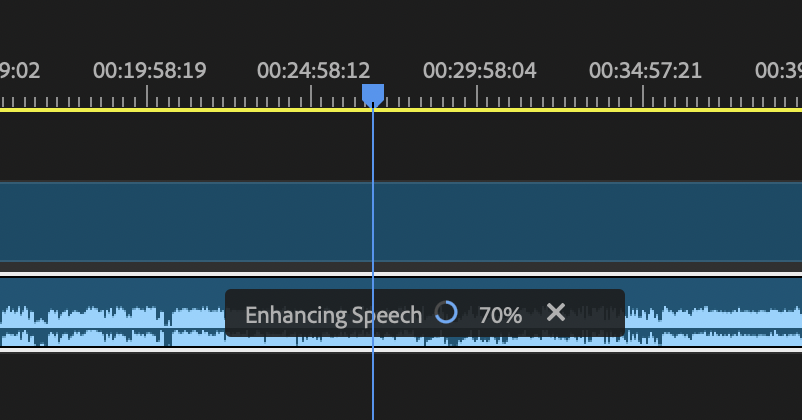
- Late November 2026: Integration of advanced AI-based post-production workflows into the M5 platform, highlighting the machine’s utility in local AI model processing.
Comparative Performance Analysis
The performance of the M5 Max MacBook Pro has been subjected to rigorous testing, particularly in comparison to the stationary M5 Ultra Mac Studio. The data suggests that while the M5 Ultra maintains an advantage in sheer raw compute tasks—such as complex media analysis—the M5 Max in the portable chassis is remarkably competitive, often closing the gap significantly in real-world encoding tasks.
In media analysis for visual search tools, the M5 Max MacBook Pro demonstrated a processing time of 7:20 in Adobe Premiere, compared to 5:40 for the M5 Ultra. In DaVinci Resolve, the figures were 21:50 and 21:00, respectively, indicating that the portable architecture is nearly on par with its desktop counterpart for professional-grade grading and editing tasks.
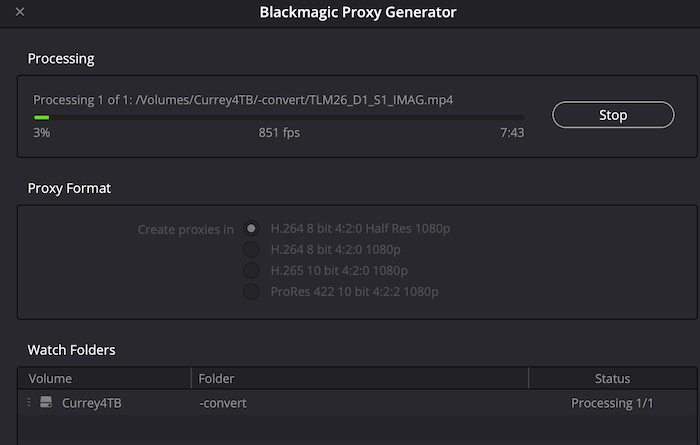
Perhaps most surprising are the results in Apple Compressor. In tests encoding to ProRes Proxy at quarter resolution, the M5 Max MacBook Pro outperformed the M5 Ultra, clocking in at 5:13 compared to the M5 Ultra’s 12:42. This discrepancy suggests that Apple’s optimization of the M5 Max’s media engines—specifically for mobile-first workflows—may offer superior efficiency for specific types of file transcode tasks.
Thermal Management and Hardware Architecture
A critical challenge in mobile workstations is the trade-off between power and thermal noise. Older MacBook Pro models were frequently criticized for loud fan engagement during sustained heavy loads. The new M5 Max MacBook Pro utilizes a redesigned thermal architecture specifically intended to mitigate this issue by directing heat away from the display panel and the primary input areas.

Preliminary stress tests indicate that while fan activity is still present under heavy loads—such as batch transcription or high-resolution H.264 encoding—the frequency and intensity of the thermal throttling are noticeably reduced. This improvement is vital for audio-sensitive environments where professionals require silence while rendering or exporting projects.
Implications for Software Development and Industry Standards
The integration of a touchscreen into a high-end macOS environment has immediate implications for software developers. Currently, the implementation of touch support is in its nascent stages. Software suites that rely on complex, granular control—such as non-linear editors (NLEs)—are currently in a phase of discovery.
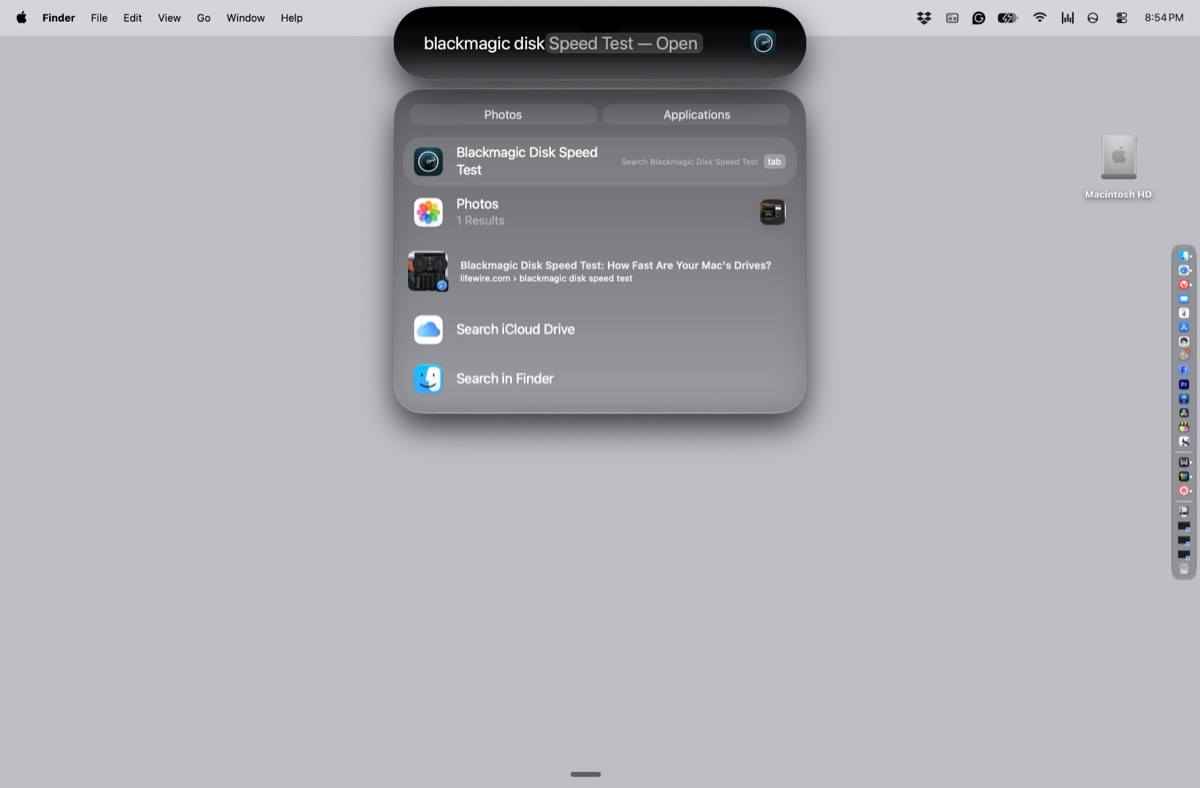
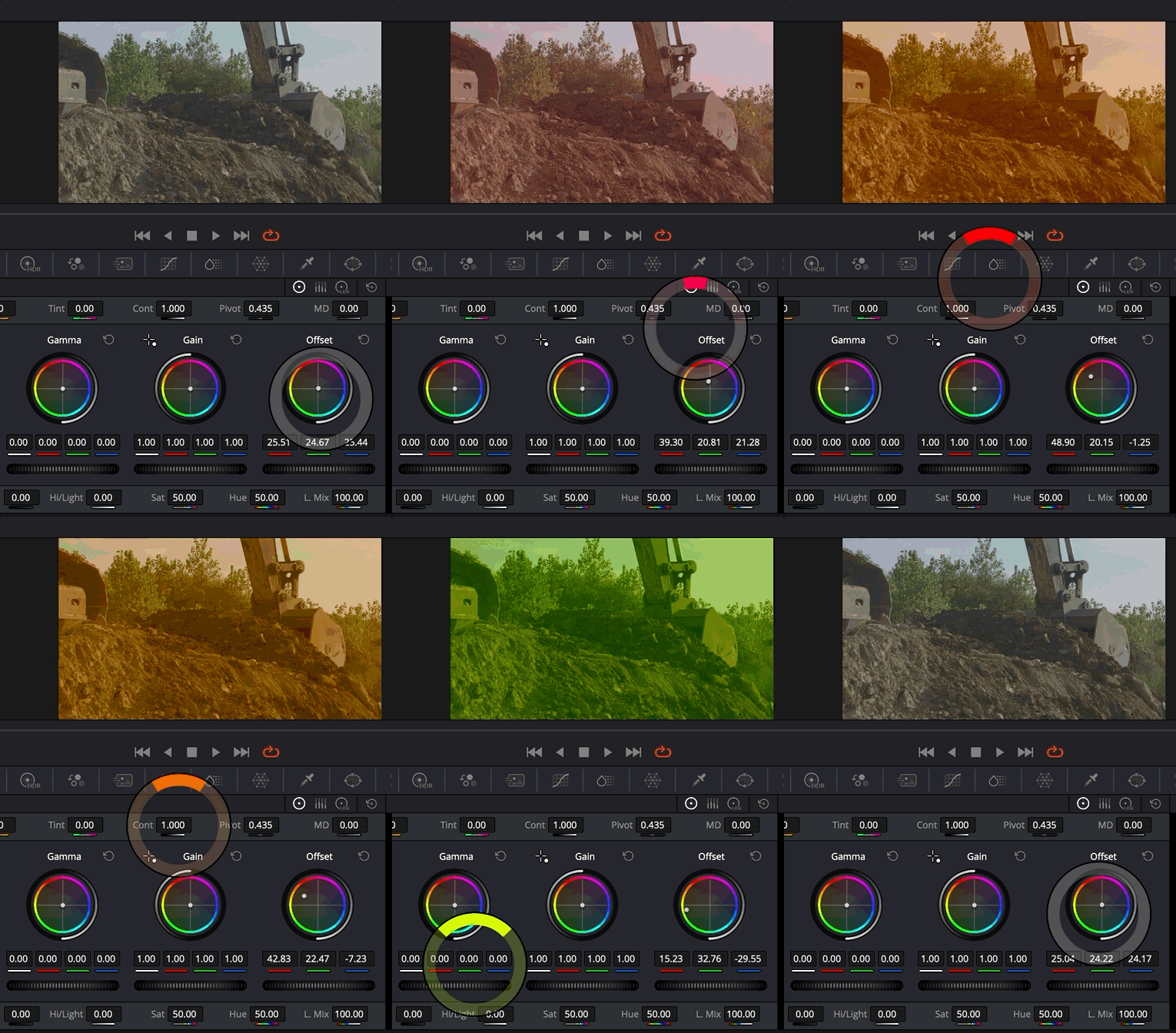
Blackmagic Design’s implementation in DaVinci Resolve 21.2 serves as a test case for this transition. The inclusion of touch-sensitive rings for color wheels and gesture-based navigation suggests a future where the interface is fluid. However, consistency remains an issue; some color panels lack touch support, indicating that software optimization will be an ongoing process rather than a static release.
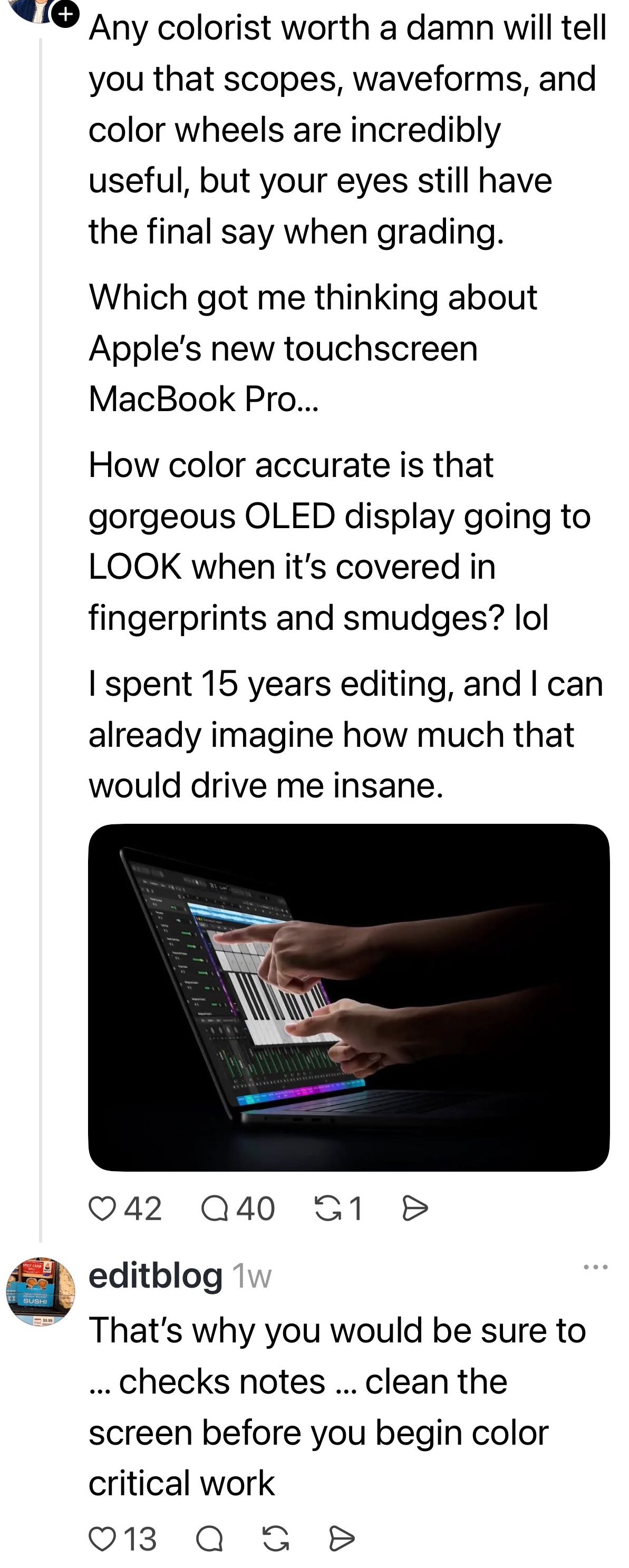
The broader industry implication is the potential for a paradigm shift in how desktop-class software is designed. If Apple’s developer tools successfully simplify the integration of touch, we may see a transition away from strictly mouse-and-keyboard workflows, even for professional tasks. The "fingerprint-resistant oleophobic coating" on the display suggests that Apple is designing for a future where touch is a primary interaction method, not a secondary novelty.
Market Positioning and Cost Considerations
The M5 Max MacBook Pro enters the market at a premium price point. A high-spec 14-inch unit, equipped with 128GB of RAM and a 4TB solid-state drive, retails at approximately $8,000. Entry-level configurations start closer to the $4,500 mark. These price points align the product with the high-end creative market—independent freelancers, post-production studios, and mobile content creators who prioritize hardware reliability and compute density.
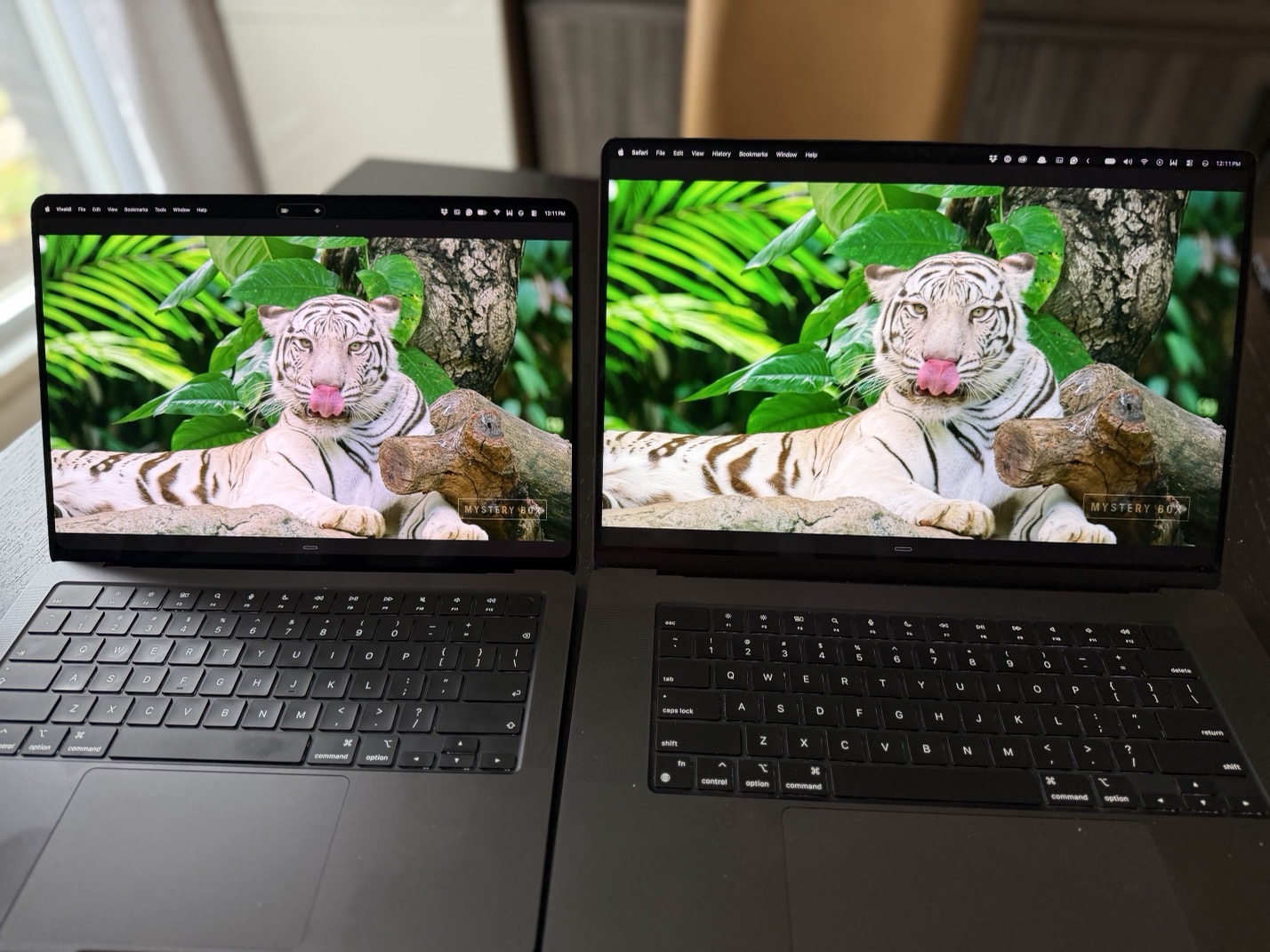
The "pro" designation is bolstered by the PROLED XDR display, which offers deeper black levels and higher peak brightness than previous IPS-based panels. This makes the device a viable option for on-set color grading and review, where accurate reproduction is non-negotiable.
Critical Assessment: Pros and Cons
The transition to this new hardware involves a clear set of trade-offs:
Advantages:
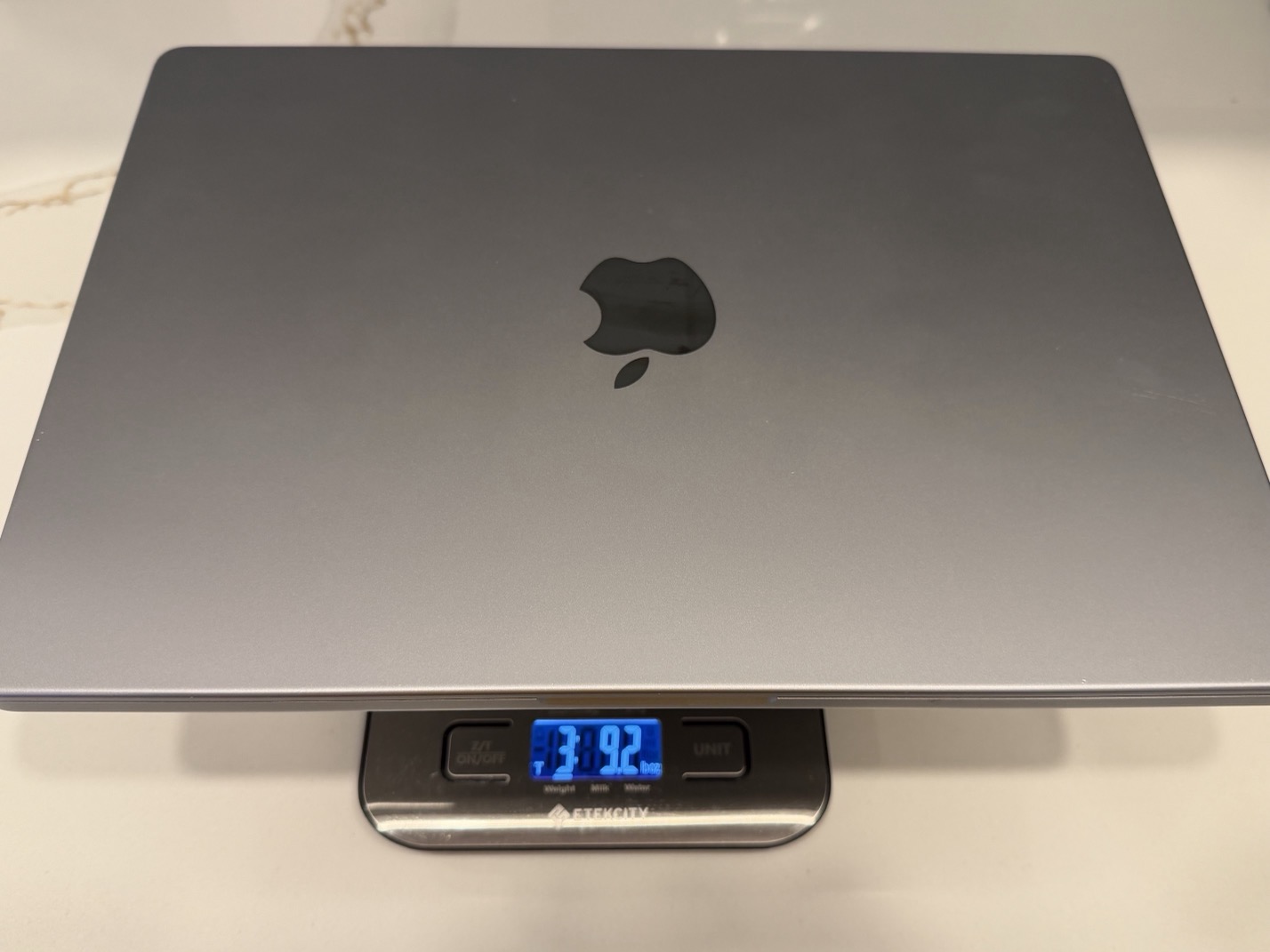
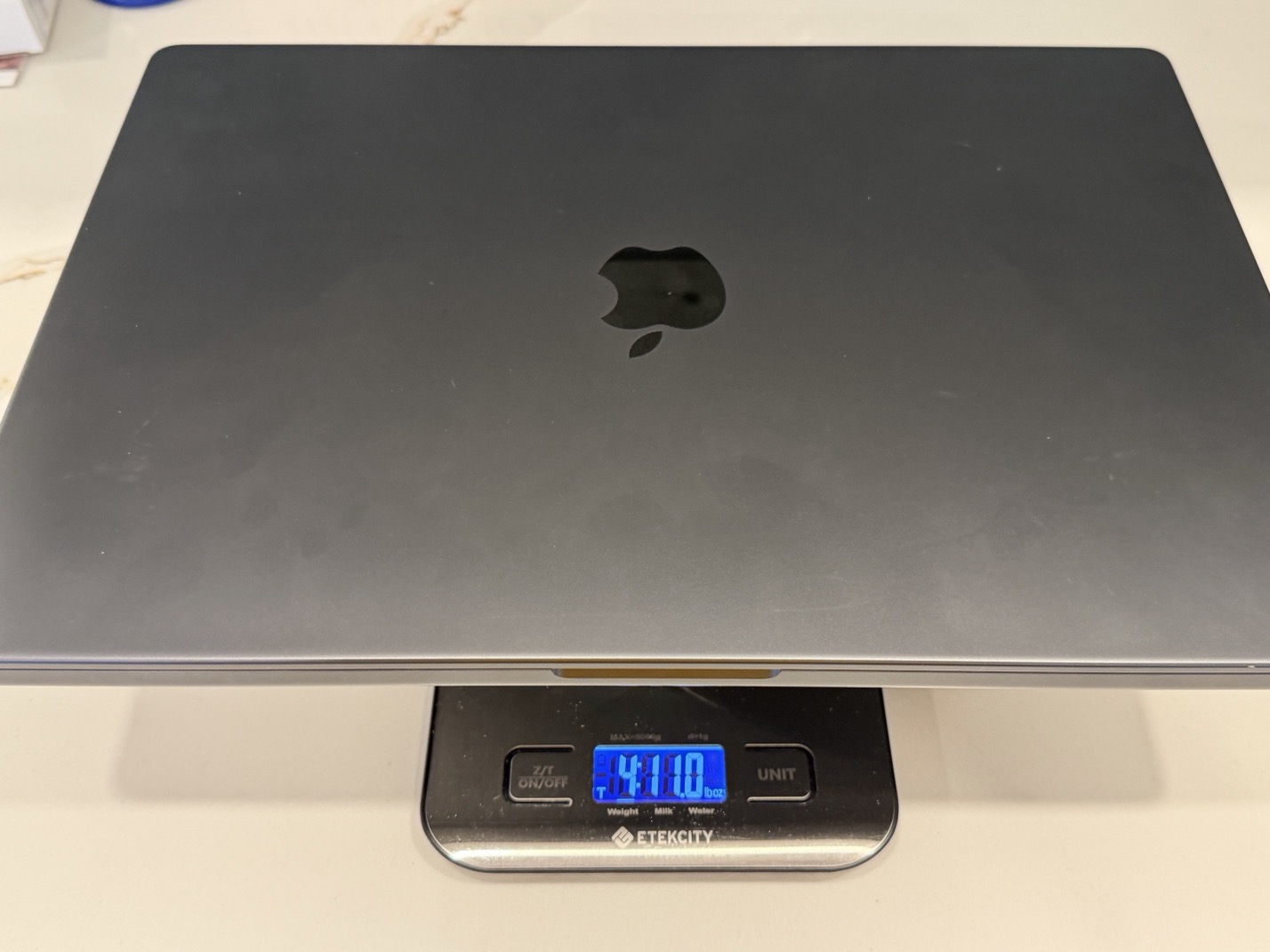
- Portability: The reduced weight and refined chassis allow for high-performance editing without the traditional bulk of a 16-inch workstation.
- Display Quality: The PROLED XDR technology provides reference-grade contrast ratios, essential for HDR workflows.
- Thermal Efficiency: Improved fan architecture maintains sustained performance for longer intervals compared to previous generations.
- Input Versatility: The touch interface offers a new layer of efficiency for specific tasks like color wheels and menu navigation.
Challenges:
- Software Optimization: Most third-party applications are not yet fully optimized for touch, leading to an inconsistent user experience.
- Price: The high cost of entry limits the device to professional-tier users and high-end enterprise deployments.
- Learning Curve: Existing professional workflows are deeply entrenched in mouse/trackpad logic, necessitating a period of adjustment to incorporate touch gestures effectively.
Broader Impact and Future Outlook
The release of the M5 Max MacBook Pro suggests that Apple is committed to maintaining the MacBook Pro’s status as the industry standard for creative professionals, while simultaneously diversifying the interface capabilities of the platform. By introducing a touchscreen, Apple is effectively forcing the hand of software developers to rethink the "pro" interface.
The success of this device will ultimately be measured by its longevity and the speed at which the software ecosystem adapts to the new hardware possibilities. For the professional editor, the machine represents a significant leap forward in mobile capability, provided they are willing to navigate the early-adopter challenges of a new interface paradigm. As local AI models become more integral to post-production, the high-RAM configurations of these machines will likely become the standard for the next generation of creative hardware.