Berlin Duo Calcou Expands Electronic Soundscapes and Redefines Collaborative Workflow with New EP Now, What?

The contemporary electronic music landscape is continually shaped by the intersection of organic instrumentation and digital sound design, a dynamic recently underscored by the evolution of the Berlin-based musical project Calcou. Originally conceived as the solo venture of producer and composer Stefan, the project has officially expanded into a full-fledged duo with the integration of vocalist and songwriter Thea. This collaborative transformation culminates in their latest release, the studio extended play (EP) titled Now, What?. The record serves as a sonic documentation of two distinct creative perspectives converging into a unified vision, bridging the gap between intricate live performance architecture, modular synthesis, and traditional songwriting structures.
The Genesis of a Collaborative Partnership
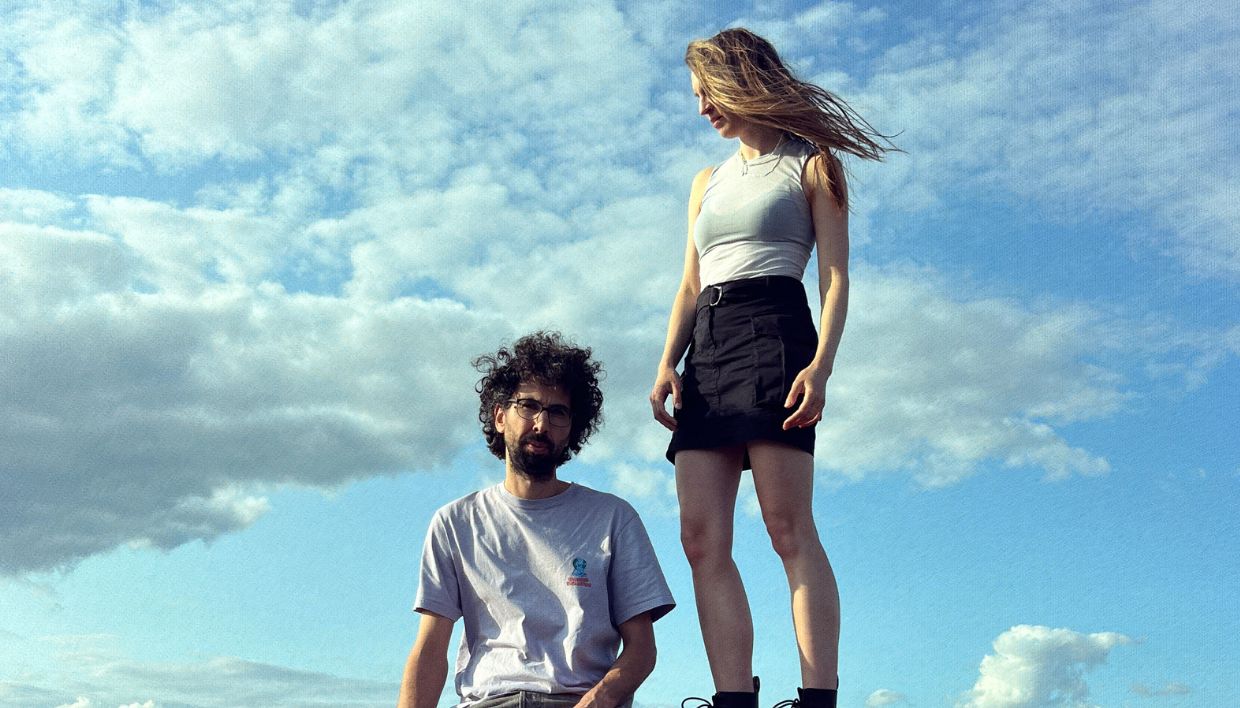
The partnership between Stefan and Thea did not emerge overnight; rather, it represents the formalization of a long-standing creative synergy. Before establishing Calcou as a duo, the pair worked alongside one another informally for an extended period, allowing them to identify and cultivate their respective strengths organically. Within their current division of labor, Stefan primarily steers the composition and foundational electronic production, while Thea drives the topline vocal delivery and lyrical songwriting.
When working independently within their respective digital audio workstations (DAWs), Thea frequently generates and transmits isolated audio stems to Stefan, initiating a iterative cycle of feedback and refinement. This collaborative ping-pong effect prevents creative stagnation and ensures that the final output maintains a distinct equilibrium between both artists’ musical sensibilities. Rather than resulting in stylistic friction, this division of labor has fostered a streamlined workflow where arrangements are scrutinized, stripped of excess, and polished only when a mutual emotional resonance is achieved.
Instrumental Architecture and the Role of Native Instruments

A defining characteristic of Now, What? is its deliberate rejection of over-produced polish in favor of raw, direct sonic foundations. Tracks such as "Closer" and "Green Hills" exemplify this approach, showcasing a tension between natural warmth and precise electronic rhythm. Central to achieving this acoustic clarity is the duo’s heavy reliance on software instruments developed by Native Instruments, specifically Reaktor, Monark, and Super 8.
In contemporary music production, software virtual studio technology (VST) instruments frequently employ expansive, pre-baked reverbs, delays, and complex atmospheric layers that can mask weak compositional frameworks. Stefan notes that these stylistic enhancements often create a false sense of completion during the initial demo phase, leading producers to realize too late that a track lacks a genuine core. To circumvent this pitfall, Calcou utilizes Reaktor and Monark for their effect-light presets and structurally sound architectures. By starting with simpler patches—such as a foundational two- or three-note harmony on Super 8—the duo ensures that every composition is robust enough to stand on its own before any sound design or complex mixing takes place.
Furthermore, the duo frequently incorporates Reaktor Blocks as an unpredictable catalyst for sound design. By engaging with modular routing systems that retain an element of deliberate unpredictability, Stefan and Thea manipulate presets until they break into entirely new sonic territory. This methodology aligns with broader trends in electronic music production, where artists increasingly seek to reintroduce human error and hardware-like stochastic behavior into sterile digital environments.

Translating Studio Complexity to the Live Stage
Transitioning a studio sound featuring upwards of 100 tracks per song into a stable, compelling live performance presents a significant logistical challenge for electronic acts. For Calcou, the solution lies in a hybrid configuration combining pre-programmed Reaktor patches with a customized Ableton Live performance framework that triggers corresponding effect chains in real time.
However, the duo maintains a strict performance philosophy regarding live manipulation versus pre-sequenced playback: if an audience cannot physically perceive a physical adjustment on stage, it should not be faked. This principle guards against the performative illusion of twisting numerous knobs for minor studio automations that are imperceptible in a crowded venue. Real-time manipulation is therefore reserved strictly for instances where manual intervention delivers an undeniable, immediate auditory impact. Elements lacking this direct stage utility are pre-rendered as audio stems to eliminate potential MIDI routing failures and guarantee performance stability.

Broader Implications for Independent Electronic Duos
The trajectory of Calcou offers valuable insights into the mechanics of modern electronic music production and collaborative project management. As digital audio workstations become increasingly accessible, independent artists frequently encounter bottlenecks related to decision fatigue and endless micro-editing. Calcou’s structured milestones—such as dedicating specific sessions strictly to sound palettes, arrangements, or mixing phases—demonstrate an effective countermeasure to creative burnout.
Moreover, the duo’s success on platforms such as Anjunadeep highlights a growing market appetite for electronic music that merges club-ready rhythmic precision with narrative-driven songwriting and organic vocal textures. By prioritizing early structural clarity, maintaining distinct role definitions, and embracing the imperfect human fingerprints within their audio takes, Calcou has established a sustainable blueprint for modern electronic collaboration. Now, What? stands not merely as a collection of tracks, but as a methodological case study in how technological discipline and creative instinct can successfully coexist.