Sulaimani: A Culinary Bridge Between Diaspora and Memory in the Race for the 2027 Oscars

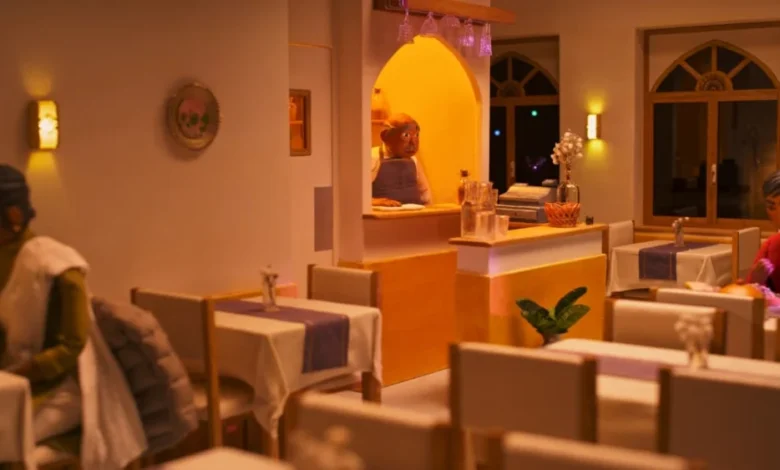
The landscape of independent animation is currently witnessing a profound exploration of the immigrant experience through Vinnie Ann Bose’s short film, Sulaimani. As the global animation community turns its gaze toward the 99th Academy Awards, this French-produced short has emerged as a significant contender in the Best Animated Short Film category. Produced by Girelle Production and Les Astronautes, the film serves as a poignant meditation on the intersection of identity, displacement, and the visceral nature of nostalgia. Having secured its qualification through a prestigious trajectory—including the Best Short Film award at the 2025 Manchester Animation Festival and the animation jury award at the 2026 Aspen Shortsfest—Sulaimani stands as a testament to the power of hybrid storytelling techniques.
The Genesis of a Personal Narrative
At its core, Sulaimani is a story about two women from Kerala who find themselves in an Indian restaurant in Paris. The film functions as a sensory bridge; the familiar scents of spices and the distinct sounds of their native tongue serve as catalysts, prompting a journey into their personal histories. The protagonists, while sharing a common origin, represent different facets of the diaspora experience, with their motivations for migration and their subsequent relationships with their homeland diverging in complex ways.
For director Vinnie Ann Bose, the film is deeply autobiographical. Having relocated from Kerala to France in 2016 for her studies, Bose began drafting the screenplay in 2018. During this formative period, the director found that food served as the primary tether to her roots. The film’s title, Sulaimani—a spiced black tea popular in the Malabar region of Kerala—symbolizes this connection. "It began with a simple craving for a Kerala restaurant in France," Bose noted in an interview regarding the project’s inception. This initial, modest desire evolved into an existential inquiry into how one balances the comfort of the past with the demands of a new, adopted identity in Europe.
Chronology of Production and Recognition
The development of Sulaimani followed a rigorous multi-year production cycle, characteristic of high-end independent stop-motion projects. Following the writing phase in 2018, the project moved through development, financing, and the technical challenges of blending two distinct animation styles.
The project’s critical success began to manifest in 2025, a year that solidified its status on the festival circuit. Its win at the Manchester Animation Festival provided the first major signal of its Oscar eligibility. This momentum continued into 2026 with the win at the Aspen Shortsfest, further validating the artistic merit of the film’s unique technical approach. By the time the film reached the 2027 awards season, it had established a reputation for emotional resonance and technical sophistication, marking a significant milestone for Bose in her first professional directing role.
Technical Duality: Stop-Motion and 2D Integration
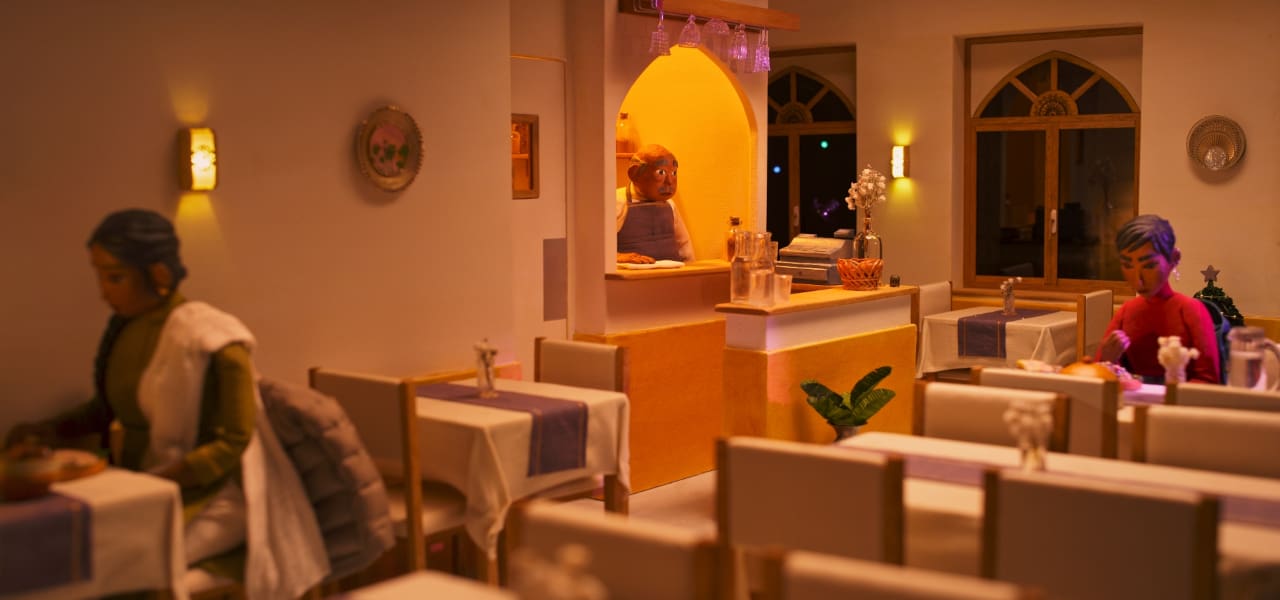
One of the most compelling aspects of Sulaimani is its deliberate use of two distinct visual languages to delineate the passage of time and the shift between reality and memory. Bose’s directorial choice to employ stop-motion for the present-day narrative creates a sense of tactile reality. The physical nature of the puppets, the lighting of the restaurant set, and the tangible weight of the objects on screen anchor the viewer in the current moment.
Conversely, the sequences depicting the characters’ memories are rendered in hand-painted 2D animation. This stylistic departure is intentional; as Bose explains, memories are inherently subjective and filtered through the lens of emotion rather than objective fact. The 2D animation allows for a degree of fluidity, color exaggeration, and imperfection that mirrors the way the human mind reconstructs the past. The technical challenge of ensuring the character designs remained consistent across these two disparate mediums required extensive pre-production planning and a high degree of collaboration with the artistic team at Les Astronautes.

The Challenges of Miniature Gastronomy
A central narrative device in the film is the preparation and consumption of food. Bringing these elements to life in a stop-motion environment presented a unique set of technical hurdles. To make the food appear appetizing rather than artificial, the production team had to engage in significant experimentation with materials.
The team utilized a variety of unconventional substances to mimic culinary textures:
- Boiling Water: Created using hair gel combined with tiny decorative pearls.
- Pouring Liquids: Simulated through the strategic use of plastic wrap to capture the fluid motion of tea.
- Bread/Porottas: Crafted from intricate papier-mâché to achieve the correct flake and texture.
- Curries: Enhanced with glycerin to provide the necessary sheen and visual appeal associated with rich sauces.
These efforts reflect the broader trend in contemporary animation where physical, handcrafted elements are used to evoke a sense of authenticity that digital processes often struggle to replicate.
Implications for the Diaspora Narrative in Animation
The success of Sulaimani fits into a larger, encouraging trend within the animation industry: the rise of films that tackle the complexities of the diaspora experience without resorting to broad tropes. By focusing on the specificities of the Keralite experience, Bose provides a universal reflection on what it means to belong to two worlds simultaneously.
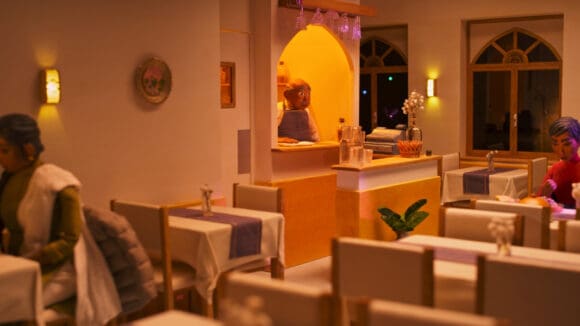
The film’s implications for the industry are two-fold. First, it demonstrates that independent, director-driven projects utilizing traditional techniques like stop-motion remain highly competitive in the awards landscape, even against larger, studio-backed digital productions. Second, it highlights the increasing importance of cultural specificity in global cinema. Audiences are demonstrating a clear appetite for stories that provide authentic, lived-in perspectives on migration and the psychological impact of living between cultures.
Industry Reception and Future Outlook
As the 2027 Oscars approach, the conversation surrounding Sulaimani has largely centered on its emotional honesty. Industry analysts note that the film’s strength lies in its "right distance"—the ability to frame personal trauma and nostalgia in a way that is accessible to a global audience without losing the intimacy of the original story.
The process of directing this film proved to be a transformative experience for Bose. Beyond the technical mastery of leading a team, she highlights the internal process of refining the script as the most arduous aspect of the project. Navigating the "emotional roller coaster" of translating personal memories into a coherent cinematic narrative was, according to the director, the most difficult hurdle, yet it ultimately provided the clarity required to execute the final vision.
As the film continues its festival run and heads toward the Academy Award voting period, it stands as a prime example of how short-form animation can effectively tackle complex sociological themes. Whether or not it takes home the statue, Sulaimani has already secured its place as a significant piece of contemporary animation, contributing to a vital dialogue about how we preserve our identities in an increasingly mobile world. The film serves as a poignant reminder that while we may leave our homes, the flavors, sounds, and memories of those places remain, forever shaping the way we see the world and our place within it.