The Era of Visual Uncertainty: Navigating the Surge of AI-Generated Misinformation in the Digital Age

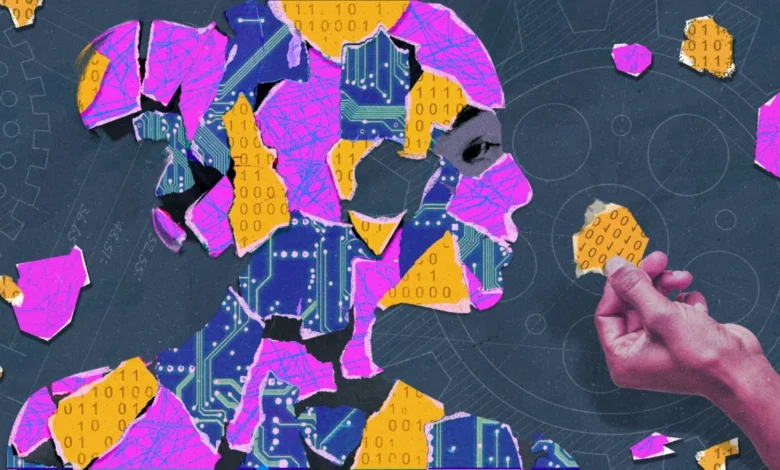
The proliferation of generative artificial intelligence has fundamentally altered the landscape of digital media, rendering traditional methods of content verification increasingly obsolete. Where once the detection of a manipulated image relied on identifying subtle anomalies—such as inconsistent lighting, distorted limbs, or "uncanny valley" facial features—the rapid advancement of AI models has largely eliminated these visual "tells." As synthetic media becomes indistinguishable from reality, the burden of truth has shifted from algorithmic detection to critical human analysis.
Recent high-profile incidents highlight the stakes of this evolution. While authentic photographs, such as those documenting political figures in unexpected settings, continue to circulate, they are increasingly interspersed with hyper-realistic fabrications. The consequences are not merely academic; they impact political discourse, market stability, and public trust in objective reality. As deepfake technology becomes more accessible to bad actors, the digital ecosystem faces an unprecedented challenge in distinguishing between genuine news and sophisticated hoaxes.
The Erosion of the Visual Turing Test
For years, cybersecurity professionals and digital literacy advocates relied on the "visual Turing test"—a heuristic approach where viewers would scrutinize images for the tell-tale signs of algorithmic generation. However, the shelf life of these diagnostic techniques has effectively expired. According to Marijus Briedis, Chief Technology Officer at NordVPN, the speed at which generative models are patched to correct visual artifacts renders manual detection guides nearly useless within a year of their publication.
This technological arms race is occurring against a backdrop of rising financial and social costs. Data from the Consumer Federation of America indicates that digital scams and fraud schemes—many of which now leverage AI-generated personas or synthetic voice clones—resulted in losses exceeding $148 billion in 2025. This figure represents a 25 percent year-over-year increase, signaling that the malicious application of AI is outpacing current defensive infrastructure.
A Chronology of Digital Manipulation
The integration of synthetic media into the news cycle follows a clear, albeit troubling, trajectory. In the early stages of generative AI, manipulations were often rudimentary, characterized by obvious errors that allowed fact-checkers to debunk them quickly. By 2024, however, the sophistication of these tools reached a threshold where human perception was no longer a reliable gatekeeper.
The timeline of these incidents reveals a pattern:
- Early 2024: The focus remains on identifying "glitches" in generated imagery, such as extra fingers or blurred backgrounds.
- Late 2024 to Early 2025: High-quality deepfakes emerge, targeting political figures and corporate entities. Public awareness campaigns begin to shift focus from "spotting the fake" to "verifying the source."
- Late 2025: The widespread adoption of AI-powered search features, including those integrated into major search engines, inadvertently contributes to the spread of misinformation by aggregating and validating unverified or synthetic content.
The Shift Toward Source Verification
Given that visual inspection is no longer a failsafe, experts are calling for a systemic move toward source-based verification. Instead of analyzing pixels, researchers at organizations like NewsGuard and various cybersecurity firms emphasize the importance of provenance.
Roei Sherman, senior director of research at the cloud security firm Mitiga, warns that short, context-free clips are the primary vehicle for modern manipulation. "Every detection tip we publish eventually becomes a line in someone’s prompt," Sherman noted, emphasizing that generative models are being trained to overcome the very artifacts that experts once taught the public to look for.
The reliance on traditional search engines to perform this verification is also being complicated by the rise of AI-generated summaries. Sofia Rubinson, a senior editor at NewsGuard, observes that AI-powered search tools can sometimes misattribute synthetic imagery to real events, effectively laundering a hoax through an authoritative-looking interface. Consequently, users are encouraged to seek out primary sources, such as official transcripts, full-length video archives, or coverage from multiple, independent, and verified news organizations.
The Logic and Emotion Test: A Psychological Defense
In the absence of a reliable technical "truth button," experts recommend a two-pronged cognitive approach: logical assessment and emotional regulation.
The logic test requires users to interrogate the plausibility of the content. If a video depicts a public figure or a brand engaging in an action that deviates from their known behavior or established public persona, the likelihood of it being a fabrication increases significantly. Furthermore, observers should look for corroborating evidence. A single viral clip of a "controversial" event should not be accepted as truth until it is supported by multiple, disparate sources.
Equally important is the monitoring of one’s emotional state. "Ragebait" is a primary strategy for the creators of misinformation. If a piece of content is specifically designed to provoke a visceral, immediate emotional response—such as intense anger, shock, or fear—it is often a sign that the content was crafted to bypass critical thinking. By recognizing these emotional triggers, users can create the mental space necessary to pause, verify, and ultimately refrain from sharing potentially harmful content.
The Role of Regulatory and Institutional Oversight
As the threat of AI-driven misinformation intensifies, the role of institutional oversight has become a focal point of debate. With federal-level regulations in the United States currently lagging behind the rapid pace of technological development, several states have begun to implement their own legislative frameworks aimed at curbing the use of non-consensual deepfakes and AI-generated political advertisements.
Simultaneously, the technology industry is exploring content provenance standards, such as digital watermarking and cryptographic signing of media. These initiatives aim to attach a "digital nutrition label" to images and videos, allowing users to trace the history and authenticity of the media they encounter. While these solutions are promising, they are not yet universal, leaving a significant gap in the digital landscape.
Implications for the Future of Public Discourse
The broader implications of this "post-truth" digital environment are profound. When a significant segment of the population loses the ability to agree on a shared set of facts, the foundations of democratic discourse are weakened. The danger is not merely that people will believe falsehoods, but that they will eventually stop believing in the possibility of truth altogether—a state of cynicism that is arguably more dangerous to a functioning society.
Organizations such as McAfee, NewsGuard, and the various developers of deepfake detection tools are currently working to bridge this gap. However, they are the first to admit that no tool provides a 100 percent guarantee of accuracy. The final line of defense remains the individual user.
In this new reality, digital literacy is no longer a peripheral skill but a fundamental requirement for citizenship. The ability to pause, verify the source, consider the intent of the content, and resist the urge to react to emotionally charged material is the only effective defense against the tide of synthetic information. As Briedis suggests, while technology can aid in flagging suspicious content, the ultimate responsibility for determining what is shared and believed lies with the human observer.
In an era where technology can replicate the likeness of reality with near-perfect fidelity, the most effective tool in the arsenal of truth is a healthy, informed, and deliberate skepticism. Moving forward, the goal must be to cultivate a digital culture where the verification of information is as habitual as the consumption of it, ensuring that truth retains its value in an increasingly artificial world.
Related posts: