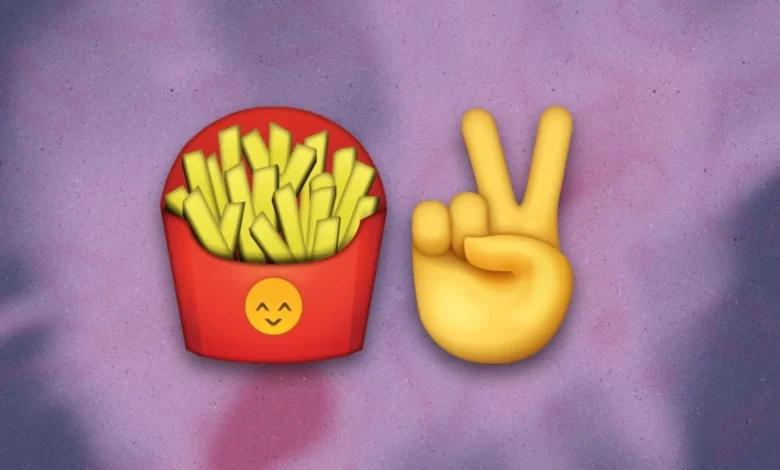
If you have spent any time in the comment sections of TikTok or Instagram Reels recently, you may have noticed a curious trend: the proliferation of the French fries emoji (🍟), frequently accompanied by a peace sign (✌️). While a casual observer might interpret this as a craving for fast food or a lighthearted acknowledgement of a meal, the digital reality is far more pointed. For the cohorts comprising Generation Alpha—the demographic born roughly between 2010 and 2025—these symbols have been repurposed as a shorthand for dismissal, signaling that a creator is being "cringe," "corny," or is simply talking far too much.
This development marks the latest milestone in the rapid evolution of internet vernacular, where complex sentiments are distilled into single characters. By reducing the frustration of a long-winded or socially awkward digital interaction to a simple graphic, Gen Alpha has created an efficient, albeit cutting, method of social regulation. To understand why a picture of a carton of fries has become an effective weapon in the arsenal of modern internet slang, one must look at the intersection of meme culture, economic anxiety, and the relentless speed of digital communication.
The Genesis of the Meme: A Chronology
The transition from a food item to a cultural put-down did not happen overnight. The roots of this phenomenon lie in the viral phrase, "just put the fries in the bag, bro."
The trajectory of this meme follows a clear timeline of escalation:
- 2022: The precursor to the trend begins to circulate on Facebook and early Twitter. The original iteration, "just put the ketchup in the bag, bro," emerges as a sarcastic retort to people who were perceived as oversharing or acting as if they were intellectually superior.
- 2024: The phrase undergoes a semantic shift. On TikTok, the "fries" variation gains massive traction. It is primarily used to shut down individuals who appear to be performing or providing unsolicited opinions, effectively telling them that their contribution is unnecessary and that they should return to a menial, hypothetical service role.
- 2025-2026: As the meme reaches cultural saturation, the need for efficiency takes over. Users stop typing the full sentence. The emoji 🍟 becomes a synecdoche for the entire phrase, eventually being paired with ✌️ to signify a final, dismissive "wrap it up."
By the latter half of 2026, the use of these emojis has become so pervasive that it no longer requires the context of the full sentence. For a generation raised on the rapid-fire visual communication of platforms like Snapchat and TikTok, the emoji acts as a high-context signal that is immediately understood by their peers, while potentially flying over the heads of older observers.

Data and Behavioral Context
The shift toward emoji-based insults is supported by broader data trends regarding how younger generations interact with digital media. According to digital behavior analytics, the average attention span on short-form video platforms is approximately 8 to 12 seconds. In an environment where the "scroll" is constant and the window to capture interest is microscopic, communicative brevity is at a premium.
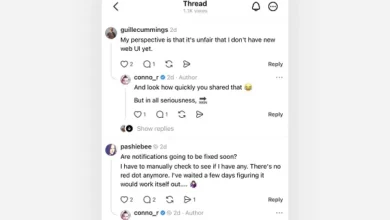
Research into internet linguistic patterns suggests that as digital platforms age, the language used upon them tends to compress. "Emoji-only" responses have become a hallmark of Gen Alpha discourse because they bypass the need for character-based arguments. When a user posts a video deemed "cringe" or "try-hard," the flood of 🍟 emojis acts as a form of decentralized peer policing. It is not an argument; it is a verdict. If a comment section is filled with these symbols, the original poster is effectively socially signaled that they have lost the room.
Socio-Economic Implications of the "Fries" Trope
While the trend is often dismissed as harmless internet humor, sociologists and digital culture analysts have pointed to the more complex, and occasionally uncomfortable, implications of the phrase. The "put the fries in the bag" meme is inherently rooted in class-based disparagement.
The humor relies on the assumption that service work—specifically in the fast-food industry—is a state of being that one should be embarrassed to occupy, or that it is a position of low status that should be used to humble someone who is "acting out of turn." By telling a creator to "put the fries in the bag," the user is asserting a hierarchy. They are effectively telling the subject that their voice is only valuable when they are performing a service, and that any opinion they hold outside of that framework is irrelevant.
This reflects a broader trend in digital bullying where class signifiers are weaponized to silence dissent or perceived pretension. Even though Gen Alpha users may utilize the emoji without a conscious intent to disparage service workers, the etymological roots of the insult perpetuate a culture that treats the service sector as the punchline of a joke. As the phrase becomes further detached from its literal origins, this underlying class-based sentiment becomes normalized as a standard form of digital dismissal.
The Evolution of Digital Conflict
The use of the 🍟✌️ combination represents a shift from "flaming"—the practice of writing long, aggressive replies—to "signaling." In the early days of the internet, if someone disagreed with a post, they would engage in a textual debate. Today, the goal is not to debate, but to discredit.

By using an emoji that ostensibly relates to a mundane object, the sender achieves two goals: they signal their own "in-the-know" status to their peer group, and they reduce the target to a stereotype. It is a highly effective way of ensuring that the victim of the insult cannot easily respond. How does one argue against an emoji? If a creator attempts to defend themselves against a comment saying "you’re annoying," they look defensive. If they attempt to defend themselves against a 🍟, they look confused or out of touch with current slang.
Official Responses and Creator Adaptation
While no major social media platform has issued an official policy regarding the use of these emojis as insults, the trend has forced creators to adapt. Many influencers and content creators have had to learn the "lexicon of the youth" to avoid being targeted by the very audience they are trying to capture.
Some creators have attempted to lean into the trend, using the emojis themselves to signal that they are "in on the joke" regarding their own content. This is a common strategy in the creator economy: when a term or symbol is used to mock you, adopting it can defuse the sting. However, for most, the presence of the fries emoji remains a clear indicator that their content has crossed the threshold from "engaging" to "embarrassing" in the eyes of their viewers.
Broader Cultural Impact
The transformation of the French fries emoji is a testament to the fluidity of semiotics in the 21st century. It demonstrates that language is no longer the primary driver of culture; symbols are. The ability for a generation to collectively assign a new, derogatory meaning to a universal Unicode character in a matter of months highlights the power of decentralized digital communities.
As we look toward the future of digital discourse, the "fries" phenomenon serves as a case study for how quickly norms shift. What was a harmless fast-food icon in 2020 has, by 2026, become a shorthand for social rejection. It is a reminder that in the digital age, nothing is static. Every icon, every phrase, and every platform is subject to the whims of a generation that values brevity, irony, and the ability to define their own social boundaries through the screen.
For the average user, the takeaway is simple: if you find yourself on the receiving end of a barrage of 🍟 and ✌️, the internet has decided that your moment in the spotlight has concluded. Whether you choose to acknowledge the insult or ignore it, the message is clear—the conversation has ended, and the audience has already moved on to the next trend. As digital culture continues to accelerate, the gap between those who understand the nuance of these symbols and those who are baffled by them will only widen, further cementing the generational divide in how we communicate, judge, and interact in the virtual space.