Boss Katana-25 Review: Striking the Balance Between Desktop Simplicity and Floor-Amp Power

The modern landscape of guitar amplification has undergone a seismic shift over the past decade. Traditional, heavy-tube stacks designed exclusively for arena stages and loud rehearsal spaces have increasingly taken a backseat to versatile, compact digital modelers built for the modern bedroom player. Guitarists today demand professional-grade tone control, low-volume playability for apartment living, and seamless integration with smart devices and recording software. Into this competitive ecosystem steps the Boss Katana-25, positioned strategically between the ultra-portable desktop amplifier and the gig-ready floor model. Developed by a brand synonymous with guitar innovation and stompbox excellence, the Katana-25 aims to capture the hearts and ears of beginner guitarists and bedroom practice enthusiasts alike, bridging the gap between physical hardware and app-based convenience.
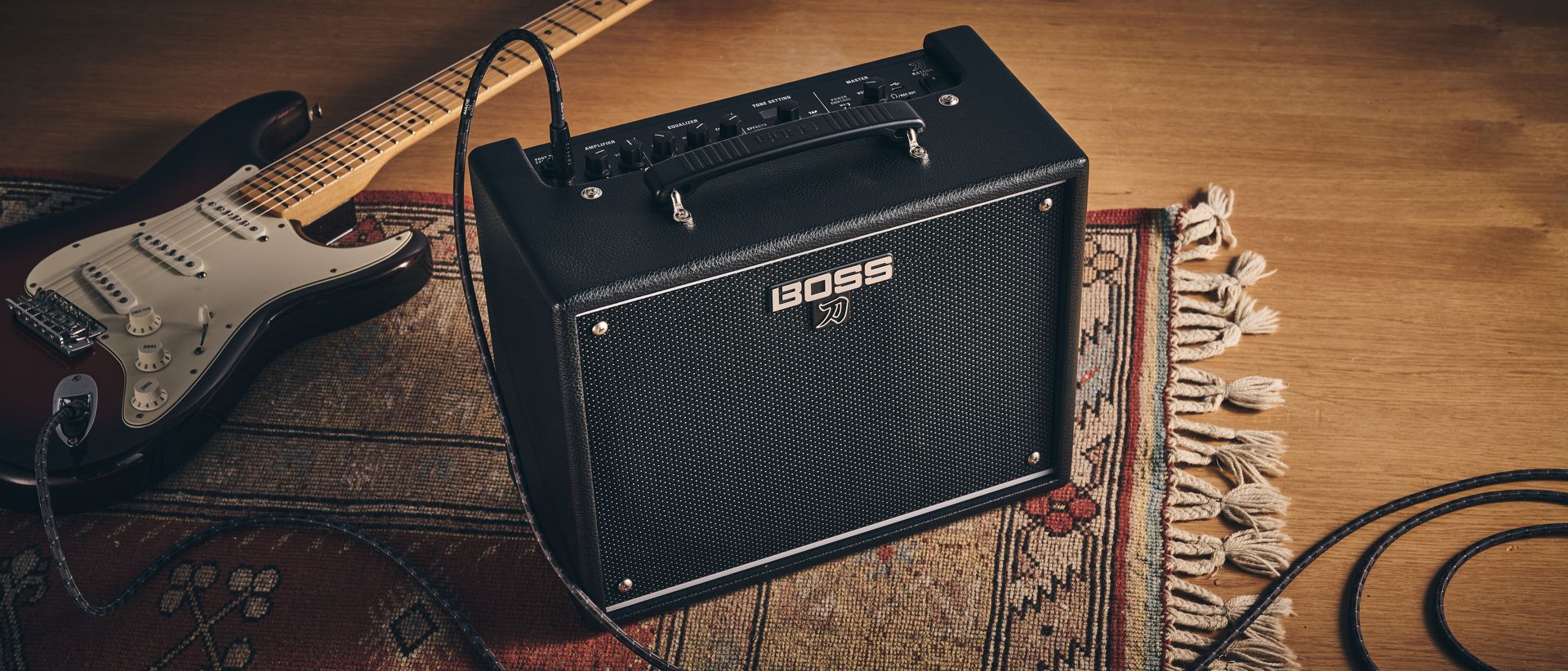
Design, Architecture, and Build Quality
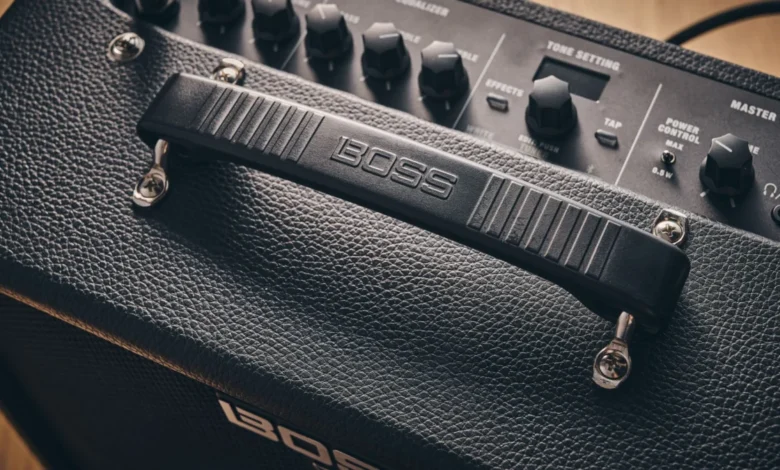
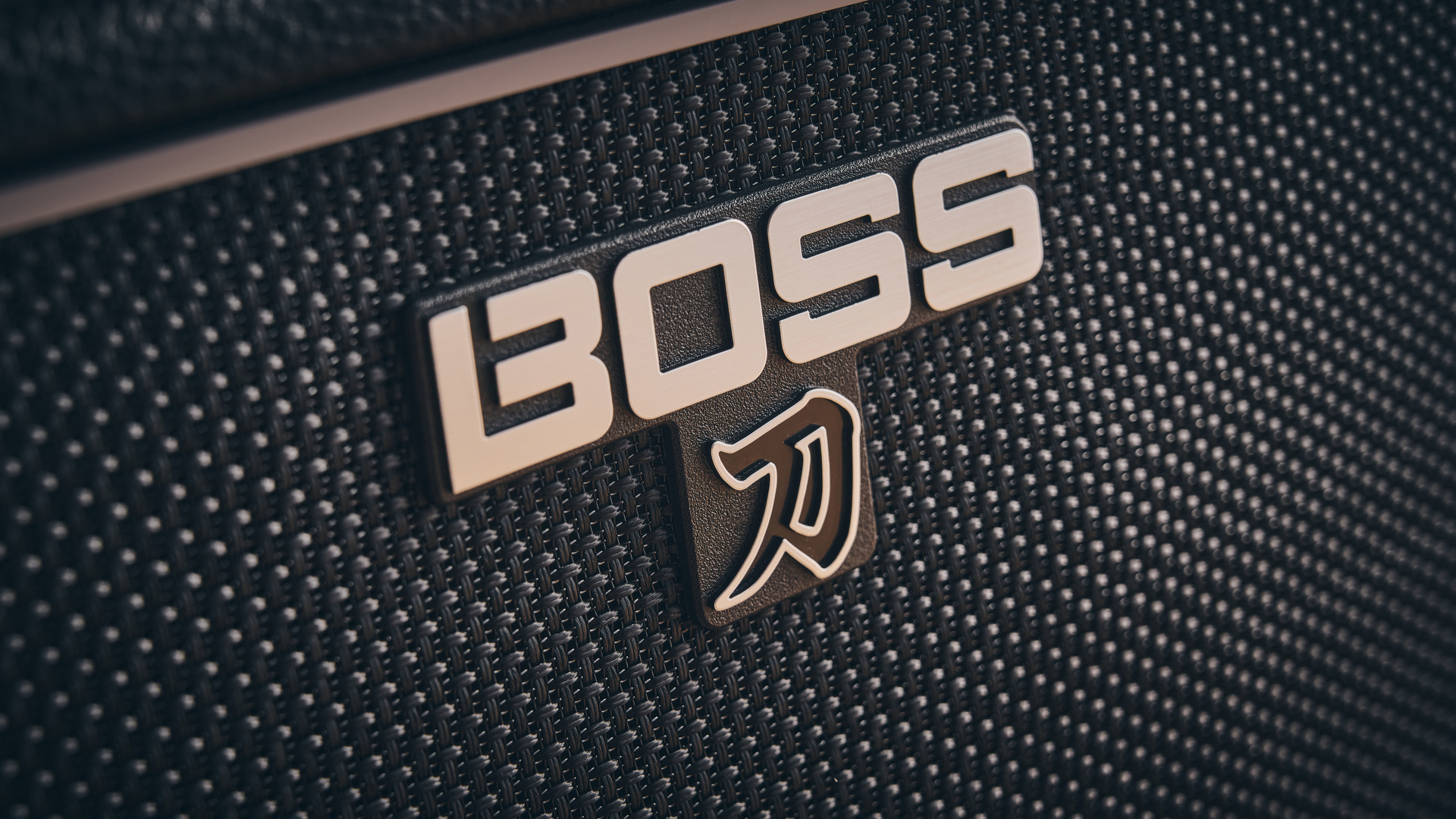
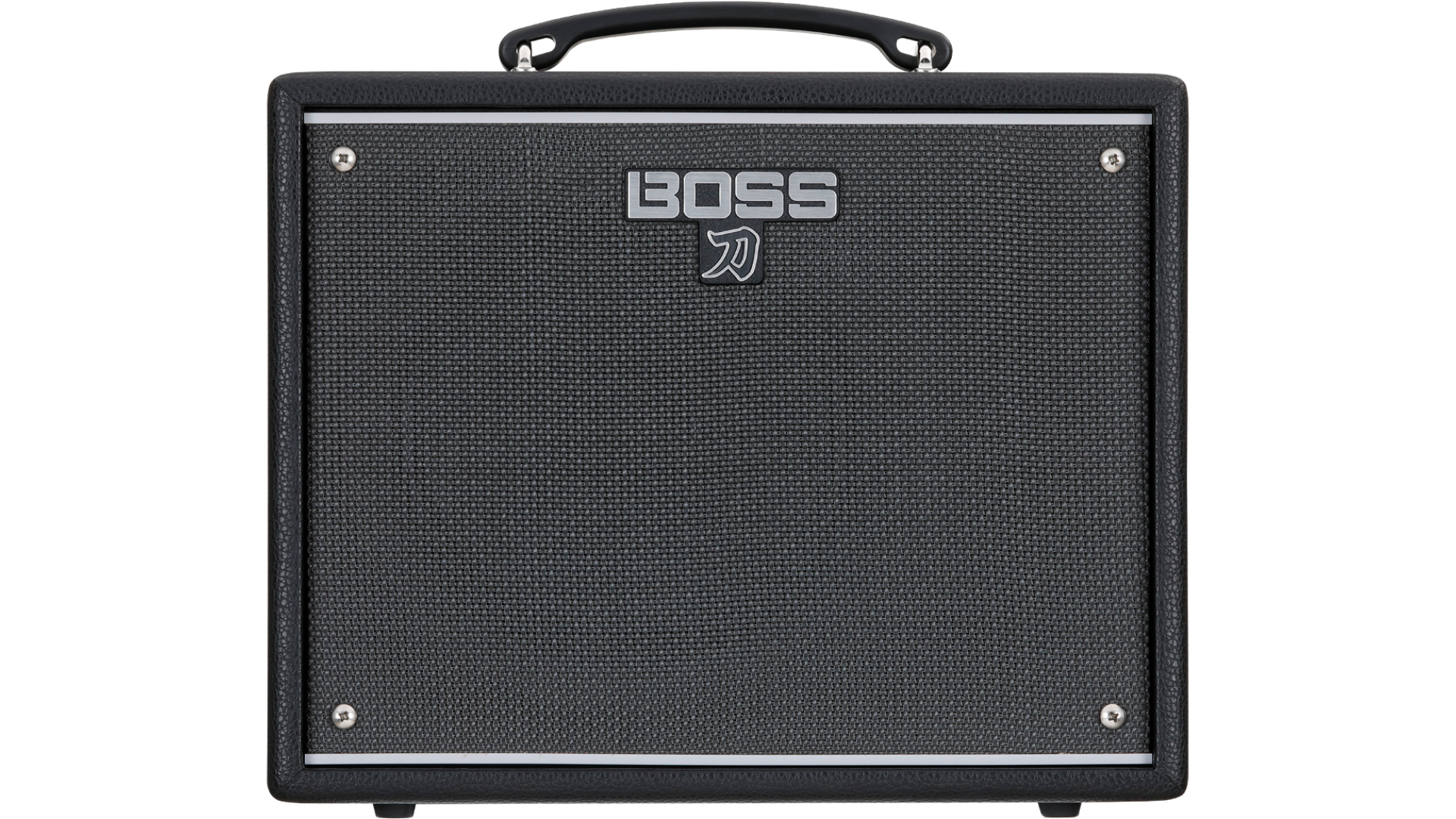
At first glance, the Boss Katana-25 immediately identifies itself as a proud member of the celebrated Katana family. Encased in a durable, open-back vinyl-covered cabinet complete with the trademark silver piping and four prominent chrome grille screws, the amplifier projects an aesthetic that is both classic and robust. Weighing in as a remarkably lightweight one-handed lift, the chassis is compact enough to fit snugly in smaller practice spaces without dominating the room, though it sits just outside the footprint of a traditional desktop unit.
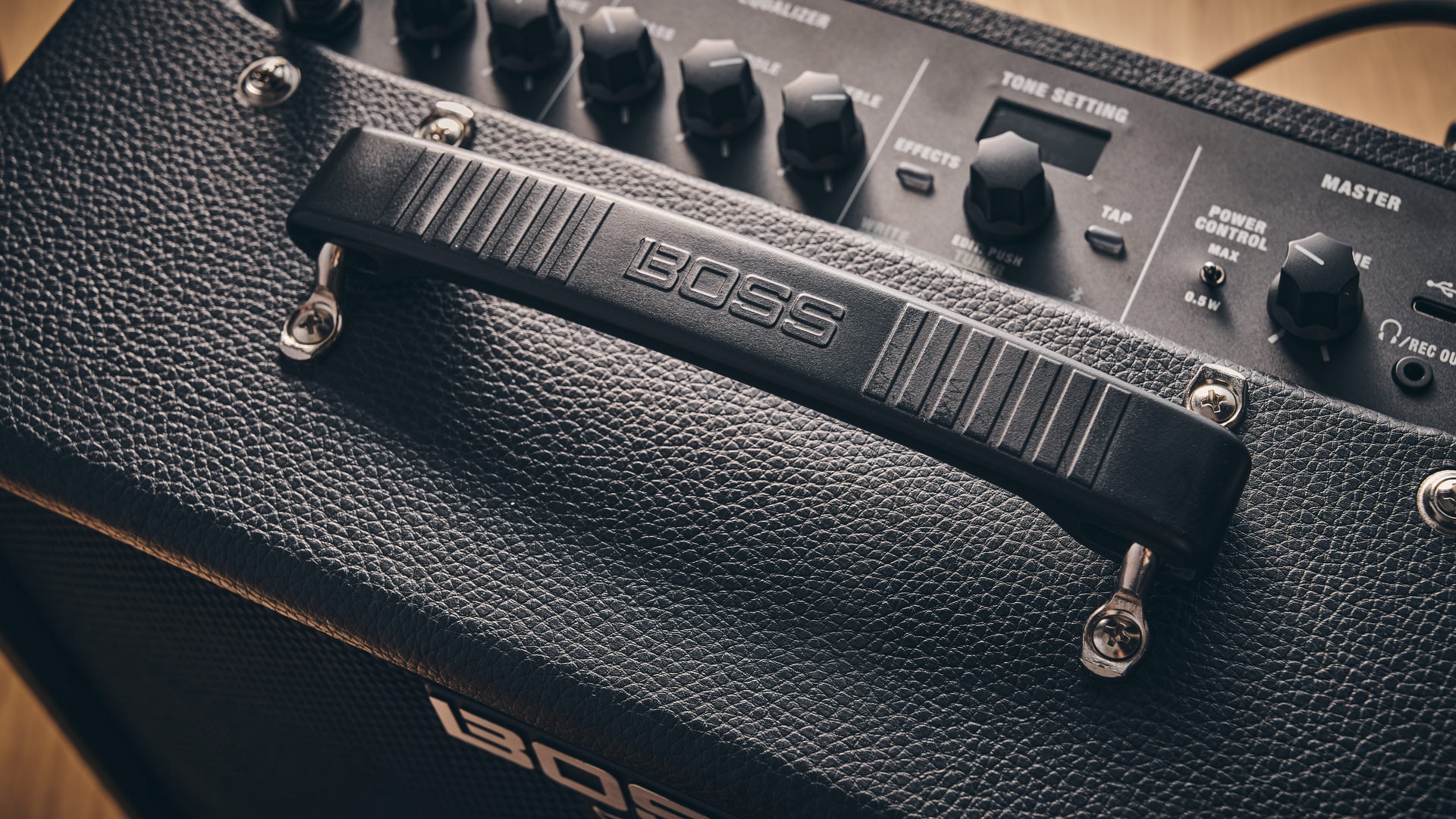
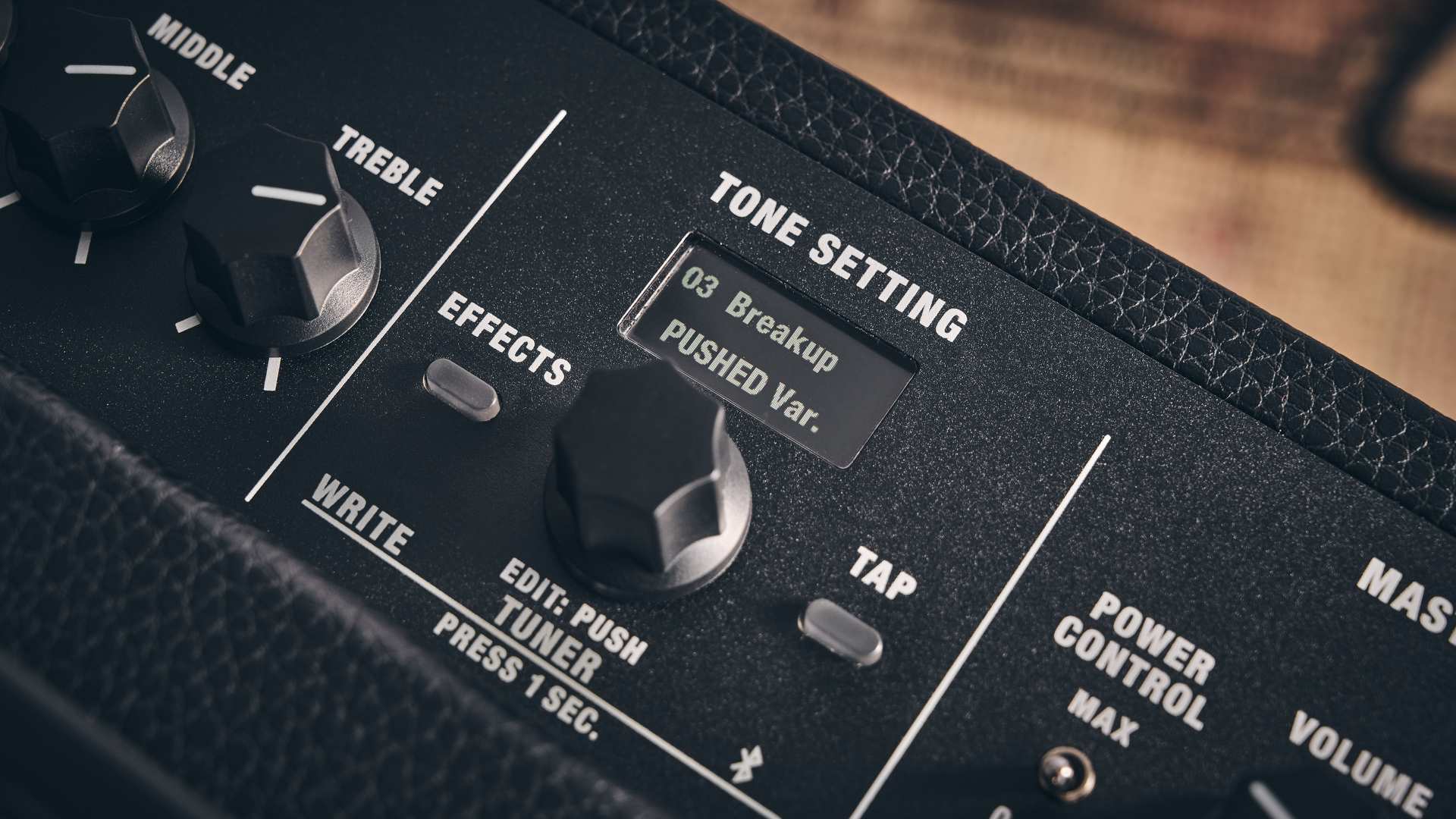
The top control panel features a thoughtfully streamlined layout compared to its larger siblings, such as the Katana-50. On the left-hand side, musicians will find standard physical knobs for gain, volume, bass, middle, and treble. These are complemented by a central tone-setting encoder with an integrated push-button function, flanked by dedicated effect switches and a tap tempo button. A master volume knob and a power control switch—allowing players to toggle between full 25W power and a bedroom-friendly 0.5W mode—round out the physical interface.
Connectivity options are clean and functional, featuring a single standard 1/4-inch guitar input, a 1/4-inch jack for an optional expression pedal or footswitch, a 1/8-inch headphone and recording output, and a modern USB-C port for direct computer integration. Notably, unlike larger units in the Katana series that require an external USB Bluetooth adapter, the Katana-25 features native Bluetooth connectivity right out of the box, allowing for immediate wireless pairing with mobile devices for audio streaming and tone editing.
Usability, Hardware Limitations, and the Companion App
While the physical build quality earns high marks for durability and portability, the day-to-day usability of the Katana-25 reveals a distinct design philosophy that heavily favors digital integration. Operating the amplifier purely from its top-mounted panel can present ergonomic challenges depending on placement. Positioned on a desktop, the unit is often too elevated to comfortably view the recessed control knobs; placed on the floor, players are forced to frequently bend down to adjust settings or cycle through presets, and the downward-projecting speaker requires higher volume levels to reach the player’s ears effectively.
Furthermore, the physical onboard screen is exceptionally minimalist, primarily reserved for displaying patch names and a basic tuner readout. Modifying parameters directly on the unit—such as removing an unwanted tremolo effect from a preset—requires scrolling an encoder all the way back to zero rather than utilizing a simple bypass switch. Additionally, the physical equalization and parameter knobs lack digital position indicators, making it difficult to precisely recall previous settings once a manual tweak has been made.
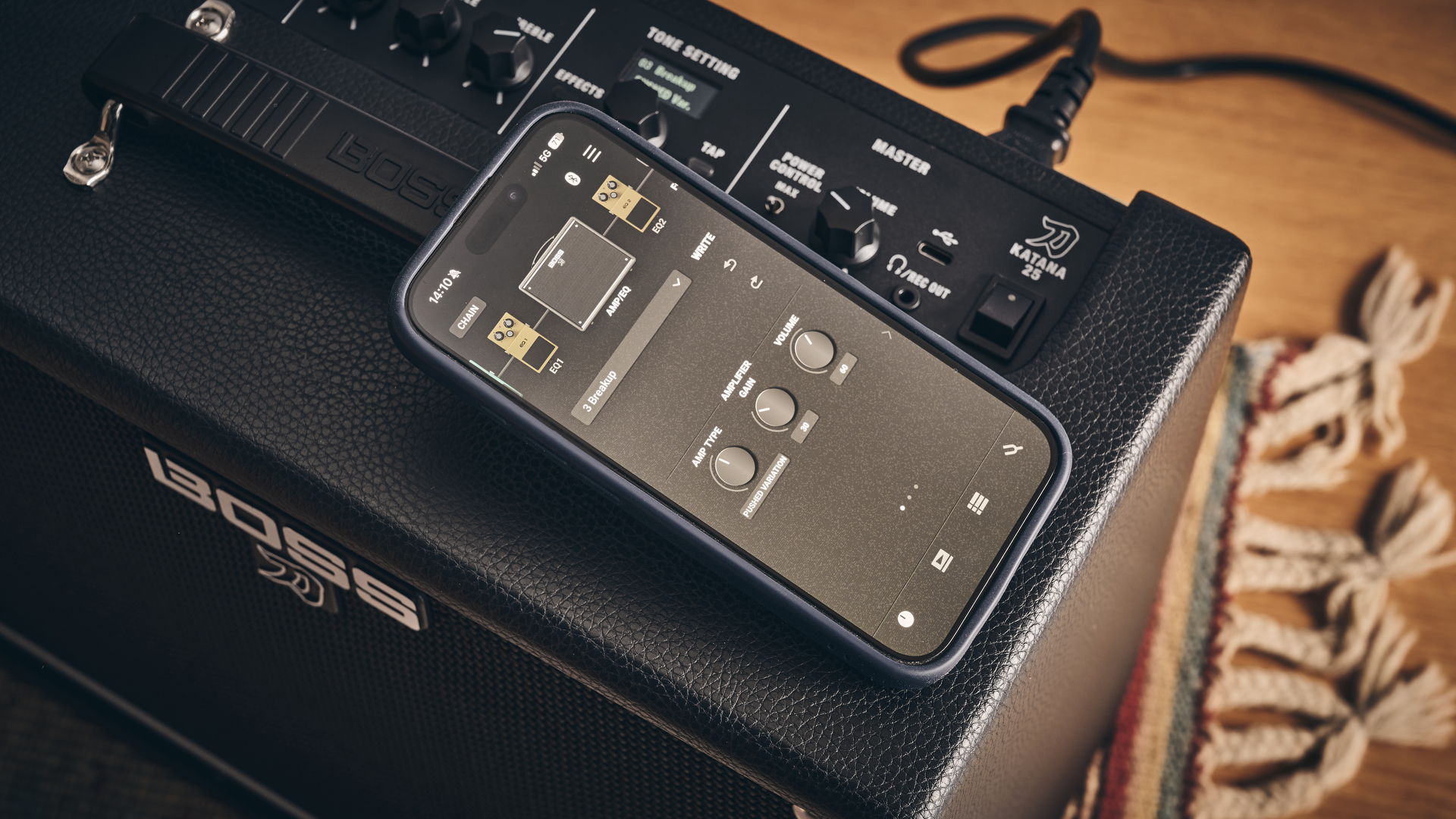
These minor physical hurdles evaporate, however, once the user engages with the redesigned Boss Tone Studio mobile application. Pairing the amplifier via Bluetooth to an iOS or Android device is virtually instantaneous. The updated app consolidates multiple Katana models into a single, streamlined interface where users can easily tap to connect, manipulate amplifier and effect blocks, and visually manage signal chains.
Beyond basic tone generation, the application introduces advanced utility features such as the Session function. This integration allows players to search and stream YouTube tutorial videos directly within the app, build organized practice libraries, and utilize Boss’s proprietary play-along tracks. These backing tracks feature synchronized tablature and automated patch-switching capabilities that dynamically alter the amplifier’s tone to match specific sections of a song. Combined with loop controls and variable playback speeds, the app transforms the Katana-25 from a standard practice amplifier into an interactive, comprehensive learning platform.
Acoustic Performance and Sonic Capabilities
Evaluating the sonic profile of the Katana-25 reveals why the underlying Boss modeling technology remains an industry standard. Tested extensively in its 0.5W mode with the master volume set to a modest halfway point, the amplifier produces sufficient output to balance against the natural acoustic attack of electric guitar strings without disturbing household members or neighbors.
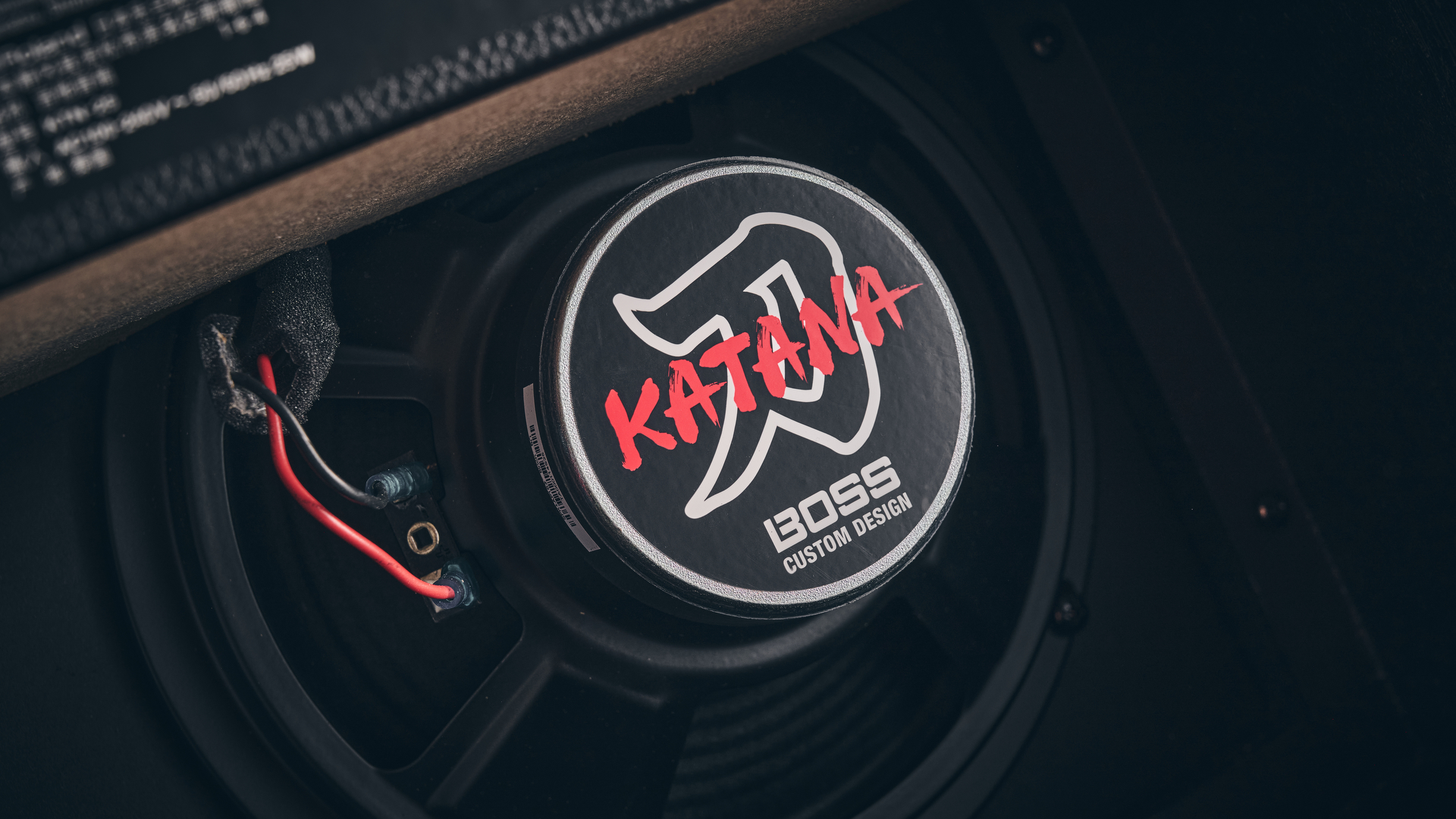
The core amplifier models mirror the high fidelity found in full-sized Katana units. The selection of six primary models, alongside their respective variations, effortlessly spans diverse musical genres. Metal guitarists will find considerable satisfaction in the legendary "Brown" channel, which delivers an assertive midrange punch and a remarkably tight low-end response despite the cabinet’s compact dimensions. Meanwhile, clean channels offer pristine articulation, and the "pushed" setting acts as a dynamic, touch-sensitive overdrive that remains articulate regardless of output volume. The "Texas" preset provides a rich, warm low-end character ideal for blues and classic rock styling.
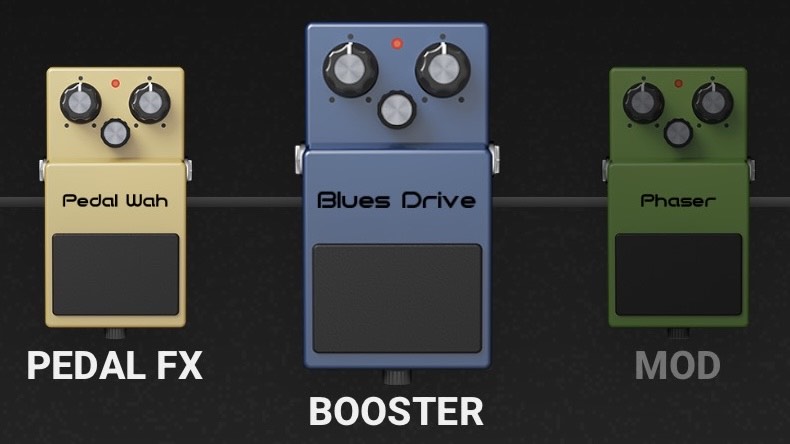
Boss’s historical mastery of time-based and modulation effects is fully evident here, though unlocking their true potential requires diving into the companion app’s deep editing suite. Reverbs, delays, and modulation algorithms sound remarkably lush, adding professional depth to the dry signal.
When pushed to its maximum 25W output setting with the volume cranked, the amplifier generates considerable volume capable of filling a large room. The voicing leans noticeably toward the brighter side—a deliberate design choice intended to maintain clarity and definition at lower practice volumes. While this means players may occasionally need to roll back the tone knob on brighter single-coil guitars, the open-back cabinet design successfully avoids the boxy acoustic resonance that frequently plagues smaller practice amplifiers. Surprisingly, even extended-range instruments like baritone guitars retain a respectable degree of low-end integrity when played through the unit.
Market Context, Alternatives, and Competitive Analysis
The release of the Boss Katana-25 occurs within a fiercely contested market segment dominated by smart, app-integrated practice solutions. Competitors such as the Positive Grid Spark series and Blackstar’s ID:Core lineup have heavily popularized the concept of feature-rich desktop practice tools that rely completely on mobile software.
For guitarists requiring a more traditional approach or expanded physical control without relying on a smartphone, alternatives like the Boss Katana-50 Gen 3 offer gig-ready output, deeper hands-on control panels, and power-amp-in flexibility for a modest price increase. Conversely, traditional solid-state options like the Orange Crush 20 provide straightforward, knob-per-function operation completely devoid of digital modeling or companion apps, appealing to players seeking a retro workflow.
Nevertheless, the Katana-25 carves out a distinct niche. It rejects the ultra-small footprint of desktop-exclusive speakers while stopping short of the weight and volume associated with stage amplifiers, offering an authentic "amplifier feel" paired with modern digital conveniences.
Final Analysis and Implications
The Boss Katana-25 represents a calculated evolutionary step for the world’s most popular modeling amplifier lineage. By stripping down the physical interface to maintain a lightweight, highly portable chassis, Boss has created a dedicated practice partner that prioritizes room-filling sound quality and modern app connectivity over traditional onboard tweaking.
While its heavy reliance on the Boss Tone Studio app and its treble-forward default voicing may not suit players who prefer a purely analog, distraction-free environment away from smartphones, the underlying acoustic performance is undeniable. Delivering professional-grade amp models, exceptional built-in effects, and robust learning tools within an accessible price bracket, the Katana-25 solidifies its position as an ideal developmental platform for beginner guitarists and bedroom musicians looking to elevate their daily practice routine.