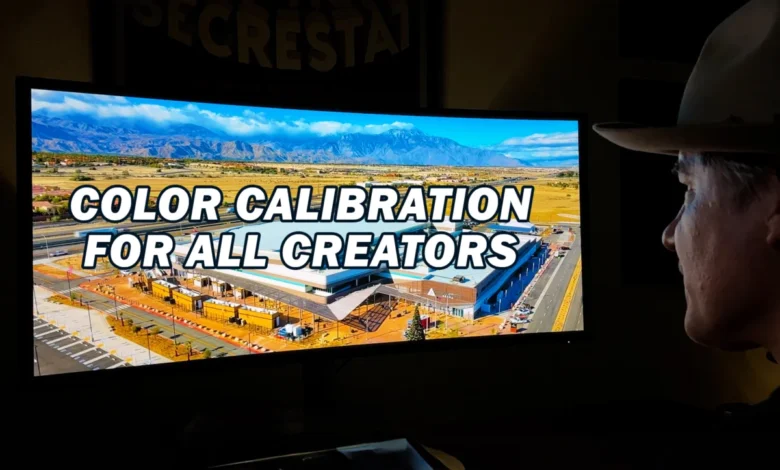
In the fast-paced and highly competitive world of modern digital media production, achieving consistent and accurate color representation across displays has transitioned from a specialized technical preference to an absolute operational necessity. Accomplished American Cinema Editors (ACE) member Vashi Nedomansky has officially launched a comprehensive three-part educational video series titled Color Calibration for All Creators. Designed to demystify the complex science of monitor calibration, the newly released initiative addresses the fundamental challenges creators face when ensuring that their visual output remains uniform across various viewing platforms. As digital content is increasingly consumed on a diverse array of devices—ranging from high-end theatrical screens to mobile smartphones—the demand for standardized color accuracy has never been more critical for filmmakers, photographers, graphic designers, and digital artists alike.
Background Context of the Digital Color Evolution
To understand the significance of Nedomansky’s educational initiative, one must examine the rapid evolution of digital post-production over the past two decades. The transition from physical celluloid film to digital sensors fundamentally altered how imagery is captured, manipulated, and delivered. In the early days of standard-definition digital video, color management was largely localized and unstandardized, often resulting in discrepancies between editing bays and final broadcast outputs.
With the advent of high-definition (HD), 4K, and now 8K resolution formats, coupled with the widespread adoption of High Dynamic Range (HDR) workflows, the margin for error has narrowed significantly. Creators working in commercial advertising, feature films, documentaries, and music videos must navigate a complex ecosystem of color gamuts and gamma curves. Without a rigorously calibrated display, creators risk producing work that appears radically different to clients and audiences depending on the viewing environment. Nedomansky’s new video series steps into this technical void, providing creators of all proficiency levels with a structured roadmap to achieving reliable, repeatable color accuracy in their daily pipelines.
The Four Pillars of Monitor Calibration
At the core of the first installment of the video series is a detailed exploration of why monitor calibration is non-negotiable for serious visual artists. Nedomansky outlines four primary reasons why creators must integrate calibration into their standard operating procedures:
First, visual consistency guarantees that the creative intent remains intact throughout the entire post-production pipeline. When multiple team members collaborate on a single project—ranging from the assistant editor to the final colorist—they must view identical imagery to make informed artistic choices. Second, calibration eliminates the subjective bias of human vision. The human eye naturally adapts to ambient lighting conditions and fatigue, making it an unreliable tool for judging absolute color values. Third, commercial accountability demands precision. Clients investing substantial capital into digital campaigns expect their corporate branding, skin tones, and product colors to match exact hexadecimal or broadcast standards. Finally, calibration safeguards against financial and operational losses caused by rejected deliverables, costly re-renders, and delayed project delivery schedules.
Hardware Integration and Pipeline Future-Proofing
Moving beyond foundational theory, the second segment of the video series shifts focus to hardware integration, specifically examining the role of modern ultra-wide display technology in high-end post-production workflows. Nedomansky highlights his recent adoption of the Dell U4025QW UltraSharp 40-inch monitor, evaluating how ultra-wide curved form factors and advanced panel technologies impact daily editing efficiency.
In professional environments where real-time multitasking is required, monitor ergonomics and screen real estate are vital. Traditional multi-monitor setups often introduce bezel interruptions and complex cabling challenges. The integration of a single, high-resolution 5K curved ultra-wide display offers a seamless panoramic workspace capable of accommodating complex timeline layouts, audio mixing panels, and bin management simultaneously without sacrificing pixel density. Furthermore, achieving 100% color space coverage ensures that the display can accurately render the vast spectrum of hues required by modern digital cinema cameras. By replacing older multi-monitor arrays with a single, highly capable display solution, creators can future-proof their hardware pipelines against rapidly evolving industry standards.
Technical Methodologies for Professional Calibration
The final installment of the series addresses the practical, hands-on execution of monitor calibration, breaking the process down into distinct technical methodologies. Nedomansky emphasizes that achieving professional-grade color fidelity is not a one-time event, but rather a recurring maintenance procedure that should be performed at regular intervals as display backlights age and degrade.
Creators generally rely on three distinct approaches to calibrate their computer monitors:
1) Software-Only Calibration: This method utilizes operating system utilities and specialized software packages to adjust graphics card Look-Up Tables (LUTs). While accessible and cost-effective, software adjustments are fundamentally limited by the native capabilities and maximum brightness or contrast ratios of the physical display panel.
2) Hardware-Based Calibration (Colorimeter/Spectrophotometer): This approach utilizes an external measurement device placed directly against the screen surface to read test patches generated by software. The hardware measures the exact chromaticity and luminance of the panel, creating a custom hardware ICC (International Color Consortium) profile that corrects inaccuracies at the hardware level.
3) Combined Software and Hardware Calibration: Representing the industry gold standard, this hybrid workflow combines physical measurement devices with advanced manufacturer software to write calibration data directly into the internal programmable hardware lookup tables of professional-grade monitors. Nedomansky guides viewers through a step-by-step demonstration of this exact process utilizing Dell Color Management Software, illustrating how users can achieve optimal white points, luminance levels, and gamma targets.
Navigating Industry Color Spaces and Gamuts
A critical component of the educational series involves demystifying the complex ecosystem of digital color spaces. As digital displays become capable of reproducing wider ranges of visible light, creators must understand which color gamut is appropriate for their specific medium. Nedomansky provides a comparative analysis of three primary color standards utilized across the media and entertainment industries:
Rec. 709: Serving as the foundational standard for high-definition television, standard-definition broadcasting, and much of the legacy web video landscape, Rec. 709 defines a specific color gamut and white point that remains the baseline delivery requirement for the vast majority of digital video content.
DCI-P3: Widely adopted in digital cinema projection and increasingly prevalent in high-end consumer electronics, DCI-P3 offers a significantly wider color gamut than Rec. 709, allowing for more saturated greens and reds that closely approximate the capabilities of traditional motion picture film stock.
Rec. 2020: Representing the ultimate standard for Ultra High Definition (UHD) television and future-proofing workflows, Rec. 2020 encompasses a massive color space covering a vast percentage of the visible spectrum. While many current consumer displays cannot yet render 100% of Rec. 2020, professional pipelines are increasingly designed to capture and archive footage within this expansive container to ensure longevity.
Broader Industry Impact and Expert Implications
The release of Vashi Nedomansky’s Color Calibration for All Creators video series arrives at a pivotal juncture in the digital content creation economy. With the democratization of filmmaking equipment, millions of independent creators now possess the technical capability to capture high-resolution imagery. However, the proliferation of uncalibrated consumer displays and mobile screens has introduced unprecedented challenges regarding creative consistency.
Industry analysts and technical supervisors note that poor color management practices cost production houses significant amounts of time and resources during client review cycles. When a director, cinematographer, and colorist view the same timeline on disparate, uncalibrated monitors, subjective disagreements regarding color grading inevitably arise, leading to prolonged post-production schedules. By establishing clear, standardized methodologies for software and hardware calibration, educational resources like Nedomansky’s series empower independent creators to operate with the same level of technical precision traditionally reserved for major Hollywood post-production facilities.
As remote collaboration continues to define the modern creative workforce, the need for standardized calibration practices will only intensify. Whether editing a localized corporate commercial or a globally distributed feature-length documentary, the ability to trust one’s display remains the bedrock of professional visual storytelling. Through this structured video series, Nedomansky provides the creative community with the essential tools required to master the technical side of the craft, ensuring that artistic vision translates seamlessly from the editing suite to audiences worldwide.