Joe and Mac Retro Collection Is A Comprehensive Preservation Of Data East’s Prehistoric Arcade Legacy

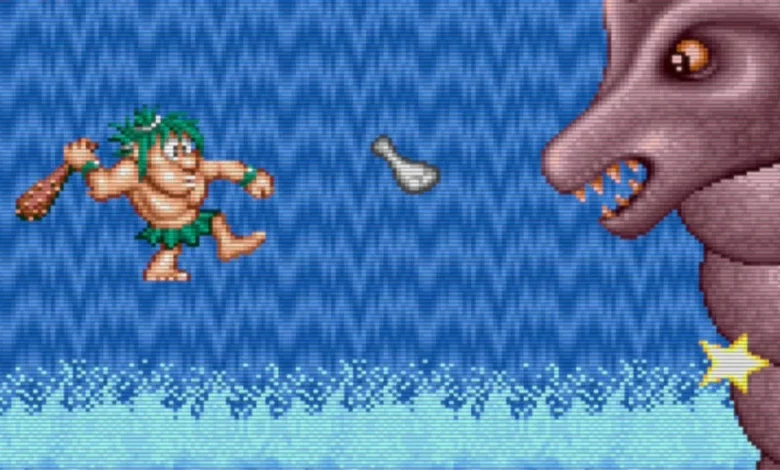
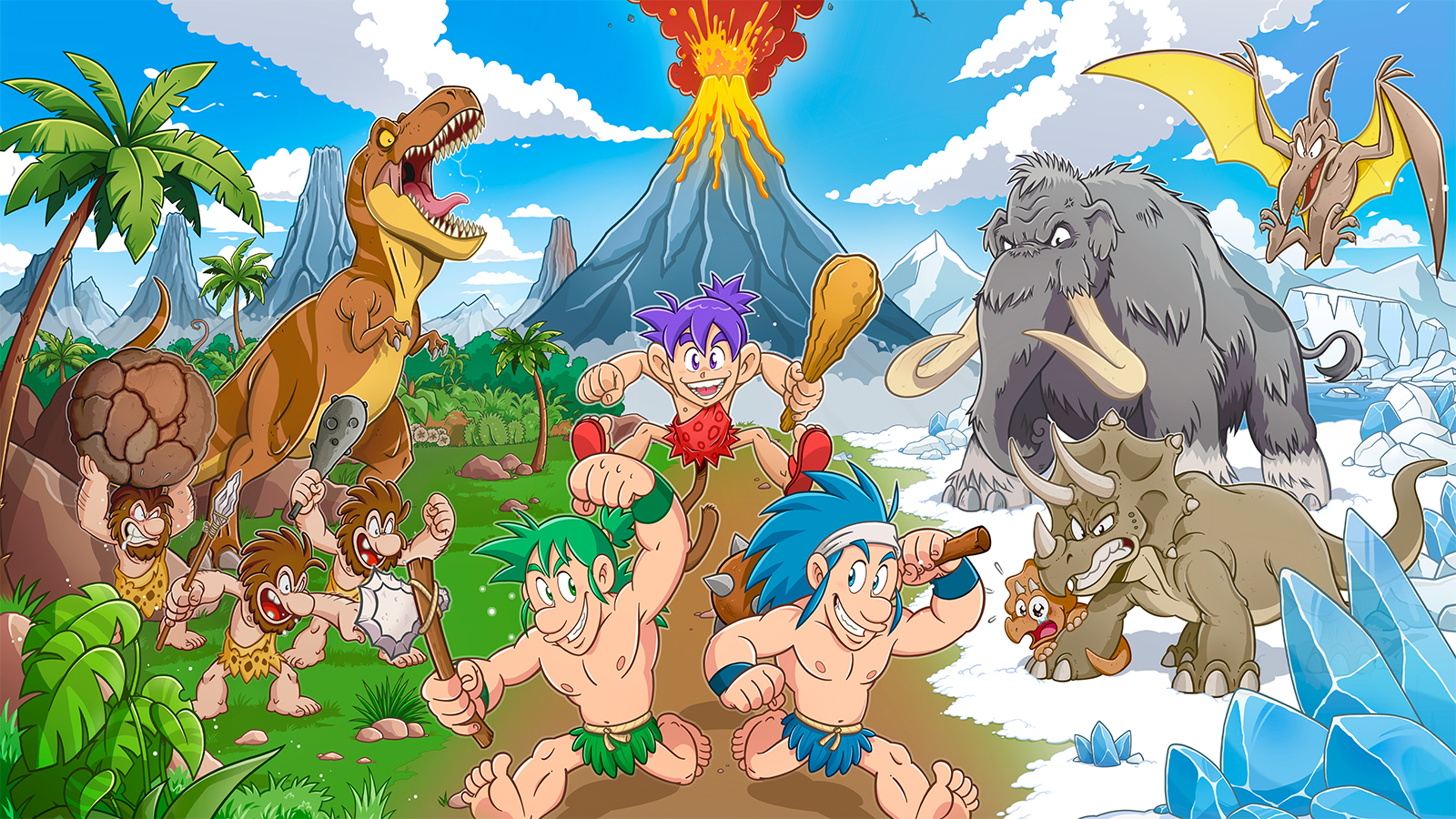
The release of the Joe and Mac Retro Collection, published by Red Art Games, marks a significant moment for the preservation of early 1990s 16-bit gaming history. Slated for a digital release on October 29, 2026, and a physical edition in 2027, the collection bundles three seminal titles from the Data East library: the original Joe and Mac: Caveman Ninja, the platforming-heavy spin-off Congo’s Caper, and the sequel Joe and Mac 2: Lost in the Tropics. Available across the Nintendo Switch, Switch 2, PlayStation 5, Xbox Series X/S, and PC, the collection serves as a case study in how modern emulation can bridge the gap between legacy arcade hardware and contemporary gaming standards.

The Evolution of the Caveman Ninja Franchise
To understand the significance of this collection, one must contextualize the era of Data East’s dominance in the action-platformer genre. When Joe and Mac: Caveman Ninja first arrived in arcades in 1991, it stood out due to its vibrant, high-contrast color palette and distinct, cartoonish character designs. It was a period where "mascot" platformers defined the console landscape, and Data East’s contribution was the "Caveman Ninja"—a high-energy, prehistoric romp that prioritized arcade-style instant action.
The collection illustrates the franchise’s evolution through three distinct stages of development. The first, Caveman Ninja, represents the pure arcade experience: linear, punishingly difficult, and focused on projectile-based combat. Its transition to home consoles solidified its status as a cult classic.
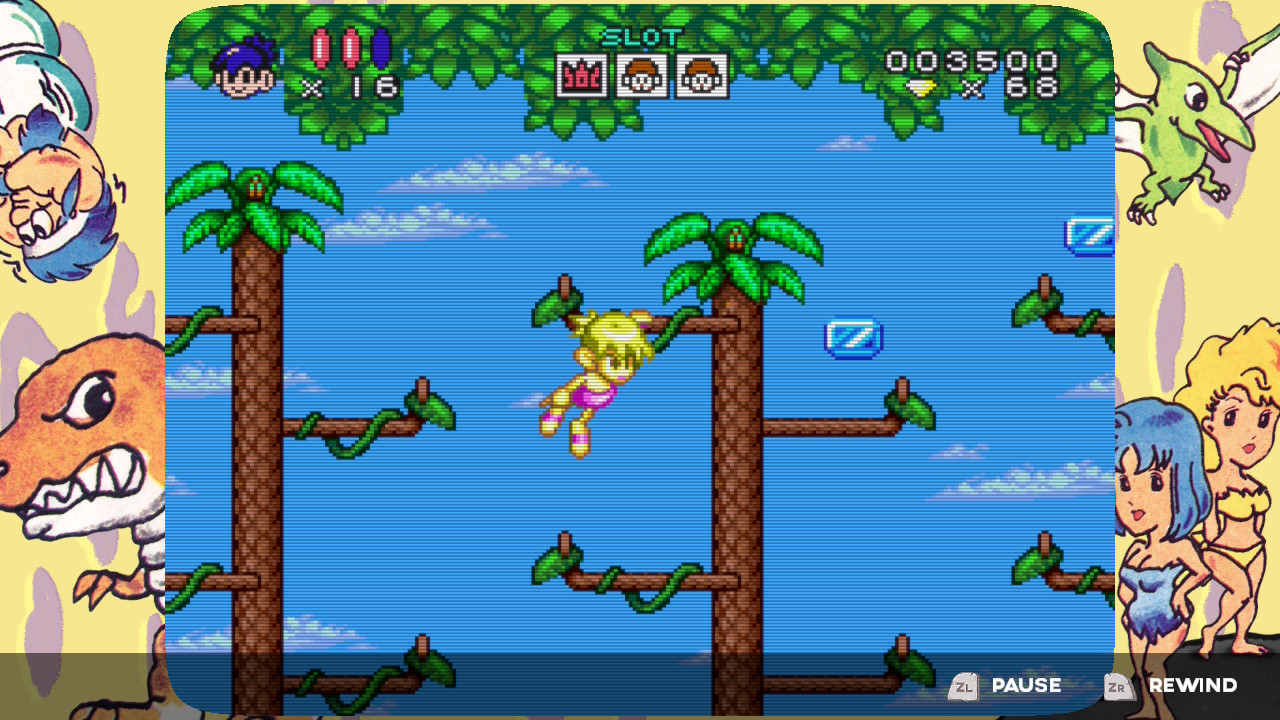
Congo’s Caper, while technically a spin-off, represents the pivot toward more nuanced console-exclusive design. Released in 1992 for the Super Nintendo Entertainment System (SNES), it incorporated elements reminiscent of the burgeoning "collectathon" genre, emphasizing exploration and hidden secrets over the straight-line traversal of its predecessor.
Finally, Joe and Mac 2: Lost in the Tropics—known in Japan as Joe and Mac 3—demonstrates the ambition of late-era 16-bit development. By introducing a world map, non-linear level selection, and base-building mechanics where players manage resources to "woo" NPCs, the game attempted to add a layer of depth that was rare for the genre at the time. This progression from arcade simplicity to experimental console design offers players a clear window into how developers adapted their output to changing consumer expectations in the mid-90s.
Modern Technical Enhancements and Preservation
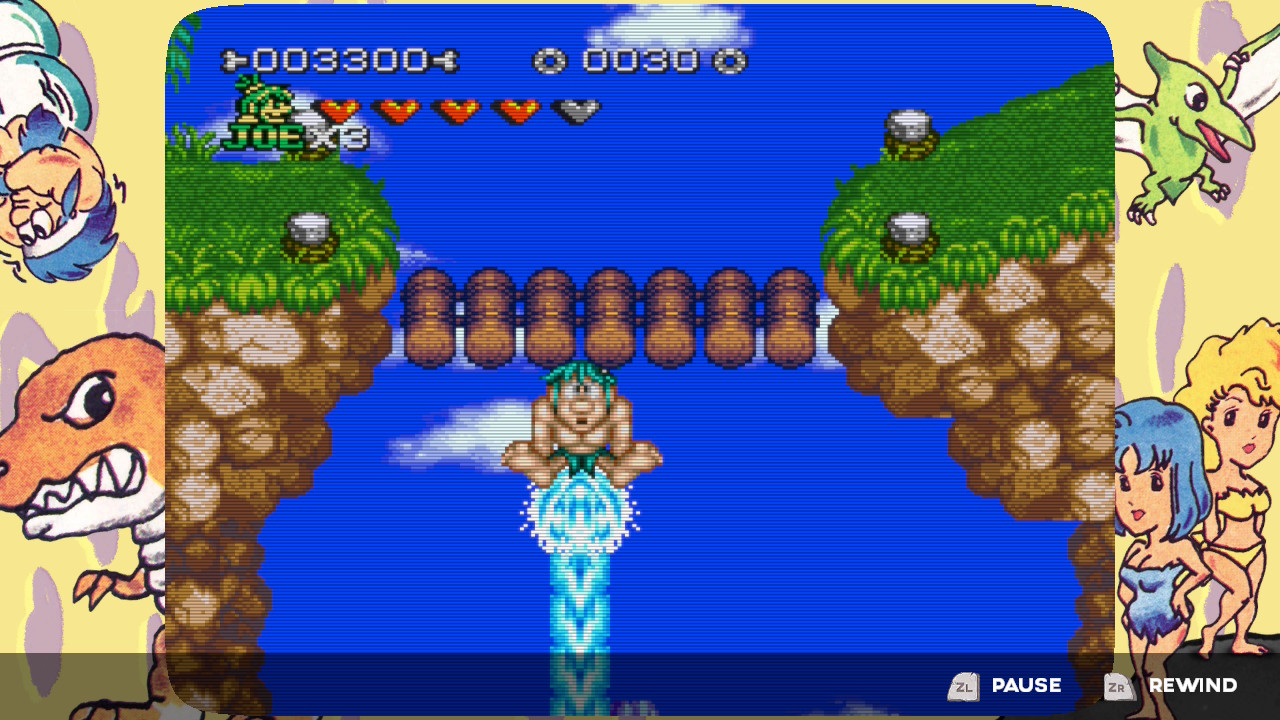
The Joe and Mac Retro Collection is more than a simple port; it is an exercise in digital preservation. Red Art Games has implemented several quality-of-life features that address the inherent frustrations of early 90s game design. Specifically, the inclusion of a "rewind" function allows players to recover from "cheap" deaths—a common occurrence in the original arcade versions where enemies often spawned off-screen or in unavoidable patterns.
The addition of save states allows for a modular approach to gameplay, enabling players to engage with these titles in short bursts, which is particularly well-suited to the portable nature of the Nintendo Switch and the hardware capabilities of the upcoming Switch 2. Furthermore, the inclusion of a "Boss Rush" mode provides a focused experience for those interested in the game’s creature design and attack patterns, allowing users to experience the most visually distinct elements of the games without navigating the platforming sections.
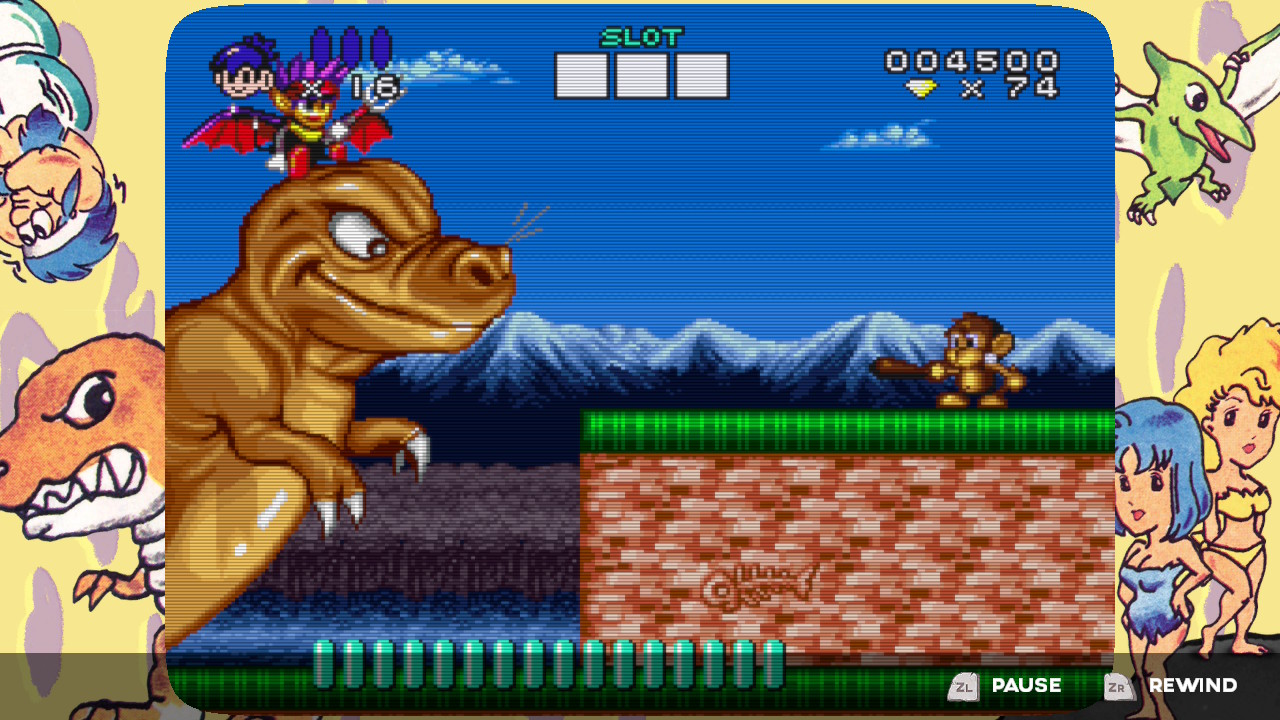
From an archival perspective, the inclusion of both Western and Japanese iterations—including the uncensored version of the original Caveman Ninja—is a notable inclusion for game historians. This provides a direct comparison of cultural localization, demonstrating how content was modified to meet the regulatory or marketing standards of different regions in the 1990s. The "virtual unboxing" feature, which allows players to view high-resolution scans of original SNES cartridges, manuals, and boxes, further underscores the publisher’s intent to treat these games as historical artifacts rather than mere software.
Industry Context and the "Retro" Market
The release of this collection occurs within a broader industry trend toward the professionalization of retro-gaming. Over the past five years, companies such as Digital Eclipse have set a new industry standard by pairing emulated software with deep-dive documentaries, audio commentary, and comprehensive production history. While the Joe and Mac Retro Collection excels in its technical emulation and visual assets—such as the inclusion of CRT filters that mimic the scanlines of old hardware—some critics note that it falls short of the "interactive documentary" standard established by industry leaders.
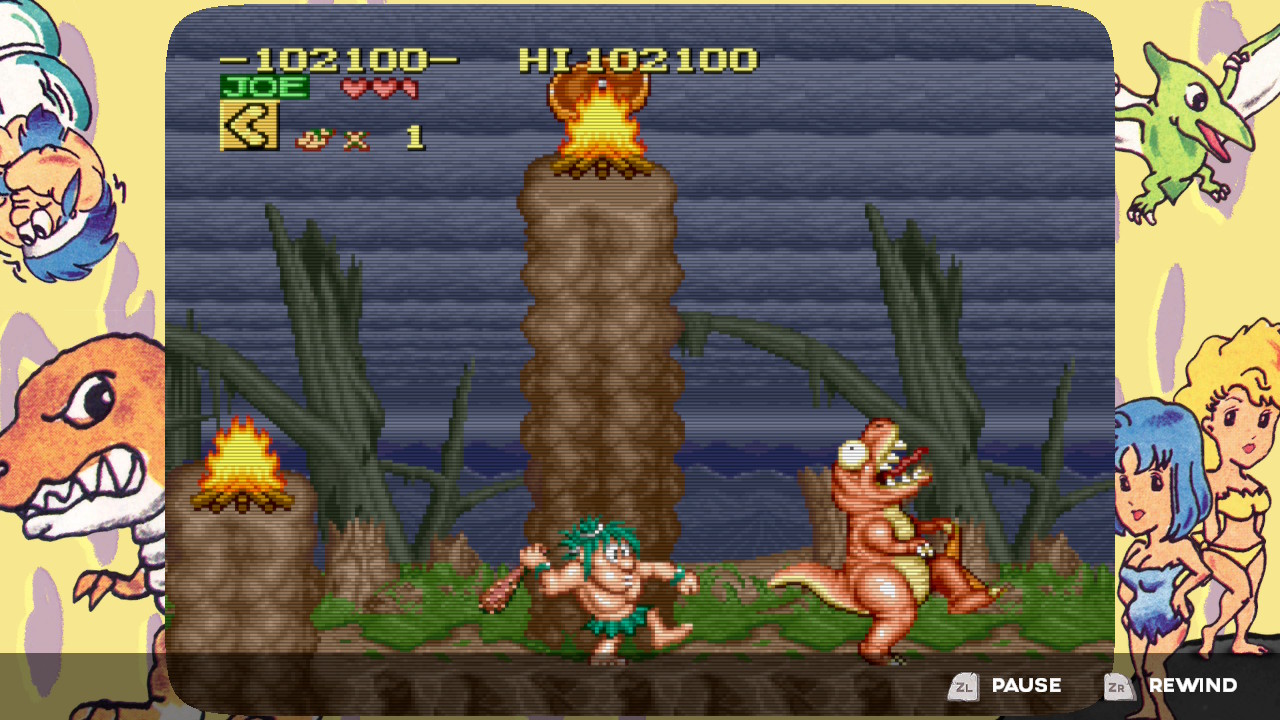
The lack of primary-source interviews or oral histories regarding the original development team is a missed opportunity for context. Understanding the design philosophy behind the "bulging-eyed" dinosaur animation or the specific technical constraints that influenced the game’s level design would have provided a much-needed layer of insight. Nevertheless, as a commercial product retailing at $19.99/£19.99, it occupies a competitive space, offering a high-value proposition for both nostalgia-driven consumers and a new generation of players interested in the roots of the platforming genre.
Economic and Cultural Implications
The decision to release these titles on current-generation hardware, including the PlayStation 5 and Xbox Series X/S, signals a shift in how retro publishers approach distribution. By utilizing high-fidelity emulation across multiple platforms, Red Art Games ensures that these titles are not confined to a single ecosystem.
For the gaming industry, the success of such collections provides data regarding the longevity of 16-bit intellectual property. If the Joe and Mac Retro Collection performs well, it may encourage other publishers to dust off their own "second-tier" arcade catalogs—games that were once overshadowed by the industry giants but possess a unique visual charm that remains aesthetically relevant today.
Summary of Features
- Compilation: Includes Joe & Mac: Caveman Ninja, Congo’s Caper, and Joe & Mac 2: Lost in the Tropics.
- Accessibility: Features real-time rewind, save states, and a dedicated Boss Rush mode to modernize the experience.
- Archival Content: Includes multiple regional versions (including uncensored Japanese releases) and a virtual gallery of original box art and concept sketches.
- Visual Customization: Optional CRT filters and custom border frames allow players to recreate the visual experience of a 1990s television setup.
In conclusion, the Joe and Mac Retro Collection serves as a successful, if slightly understated, entry in the growing field of digital game preservation. While it could have benefited from a more robust documentary component, the core experience remains intact and, in many ways, improved by the inclusion of modern quality-of-life features. It offers a rare, comprehensive look at a series that defined the visual identity of Data East, providing a valuable addition to the library of any player interested in the history of the 16-bit era.