Instagram Pivots Toward Long-Form Entertainment Content to Challenge YouTube Dominance

Meta’s Instagram is undergoing a significant strategic shift, transitioning from its historical roots as a platform for ephemeral photos and short-form Reels to a destination for long-form, immersive entertainment. By testing video lengths of up to 90 minutes and expanding its presence onto living room devices like Apple TV, the social media giant is signaling a direct challenge to the supremacy of YouTube. This evolution marks a major departure for a platform that has long prioritized brevity, signaling a broader attempt by parent company Meta to capture a larger share of the digital creator economy and the time users spend consuming video content.
A Strategic Pivot in Content Philosophy
The shift represents a notable change in leadership perspective. Adam Mosseri, the head of Instagram, has historically expressed skepticism regarding the integration of long-form video on the platform. His long-standing concern was that extended viewing sessions might cannibalize the social connectivity that serves as the foundation of the app. Mosseri previously argued that if users spent 30 minutes passively watching a single video, they were not interacting with their friends’ photos or Reels, effectively weakening the "social" element of the social network.
However, in a recent collaborative video announcement alongside Instagram’s VP of Product, Tessa Lyons, Mosseri acknowledged that the platform must adapt to changing user behaviors. Lyons emphasized that creativity on Instagram is not strictly confined to the 60-to-90-second format that popularized Reels. By supporting episodic series and longer horizontal videos, the platform aims to provide a more comprehensive canvas for creators who produce podcasts, vlogs, and narrative-driven storytelling.
The Technological Expansion: From Mobile to Living Room
The current testing phase, which involves a select group of creators in the United States, introduces several key technical capabilities. Among the most significant is the ability for creators to upload horizontal videos that run significantly longer than traditional content. To facilitate discovery, Instagram is introducing a mechanism that allows creators to link up to eight clips from a long-form video to their Reels feed, essentially acting as a "trailer" or "hook" to drive traffic toward the primary long-form feature.
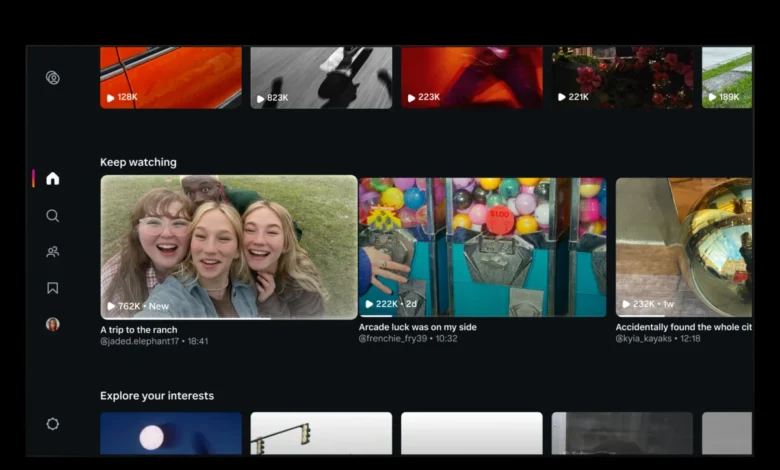
Furthermore, the integration with Apple TV represents a critical component of Meta’s "big screen" strategy. Users can now access a dedicated Instagram interface on their televisions, which supports Reels, long-form Features, Series, and a specialized "Friends" tab designed to display what connections are currently viewing. The platform is also developing a "phone-as-remote" feature, which will allow users to navigate the television interface, save videos for later viewing, and manage their watch history directly from their mobile devices.
Contextualizing the Competition: The Shadow of YouTube
The decision to lean into long-form content is not occurring in a vacuum. For years, YouTube has reigned as the undisputed leader in the creator economy, largely due to its mature, robust ad-revenue sharing model. By allowing creators to monetize their content through advertisements, YouTube has successfully incentivized the production of high-quality, long-form videos.
Instagram’s current iteration, however, remains distinct in one critical area: the absence of a standardized, YouTube-style revenue-sharing program. When questioned about how creators will be compensated for their labor, a spokesperson for the platform noted that Instagram is providing direct funding to specific creators during this pilot phase to support their output. The company stated that it is currently exploring various paths to monetization, including brand partnerships, fan-supported initiatives, and performance-based incentives. While an official long-term monetization framework has not been finalized, the company maintains that the "compounding benefits" of reaching new audiences on Instagram will eventually translate into substantial financial opportunities for creators.
Historical Timeline of Instagram’s Video Evolution
The platform’s journey toward video-centricity has been marked by several defining moments:
- 2013: Instagram introduces its first video feature, allowing users to record and share videos up to 15 seconds in length.
- 2016: The launch of "Instagram Live" brings real-time broadcasting to the platform, further emphasizing the importance of video engagement.
- 2018: IGTV launches as a standalone app and a dedicated section within Instagram, specifically designed for long-form, vertical video content.
- 2020: The platform launches "Reels" in response to the rapid rise of TikTok, shifting the focus toward algorithmic short-form entertainment.
- 2025 (Spring): Instagram begins testing "Series," a dedicated home for episodic Reels on creator profiles, in the U.S., India, and Mexico.
- 2026 (October): Instagram officially initiates a domestic U.S. test of 90-minute horizontal "Features" and expands living room device support to include Apple TV.
Analyzing the Implications for the Creator Economy
Industry analysts suggest that this shift could have profound implications for the creator ecosystem. If Instagram successfully transitions into a hybrid platform—one that balances social networking with long-form entertainment—it could force a realignment of creator marketing budgets.
Creators who have historically been forced to maintain separate, disparate strategies for YouTube (for long-form) and Instagram (for short-form discovery) may find the prospect of an all-in-one ecosystem highly attractive. By centralizing the discovery funnel—using Reels as an entry point to lead viewers to a 90-minute documentary or podcast—Instagram is attempting to streamline the path from engagement to consumption.
However, the lack of an immediate, clear revenue-sharing model remains a hurdle. Creators are increasingly sophisticated regarding platform economics; without a transparent and sustainable way to earn a living from their work, many may be hesitant to prioritize Instagram over established competitors. Meta’s emphasis on "performance-based incentives" suggests a shift toward a more data-driven approach, potentially rewarding content that drives high retention and long watch times rather than simply high view counts.
Future Outlook and Strategic Objectives
The expansion of the "Friends" tab to the television experience is perhaps the most unique differentiator for Instagram. While YouTube is a library of content, Instagram is a network of people. By allowing users to see what their friends are watching, Instagram is attempting to retain its identity as a social-first platform while adopting the consumption habits of a video-first platform.
As the tests expand throughout late 2026, the company’s ability to refine its recommendation algorithms for long-form content will be tested. If the platform succeeds in matching users with 60-minute videos that they find genuinely engaging, it could effectively increase the "Time Spent" metric—the gold standard for social media success.
Ultimately, this pivot indicates that Meta is prepared to accept the trade-offs that come with longer viewing sessions. By moving into the living room, Instagram is not just competing with other social apps; it is competing with streaming services and traditional television. The success of this endeavor will depend on whether the platform can maintain the delicate balance between high-quality entertainment and the community-based interactions that have kept users returning to Instagram for over a decade. Whether or not it can replicate the financial success of YouTube remains the most significant question as the company enters this new phase of its product roadmap.