Retro computing renaissance arrives as new A1200 and Commodore 64 Ultimate hardware hits the consumer market

The landscape of personal computing is witnessing a significant resurgence in interest as retro hardware manufacturers prepare to release modern recreations of two of the most iconic systems in technology history: the Amiga A1200 and the Commodore 64. As digital nostalgia continues to drive market trends, Retro Games is set to launch the A1200 on December 4, priced at $189.99, while the Commodore 64 Ultimate, offered through Commodore.net, provides a high-fidelity alternative for enthusiasts at $299.99. These releases represent more than mere curiosities; they are sophisticated efforts to bridge the gap between 1980s architectural ingenuity and 21st-century connectivity requirements.
The Amiga Legacy and the A1200 Reimagining
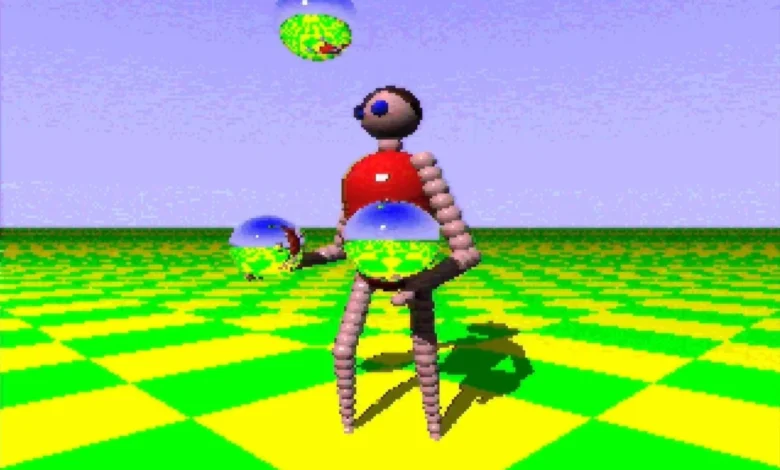
The original Commodore Amiga, introduced in 1985, was a watershed moment for consumer-grade computing. Powered by the Motorola 68000 microprocessor, the machine offered multimedia capabilities—specifically in color graphics and sound synthesis—that were lightyears ahead of its competitors at the time. It was the platform of choice for early digital pioneers and served as the incubator for the professional 3D graphics industry.
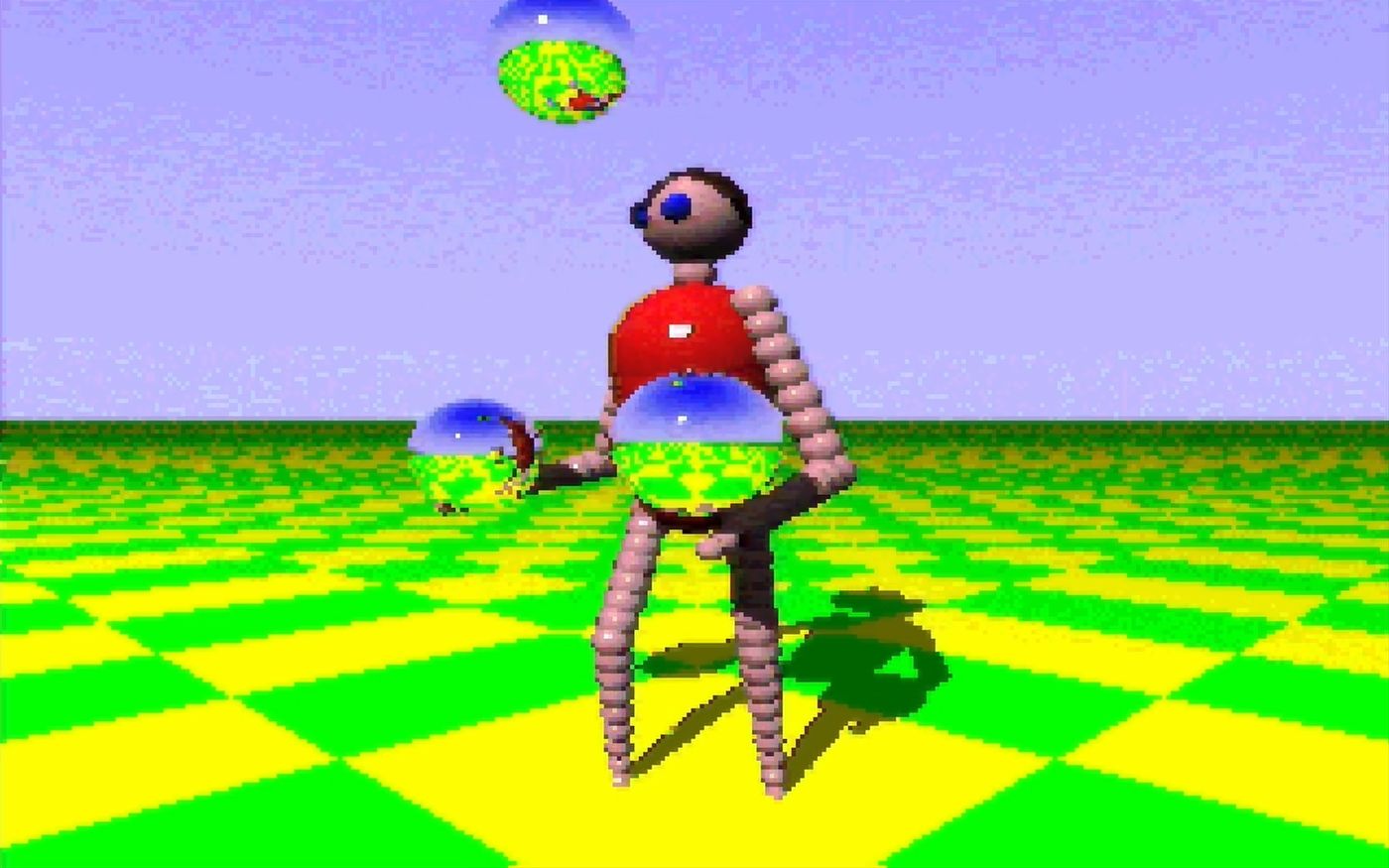
Software suites such as Byte by Byte’s Sculpt 3D, Impulse’s Turbo Silver, and Aegis Software’s VideoScape 3D were instrumental in defining the visual language of the late 80s and early 90s. Notably, the lineage of these programs can be traced directly to NewTek’s LightWave 3D, a software package that would go on to win an Academy Award for Technical Achievement and define the aesthetic of countless science fiction films and television series throughout the 1990s.
The upcoming A1200 unit from Retro Games seeks to capture this cultural lightning in a bottle. By bundling the hardware with a selection of classic titles, the device aims to provide an "out-of-the-box" experience for both long-time fans and younger demographics interested in computing history. The inclusion of modern conveniences—specifically HDMI for high-definition displays and USB connectivity for modern peripherals—addresses the primary barrier to using vintage hardware: the degradation of analog cables and the scarcity of original, functional input devices. By pairing an authentic-feeling keyboard, a classic mouse, and a reproduction game controller with modern output standards, Retro Games is positioning the A1200 as a viable lifestyle product for the modern home office.
The Commodore 64 Ultimate: A Deep Dive into High-Fidelity Emulation
While the A1200 focuses on the multimedia-heavy, GUI-centric legacy of the Amiga, the Commodore 64 Ultimate takes a different approach. Targeted at users who prioritize the command-line interface and the specific architecture of the 1982 original, the C64 Ultimate claims a staggering 99.9% compatibility rate with original software and peripherals.
This is a significant technical claim. For decades, the retro computing community has struggled with the "cycle-accuracy" problem, where emulators fail to replicate the precise timing of original MOS Technology 6510 processors and their associated I/O controllers. The C64 Ultimate bypasses many of these issues by incorporating modern, high-speed hardware that allows for a "Turbo Boost" mode, enabling the processor to operate at up to 64 times its original speed. This capability is particularly useful for developers or users running complex software that would otherwise stutter on period-correct hardware.
Furthermore, the device maintains full support for legacy peripherals, including original joysticks, disk drives, and cartridges. By integrating Wi-Fi, USB, and HDMI into the chassis, the manufacturer has effectively created a hybrid machine that functions as a museum-grade piece of hardware while offering the network capabilities required for modern data management. At $299.99, the Commodore 64 Ultimate is clearly aimed at the enthusiast who requires absolute fidelity without the maintenance headaches associated with aging 40-year-old capacitors and degraded silicon.
A Chronology of the Retro Hardware Market
The path to these releases has been long and punctuated by various attempts to capitalize on the retro movement. The chronology of the current surge can be traced back to the mid-2010s, when the "mini-console" craze began to gain momentum, starting with the release of the NES Classic Edition.
- 1982: Commodore launches the Commodore 64, which becomes the best-selling single computer model of all time.
- 1985: The Amiga 1000 is released, setting new standards for home multimedia.
- 2016-2018: The rise of plug-and-play retro consoles creates a massive, verified market for nostalgia-based hardware.
- 2022-2024: Supply chain stabilization allows boutique manufacturers to pivot from software-only emulation to high-quality, FPGA-based (Field Programmable Gate Array) hardware recreations.
- December 2024: The scheduled release of the A1200 signals a shift toward mid-range, full-featured retro computing solutions.
This timeline reflects a maturing market. Initially, consumers were satisfied with inexpensive, low-power devices that merely emulated games. Today, the consumer base demands higher-quality input devices, expanded storage, and the ability to interface with modern digital ecosystems, leading to the development of the more robust machines currently entering the market.
Supporting Data and Technical Implications
The shift toward these modern recreations is supported by an increasing demand for "everlasting" computing. Unlike modern proprietary systems that rely on cloud-based authentication, these retro units offer offline longevity. The integration of HDMI in the A1200 and C64 Ultimate is a necessity for the modern living room, where legacy analog signals (Composite, S-Video, or RF) are increasingly unsupported by contemporary television sets.
From a technical standpoint, the "99.9% compatibility" metric is the gold standard in the emulation community. Achieving this requires meticulous reverse-engineering of the original hardware’s bus timing and interrupt handling. The fact that manufacturers are now hitting these milestones suggests that the industry has reached a plateau in terms of emulation accuracy; further gains are likely to be marginal, shifting the competitive focus toward build quality, industrial design, and peripheral support.
Broader Impact and Industry Analysis
The release of these machines has broader implications for the computer industry. Firstly, it highlights the enduring value of early software architecture. The fact that the Amiga’s influence on 3D graphics is still being discussed in the context of modern hardware launches speaks to the foundational importance of that era.
Secondly, these devices serve as a bridge for education. By making the command-line interface and the inner workings of 8-bit and 16-bit machines accessible again, these companies are inadvertently providing a tool for computer science education. Understanding how a machine operates at the hardware level—without the abstraction layers of modern operating systems—is a valuable skill for programmers and engineers alike.
However, there is also the question of longevity. While these units are built with modern components, they are still tethered to the software libraries of the 1980s. The challenge for these companies will be to sustain a community that continues to develop new content for these platforms. Without an ongoing ecosystem of new software, the hardware risks becoming a static relic rather than a functional tool.
Official Responses and Community Reception
While direct comments from Commodore’s current corporate entities remain limited, the response from the retro gaming community has been overwhelmingly positive. Forums and independent tech analysts have noted that the price points of $189.99 and $299.99 represent a "sweet spot" for hobbyists. The consensus among enthusiasts is that these prices are reasonable given the costs of sourcing original, refurbished hardware, which often requires significant time investment and technical expertise to maintain.
Retailers have reported high interest levels, with Amazon pre-orders for the A1200 suggesting that the market for dedicated retro hardware remains robust. As we approach the December release, all eyes will be on the final production units to determine if they meet the lofty expectations set by the manufacturers. If successful, these releases could pave the way for a second wave of hardware recreations, potentially covering more obscure systems from the 1990s and early 2000s, effectively ensuring that the history of personal computing remains not just a subject of academic study, but a vibrant, living part of the modern digital landscape.
Related posts: