HardScope Emerges as a New Powerhouse in the Creator Economy With Multi-Million Dollar Investment and Equity-Driven Model

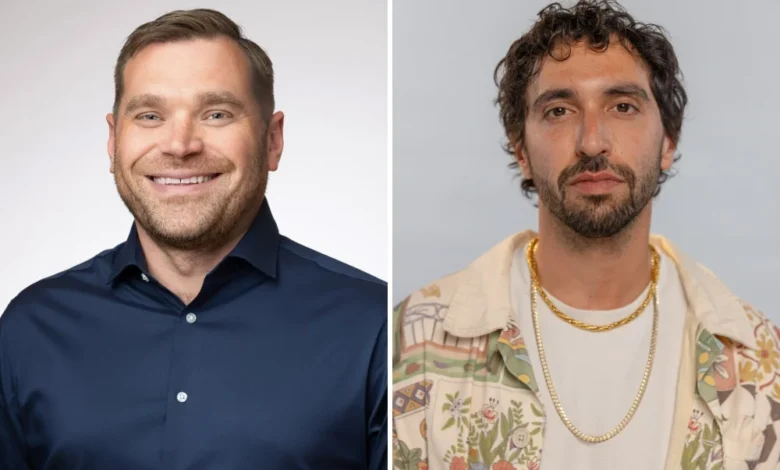
The landscape of digital media is undergoing a profound structural shift as HardScope, a newly minted media company founded by entrepreneur Matt Kalish, officially enters the creator economy. Positioned as an in-house studio dedicated to the development of creator-led intellectual property (IP), HardScope aims to professionalize the fragmented world of influencer content by treating digital creators not merely as talent, but as equity-holding business partners. With a debut slate of digital series launching on September 30, the company is positioning itself to bridge the gap between ephemeral social media trends and long-term, scalable entertainment franchises.
The Strategic Vision of HardScope
At its core, HardScope is designed to address a common pain point in the creator economy: the lack of institutional support for influencers looking to evolve their personal brands into broader, multi-platform media properties. By providing high-level production resources, creative direction, and business development expertise, HardScope seeks to transform viral digital personalities into owners of high-value, defensible IP.
The company’s leadership team brings significant pedigree to this endeavor. Notably, the studio includes creative executives who were instrumental in the meteoric rise of FaZe Clan, the gaming-centric organization that successfully transitioned from a collection of YouTube personalities into a publicly traded global lifestyle brand. By applying the "FaZe playbook"—which emphasizes community building, merchandise integration, and high-production value—to a broader spectrum of creators, HardScope is betting that the future of media lies in collaborative, equity-based ecosystems.
A Robust Initial Slate
HardScope’s entry into the market is backed by a substantial commitment, with nearly $4 million already allocated toward the production and development of its initial programming slate. This financial runway is intended to ensure that the inaugural series possess the polish and narrative depth required to compete with traditional television and streaming platforms.
The company’s launch schedule, spanning from September through November, features a diverse array of formats designed to test different audience segments:
- R3born With N3on: A docu-style series documenting the physical fitness journey of streamer N3on, tapping into the high-engagement "transformation" content genre.
- Unpacked With Matcrackz: A collectibles-focused project that leans into the booming market for pop-culture memorabilia, featuring celebrity guests on a quest for rare items.
- Love & Justice With Zach Justice: A personality-driven talk show that formalizes the "courtroom" or "advice" format, allowing the host to weigh in on relationship conflicts.
- Small World With Bloody Osiris: A travel and lifestyle series that follows a fashion icon, focusing on high-end aesthetics and global exploration.
These shows represent a departure from the "low-effort" content cycle that often dominates social media feeds. By focusing on distinct franchises, HardScope intends to create assets that can be leveraged for brand partnerships, merchandising, licensing deals, and third-party distribution.
The Crisis of Algorithm Fatigue
The timing of HardScope’s launch is particularly notable against the backdrop of what industry analysts are calling "algorithm fatigue." As major platforms like TikTok, YouTube, and Instagram continue to refine their recommendation engines, viewers are increasingly expressing frustration with the lack of curation and the repetitive nature of content cycles.
Lars Bengston, Chief Content Officer of HardScope, identifies this as a pivotal opportunity for the company. "Creators have given the world more great content to watch than ever before, and somehow we’re choosing less of what we actually watch," Bengston noted. "As algorithm fatigue sets in, taste and curation start to matter a lot more. We’re building HardScope to give audiences a brand they can identify themselves in, and creators a place to build beyond what they’re already known for."
This sentiment reflects a broader market trend: audiences are migrating away from endless, algorithmically generated feeds toward trusted curators and established brand identities. HardScope’s mission is to act as that curator, building a cohesive brand umbrella that audiences can associate with quality, regardless of the individual creator at the helm.
Contextualizing the Creator Economy
To understand the significance of HardScope’s business model, one must look at the trajectory of the creator economy over the last decade. Historically, creators operated as independent contractors, often reliant on ad revenue sharing (such as YouTube’s AdSense) or brand sponsorship deals. While these revenue streams can be lucrative, they are inherently volatile and tied to platform-specific policies.
The "equity-partner" model, which HardScope is championing, represents a maturation of the industry. By granting creators equity in the IP they help develop, HardScope incentivizes long-term commitment. This shifts the creator’s role from a temporary face of a campaign to a co-owner of a media asset. This structure mirrors the evolution of the talent agency and production house models in Hollywood, but adapts them for the digital-native era.
According to data from Goldman Sachs, the creator economy is estimated to be worth approximately $250 billion, with a projected compound annual growth rate that could double its size by 2027. However, much of this wealth has been concentrated at the very top. HardScope’s entry suggests a push toward institutionalizing the middle tier of creators—those with massive, loyal audiences who may lack the infrastructure to build a standalone media company.
Implications for Future Media
The launch of HardScope raises several critical questions about the future of digital content. First, can the "FaZe Clan" model be successfully replicated outside of the gaming niche? Gaming culture is unique in its community-heavy dynamics, and applying that same fervor to fashion, fitness, and relationship content will be a major test for the studio’s executives.
Second, the $4 million production budget, while significant for a startup, represents a modest investment when compared to the overhead of traditional television studios. HardScope’s success will likely depend on its ability to leverage its creators’ existing social capital to drive views at a lower cost-per-acquisition than traditional media companies. If they can achieve high conversion rates from social media interest to long-form series viewership, they will provide a compelling blueprint for other independent studios to follow.
Furthermore, HardScope’s model suggests a potential shift in how talent agencies interact with their clients. If creators can find the production and business development support they need through companies like HardScope, the necessity for traditional agency representation—which often takes a percentage of revenue without providing production support—may be challenged.
Conclusion: A New Standard?
As the digital media environment becomes increasingly crowded, differentiation is the only path to survival. Matt Kalish’s vision for HardScope—combining high-production, franchise-based storytelling with a collaborative equity model—is a bold attempt to bring stability to the creator economy.
"We’re here to bring ambitious projects to life," Kalish stated. "We believe that working hand-in-hand with creators as business partners is how the future of media and IP will be made, grown and scaled."
The success of the September 30 launch will be a key indicator of whether audiences are truly ready to transition from passive scrolling to engaged viewership of creator-led franchises. If HardScope succeeds, it could set a new industry standard, forcing other digital media entities to move away from individual sponsorship deals and toward deeper, long-term partnerships that prioritize intellectual property as the primary engine of growth. For now, the industry will be watching closely to see if this marriage of creator-led influence and traditional studio infrastructure can effectively counter the fatigue of the modern digital landscape.
Related posts: