
Why Mike Flanagan Is Ok With Stephen Kings The Dark Tower Not Being His Next Project
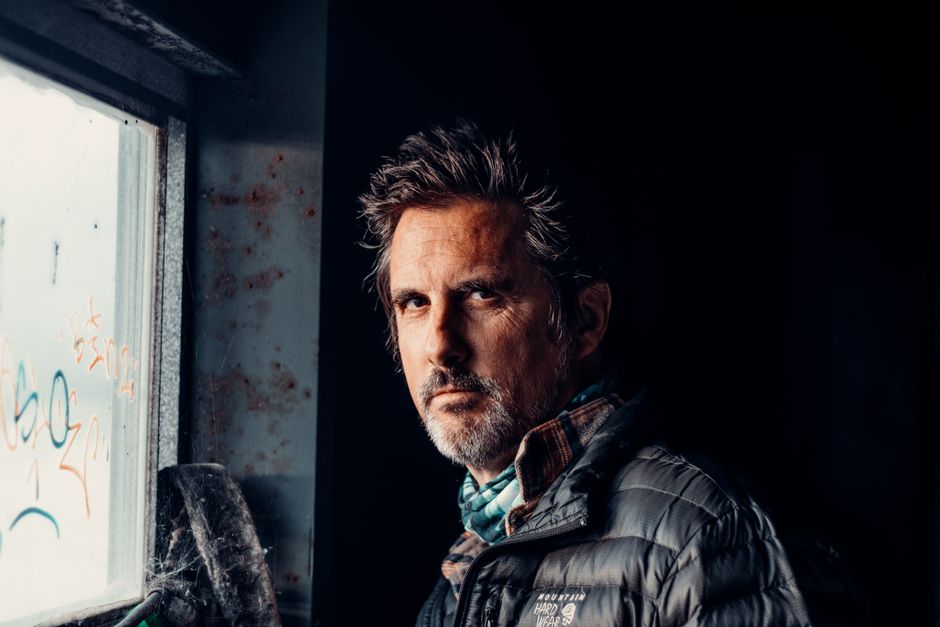
Mike Flanagan’s measured approach to Stephen King’s The Dark Tower: A strategic and understandable decision
Mike Flanagan, a filmmaker whose name has become synonymous with critically acclaimed horror adaptations, particularly those drawn from the vast literary universe of Stephen King, has publicly expressed his contentment with The Dark Tower not being his immediate next project. This decision, far from being a slight to King’s magnum opus, represents a pragmatic and strategically sound approach to a notoriously challenging and beloved literary property. The sheer scope and complexity of The Dark Tower saga present a monumental undertaking, one that demands not just creative vision but also immense logistical, financial, and narrative control. Flanagan’s willingness to defer such a project, at least for now, speaks volumes about his dedication to delivering quality and his understanding of the inherent risks and rewards associated with adapting such an ambitious work.
The Dark Tower series, a sprawling seven-novel epic (with an eighth installment adding further depth) interwoven with elements of Western, fantasy, science fiction, and horror, has long been considered the crown jewel of Stephen King’s bibliography, but also his most daunting adaptation. Its intricate mythology, its non-linear narrative structure that jumps across timelines and realities, and its sheer number of characters and plot threads make it a project that requires a singular, focused vision and the unwavering support of a studio willing to commit to a long-term, potentially multi-part endeavor. For a director like Flanagan, who has meticulously built his reputation on the back of thoughtful, character-driven horror that respects its source material while forging its own identity, rushing into The Dark Tower would have been antithetical to his established modus operandi.
Flanagan’s previous King adaptations, most notably Doctor Sleep and Gerald’s Game, have been lauded for their fidelity to the spirit of the books while also being accessible and impactful as standalone films. Doctor Sleep, a sequel to The Shining, was particularly ambitious, weaving together the trauma of the Overlook Hotel with a new narrative centered on a grown-up Danny Torrance. The film’s success was predicated on Flanagan’s deep understanding of both King’s original work and the cultural impact of Kubrick’s seminal film adaptation. This nuanced approach, requiring an almost archaeological excavation of themes and character arcs, is precisely what The Dark Tower would demand on an exponentially larger scale. A director cannot simply "tackle" The Dark Tower; they must be prepared to live with it, to understand its soul, and to translate its vast tapestry into a coherent and engaging cinematic experience across multiple installments, a feat that has eluded many before him.
The history of The Dark Tower adaptations is a cautionary tale in itself. Early attempts, including a proposed series of films and television shows, have either stalled in development or resulted in a single, critically panned film that significantly deviated from the source material and failed to capture its essence. This past can cast a long shadow, creating a certain trepidation among both filmmakers and studios. For Flanagan to take on The Dark Tower, he would need a level of creative autonomy and a budgetary commitment that would allow him to properly flesh out the intricate world-building, the vast character arcs, and the epic scope of Roland Deschain’s quest for the Dark Tower. The very fact that he is not currently prioritizing it suggests that these essential conditions, for whatever reason, have not yet been met.
Moreover, Flanagan’s own creative pipeline is a testament to his discerning taste and his ability to deliver exceptional work. He has a proven track record with Netflix, having helmed successful limited series like The Haunting of Hill House, The Haunting of Bly Manor, and Midnight Mass, as well as the recently released The Fall of the House of Usher. These projects, while distinct, share a common thread of atmospheric dread, profound emotional resonance, and a deep exploration of human nature through the lens of horror. Each series has been a meticulously crafted narrative with a clear beginning, middle, and end, allowing Flanagan to hone his storytelling prowess within contained arcs. The Dark Tower, by its very nature, is not a contained arc; it is a journey of immense proportion. To transition from the deliberate pacing and focused narratives of his Netflix series to the gargantuan undertaking of The Dark Tower would require a significant shift in production and storytelling strategy.
The economics of large-scale, multi-part adaptations are also a critical factor. Studios are inherently risk-averse, and a project as ambitious and potentially expensive as The Dark Tower requires a substantial upfront investment with no guarantee of recouping those costs, especially considering its past adaptation failures. Flanagan, as a director who has earned a reputation for quality and audience engagement, would likely demand significant creative control to ensure the project’s success. This often translates to higher budgetary requirements and a longer development timeline. His current contentment with not pursuing it suggests a realistic appraisal of the current market conditions and studio willingness to back such a monumental endeavor in the way he believes it deserves.
Another crucial element is the sheer love and reverence that Flanagan, like so many fans, has for The Dark Tower. It’s not a property he would approach lightly. To do it justice would require the kind of dedicated, years-long immersion that he has demonstrated with other projects. The idea of him embarking on The Dark Tower implies a singular focus, a period where other creative endeavors would likely take a backseat. His current slate of projects, which allows him to explore different narratives and genres within his horror specialization, suggests that he is strategically pacing his career, choosing projects that align with his current creative energy and offer the best opportunities for impactful storytelling.
Flanagan’s past statements about The Dark Tower have often been framed with a sense of immense respect and a touch of awe, bordering on intimidation. He has spoken about the daunting nature of the material, the immense responsibility of adapting such a beloved and complex world. This isn’t a director who is afraid of a challenge, but one who understands the difference between a challenge and an undertaking that could potentially be detrimental to his reputation or the integrity of the source material if not executed perfectly. His willingness to wait, to let the stars align for a project that demands so much, is a sign of maturity and artistic integrity. It suggests a belief that when The Dark Tower is finally brought to the screen in a way that satisfies him, it will be because all the necessary elements – creative vision, studio backing, and logistical feasibility – have converged.
Furthermore, the narrative architecture of The Dark Tower presents a unique set of challenges for cinematic translation. The series moves fluidly between different genres, timelines, and even character interpretations within the overarching quest. Capturing the shifts in tone, the interconnectedness of seemingly disparate plotlines, and the philosophical underpinnings of Roland’s journey requires a directorial hand that can juggle immense complexity without sacrificing emotional depth or narrative clarity. Flanagan’s success with his Netflix series demonstrates an exceptional ability to weave intricate thematic threads and character relationships, but The Dark Tower is a beast of a different order, demanding a sustained, epic approach that might be better suited to a different phase of his career or a different studio model.
The fact that Flanagan has been able to build such a strong and critically acclaimed career by selectively choosing his projects, and by not succumbing to the allure of every major IP, speaks to his long-term vision. He isn’t a director who needs to chase every big franchise to maintain relevance. Instead, he cultivates his own loyal audience through the consistent delivery of high-quality, thoughtful horror. His contentment with deferring The Dark Tower is an indicator that he values this carefully curated approach over a potentially rushed or compromised adaptation. He understands that the success of The Dark Tower, if it is to be his next big King project, hinges on more than just his directorial talent; it requires a collaborative environment that is as deeply invested in its success as he is.
In conclusion, Mike Flanagan’s stated contentment with The Dark Tower not being his immediate next project is not a sign of disinterest, but rather a testament to his strategic foresight, his deep respect for the source material, and his commitment to delivering truly exceptional cinematic experiences. The monumental scale and inherent complexities of Stephen King’s magnum opus demand a level of investment, control, and perfect timing that may not yet be available. Flanagan’s continued success with his current slate of projects, characterized by meticulous craftsmanship and profound storytelling, demonstrates that he is a director who understands the value of patience and the importance of waiting for the right conditions to bring his most ambitious visions to life. His approach to The Dark Tower is, therefore, a logical and commendable decision, prioritizing quality and integrity over expediency.
