The Multifaceted Role of Modulation in Music Theory and Modern Sound Production

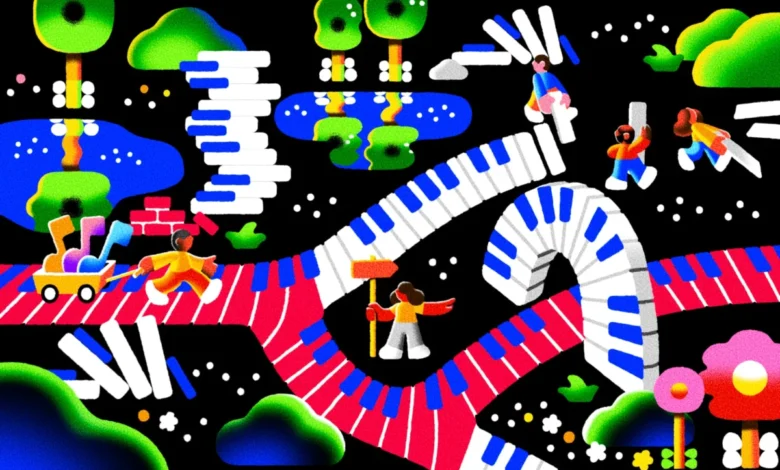
Modulation serves as one of the most versatile and essential concepts in the musical lexicon, acting as a bridge between the structural rigors of classical composition and the textural innovations of modern digital production. In its most fundamental sense, modulation describes change, yet its application varies significantly depending on whether it is discussed within the context of harmonic theory or audio engineering. In music theory, modulation is the process of changing from one key to another, a technique that has defined Western music for centuries. Conversely, in the realm of sound design and music production, modulation refers to the cyclical manipulation of audio parameters—such as pitch, volume, or phase—typically controlled by a low-frequency oscillator (LFO). Understanding these dual definitions is critical for contemporary artists who seek to manipulate both the emotional narrative and the sonic texture of their work.
The Harmonic Foundation: Modulation as a Key Change
In the historical development of Western music, modulation emerged as a primary tool for creating narrative arc and tension. By shifting the tonal center, or "home base," of a composition, a songwriter can elicit specific psychological responses from an audience. This technique allows a piece of music to travel through different emotional landscapes without losing its structural integrity.
The mechanics of harmonic modulation are governed by the relationship between keys, often visualized through the Circle of Fifths. When a composer moves to a "closely related key"—one that shares most of its notes with the original—the transition feels smooth and logical. However, moving to a "distant key" can create a sense of shock, disorientation, or sudden exhilaration.
Common Techniques in Harmonic Modulation
- Pivot Chord Modulation: This is the most prevalent method in classical and popular music. It involves using a chord that is common to both the original key and the target key to serve as a bridge. This "pivot" allows the listener to transition between tonal centers almost imperceptibly.
- Common Tone Modulation: Rather than using a full chord, this technique focuses on a single note that exists in both keys. By sustaining this note while the harmony shifts around it, the composer creates a seamless tonal pivot.
- Direct (Phrase) Modulation: Common in modern pop music, this involves an abrupt jump to a new key, usually at the start of a new section like a final chorus. This is often referred to as the "Truck Driver’s Gear Change," providing a sudden lift in energy and intensity.
- Monophonic Modulation: A transition where a single melodic line leads the listener into a new key without harmonic accompaniment, relying on the listener’s internal sense of pitch to establish the new tonic.
The Chronology of Modulation: From Bach to the Digital Age
The history of modulation reflects the broader evolution of musical technology and aesthetics. During the Baroque period, the development of "Well-Tempered" tuning allowed composers like Johann Sebastian Bach to modulate through all twelve keys for the first time, a feat celebrated in his collection The Well-Tempered Clavier. Prior to this, tuning systems often made certain keys sound dissonant or "out of tune," limiting the harmonic range of a composition.
By the Romantic era, composers such as Richard Wagner pushed modulation to its limits, using "chromatic modulation" to create a sense of endless tension and yearning. This expansion of harmonic boundaries eventually led to the atonality of the early 20th century.
In the mid-20th century, the definition of modulation expanded with the advent of electronic synthesis. Engineers began using the term to describe the process of one signal (the modulator) altering the characteristics of another (the carrier). This led to the birth of iconic effects like tremolo, found in early guitar amplifiers, and later, the complex frequency modulation (FM) synthesis that defined the sound of 1980s pop music. Today, modulation is an automated process within Digital Audio Workstations (DAWs), where producers use LFOs to "animate" static sounds, ensuring that electronic music feels organic and evolving.
Modulation as a Production Effect: Creating Sonic Movement
In modern music production, modulation is less about the notes being played and more about how those notes change over time. It is the primary tool used to add "movement" to a mix, preventing the listener’s ear from becoming fatigued by repetitive electronic sounds.
Key Types of Audio Modulation Effects
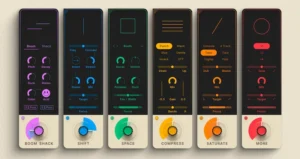
- Chorus: This effect simulates the sound of multiple instruments playing the same part. It works by duplicating the original signal, slightly detuning the copy, and modulating its timing. The result is a thicker, wider sound that is a staple of vocal processing and 80s-style guitar tones.
- Tremolo: One of the oldest electronic effects, tremolo involves the modulation of a signal’s amplitude (volume). It creates a rhythmic "pulsing" or "shimmering" effect that adds a sense of urgency or atmosphere to instruments.
- Phaser and Flanger: These effects rely on phase modulation. A flanger creates a "whooshing" or "jet plane" sound by delaying a copy of the signal by a very small, varying amount. A phaser uses "all-pass filters" to create peaks and notches in the frequency spectrum, resulting in a psychedelic, sweeping texture.
- Vibrato: Unlike tremolo, which modulates volume, vibrato modulates pitch. It mimics the natural technique used by singers and string players to add expression and warmth to a sustained note.
Supporting Data: The Psychological Impact of Modulation
Research in music psychology suggests that modulation—specifically key changes—triggers significant neurological responses. A study published in the journal Nature indicated that the human brain is highly sensitive to changes in tonal centers, as these shifts require the auditory cortex to "re-map" the relationship between notes.
Data from popular music charts also reveals the enduring efficacy of modulation. A statistical analysis of Billboard Hot 100 hits from the 1960s through the 1990s showed that approximately 25% of top-ten hits utilized a direct modulation (key change) to increase emotional intensity during the final third of the song. While the frequency of key changes has declined in modern hip-hop and trap—which often favor "loop-based" structures—the use of production-based modulation (LFOs and filters) has increased exponentially to maintain listener engagement within those loops.
Industry Perspectives: The Professional Approach to Modulation
Professional producers often emphasize that modulation should be used with intentionality. "Modulation is the difference between a sound that sits still and a sound that breathes," notes veteran sound designer Filip Fröhlich. The consensus among industry experts is that while modulation can enhance a track, over-processing can lead to "phase smear," where the clarity and impact of a sound are lost in a wash of movement.
In songwriting, the use of modulation is often viewed as a "high-risk, high-reward" strategy. A poorly executed key change can feel dated or "cheesy," whereas a sophisticated modulation can elevate a standard pop song into a cinematic experience. The rise of "Rent-to-Own" plugin platforms, such as Splice, has democratized access to high-end modulation tools, allowing independent creators to experiment with the same sophisticated LFO-based effects used by major label producers.
Broader Impact and Implications for the Future of Music
The integration of modulation into the creative process represents a fundamental shift in how music is consumed and produced. As AI-driven composition tools become more prevalent, the ability to effectively modulate—both harmonically and sonically—remains a uniquely human skill that requires an intuitive understanding of emotional pacing.
Looking forward, the boundaries between harmonic modulation and effect-based modulation are continuing to blur. Producers are now "key-tracking" modulation effects, meaning the speed or depth of a phaser or tremolo might change based on the note being played. This creates a highly reactive and "intelligent" instrument that responds to the performer’s input in real-time.
In conclusion, modulation is the engine of change in music. Whether it is the soaring lift of a key change in a power ballad or the subtle pulse of a synthesizer in a techno track, modulation provides the necessary contrast that keeps music vibrant. By mastering both the theoretical and technical aspects of this concept, creators can ensure their work resonates on both a structural and visceral level, bridging the gap between the heritage of the past and the technology of the future.