Dave Stewart Opens Up About Solo Work, Eurythmics History, and Why a Reunion Tour is Permanently Off the Table

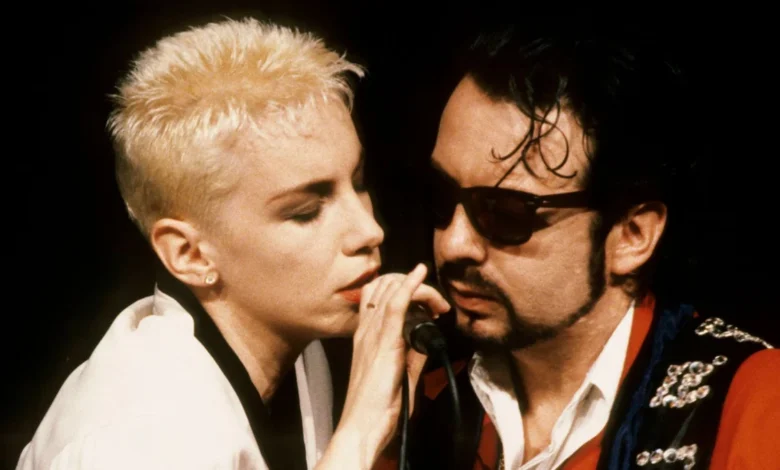
The music industry is built upon the nostalgia of the 1980s, with legendary acts routinely reuniting for lucrative world tours, anniversary box sets, and career-spanning documentaries. Yet, few groups from that era remain as fiercely elusive as the Eurythmics. Two decades have passed since the pioneering British synth-pop duo last released new music, and according to co-founder Dave Stewart, the window for a triumphant live return has firmly closed.
In a wide-ranging interview with Spin, Stewart reflected on the complex legacy of the band, his complicated professional and personal relationship with vocalist Annie Lennox, and his hesitation to step up to the microphone for his newly released solo album, The Way It Was Back Then. While Stewart admits he would have embraced a reunion tour "in a flash," the reality of passing time, vocal strains, and Lennox’s disinterest in revisiting the past mean that enduring anthems like "Sweet Dreams (Are Made of This)" and "Here Comes the Rain Again" will likely never be performed live by the original pair again.
The Evolution of a Solo Voice and The Way It Was Back Then
For the better part of four decades, Dave Stewart has operated as a titan behind the scenes. Recognized globally as an innovative guitar player, a visionary producer, and a master songwriter, Stewart traditionally left the spotlight to collaborators—most notably Annie Lennox. With the release of his latest solo record, The Way It Was Back Then, Stewart has found himself in unfamiliar territory: front and center as the primary vocalist.
Transitioning to the microphone was not a natural or immediate choice for the seasoned musician. Stewart has confessed that he suffered from lingering self-doubt regarding his singing voice—a shyness that seemed counterintuitive for someone who spent years commanding arenas.
"I was always shy about singing, but I didn’t used to be," Stewart explained in his interview. "Being in a duo with an amazing female singer for years, when Eurythmics stopped, I formed a sort of band and I was the songwriter and singer, but I decided only to play in France and Germany. I was a bit wary about my singing voice, but then slowly, over the years, I was like, ‘Fuck it!’"
The Way It Was Back Then showcases a reflective Stewart, looking back on a storied career that spans alternative rock, pop, blues, and experimental soundscapes. Stepping up to the vocal booth required him to shed the safety net of his preferred production role, offering fans a more intimate, raw perspective on an artist who helped define the sonic landscape of the late twentieth century.
A Romantic Separation That Sparked a Creative Explosion
While the musical output of Eurythmics remains a cornerstone of 1980s pop culture, the mechanics behind their greatest compositions were born from emotional turbulence. Stewart and Lennox were not merely musical partners; they were romantically involved during the early days of their rise to fame.
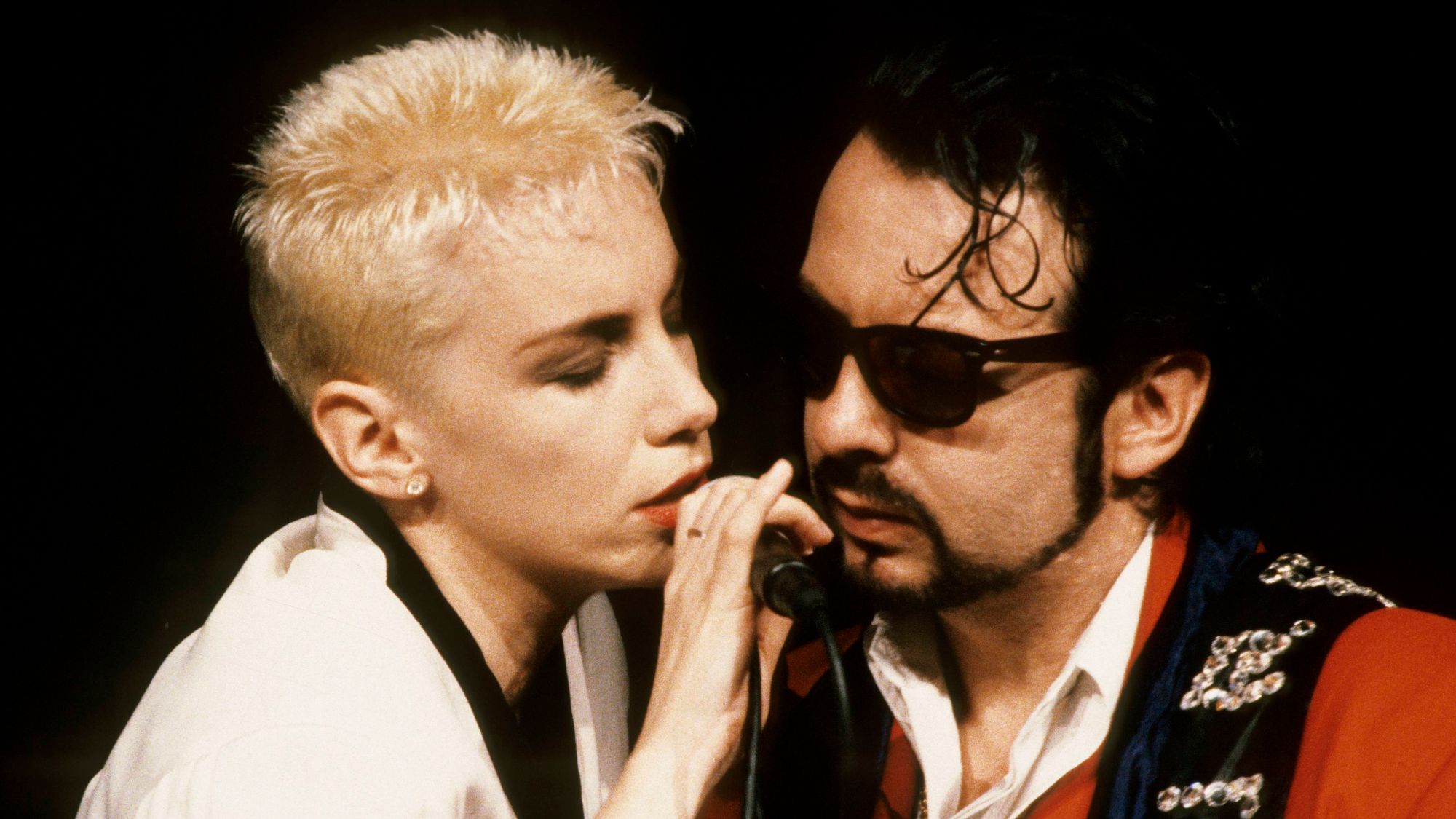
However, Stewart revealed a fascinating paradox regarding their creative process: their most prolific and efficient songwriting period occurred only after their romantic relationship had run its course.
"Annie and I lived the extreme happy and sad for ages," Stewart reflected. "When we lived together as a couple, that was about four years, we didn’t write one song separately or between us. We didn’t write any."
The dynamic shifted dramatically once they decided to untangle their personal lives from their professional partnership. By choosing to live apart, the emotional pressure valve released, paving the way for a torrent of creativity.
"Then we decided to live apart, and we wrote 100-odd songs, and every song only took about 20 minutes," Stewart noted. "Then we played these songs live, and we’re looking at each other, and the song might be about us, so it’s a very extreme version of happy and sad."
This unique creative tension fueled a succession of timeless records, transforming personal heartbreak into commercial gold and solidifying their status as international superstars.
The Eurythmics Chronology: From Pioneers to Retiring Legends
To understand why a Eurythmics reunion feels so improbable today, one must trace the arc of their remarkable career. Formed in 1980 in London following the dissolution of their previous punk band, The Tourists, Stewart and Lennox quickly abandoned traditional band structures in favor of electronic instrumentation, drum machines, and avant-garde visuals.
- 1981: The duo released their debut studio album, In the Garden, establishing a moody, experimental electronic foundation.
- 1983: The release of their second album, Sweet Dreams (Are Made of This), propelled them to global stardom. The title track became an inescapable global smash and a defining anthem of the MTV generation.
- 1983–1989: A relentless period of production and touring followed. The duo churned out a string of critically and commercially acclaimed albums, including Touch, Be Yourself Tonight (which featured the rock-infused hit "Would I Lie to You?"), Revenge, and Savage.
- 1990s–2000s: Following their 1990 tour, Eurythmics entered a prolonged hiatus as both members pursued solo projects and other creative avenues. They reunited briefly in 1999 to release their final studio album of original material, Peace, followed by a supporting world tour in 2000.
- 2005: The duo released a comprehensive greatest hits compilation titled Ultimate Collection, recording two new tracks for the release. Aside from select high-profile collaborative appearances—such as Lennox’s sporadic special guest performances—the band has effectively remained inactive for the last twenty years.
The Reality of a Missed Reunion and Tour Prospects
In an era where legacy acts routinely mount multi-million-dollar farewell tours well into their twilight years, Eurythmics have consistently bucked the trend. While fans have long harbored hopes of a final victory lap, Stewart acknowledges that the prospect is dead on arrival.
"We used to exchange emails and talk quite a bit, but the last two years it fizzled out a bit," Stewart said regarding his current dynamic with Lennox. "I think she’s finding anything to do with Eurythmics in the past [unappealing]. We’ve never done anything that normal acts do when they’ve been through all of this stuff and reached a certain age, whether it’s a documentary or playing shows."
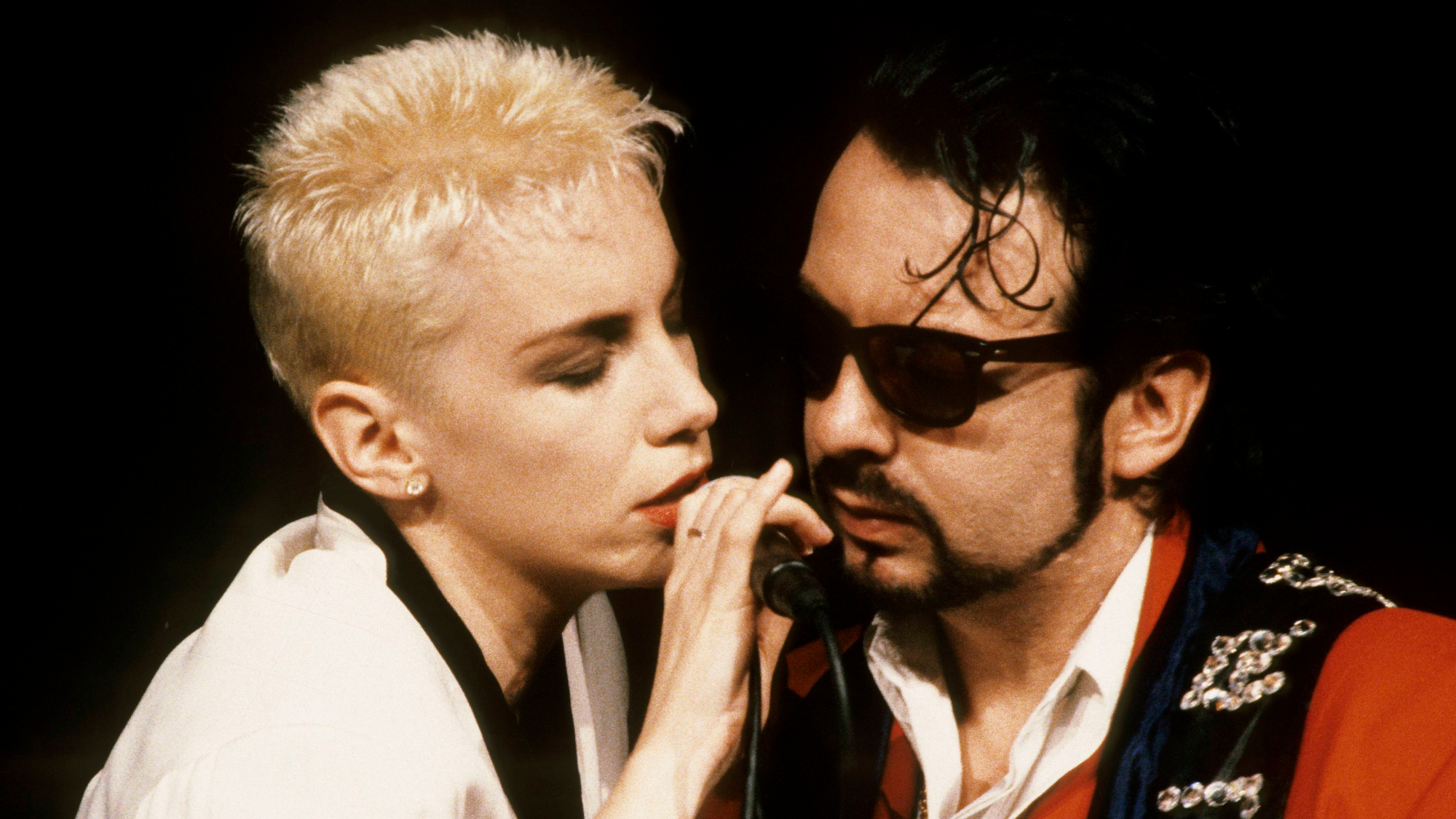
Stewart makes no secret of his personal willingness to step back onto the stage under the Eurythmics banner. He maintains a deep appreciation for the communal emotional impact of live performance—witnessing firsthand how classic tracks can alter the mood and energy of an audience.
"I would have done it [a tour] in a flash, but Annie always turned them all down," he admitted. "I really do think that when you have songs that mean a lot to people, and you perform them live, and you can actually see people in front of you emotionally changing, whether they’re singing the song or they’re looking at the person they’re with or whatever, you can see it having an effect. Obviously, music itself has a massive effect, but I wish we did play."
Vocational Demands and the Passage of Time
Beyond a potential lack of interest from Lennox, Stewart points to the sheer physical rigor required to deliver a Eurythmics concert as a significant barrier. The band’s catalog is characterized by soaring, emotionally charged vocal performances that demand immense stamina.
"Eurythmics songs are incredibly hard to sing, especially for an hour and three quarters or two hours," Stewart pointed out.
While Lennox occasionally returns to the stage for brief, highly curated appearances—often leaning on guest vocalists to share the load—a full-length, two-hour Eurythmics retrospective is a different beast entirely. Lennox recently performed a handful of songs at a special event, but Stewart notes the limitations of such performances compared to a grueling world tour.
"She did something not long ago, but she only did about four or five songs, and then she had guests. It’s incredibly demanding. It didn’t used to be. We could have done it for like 25 years, one every three years or something. But now, I think it’s too late."
Broader Implications for Music History
Stewart’s candid admissions highlight a recurring tension in modern music culture: the friction between public demand for nostalgia and an artist’s personal desire to move forward. While commercial pressures often incentivize aging superstars to resurrect past glories for financial gain or validation, Eurythmics’ refusal to compromise their retirement stands as a rare artistic choice.
By keeping their catalog untainted by routine, cash-grab reunion circuits, Lennox and Stewart have preserved the pristine mythos of their 1980s peak. For Dave Stewart, the focus has shifted firmly to the present—manifested in his unexpected vocal turn on The Way It Was Back Then. Meanwhile, fans must content themselves with the recorded legacy of a partnership that proved, through both extreme happiness and sorrow, how brilliant music can be born from the ashes of a broken romance.