The Evolution of AI Portrait Retouching and the Software Shaping the Modern Photography Industry

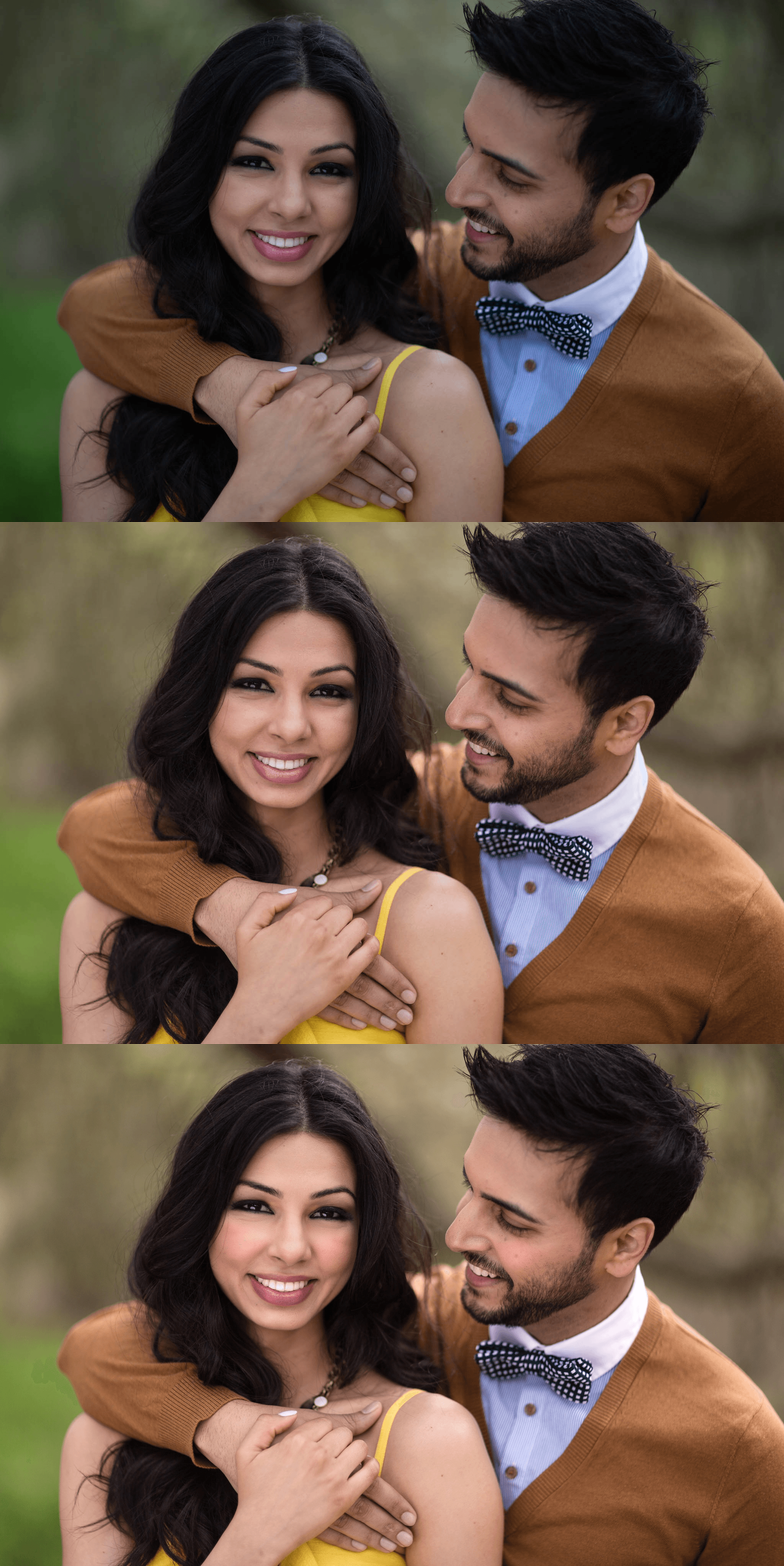
The integration of artificial intelligence into the photography industry has transitioned from a fringe experimental technology to a cornerstone of modern digital post-production. Over the past five years, the demand for high-volume, high-quality portrait delivery has forced a shift away from manual, pixel-by-pixel editing toward automated, machine-learning-driven workflows. This evolution is particularly evident in the realm of AI portrait retouching—a sector now defined by sophisticated algorithms capable of complex tasks such as high-end skin softening, blemish removal, facial reconstruction, and advanced lighting manipulation.

A Chronology of Digital Retouching
The trajectory of digital retouching began in the late 1980s with the debut of Adobe Photoshop, which transformed photography from a chemical process into a digital one. For decades, the industry standard involved manual labor: the "clone stamp" and "healing brush" tools were the primary instruments for skin correction, often requiring a professional editor to spend 15 to 30 minutes on a single portrait to achieve a polished look.
The paradigm shift began in earnest around 2018-2019, as generative adversarial networks (GANs) and convolutional neural networks (CNNs) reached maturity. These models allowed software to "recognize" facial features—such as eyes, lips, and skin texture—automatically. By 2022, the mass adoption of generative AI tools meant that retouching no longer required granular manual input. Today, professional photography studios are increasingly adopting software suites that offer "one-click" retouching, a development that has fundamentally altered the economics of professional portraiture.

Evaluating the Current AI Retouching Landscape
The current market offers a variety of specialized software, each catering to different segments of the photography community, ranging from high-volume wedding photographers to boutique portrait artists.
Evoto: Efficiency at Scale
Evoto has emerged as a leader in the high-volume market, particularly for photographers who process thousands of images per year. Unlike traditional software that requires a flat license fee, Evoto utilizes a credit-based, per-image business model. This approach is statistically favored by studios with fluctuating seasonal demands. The software’s technical capability to handle body sculpting and complex glare removal—tasks that previously required significant mastery of Photoshop’s "Liquify" filter—marks a significant leap in efficiency. However, the cost-to-volume ratio requires photographers to perform a rigorous cost-benefit analysis of their yearly output.

Aperty: The Hybrid Workflow
Aperty, developed by the creators of the widely used Luminar Neo, represents the current trend toward hybrid applications. By functioning both as a standalone application and a plugin for Adobe Lightroom, it bridges the gap between catalog management and creative retouching. Its strength lies in its intuitive, slider-based interface, which allows for precise control over "eyebag" reduction and skin texture preservation. Analysts have noted that Aperty’s integration into the culling process—allowing photographers to rate and flag images within the same interface used for retouching—addresses a major pain point in professional workflows: the constant switching between multiple pieces of software.
Portrait Pro: The Specialist
Portrait Pro has maintained its relevance through years of iterative development, positioning itself as the most granular tool for facial manipulation. While newer, fully automated apps offer speed, Portrait Pro provides depth. For the professional photographer who requires surgical control over facial geometry, lighting, and makeup application, it remains the industry benchmark. Recent updates have focused on "generative" features that allow for more natural skin pore reproduction, addressing historical criticisms that AI-retouched images often looked "plastic" or over-processed.

Retouch4me: The Plugin Philosophy
Retouch4me takes a different approach by focusing on specialized, single-task plugins rather than an all-in-one suite. This design philosophy is aimed squarely at the professional studio environment where Adobe Photoshop is already the primary destination for final composites. By offering discrete plugins for "Heal," "Dodge & Burn," and "Eye Brilliance," the software allows professionals to integrate AI into their existing Photoshop Actions. This modularity is preferred by editors who do not wish to abandon their established Adobe ecosystem.
The Role of Supplemental AI: Artlist and Beyond
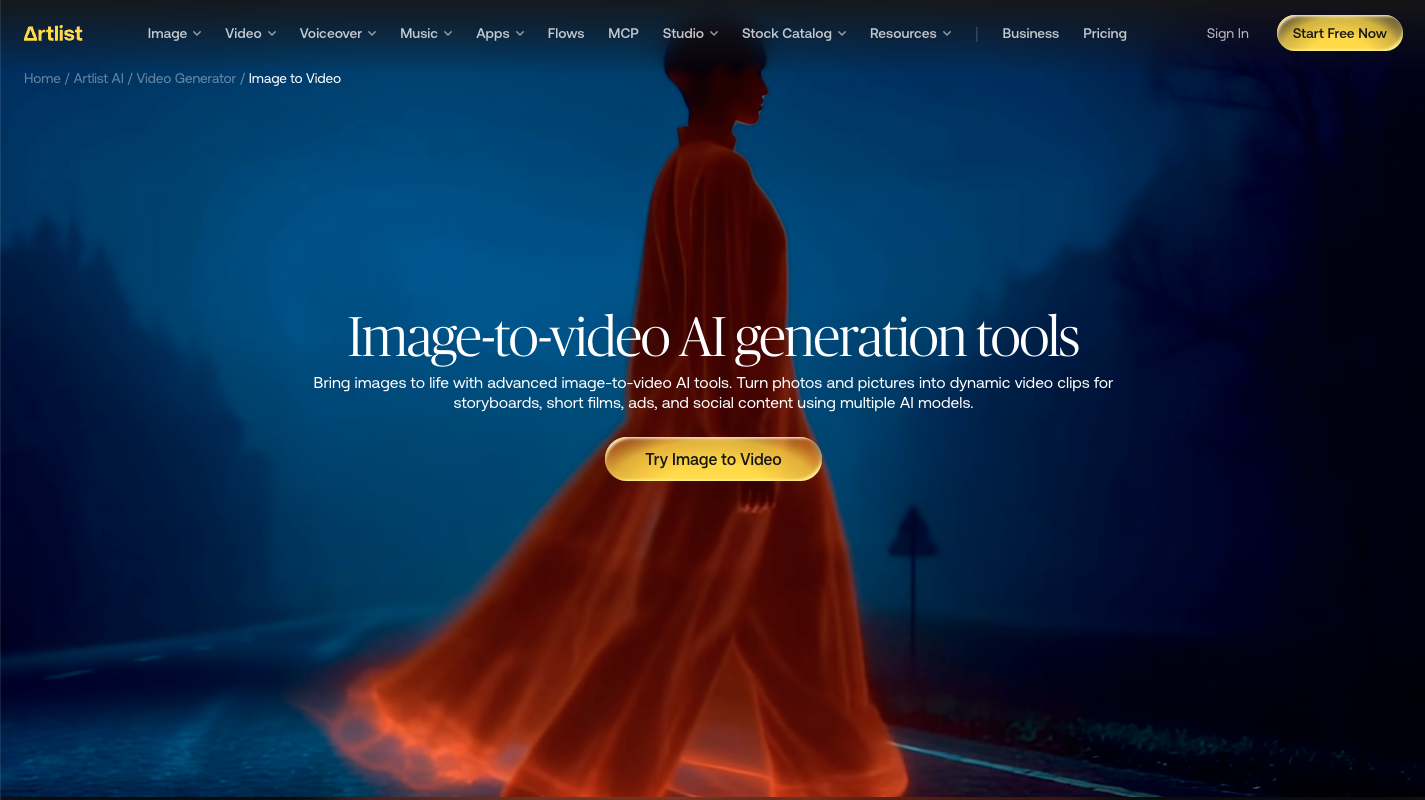
The ecosystem is expanding beyond simple skin retouching. Platforms like Artlist are now incorporating generative AI to provide "post-retouching" services. By enabling image-to-video conversion, these tools allow photographers to repurpose static portraits into dynamic, short-form content for social media. This reflects a broader industry trend where the "delivered product" is no longer just a still image, but a comprehensive digital asset.

Market Implications and Professional Feedback
The adoption of these tools has sparked an intense debate within the photography community regarding the definition of "authentic" photography. Professional associations have noted that while client expectations for flawless imagery have increased, the time allotted to achieve those results has decreased.
Data from industry surveys suggest that AI-assisted editing can reduce the time spent on a single portrait by approximately 70% to 85%. For a studio handling 1,000 weddings a year, this equates to thousands of hours of reclaimed time, allowing for higher volume or lower prices. However, concerns regarding the "homogenization" of photography remain. Critics argue that relying on automated sliders can lead to a uniform aesthetic that strips portraits of their individual character.
Looking Ahead: The Future of AI in Post-Production
The next phase of development in AI retouching is expected to focus on "context-aware" intelligence. Current tools generally treat the subject in isolation; future iterations will likely better analyze the environmental lighting of the entire scene to ensure that skin tones and shadows match the ambient environment of the background.
Furthermore, the industry is bracing for more sophisticated ethical guidelines. As generative AI becomes capable of altering facial features to a degree that potentially misrepresents the subject, photographers are being urged to maintain transparency with clients. Adobe and other major players are increasingly focusing on "Content Credentials," a system designed to verify the provenance of an image and disclose the extent of AI involvement.
In conclusion, the state of AI photo retouching is one of rapid consolidation and refinement. Photographers are no longer choosing between speed and quality; they are choosing between different types of workflows. Whether a professional opts for the high-volume, credit-based model of Evoto, the integration-heavy approach of Aperty, or the granular, expert-level control of Portrait Pro, the reliance on AI is now an inescapable reality. The photographers who thrive in this new era will be those who view these tools not as replacements for their creative vision, but as force multipliers that allow them to focus on the narrative and emotional impact of their work, leaving the repetitive, technical labor to the machines.