
Category Comics And Animation
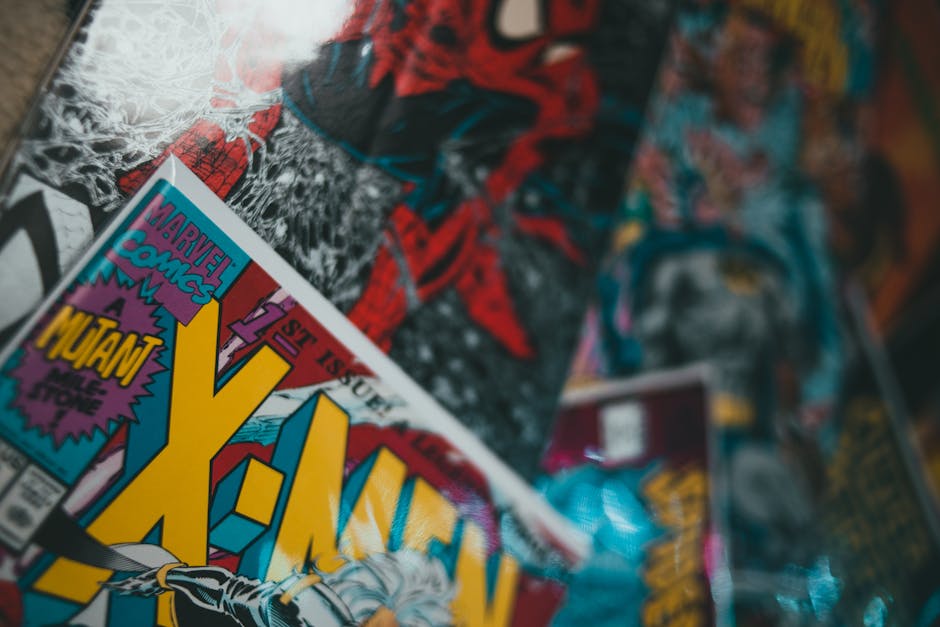
The Dynamic Duo: How Comics and Animation Forge Unforgettable Narratives and Worlds
Comics and animation, two distinct yet intrinsically linked art forms, have consistently pushed the boundaries of visual storytelling, creating immersive worlds and unforgettable characters that resonate across generations. While fundamentally different in their medium of delivery, their shared reliance on sequential art, dynamic visual language, and narrative structure fosters a symbiotic relationship. This article delves into the core principles, historical evolution, creative processes, cultural impact, and future trajectories of this powerful categorical pairing, exploring why their synergy is so potent in captivating audiences and building enduring franchises.
The foundational element connecting comics and animation lies in the principle of sequential art. Both mediums rely on a series of static images presented in a specific order to convey motion, action, and narrative progression. In comics, this sequence is meticulously crafted within panels, guided by gutters, word balloons, and thought bubbles. The reader actively participates in the storytelling, inferring motion and sound between panels, a cognitive leap that fosters a deep engagement. Animation, on the other hand, takes this concept and imbues it with actual motion. Each frame, like a comic panel, captures a moment, but thousands of these frames, when played in rapid succession, create the illusion of fluid movement. This shared DNA makes adaptation between the two mediums a natural and often highly successful endeavor. Early animators frequently drew inspiration from comic strips, and the serialized nature of many comic books lent itself perfectly to the episodic structure of early animation. This historical precedent established a foundational understanding of how to translate the visual language of static panels into dynamic, moving imagery, and vice-versa.
The creative process for both comics and animation, while distinct, shares a significant overlap in their developmental stages. For comics, the journey begins with a script, outlining the story, dialogue, and pacing. This is followed by the penciler, who visualizes the scenes and characters, the inker who refines the lines, and the colorist who brings the world to life. Lettering then adds the dialogue and sound effects. This collaborative pipeline ensures a cohesive artistic vision. Animation, while involving many more individual frames and technical steps, mirrors this process. Storyboarding is the animation equivalent of a comic’s breakdown of panels, laying out the visual flow and camera angles. Character design and background art establish the visual identity. Then comes the arduous task of animating, frame by frame, or through more advanced CGI techniques. Voice acting and sound design are added to complete the auditory experience. The iterative nature of both processes, with revisions and refinements at each stage, highlights their shared commitment to meticulous visual storytelling and character development. This attention to detail, from the initial concept to the final polish, is what allows both comics and animation to build rich, believable worlds and compelling character arcs.
The evolution of comics and animation has been shaped by technological advancements and shifting cultural landscapes. The advent of printing technologies in the early 20th century facilitated the mass production of comic books, making them accessible to a wider audience. The Golden Age of comics, marked by the rise of superheroes like Superman and Batman, laid the groundwork for enduring archetypes and narrative conventions. Simultaneously, early pioneers in animation, such as Walt Disney, explored the potential of moving pictures, creating iconic characters and groundbreaking visual techniques. The Silver Age of comics saw further genre diversification, with the rise of science fiction and fantasy, while animation continued to experiment with length and complexity, moving from short cartoons to feature films. The Bronze and Modern Ages of comics embraced more mature themes and complex narratives, pushing artistic boundaries. Animation, with the advent of computer-generated imagery (CGI), experienced another revolution, opening up new possibilities for visual spectacle and realistic character movement. This parallel evolution, driven by innovation and audience demand, demonstrates how both mediums have consistently adapted and thrived by embracing new tools and exploring new thematic territories.
The cultural impact of comics and animation is undeniable and far-reaching. They have served as powerful vehicles for social commentary, reflecting and shaping societal values, anxieties, and aspirations. During times of war, superheroes provided a sense of hope and patriotic fervor. In periods of social upheaval, comics and animated features have explored themes of civil rights, gender equality, and the human condition with nuance and emotional depth. The universal appeal of these mediums transcends age and cultural barriers, fostering a global fan base and contributing to the development of distinct fandoms. The shared language of visual storytelling allows for cross-cultural understanding and appreciation. Moreover, the enduring popularity of comic book characters in animated series and films has significantly broadened their reach, introducing new generations to beloved franchises and solidifying their place in popular culture. The transmedia nature of these narratives, flowing seamlessly between page, screen, and merchandise, is a testament to their pervasive influence.
The economic engines driving the comics and animation industries are substantial and interconnected. Comic books, while a niche market compared to mainstream media, generate significant revenue through direct sales, digital distribution, and licensing. The intellectual property (IP) generated by comic creators forms the backbone of some of the most successful entertainment franchises in history, with animated adaptations and merchandise contributing billions to the global economy. Animation production, from independent short films to blockbuster animated features and ongoing television series, represents a multi-billion dollar global industry. The demand for high-quality animation fuels innovation in digital art, visual effects, and storytelling techniques. Furthermore, the synergy between the two industries is evident in the constant cross-pollination of talent and ideas. Animators often begin their careers in comics, and comic artists are frequently employed on animated projects, creating a rich ecosystem of creative professionals. This economic interdependence strengthens both sectors, ensuring continued investment and innovation.
The thematic richness and genre diversity found within both comics and animation are remarkable. Comics have explored every conceivable genre, from gritty crime noir and intricate fantasy epics to lighthearted slice-of-life comedies and thought-provoking autobiographical narratives. This breadth allows for a wide spectrum of storytelling, catering to diverse tastes and interests. Animation, while often stereotyped as solely for children, has consistently pushed the boundaries of artistic expression, producing visually stunning and thematically complex works for adult audiences. Animated films and series delve into profound philosophical questions, explore complex emotional landscapes, and tackle mature subject matter with creativity and sophistication. The ability of both mediums to seamlessly blend humor, drama, action, and introspection allows them to create multi-layered narratives that resonate deeply with their respective audiences. This thematic versatility is a key reason for their enduring appeal and their ability to address a wide range of human experiences.
The distinct artistic approaches employed in comics and animation contribute to their unique appeal. In comics, the artist’s style is paramount, with each line, shadow, and panel layout conveying crucial information and evoking specific emotions. The static nature of the medium necessitates a heightened sense of visual storytelling, where every element is carefully considered. The absence of sound in comics forces a reliance on visual cues to convey tone and atmosphere. Animation, conversely, adds the dimension of time and motion. The fluidity of movement, the subtle shifts in facial expressions, and the dynamism of action sequences are all crafted through thousands of individual frames. Sound design and music play a critical role in enhancing the emotional impact and immersion. Despite these differences, the underlying principles of visual composition, character design, and narrative pacing remain crucial for both. The careful framing of a comic panel can be directly translated to the composition of an animated shot, and the visual shorthand developed in comics to convey emotion or action often informs animated character performance.
Looking to the future, the convergence of technology and creativity promises even more exciting developments for comics and animation. Virtual reality (VR) and augmented reality (AR) are opening up new frontiers for interactive storytelling, blurring the lines between reader and participant. AI-powered tools are beginning to assist in animation workflows, potentially streamlining production and enabling more ambitious projects. The continued growth of streaming platforms provides unprecedented opportunities for both serialized animation and the adaptation of comic book narratives, allowing for more diverse and niche content to find its audience. The metaverse concept, while still evolving, presents a potential platform for entirely new forms of comics and animated experiences, where narratives can unfold in persistent, interactive digital worlds. The ability of both mediums to adapt to technological change, coupled with their inherent narrative power, suggests a future where their influence and innovation will only continue to grow, further solidifying their status as cornerstones of modern storytelling. This constant evolution ensures that the dynamic duo of comics and animation will remain at the forefront of creative expression.
