Inside YouTube’s findings on generative video and personal creativity

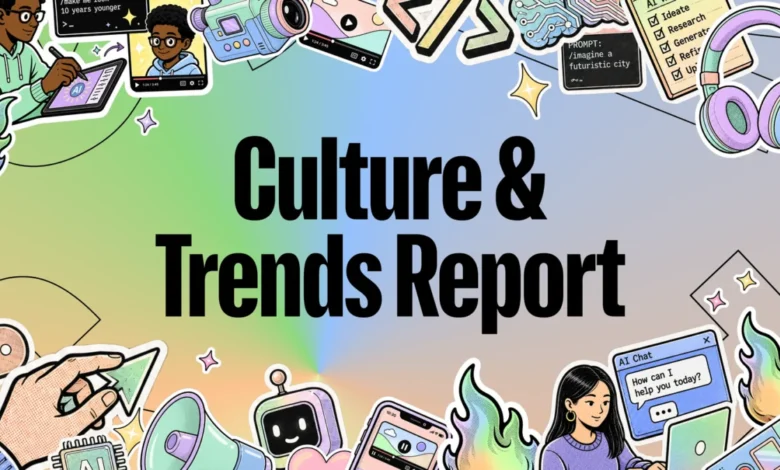
Amid a broader cultural debate characterized by skepticism, software limitations, and industry-wide anxiety over copyright and authenticity, a new study reveals that everyday internet users are quietly embracing generative artificial intelligence to forge deeper personal connections and explore their own identities. Released in October 2026 by the platform’s dedicated Culture & Trends team, a comprehensive report titled "Human Creativity and AI" sheds light on an unexpected paradigm shift: rather than using generative video solely for corporate efficiency or automated shortcuts, hobbyists and independent content creators are weaponizing the technology for deeply intimate storytelling.
To construct this landscape analysis, YouTube’s research arm investigated major generative video trends that dominated digital platforms throughout the preceding year. This qualitative observation was paired with quantitative surveys administered in partnership with research firm NRG. The demographic scope of the study focused heavily on digitally active individuals aged 14 to 44—the core cohort driving contemporary internet culture. The findings challenge the prevailing dystopian narrative surrounding machine-learning tools, suggesting that generative video is evolving into a canvas for human introspection rather than a replacement for human thought.
High Adoption Rates Challenge Public Skepticism
For months, mainstream discourse surrounding generative AI has focused on intellectual property theft, deepfakes, and the potential displacement of creative professionals. However, YouTube’s data indicates that adoption at the grassroots level has outpaced public perception. According to the survey, an astonishing 72% of active video posters aged 14 to 44 report utilizing AI tools in some capacity when producing images or videos.
Crucially, this utilization is rarely limited to mundane utility tasks like automated transcription or background color correction. Instead, creators are utilizing generative models to insert themselves directly into fantastical, emotional, or surreal narratives. More than two-thirds of surveyed uploaders who use AI video tools confirmed that they have actively featured digital representations of themselves within their content. This trend highlights a fundamental shift in how digital media is consumed and produced: audiences are no longer content with merely watching the lives of others; they want to direct, star in, and manipulate visual records of their own existence.
The Evolution of Personal Identity and Cathartic Storytelling
The motivation driving this wave of self-insertion is rooted in a timeless human impulse: the desire to externalize complex, internal emotional states. As generative video tools have become more accessible and capable of rendering photorealistic or stylized imagery from simple text prompts, users have begun transforming abstract feelings into tangible, shareable media.

One of the most prominent manifestations of this phenomenon identified in the report is the viral "hug your younger self" trend. In these videos, creators use AI to animate and interact with childhood photographs, effectively bridging decades of personal history into a single, cohesive visual narrative. What might have previously remained a private exercise in nostalgia is transformed into a public, cathartic experience. Creators weave AI-generated imagery into a dynamic visual archive of their own personal growth.
When these videos are published, the comment sections and video response loops quickly evolve into spaces of empathy and collective emotional resonance. Viewers who participate in or watch these trends report feeling a profound sense of validation, proving that automated tools can paradoxically serve as catalysts for hyper-personalized human empathy.
Beyond Reality: Hobbyists and Passion Projects
Beyond emotional introspection, generative video is fundamentally altering how hobbyists bring niche passion projects to life, stripping away the traditional technical and financial barriers that once restricted high-end video production.
Aspiring fashion designers, constrained by the physical costs of fabric and pattern-making, are now taking flat, two-dimensional sketches and rendering them into photorealistic runway presentations complete with simulated lighting, physics, and complex textures. Similarly, pop-culture fans are redefining the boundaries of cosplay by generating hyper-realistic digital avatars of themselves inhabiting beloved fictional universes.
Creators with specific, highly idiosyncratic subcultural interests are also leveraging these tools to build entirely new genres of entertainment. For instance, gaming creators are using generative video to construct surreal, atmospheric scenarios—such as hosting ASMR mukbang sessions inside fictional, block-world restaurants inspired by titles like Minecraft. By removing the physical constraints of reality, generative AI is allowing hobbyists to materialize mental landscapes that were previously impossible to share with an audience.
The Chronology of the GenAI Video Boom
To understand how generative video reached this inflection point of personal creativity, it is necessary to examine the rapid acceleration of the technology over the preceding few years.

The movement began in earnest with the breakthrough of text-to-image models, which allowed casual internet users to experiment with prompt engineering. By late 2023 and throughout 2024, early text-to-video generators emerged, producing jittery, surreal, and often uncanny clips that primarily circulated as internet memes or novelty clips.
By 2025, the fidelity of generative video models improved exponentially. Frame rates stabilized, temporal consistency advanced, and tools for image-to-video generation became widely accessible via consumer-facing applications. This technical leap coincided with platform integration, as major content ecosystems began baking AI toolkits directly into their editing suites.
By 2026, the technology transitioned from a Silicon Valley novelty into a mainstream creative medium. Instead of being utilized strictly by Hollywood VFX studios or tech enthusiasts, generative video found its true home among digital-native creators who viewed the technology not as a threat to their humanity, but as an extension of their personal sketchpads.
Implications for the Future of Human Creativity
The findings from YouTube’s Culture & Trends report offer a critical counterweight to the prevailing anxieties surrounding artificial intelligence. While legitimate policy debates regarding copyright, labor displacement, and misinformation remain vital, the grassroots reality on the ground tells a story of creative democratization.
The core driver of online video has always been the fundamental human need for self-expression and community belonging. Generative AI, as demonstrated by the millions of creators experimenting with these tools daily, is simply the latest brush in a long history of artistic evolution. Whether it is used to heal past emotional wounds through simulated interactions with childhood memories, or to visualize ambitious, impossible worlds alongside niche communities, AI is proving to be a powerful connector rather than a wedge that divides creators from their audiences.
As generative video tools continue to mature, platform operators, regulators, and creators will need to navigate the fine line between safeguarding authentic human labor and embracing the new forms of digital expression revealed in the report. For millions of everyday users, the genie is already out of the bottle—and they are using it to paint themselves into the center of their own stories.