Buffer’s extensive analysis of millions of posts reveals a significant shift in peak engagement times on LinkedIn for 2026, moving away from traditional working hours towards late afternoon and evening slots, a trend mirroring consumer behavior on platforms like Instagram and TikTok. This strategic insight, meticulously uncovered by Buffer’s resident data scientist, Julian Winternheimer, through two years of continuous data tracking, provides crucial guidance for professionals and brands aiming to maximize their reach and impact on the premier professional networking platform.
The Evolving Landscape of Professional Engagement
The digital landscape for professional networking is in constant flux, driven by evolving work patterns, technological advancements, and shifting user habits. For years, the conventional wisdom dictated that LinkedIn engagement peaked during standard 9-to-5 business hours, reflecting the platform’s role as a tool primarily used during the workday. However, Buffer’s 2026 findings challenge this long-held belief, indicating a notable migration of user activity.
In 2025, Buffer’s data showed that peak engagement on LinkedIn was almost exclusively confined to typical working hours, with a sharp decline in activity post-5 p.m. This pattern aligned with the understanding that professionals primarily accessed LinkedIn for work-related purposes, such as job searching, industry news consumption, or connecting with colleagues during their office hours. The professional world seemed to log off as the workday concluded.
However, the 2026 data presents a compelling narrative of change. Julian Winternheimer’s rigorous analysis, based on over 4.8 million LinkedIn posts processed through Buffer, demonstrates that these peak engagement windows are now shifting later into the day. Late afternoon and evening hours are now consistently yielding some of the strongest engagement numbers ever recorded for LinkedIn content. This suggests that professionals are still actively consuming and interacting with professional content, but they are increasingly doing so after their formal workday has ended.
This shift is not isolated to LinkedIn. As the report highlights, it mirrors trends observed on more consumer-centric platforms like Instagram and TikTok, where evening engagement has long been a dominant factor. The implications for content strategists are profound, signaling a need to recalibrate posting schedules to align with these new user behaviors.
Methodology and the Importance of Engagement
Buffer’s findings are rooted in a robust methodology. For approximately two years, Julian Winternheimer has been continuously analyzing vast datasets of social media posts, including specifically over 4.8 million LinkedIn posts. This longitudinal study provides a high degree of confidence in identifying genuine trends rather than mere statistical fluctuations. The data is normalized by local time zone, ensuring that a recommended posting time of 4 p.m. is universally applicable to the target audience’s local 4 p.m., eliminating the need for complex time zone conversions.
The primary metric for identifying optimal posting times in this study is "engagement." LinkedIn’s algorithm, like those of many social media platforms, heavily prioritizes interactions such as reactions (likes, celebrations, insights), comments, and reposts. These interactions serve as crucial signals to the algorithm, indicating that a piece of content is valuable, relevant, and should be shown to a wider audience. In essence, higher engagement often translates to increased visibility and reach for a post. While engagement is one of many factors influencing content distribution, it is a solid rule of thumb that timing content to coincide with peak audience activity can significantly amplify these initial engagement signals, giving a post a stronger start and greater potential for virality within the professional network.
Key Takeaways: The New Golden Hours
The overarching finding for 2026 is that the "golden hour" for LinkedIn engagement has expanded into the late afternoon and evening. Specifically, between 3 p.m. and 8 p.m. on weekdays, posts tend to receive the highest levels of interaction. The absolute peak times identified are 4 p.m. on Wednesday and both 3 p.m. and 4 p.m. on Friday.
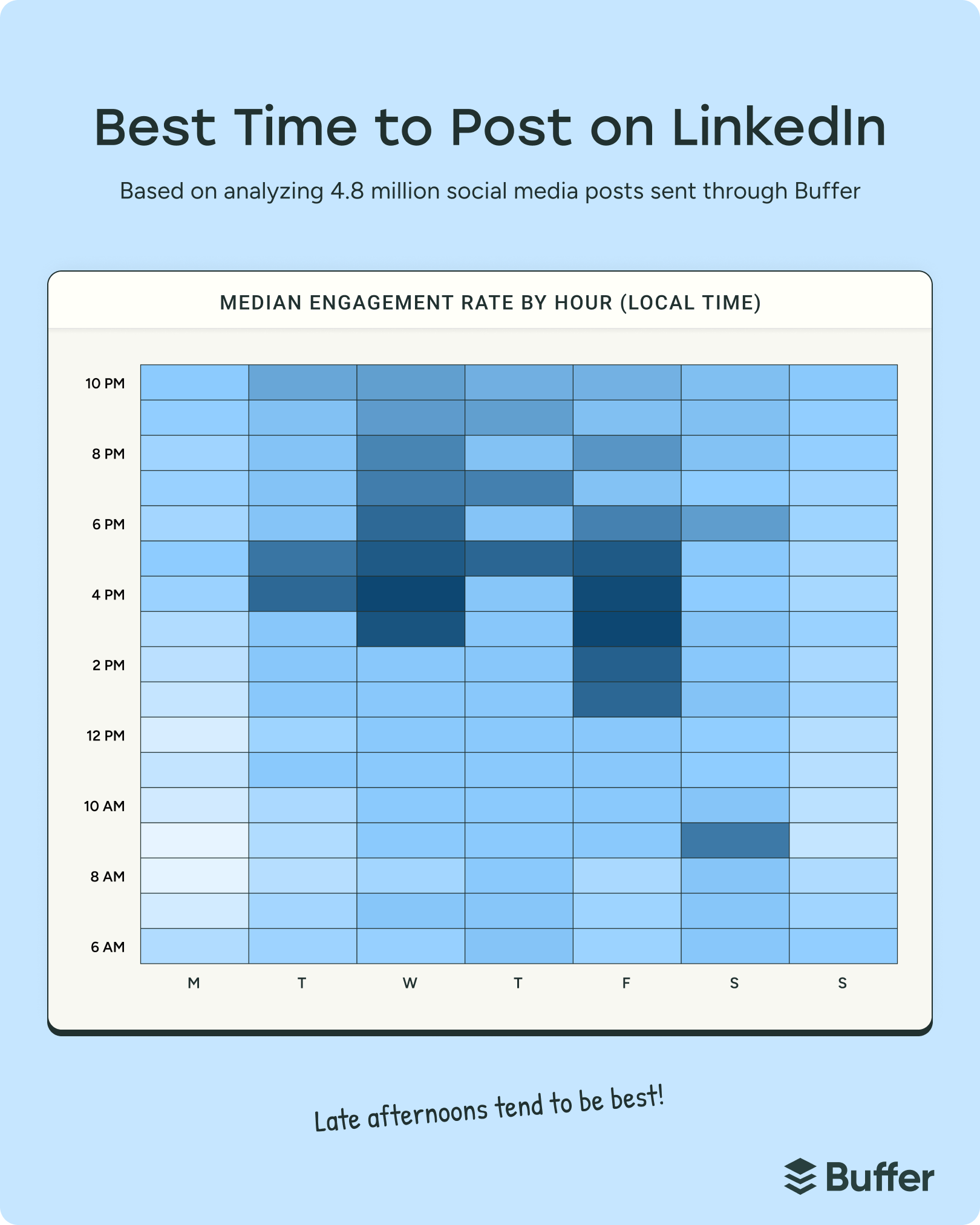
This is a stark contrast to previous years where midday bursts of activity dominated. The graphical representation of engagement across the week, often visualized as a heatmap, clearly illustrates this shift: the darkest, highest-engagement blocks are now concentrated in these later hours.
A Day-by-Day Breakdown of Optimal Posting Times (Local Time Zone)
Understanding the daily nuances of engagement is critical for a finely tuned LinkedIn strategy. While the overall trend points to later hours, specific optimal times vary slightly across the week:
- Monday: The start of the work week typically sees lower overall engagement as professionals settle back into their routines. However, late evening offers a window of opportunity. The best time to post on Monday is 10 p.m., followed by 5 p.m. and 9 p.m. This suggests users are catching up on professional content after their initial Monday tasks are complete.
- Tuesday: Similar to Monday, Tuesday generally experiences slightly lower engagement compared to mid-week. The optimal time shifts earlier into the late afternoon, with 4 p.m. being the strongest. Additional strong slots include 5 p.m. and 10 p.m.
- Wednesday: This is identified as the prime day for LinkedIn engagement, making it an ideal time to share high-priority content. The best time to post on Wednesday is 4 p.m., closely followed by 3 p.m. and 5 p.m., forming a solid late-afternoon engagement block.
- Thursday: Engagement remains strong on Thursday, with 5 p.m. taking the lead as the best posting time. Other highly engaged periods include 7 p.m. and 9 p.m., catering to users engaging later in the evening.
- Friday: Concluding the work week, Friday surprisingly remains one of the strongest days for engagement. The best time to post is 3 p.m., as professionals begin to wind down. Strong engagement also continues into 4 p.m. and 5 p.m.
- Saturday: Weekends are generally quieter on LinkedIn, reflecting the professional nature of the platform. If weekend posting is necessary, Saturday at 9 a.m. offers the highest engagement, with 6 p.m. and 10 p.m. also showing some activity. However, content intended for broad reach is better reserved for weekdays.
- Sunday: Sundays typically exhibit the lowest engagement. The best time to post is 10 p.m., followed by 9 p.m. and an early morning slot at 6 a.m. Again, for critical content, weekdays are significantly more effective.
The Best Day: Wednesday Reigns Supreme
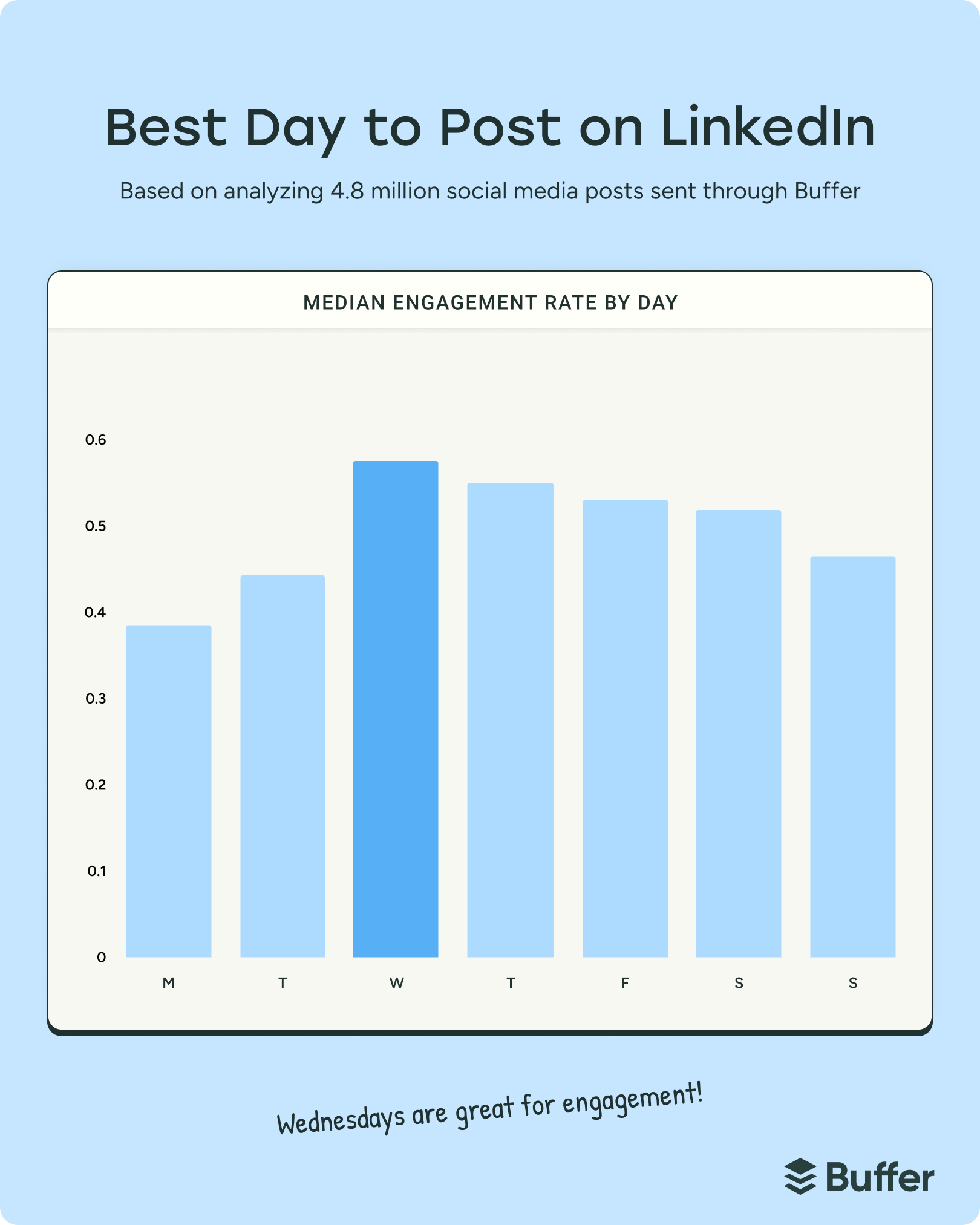
Buffer’s data conclusively points to Wednesday as the best day of the week to post on LinkedIn for maximum engagement, followed closely by Thursday and then Friday. This mid-to-late week pattern aligns with anecdotal observations: by Wednesday, professionals are fully immersed in their work week, actively seeking valuable insights and content, but they have not yet mentally transitioned into weekend mode. Conversely, Monday and Tuesday consistently show the lowest engagement, with Monday being the weakest day overall.
It is important to acknowledge that some other research, including studies referenced by LinkedIn’s own marketing blog, has occasionally highlighted Tuesday as a strong day. This discrepancy underscores a crucial point: results can vary based on the specific dataset, target audience demographics, and industry verticals analyzed. What holds true for a broad global dataset might differ for a niche professional community. Therefore, while Buffer’s comprehensive analysis provides a powerful baseline, individual testing remains paramount. The "heads-down work" theory, where Monday and Tuesday are reserved for focused tasks, still appears to hold weight for a significant portion of the LinkedIn user base.
Strategic Implications for Marketers and Professionals
This shift in LinkedIn engagement patterns carries significant implications for anyone leveraging the platform, from individual professionals building a personal brand to large corporations managing their employer branding and lead generation efforts.
- Content Scheduling Optimization: Marketers and content creators should re-evaluate their current LinkedIn publishing calendars. Prioritizing high-value content for Wednesday through Friday, particularly in the late afternoon and evening, can yield substantially better results.
- Audience Behavior Adaptation: The data suggests a change in how professionals integrate LinkedIn into their daily lives. It’s less about a quick check during a coffee break at work and more about a dedicated scroll during a commute, an evening wind-down, or a deliberate catch-up on industry news after hours. Content should be designed to fit these relaxed, reflective consumption patterns.
- Global Reach Considerations: For organizations with a global audience, understanding local time zones becomes even more critical. While Buffer’s data is normalized, a truly international strategy might involve staggered posting times to hit various peak windows across different geographies.
- Personal Branding: Individuals focused on thought leadership and personal branding can capitalize on these evening hours to connect with peers when they are more receptive and have more time for deeper engagement.
- Recruitment Strategies: Recruiters posting job openings or employer branding content should consider these later slots to reach candidates who might be discreetly browsing after work.
Leveraging Tools for Optimal Scheduling
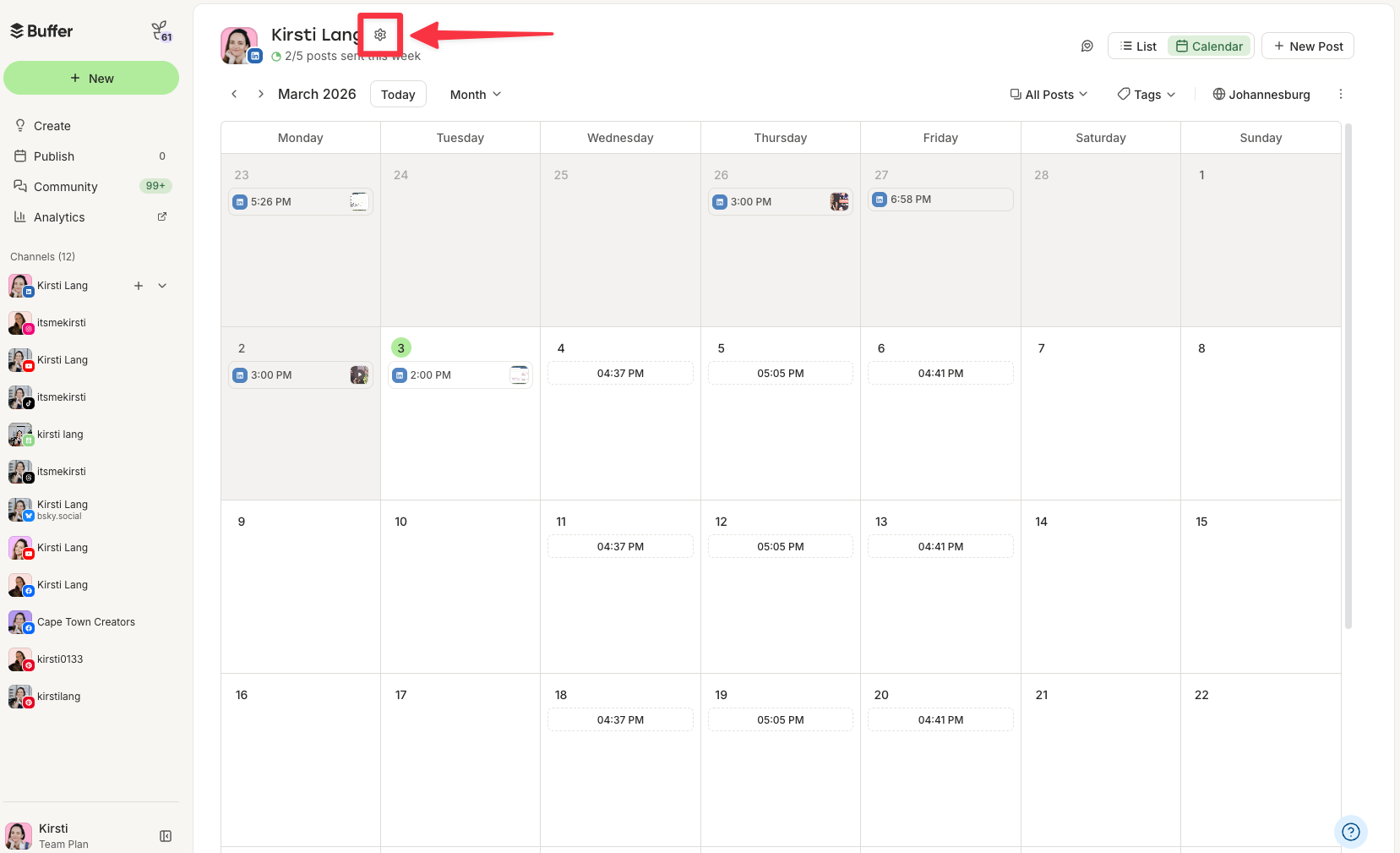
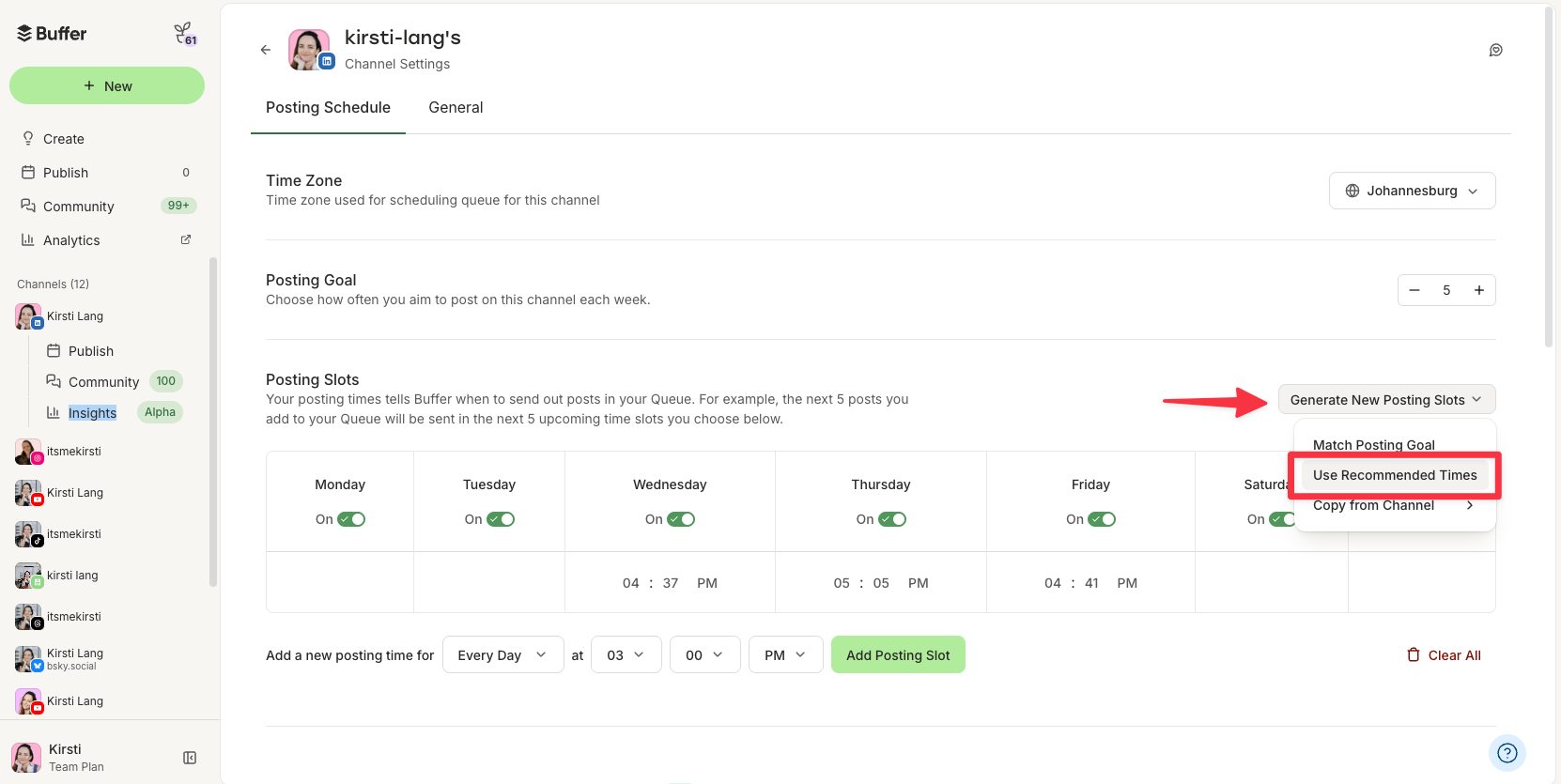
Recognizing the challenge of manually adhering to these precise posting times, tools like Buffer offer automated solutions. Buffer’s platform can automatically set a user’s posting schedule to align with these newly identified best times across all supported social channels, including LinkedIn. This functionality transforms the data into actionable insights, appearing as recommended posting slots directly within the user’s content queue and calendar. This automation allows users to focus on content creation, knowing that their posts will be delivered when their audience is most likely to engage.
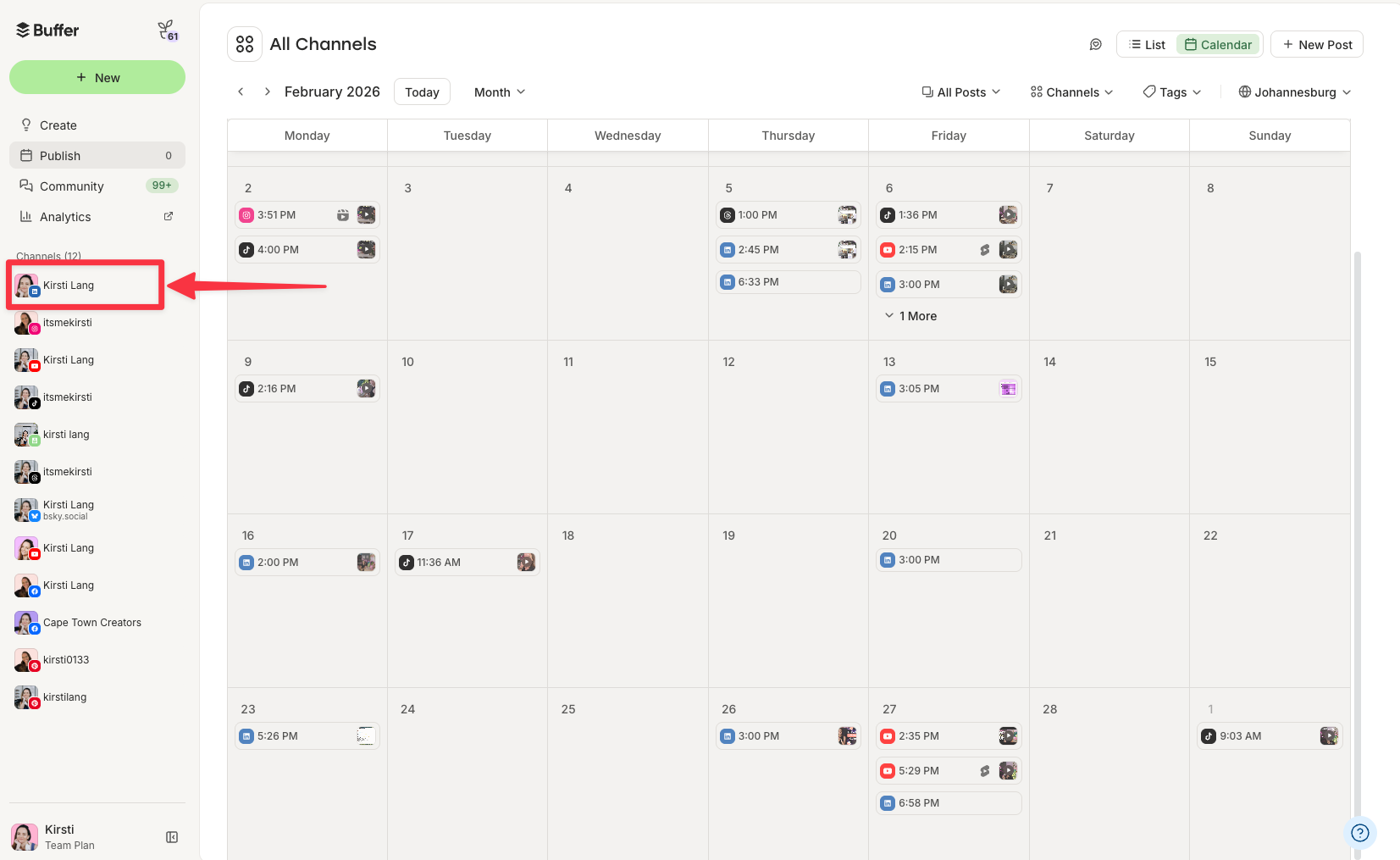
The setup process within Buffer is streamlined:
- Connect your LinkedIn profile or page.
- Navigate to your channel settings.
- Select the option to apply Buffer’s recommended posting times.
This feature automatically populates the schedule with high-engagement slots based on the latest data analysis. When scheduling a new post, users can simply select one of these recommended slots or use the "Next available" option to ensure optimal timing.
Beyond Generalizations: Finding Your Unique Best Time
While Buffer’s comprehensive data provides an excellent starting point, it’s crucial to acknowledge that every audience is unique. Factors such as industry niche, geographic location of followers, and specific content themes can all influence optimal engagement times. Therefore, the recommended times should serve as a guide, not an immutable law.
To truly optimize a LinkedIn marketing strategy, continuous experimentation and diligent monitoring of personal analytics are indispensable. LinkedIn’s native analytics offer insights into top-performing posts for both pages and profiles. However, native LinkedIn timestamps are often imprecise, showing "3h" or "2d" rather than exact publication times, which limits detailed post-hoc analysis. This is where a robust social media management tool like Buffer becomes invaluable, providing precise historical data on when content was published and correlating it with engagement metrics.
By regularly reviewing their own performance data in Buffer Insights or similar analytics dashboards, users can identify patterns specific to their audience. A/B testing different posting times, even within the recommended windows, can reveal nuanced preferences. This iterative process of posting, analyzing, and adjusting is the cornerstone of a truly effective social media strategy.
Frequently Asked Questions (FAQs)
Does the time you post on LinkedIn actually matter?
Yes, unequivocally. Buffer’s analysis of over 4.8 million LinkedIn posts demonstrates a clear correlation between posting time and engagement levels. While content quality and audience relevance remain paramount, strategic timing acts as a significant amplifier, helping valuable content reach a larger, more receptive audience. LinkedIn’s algorithm responds to early engagement signals, making optimal timing a crucial component of a successful content strategy.
When is the worst time to post on LinkedIn?
Based on current data, the lowest engagement periods are typically early in the week—Monday and Tuesday—and traditional morning hours (before noon). Weekends also generally see significantly lower activity. Content intended for high visibility and broad engagement should ideally avoid these windows.
What is the "golden hour" for LinkedIn posts?
While LinkedIn hasn’t officially confirmed a specific "golden hour," the term refers to the initial period after a post goes live, during which early engagement can significantly influence its algorithmic reach. Our data for 2026 suggests this "golden window" is now predominantly in the late afternoon and evening, particularly between 3 p.m. and 8 p.m. on weekdays, where initial interactions are most likely to build momentum.
Is LinkedIn engagement higher in the morning or evening?
A notable shift has occurred: our 2026 data indicates that evening hours now consistently outperform mornings on LinkedIn. Posts shared between 3 p.m. and 8 p.m. on weekdays achieve higher engagement than those published earlier in the day. This suggests a behavioral change where professionals are more likely to engage with professional content after completing their core work tasks.
What’s the best time to post on LinkedIn on weekends?
Weekend engagement is generally low. However, if posting on a weekend is necessary, Saturday at 9 a.m. is the best option. Late Sunday evening (around 10 p.m.) also shows some activity. For maximum impact, it is strongly advised to schedule important content for weekdays, especially Wednesday through Friday.
Do these posting times apply to my time zone?
Yes. Buffer’s data scientist has normalized the findings by local time zone. This means if a recommendation states 4 p.m., it refers to 4 p.m. in your target audience’s local time zone, removing the need for any conversions.
How often should I post on LinkedIn?
Beyond timing, posting frequency also plays a critical role. Buffer’s separate analysis of over 2 million LinkedIn posts indicates that posting 2 to 5 times per week is an excellent starting point. This cadence typically delivers around 1,182 more impressions per post and a 0.23 percentage point increase in engagement rate compared to posting only once a week, signaling to LinkedIn’s algorithm that you are an active contributor. Increasing frequency to 6 to 10 times per week can further boost impressions by an additional 5,001 per post, while posting 11 or more times per week can lead to dramatic gains, with nearly 17,000 more impressions per post and three times the engagement. These benefits hold true regardless of audience size.
What type of content performs best on LinkedIn?
Our data highlights that carousel (document) posts are currently the standout format, generating up to 596% more engagement than text-only posts. Beyond format, content that offers genuine insights, professional value, unique perspectives, or fosters meaningful discussion tends to perform exceptionally well on LinkedIn.
Conclusion
The landscape of LinkedIn engagement is dynamic, and Buffer’s 2026 analysis provides a critical update for anyone seeking to optimize their presence on the platform. The pronounced shift towards late afternoon and evening engagement underscores a fundamental change in how professionals interact with LinkedIn. By understanding and adapting to these new patterns, leveraging data-driven insights, and utilizing smart scheduling tools, professionals and brands can significantly enhance their visibility, foster greater engagement, and ultimately achieve their strategic objectives on LinkedIn. While these generalized findings offer an invaluable guide, the ultimate key to success lies in continuous experimentation and a deep understanding of one’s unique audience through diligent analytics.
Related posts: