BLON Animation and Games Festival achieves record-breaking attendance as Lithuania’s creative industry enters a new era of growth

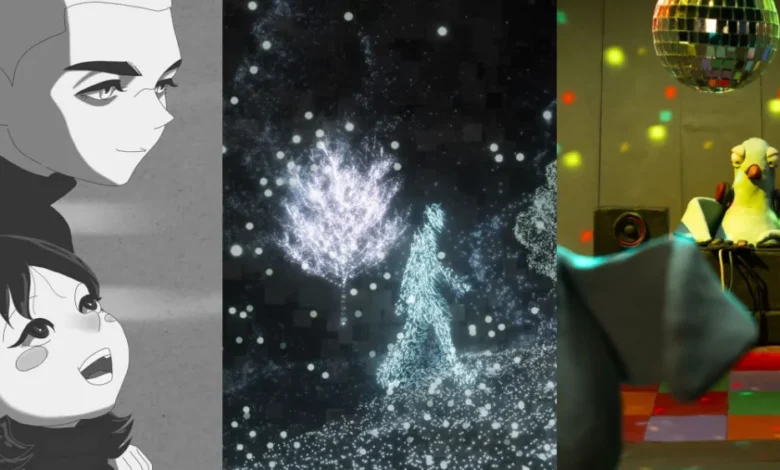
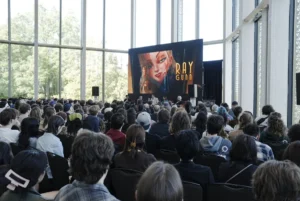
The 2026 edition of the BLON Animation and Games Festival, hosted in the historic Lithuanian port city of Klaipėda, has concluded as the most successful installment in the event’s decade-long history. By reporting sold-out festival passes and an unprecedented volume of film submissions, the festival has solidified its role as a pivotal hub within the Northern Animation Network, an influential collaborative framework encompassing festivals across Denmark, Sweden, and Norway. As the event closes, it leaves behind a clear signal that the Baltic animation sector is transitioning from a grassroots collection of individual talents into a structured, internationally recognized industry.
A Decade of Evolution: From Niche Gathering to Regional Powerhouse
Since its inception in 2015, BLON has served as a primary showcase for Baltic animation, gaming, and virtual reality (VR) projects. While the festival has maintained a steady presence in the European cultural calendar for ten years, the scale of its 2026 edition marks a significant departure from its early, more modest iterations.
The festival’s growth trajectory is best understood through its recent history. For the first several years of its existence, BLON functioned primarily as an international platform, struggling to curate a dedicated section for domestic work due to a lack of local submissions. It was not until 2023—only three years ago—that the volume and quality of Lithuanian-produced content reached a threshold that allowed for a standalone program focused exclusively on national works. This rapid acceleration from a lack of domestic content to a robust, multi-category national showcase reflects the broader maturation of the country’s creative ecosystem.
The Technological Catalyst: VR and Digital Innovation
Festival director Laura Almantaitė attributes the recent surge in interest to a unique confluence of technical aptitude and state-backed support. Lithuania’s emergence as a significant player in the digital arts is not accidental; it is rooted in a national cultural preference for high-tech disciplines. This inclination has yielded tangible results, particularly in the realm of immersive media. Over the last 36 months, Lithuanian VR projects have achieved consistent recognition on the global stage, including multiple selections at the prestigious Venice Film Festival.
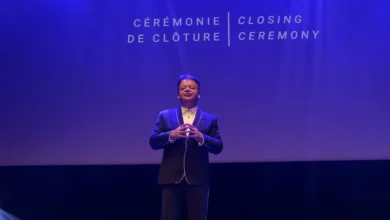
“I’d say this is because we are a technological culture,” Almantaitė noted during the festival’s closing proceedings. This technological proficiency has allowed local creators to bypass some of the traditional barriers to entry that have historically plagued smaller animation industries. By leveraging VR and interactive game design, Lithuanian artists have found a secondary, high-growth revenue stream that complements traditional 2D and 3D animation work.
The Milestone of Siberian Haiku
Perhaps the most significant indicator of the industry’s professionalization is the development of the animated feature Siberian Haiku. Currently in production, the project is a collaborative co-production involving studios in Lithuania, France, and Belgium. Based on the widely acclaimed Lithuanian comic book of the same name, the film represents a departure from the short-form content that has dominated the country’s output.
Industry analysts suggest that Siberian Haiku is more than just a creative endeavor; it is an infrastructure project. By engaging with the co-production treaties of France and Belgium, Lithuanian studios are forced to adopt international standards of project management, technical pipeline integration, and distribution. Almantaitė emphasized the importance of this shift, stating, “It’s a very anticipated work because it’s going to be our first real Lithuanian film based on a Lithuanian story. It will also give a boost to the industry in terms of visibility, but also in terms of the development of the talent inside the industry. We’re headed into a very nice phase of growth.”
Industry Structure and the Challenge of Identity
Despite the current optimism, the path to sustainable growth remains fraught with structural hurdles. Unlike its Baltic neighbors—Latvia, which benefits from the legacy of the historic Dauka studio, or Estonia, which maintains the internationally renowned Nukufilm—Lithuania lacks a centralized, state-sponsored studio legacy. This absence of a "national style" has historically been viewed as a weakness, but it is increasingly being framed as a defining characteristic of the Lithuanian approach.
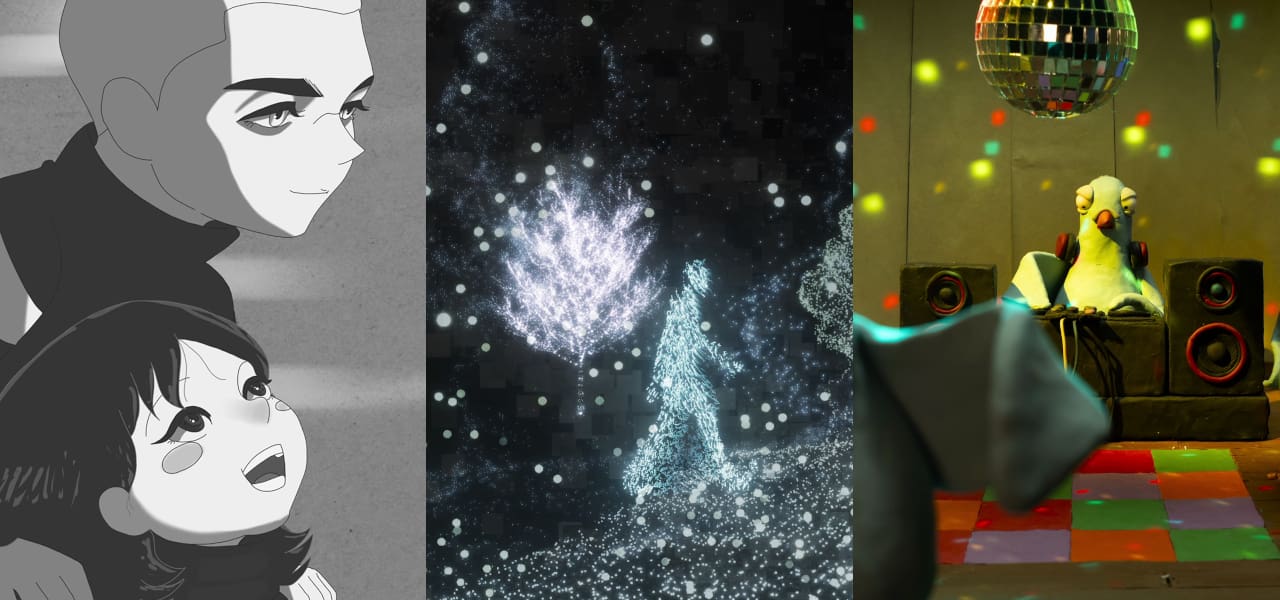
A collaborative study conducted by BLON and Sweden’s Rex Animation Film Festival highlights that, in the absence of a singular, dominant house style, Lithuanian animators have adopted an eclectic, highly experimental methodology. The 2026 festival program bore this out, featuring a diverse array of 2D, 3D, stop-motion, and hybrid techniques. While this lack of a unified identity once hampered collective branding, it now allows for a nimble, multi-disciplinary workforce that is better equipped to adapt to evolving market demands in gaming and interactive media.
However, funding remains a point of contention. The Lithuanian Film Centre, while supportive, still allocates a disproportionately higher share of its budget to live-action cinema compared to animation. Advocates for the animation sector argue that as the industry proves its capacity for international collaboration and high-quality storytelling, the funding gap must be addressed to ensure that local talent does not migrate to larger European markets.
Infrastructure and Future Outlook
The success of the 2026 festival has paradoxically highlighted the industry’s greatest vulnerability: physical infrastructure. With over 70 films screened in a single venue, the festival pushed the boundaries of its current logistics. This issue is representative of a larger, systemic problem in the Lithuanian arts sector—the loss of independent cinema venues following the transition away from the Soviet era.
.png)
Many of the independent theaters that once served as community hubs were demolished or repurposed in the 1990s and early 2000s, leaving a void in the country’s cultural infrastructure. For a festival that relies on high-quality technical screening environments, this lack of specialized space is a major barrier to future expansion.
Despite these logistical constraints, the mood among the Lithuanian creative community remains distinctly optimistic. The integration of gaming, VR, and traditional animation under the BLON umbrella has created a cross-pollination effect that is attracting a younger generation of tech-savvy artists. As the industry looks toward the completion of Siberian Haiku and the planning for the 2027 festival, the focus has shifted from mere survival to sustainable scaling.
Data and Implications
The quantitative growth of the 2026 BLON festival serves as a bellwether for the wider Baltic animation market. Data points from this year’s event include:
- Program Depth: Five distinct competition categories covering short-form animation, interactive gaming, and VR.
- Geographic Reach: A total of 70+ screened films representing the best of the Baltic region and international guests.
- Institutional Ties: Stronger integration with the Northern Animation Network, facilitating cross-border distribution and talent exchange.
The implication for the wider European animation market is clear: Lithuania is rapidly shedding its status as an emerging territory and is on track to become a competitive co-production partner. For international investors and studios, the combination of high-tech digital skills, lower production costs compared to Western Europe, and a growing slate of intellectual property derived from local literature suggests that the region is ripe for investment.
As the curtains fall on the 2026 edition, the organizers are already looking ahead. While the immediate goal is to resolve the infrastructure limitations for future editions, the overarching mission remains constant: to provide a home for the burgeoning community of artists who are, brick by brick, building a national animation industry from the ground up. The success of the festival in Klaipėda is no longer just a local event; it is the visible manifestation of a country successfully carving out its place in the global digital economy.