
Star Wars Jon Favreau Explains Why The Mandalorian And Grogus Reunion Happened In The Book Of Boba Fett
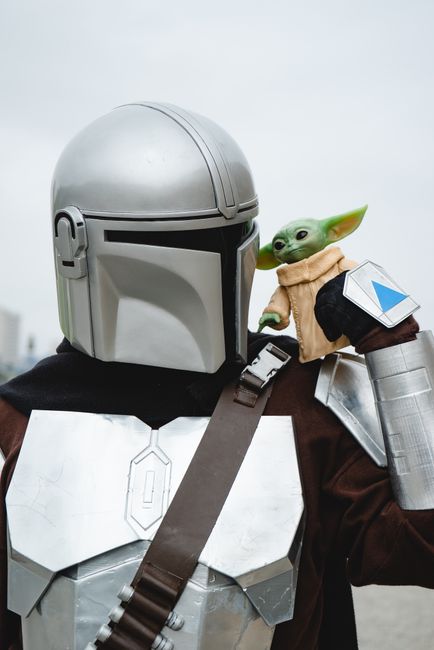
Jon Favreau Unpacks the "Mandalorian" and Grogu Reunion in "The Book of Boba Fett": A Strategic Narrative Choice
The highly anticipated reunion between Din Djarin, the titular Mandalorian, and Grogu, affectionately known as "Baby Yoda," in the penultimate episode of The Book of Boba Fett was a moment many fans had eagerly awaited since their separation in the Mandalorian season two finale. While the narrative arc of The Book of Boba Fett was primarily focused on Boba Fett’s attempts to establish himself as the crime lord of Tatooine, the inclusion of the Mandalorian and Grogu’s storyline served a crucial purpose, as explained by showrunner Jon Favreau. This wasn’t a mere fan-service cameo; it was a deliberate narrative decision designed to bridge the gap between seasons, advance key character arcs, and strategically set the stage for future Star Wars storytelling. Favreau’s insights reveal a meticulous approach to weaving interconnected narratives within the Disney+ era of Star Wars, prioritizing thematic consistency and the evolution of beloved characters.
Favreau, a central figure in the revitalization of the Star Wars live-action universe through his work on The Mandalorian and its spin-offs, articulated the rationale behind Grogu’s temporary absence from Din Djarin’s side and the subsequent reunion. He emphasized that Grogu’s training with Luke Skywalker, a significant event following the season two finale, was a necessary period of growth and development for the young Force-sensitive. This time spent with Jedi Master Luke was not just about Grogu learning the ways of the Force, but also about him making a conscious choice about his path. As Favreau explained, Grogu was presented with the iconic Jedi lightsaber and the Mandalorian’s beskar spear, symbolizing two distinct futures. The choice Grogu made, ultimately returning to Din Djarin, was pivotal. It wasn’t a passive return; it was an active decision that underscored his bond with the Mandalorian and his understanding of his own desires. This element of agency for Grogu was paramount in Favreau’s storytelling, preventing him from being a mere passive recipient of Jedi training.
The strategic placement of this reunion within The Book of Boba Fett also played a significant role. By dedicating a substantial portion of the later episodes to Din Djarin and Grogu, Favreau and his team were able to effectively transition viewers from the events of The Mandalorian season two towards the burgeoning narrative threads being established in The Book of Boba Fett. This effectively served as a bridge, maintaining audience engagement with these core characters while simultaneously developing the new narrative for Boba Fett. The story of Boba Fett, while compelling in its own right, required an anchor that audiences were already deeply invested in. The Mandalorian and Grogu provided that anchor, drawing viewers into Tatooine’s underworld through their familiar and beloved presence. Furthermore, Favreau alluded to the fact that this storyline was always intended to be a component of The Book of Boba Fett, rather than a standalone continuation of The Mandalorian. This indicates a level of interconnectedness in the planning of these Disney+ series, suggesting a more expansive and integrated approach to Star Wars storytelling than had perhaps been seen in previous eras.
The thematic resonance of Grogu’s choice was another key element Favreau highlighted. The idea of choosing between two paths, two fundamental aspects of the Star Wars universe – the Jedi and the Mandalorian way – is deeply ingrained in the saga’s lore. Grogu’s decision to embrace the familial bond with Din Djarin over the disciplined life of a Jedi resonated with the core themes of found family and the importance of personal connection that have defined The Mandalorian since its inception. Favreau’s explanation emphasized that Grogu’s time with Luke wasn’t a failure or a deviation from his journey, but rather a crucial step in solidifying what truly mattered to him. This allowed for a richer exploration of Grogu’s character, showcasing his developing sentience and his capacity for making profound decisions. The emotional weight of the reunion was amplified by this understanding of Grogu’s active participation in his own destiny.
From an SEO perspective, the direct explanation from Jon Favreau about this pivotal moment is a goldmine of keywords and search intent. Phrases like "Mandalorian Grogu reunion," "Book of Boba Fett explanation," "Jon Favreau interview," "Grogu’s choice," "Luke Skywalker training," and "Mandalorian beskar spear" are all highly relevant. By dissecting Favreau’s reasoning, we can create content that directly answers user queries and establishes authority on the topic. The narrative’s impact on future Star Wars projects is also a key consideration. Favreau’s insights suggest that the events depicted are not isolated but integral to the broader tapestry of Star Wars on Disney+. This implies that the reunion serves as a launchpad for subsequent storylines, whether in The Mandalorian season three or other potential series.
The specific framing of Grogu’s decision – the choice between the lightsaber and the spear – was a masterful stroke of visual storytelling and thematic depth. Favreau’s explanation underscores the symbolic weight of this choice. The lightsaber represents the legacy of the Jedi Order, a path of discipline, power, and a connection to the mystical Force. It’s a path fraught with both immense responsibility and potential isolation. The beskar spear, on the other hand, symbolizes the tangible protection and unwavering loyalty offered by the Mandalorian way. It represents a different kind of strength, rooted in community, honor, and a deep, personal bond. By placing these two iconic artifacts before Grogu, the narrative presented him with a clear and potent dichotomy. His decision to reach for the beskar spear, and subsequently embrace Din Djarin, was not merely an emotional reaction; it was a profound declaration of his priorities and his understanding of where he truly belonged. This resonated with the overarching theme of The Mandalorian, which consistently champions the idea of found family and the strength derived from genuine connection, often in defiance of established galactic powers.
Favreau’s perspective also sheds light on the perceived narrative “detour” of The Book of Boba Fett. While the series was ostensibly about Boba Fett, the extended focus on the Mandalorian and Grogu in its final episodes allowed Favreau to deliver a powerful continuation of their story without disrupting Boba’s own narrative arc. This strategic allocation of screen time ensured that both storylines received adequate attention and development. The reunion served as a satisfying payoff for Mandalorian fans while simultaneously providing a bridge to future adventures for both Din Djarin and Grogu. It allowed Grogu to complete a significant phase of his development, making a crucial decision about his identity and his future, before returning to his primary guardian. This avoids the pitfall of having Grogu simply return without a clear reason or a demonstration of his growth. Instead, his return is a result of a conscious choice, making it far more impactful.
The implication of Favreau’s explanations for the future of Star Wars is significant. The interconnectedness of these Disney+ series is clearly a cornerstone of their strategy. The Book of Boba Fett was not conceived in a vacuum; it was designed to be a piece of a larger, ongoing narrative. The reunion, therefore, isn’t just a conclusion to Grogu’s Jedi training arc but a vital precursor to whatever comes next for Din Djarin and Grogu in The Mandalorian season three and beyond. The fact that Grogu chose the Mandalorian way doesn’t negate his Jedi potential; it simply redefines his path. He can still learn from Din Djarin while perhaps developing his Force abilities in new and unique ways, possibly with the indirect influence of Luke Skywalker or other Force-sensitives encountered in the future. Favreau’s careful planning ensures that each series contributes to a cohesive and evolving Star Wars canon.
Moreover, the success of The Mandalorian has demonstrated the power of focusing on individual characters and their personal journeys within the grand tapestry of Star Wars. The reunion between Din Djarin and Grogu, while a moment of immense emotional satisfaction for fans, was also a testament to this philosophy. It reinforced the core appeal of the show: the profound and often unspoken bond between a lone warrior and a vulnerable child. Favreau’s explanation confirms that this emotional core remains the driving force, even as the scope of the Star Wars universe on Disney+ continues to expand. The reunion was a calculated move to solidify this bond and ensure its continued relevance for future narratives. It’s about character development first and foremost, with the overarching plot and universe-building serving to enhance those individual arcs.
The narrative choice to have Grogu return to Din Djarin also addresses the lingering question of Grogu’s unique nature. He is not a typical Jedi Padawan, nor is he simply a child. He is a being with immense power and a deep capacity for love and connection. His choice reflects this duality, suggesting that he can forge his own path, one that might blend the discipline of the Force with the warrior ethos of the Mandalorians. Favreau’s insights suggest an understanding of this nuanced character development, ensuring that Grogu’s journey remains complex and compelling. The reunion, therefore, isn’t an endpoint but a significant turning point, opening up new possibilities for his development and his integration into the wider Star Wars galaxy.
In conclusion, Jon Favreau’s explanations regarding the Mandalorian and Grogu reunion in The Book of Boba Fett underscore a deliberate and strategically executed narrative plan. This wasn’t a haphazard addition; it was a calculated move to advance character arcs, bridge storytelling between seasons, and reinforce the thematic core of The Mandalorian. By allowing Grogu to make a conscious choice between two significant paths, Favreau ensured his agency and deepened the emotional resonance of his return. The reunion served as a crucial narrative pivot, maintaining audience investment in beloved characters while paving the way for future explorations of the Star Wars universe. The emphasis on interconnected storytelling and the meticulous development of character relationships, as articulated by Favreau, are key drivers of the ongoing success of these Disney+ Star Wars series, ensuring a rich and engaging future for fans. The SEO benefits of this detailed insight into Favreau’s rationale are clear, providing valuable content for fans seeking to understand the deeper meaning and strategic planning behind their favorite Star Wars stories.
