Ilford Photo Announces Limited-Edition Delta 400 Professional Collector’s Edition Film Featuring Clearer Base and Anti-Halation Layer

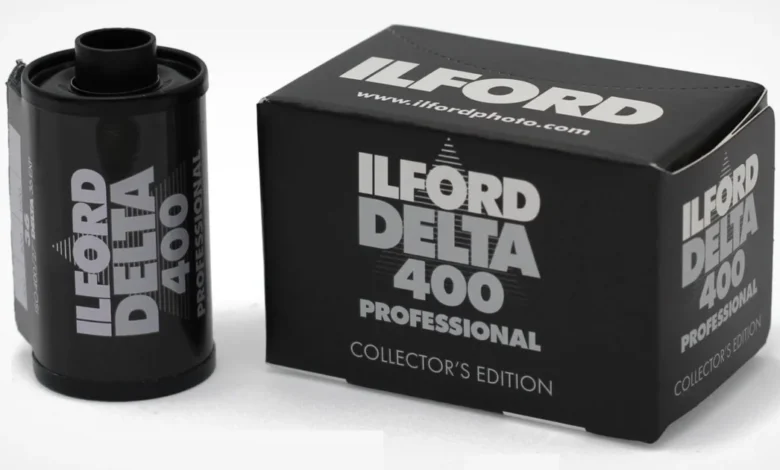
The global photographic community has received a fresh surge of excitement as iconic black-and-white film manufacturer Ilford Photo formally introduced the Ilford Delta 400 Professional Collector’s Edition. Available exclusively in the standard 135 (35mm) format, this newly developed iteration of the company’s renowned high-speed emulsion aims to push the boundaries of traditional silver-halide photography. While maintaining the core speed, ISO rating, and processing parameters of its predecessor, this limited release incorporates a fundamentally redesigned internal architecture. Featuring a specialized clear roll film base coupled with advanced anti-halation protection, the Collector’s Edition marks a significant milestone in Ilford’s decades-long history of manufacturing analog materials. Priced at $15.19 per roll, the product is currently rolling out strictly through authorized brick-and-mortar retail channels rather than direct-to-consumer online storefronts, creating an immediate wave of demand among analog enthusiasts worldwide.
The Evolution of Delta 400: Technical Specifications and Design
At first glance, the Ilford Delta 400 Professional Collector’s Edition presents a striking aesthetic departure from the standard yellow-and-black packaging long familiar to darkroom practitioners. The film is housed in a sleek, minimalist all-black cassette, matched with a similarly styled outer carton that signals its premium positioning. However, the true innovation lies beneath the emulsion layer.
Historically, standard 35mm black-and-white films utilize a gray or tinted acetate or polyester base to prevent light from bouncing off the pressure plate of the camera and back into the emulsion—a phenomenon known as halation, which creates unwanted glowing halos around bright light sources. Conversely, roll films intended for medium and large formats (such as 120 and sheet film) have occasionally utilized clearer bases. With the Collector’s Edition, Ilford has for the first time applied a clearer 35mm roll film base equipped with dedicated anti-halation protection.
According to technical briefs released by the company, this structural modification yields distinct performance enhancements over the standard Delta 400 Professional formulation. Photographers can expect subtle yet noticeable improvements in overall image sharpness, enhanced dynamic range, richer shadow detail rendition, and superior scanning characteristics. Because the chemical composition of the emulsion itself remains fundamentally identical to the original stock, traditional processing times and standard chemistry—such as Ilford Ilfotec, ID-11, or Perceptol—remain completely unchanged, ensuring seamless integration into existing lab workflows.
Strategic Intent: A Market Test Disguised as a Collector’s Item
Despite the technical advantages touted by the manufacturer, the decision to market the emulsion as a strictly limited-edition product has generated considerable discussion across photography forums and social media platforms. In an era where analog photography is experiencing a sustained cultural and commercial renaissance, enthusiasts naturally questioned why a demonstrably superior product would be restricted in supply.
Ilford addressed these inquiries directly through an official statement on its social media channels, clarifying the strategic philosophy guiding the release. Company representatives confirmed that the Collector’s Edition serves essentially as a live market test. By releasing the film in limited quantities "while stocks last," Ilford aims to gauge consumer appetite, gather empirical feedback from working professionals and hobbyists, and evaluate whether the heightened production costs associated with the new base are commercially viable on a mass scale.
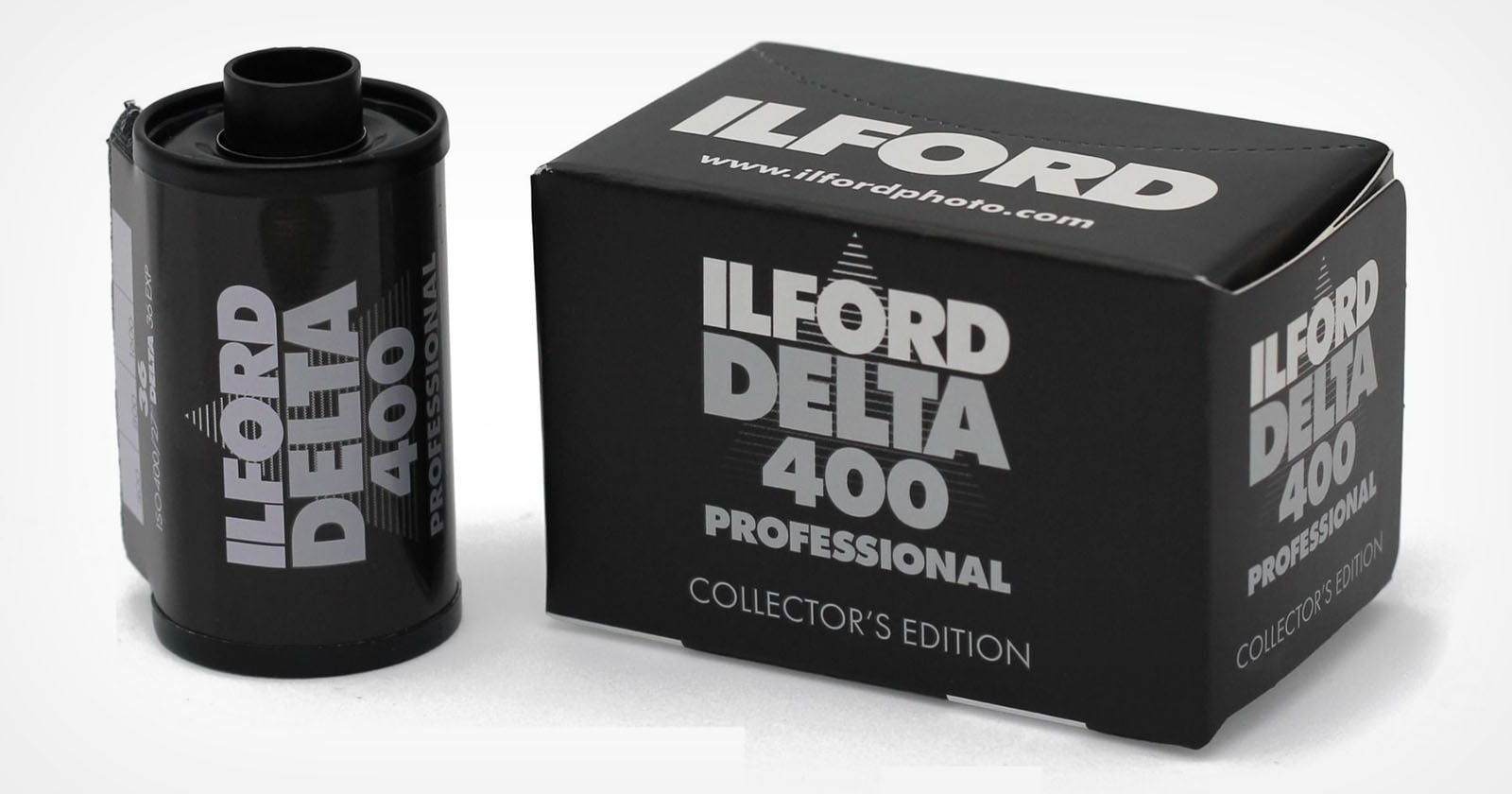
Industry analysts note that manufacturing films with specialized anti-halation layers and clearer bases demands precise engineering tolerances and higher production expenditures. Consequently, if the market response proves favorable and the product transitions from a limited run to a permanent catalog offering, company officials have explicitly warned that the retail price will likely exceed that of the standard Delta 400 Professional line. For now, the product is retailed at $15.19 per roll, keeping it temporarily aligned with specialty film pricing while the company measures consumer elasticity and demand.
Distribution Strategy and Retail Availability
In a departure from contemporary e-commerce trends, Ilford has chosen a deliberately localized distribution model for the Collector’s Edition. Eschewing direct online sales through its primary corporate website, the manufacturer has channeled the entire inventory through its global network of authorized physical retail partners.
This brick-and-mortar exclusivity strategy is viewed by market observers as a deliberate nod to independent camera shops and specialty photographic dealers who form the backbone of the analog community. By driving foot traffic directly into local camera stores, Ilford supports the physical infrastructure essential to the ongoing survival of film photography. However, this method has also resulted in swift inventory depletion, as eager shooters rush to secure limited allocations before supplies are exhausted. Consumers seeking to acquire a roll are directed to check stock levels via Ilford’s official online store locator tool, filtering specifically for authorized local dealers.
Broader Implications for the Analog Photography Industry
The introduction of the Ilford Delta 400 Professional Collector’s Edition arrives at a pivotal juncture for the photographic industry. Over the past decade, film manufacturing has navigated a precarious path of revitalization, characterized by rising raw material costs, supply chain vulnerabilities, and surging demand driven by younger generations discovering the tactile nature of analog imaging.
Major legacy players, including Ilford Photo (HARMAN technology), Kodak Alaris, and Fujifilm, have increasingly focused on research and development to modernize classic emulsions without losing the distinct character that defines silver-halide photography. By experimenting with clearer bases and enhanced anti-halation technologies in a 35mm format, Ilford is demonstrating a willingness to innovate rather than merely rely on archival formulations.
If the market experiment succeeds, the implications could extend far beyond a single product line. A successful rollout might encourage further technical refinements across other popular emulsions within the Ilford catalog, potentially leading to a new generation of high-performance black-and-white films tailored specifically for modern hybrid workflows—where traditional analog capture meets high-resolution digital scanning.
As the photographic community continues to test, shoot, and evaluate the Collector’s Edition, the ultimate verdict rests in the hands of the end-users. Whether this clear-based emulsion remains a fleeting collector’s curiosity or evolves into a permanent staple of the modern darkroom will depend entirely on the reception of those fortunate enough to secure a roll in this initial, highly constrained release.