Hardt Antoine Harnesses Tactile Production Workflows for Kompakt Debut Let Me Go

London-based producer and Fabric resident Hardt Antoine has officially unveiled his latest single, "Let Me Go," a release that marks a significant milestone in his career by arriving on the prestigious Cologne-based label Kompakt. The record is characterized by a sophisticated sense of movement and meticulous control, qualities that have become hallmarks of Antoine’s contributions to the contemporary electronic music landscape. Built around a focused rhythmic core, the track navigates the delicate balance between deliberate composition and spontaneous creative bursts, offering a masterclass in modern techno and house production.
The emergence of "Let Me Go" provides a unique window into the production philosophy of an artist who has become a staple of the London underground scene. As a resident of Fabric, one of the world’s most influential nightclubs, Antoine is tasked with maintaining a constant pulse on the dance floor’s evolving needs. This professional environment has directly informed his studio sessions, where the speed of execution is prioritized over the pursuit of clinical perfection. For Antoine, the creative process is most effective when the distance between a mental concept and its sonic expression is minimized, a workflow facilitated largely by his reliance on integrated hardware and software systems.
The Significance of the Kompakt Release
To understand the weight of this release, one must look at the history of the Kompakt label. Founded in 1993 by Wolfgang Voigt, Reinhard Voigt, Michael Mayer, and Jürgen Paape, Kompakt has spent over three decades defining the "Cologne sound"—a blend of minimal techno, ambient textures, and melodic sensibilities. For a London-based producer like Hardt Antoine to secure a release on this platform suggests a bridge between the gritty, industrial energy of the UK capital and the refined, often experimental aesthetic of German electronic music.
"Let Me Go" fits seamlessly into this lineage. It avoids the cluttered arrangements often found in modern digital productions, instead favoring a lean, muscular groove that relies on the interaction of a few high-quality elements. This economy of sound is not a result of a lack of ideas, but rather a disciplined adherence to limitation. Antoine’s approach suggests that by narrowing the available tools, a producer can force a higher degree of creativity from the remaining components.
A Workflow Defined by Tactile Interaction
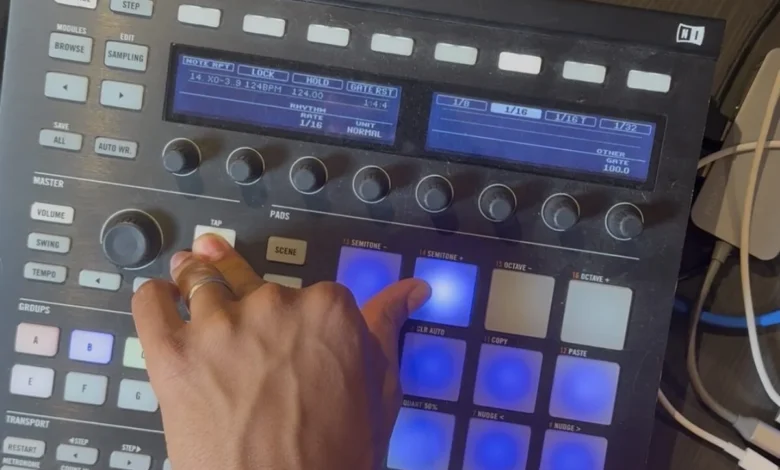
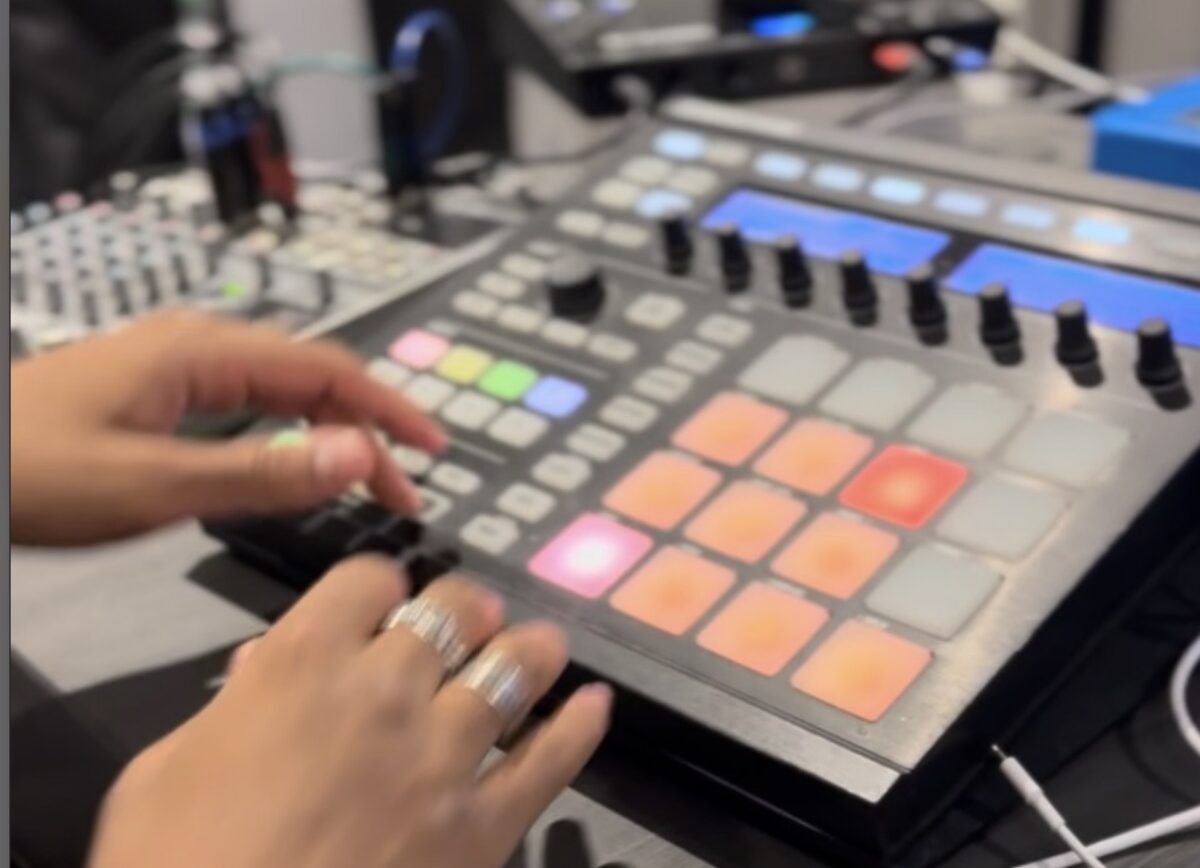
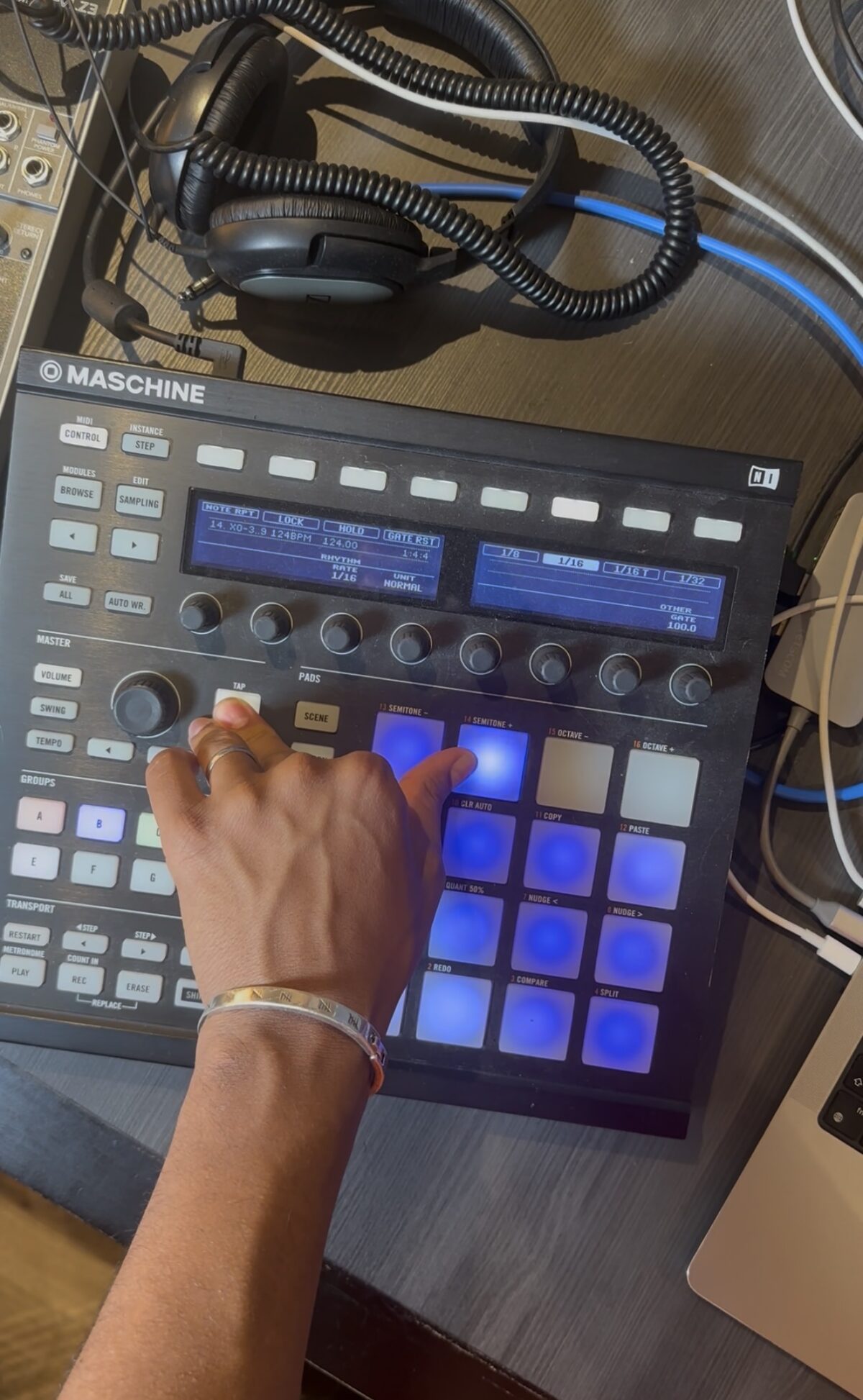
Central to the creation of "Let Me Go" was the use of Native Instruments’ Maschine, a production system that combines a hardware controller with a dedicated software environment. In an era where many producers are "in the box"—relying exclusively on a computer mouse and keyboard—Antoine’s preference for hardware highlights a growing trend toward tactile music-making. He describes Maschine as a "direct connection between thought and sound," allowing for a level of experimentation that feels unplanned yet inherently musical.

Antoine’s studio sessions typically begin without rigid rules. Depending on his "headspace," he may start with a melodic motif or a rhythmic foundation. When chasing a melodic idea, he often utilizes simple sine-wave synthesizers or basic piano sounds. This allows him to focus entirely on the composition—the notes, the timing, and the emotional resonance—before transitioning into the sound design phase. By decoupling the writing of the melody from the complexity of the final texture, he ensures that the track’s core remains strong even before professional-grade filters and effects are applied.
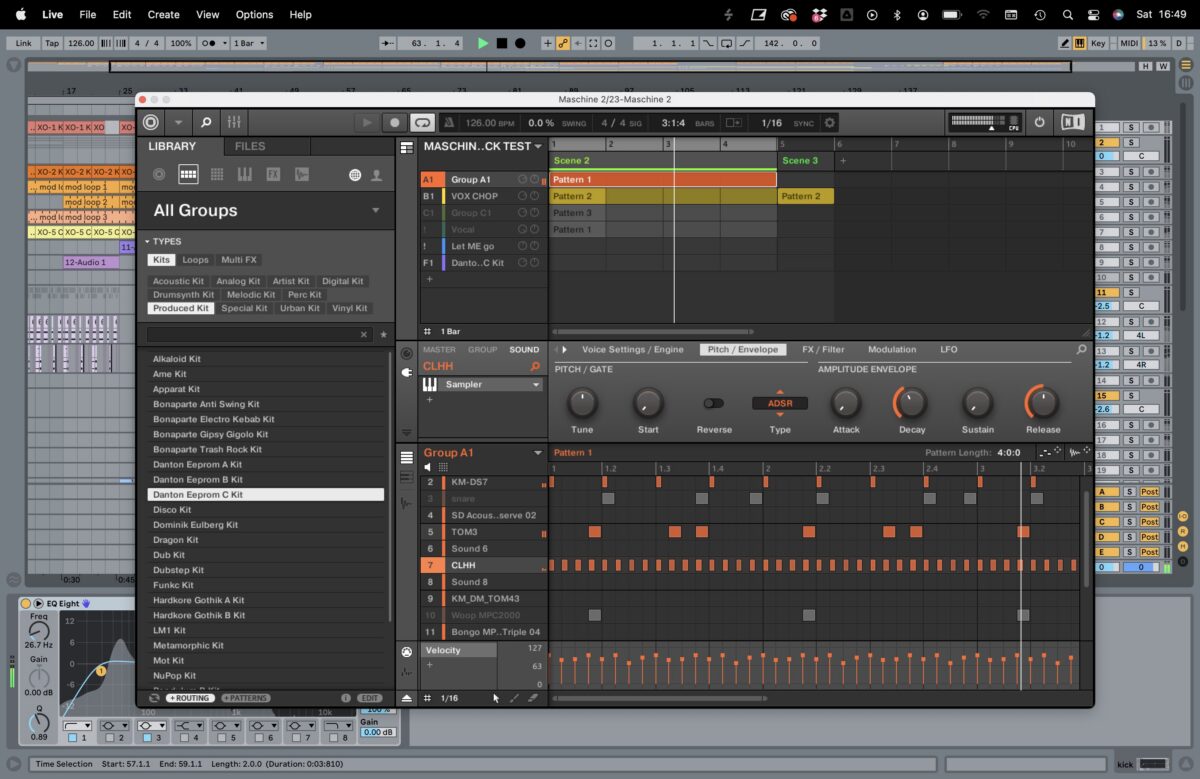
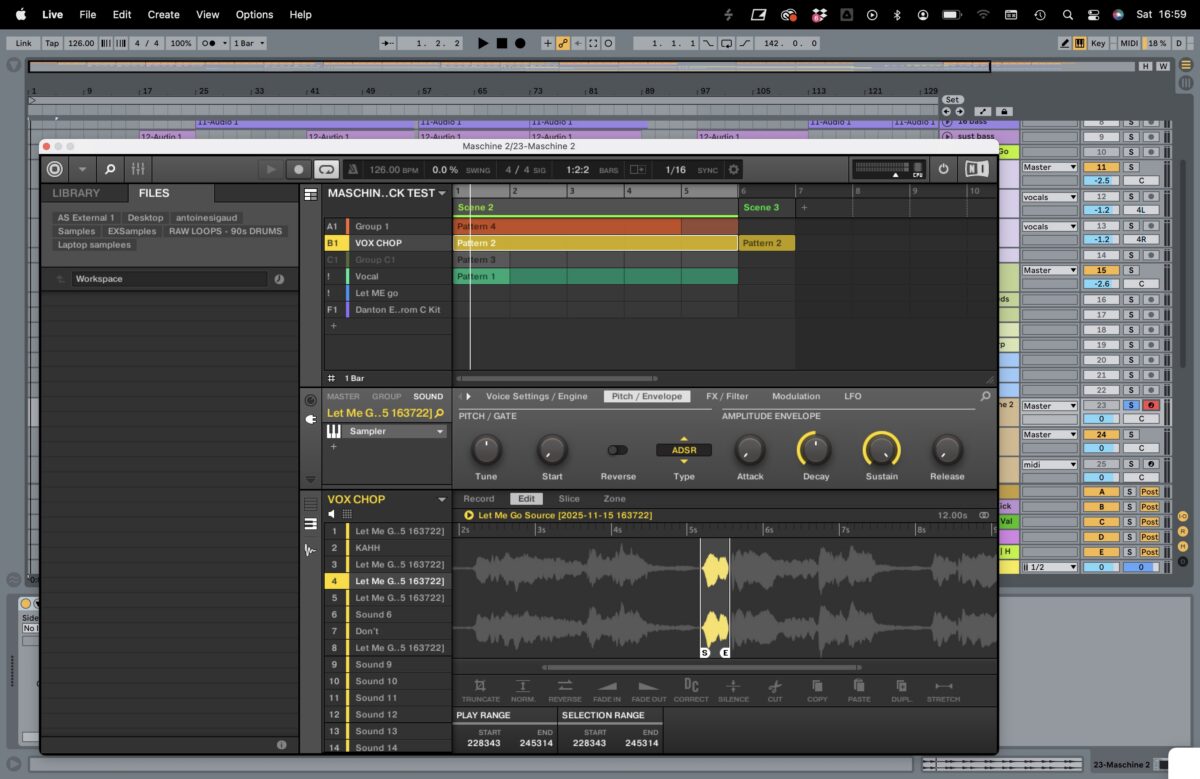
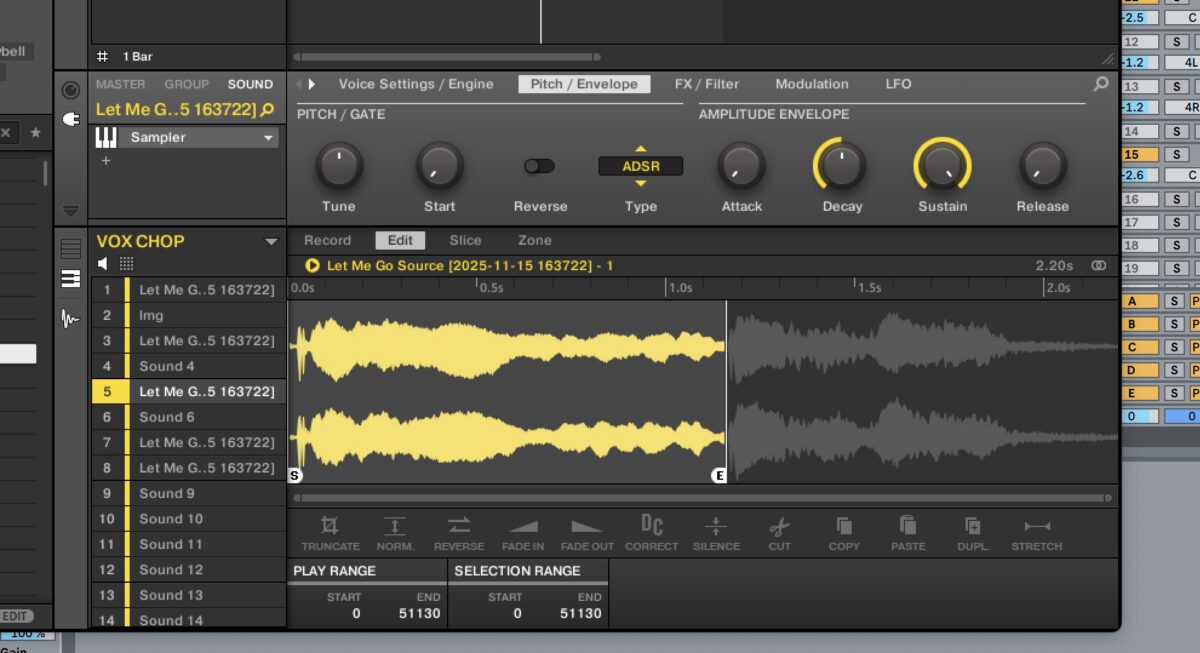
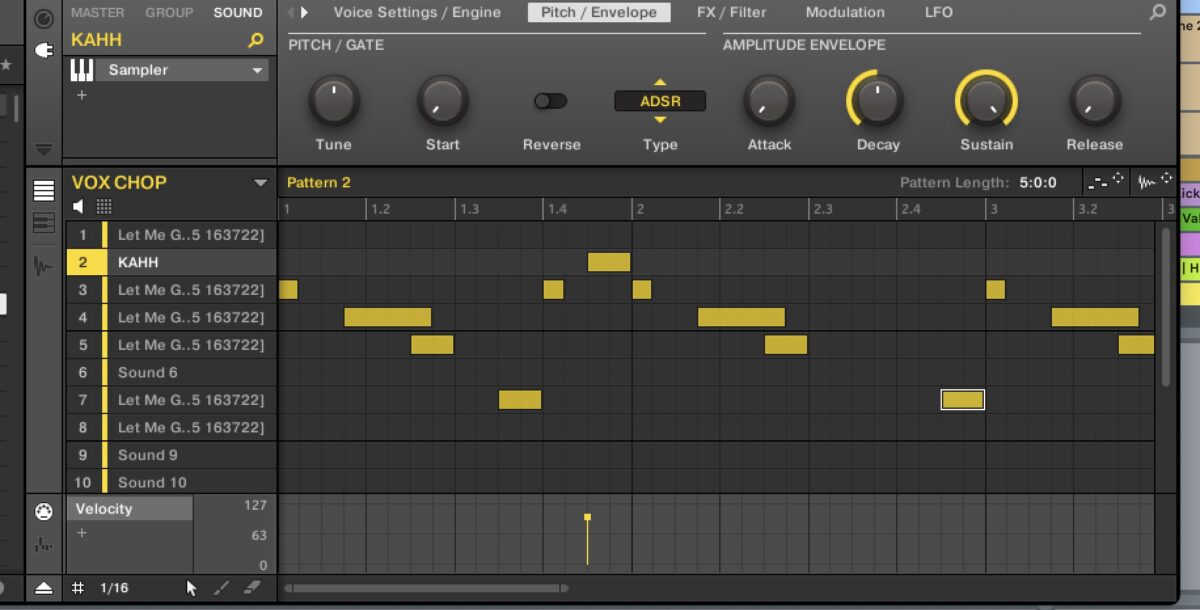
However, it is in the realm of rhythm and sampling where Antoine’s workflow truly distinguishes itself. He frequently begins by dropping a long sample—often a vocal line or a percussive loop—into the sampler and quickly "chopping" it into manageable segments. These segments are then assigned to individual pads on the hardware controller, effectively creating a custom "kit" of sounds. This method was instrumental in the development of the vocal hook in "Let Me Go," where consonant syllables were discovered through rapid, instinctive sampling rather than a pre-meditated arrangement.
Technical Precision through Envelopes and Sound Shaping
A critical technical component of Antoine’s sound is his use of envelopes to define the "groove" of a track. In electronic music, the groove is not just about where a drum hit sits on a grid, but how long that sound lasts and how it decays. Antoine utilizes ADSR (Attack, Decay, Sustain, Release) and AHR (Attack, Hold, Release) envelopes within his hardware setup to shape every individual sample.
This level of granular control allows him to ensure that a kick drum, a tom, and a hi-hat are "talking to each other" correctly. By shortening the release of a sound or adjusting the attack, he can prevent frequency masking—where two sounds overlap and create a muddy mix—right at the source. This proactive approach to sound shaping means that by the time the track is ready for the final mixing stage, very little corrective equalization or compression is required. The "Let Me Go" sessions were defined by this philosophy; the kick, tom, and hi-hat were sculpted to anchor the track with a "human flavor" that avoids the sterile quality of purely programmed drums.
The Psychology of Limitation and Commitment
Beyond the technical specifications, Antoine’s process touches on the psychology of modern music production. The digital age has provided producers with an infinite array of plugins, virtual instruments, and samples, often leading to "option paralysis." Antoine counters this by embracing the limitations of hardware. He notes that using physical machines encourages him to commit to a sound once it has been recorded or exported.
In the production of "Let Me Go," this sense of commitment was vital. Antoine argues that the imperfections inherent in a hardware-focused workflow are what make a track sound "musical." By avoiding the temptation to "tweak forever," he captures a moment in time—a snapshot of a creative impulse that hasn’t been polished into oblivion. This philosophy aligns with the broader movement in electronic music toward "live-to-stereo" or "daw-less" jamming, where the energy of the performance is prioritized over the surgical precision of digital editing.
Chronology of the Single’s Development
The development of "Let Me Go" followed a logical progression from raw instinct to refined structure:
- Ideation Phase: Antoine began by cycling through ideas quickly, using simple synth patches to establish the melodic framework.
- Rhythmic Foundation: Using Maschine, he layered percussive elements, focusing on the interplay between the low-end (kick and toms) and the high-frequency accents (hi-hats).
- The Hook Discovery: A long vocal sample was imported and aggressively chopped. The "happy accident" of the track—the rhythmic syllables at the end of the vocal pattern—was identified during this phase.
- Envelope Shaping: Every sound was passed through ADSR/AHR envelopes to ensure a tight, cohesive mix.
- Final Arrangement: The spontaneous hardware sessions were brought into the digital audio workstation (DAW) for final detailing and arrangement, ensuring the track met the professional standards required by Kompakt.
Broader Industry Impact and Implications
The release of "Let Me Go" and Antoine’s transparency regarding his workflow come at a time of transition for the electronic music industry. As artificial intelligence and algorithmic composition tools begin to enter the studio, the value of the "human touch" and tactile interaction has increased. Antoine’s success as a Fabric resident and a Kompakt artist serves as a validation of the "instinct-first" approach.

For emerging producers, Antoine’s methodology offers a roadmap for finishing work in an age of distraction. His "pro tips"—such as importing favorite sounds into a dedicated hardware browser for faster loading and using one group per chopped sample for better visualization—are practical solutions to common workflow bottlenecks.
Furthermore, the track’s success on Kompakt highlights the enduring relevance of traditional label structures in an era of self-distribution. A label like Kompakt provides more than just a distribution channel; it offers a stamp of quality and a context within a global community of listeners. By aligning his tactile, hardware-driven sound with the legacy of Cologne’s finest export, Hardt Antoine has positioned himself as a key figure in the next generation of techno innovators.
In summary, "Let Me Go" is more than just a club track; it is a testament to the power of workflow. It proves that when an artist understands their tools and trusts their instincts, the result is a piece of music that feels both timeless and of-the-moment. As Antoine continues his residency at Fabric and expands his discography, his commitment to the physical, tactile nature of sound will likely remain the engine of his creativity.
Related posts: