
Game Of Thrones Star Charles Dance Explains Why He Turned Down Auditioning For James Bond
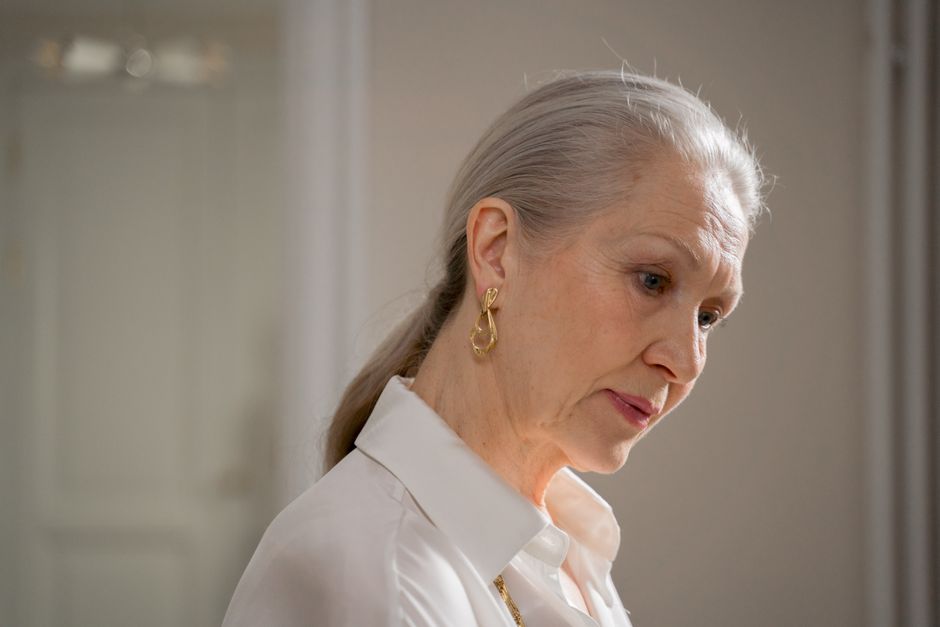
Charles Dance Explains His Refusal to Audition for James Bond
Charles Dance, a distinguished actor renowned for his commanding presence and iconic roles, including his memorable turn as Tywin Lannister in HBO’s Game of Thrones, has revealed a surprising decision from earlier in his career: his refusal to audition for the role of James Bond. This revelation, shared in various interviews and discussions about his extensive filmography, offers a fascinating insight into the actor’s professional philosophy and his discerning approach to his craft. While the allure of playing the world’s most famous spy is undeniable, Dance’s reasoning stems from a deep-seated respect for the character and a commitment to artistic integrity, rather than a lack of interest in the franchise itself.
The specific timing of Dance’s brush with the Bond franchise is often cited as being in the late 1980s, a period when Timothy Dalton was preparing to step away from the role. The producers were actively seeking a successor, and Dance, with his gravitas and distinctive on-screen persona, was reportedly considered a strong contender. However, instead of embracing the opportunity to audition, Dance made a conscious decision to decline. His explanation is not one of arrogance or a dismissal of the Bond films, but rather a thoughtful consideration of what the role represented and his own aspirations as an actor.
Dance has articulated that his primary reservation revolved around the perceived trajectory of the James Bond character. He expressed concerns that the role, while undeniably iconic, had become somewhat formulaic and perhaps even creatively restrictive. For Dance, who has a reputation for seeking out complex and nuanced characters, the prospect of embodying a figure whose narrative arc and stylistic elements were so pre-defined may have felt less compelling than the varied and challenging roles he has consistently pursued throughout his career. He has often emphasized the importance of creative freedom and the opportunity to imbue characters with his own interpretations, a luxury that a role as rigidly established as James Bond might not readily afford.
Furthermore, Dance has alluded to a desire to avoid being typecast. While the James Bond franchise offers immense global recognition and financial rewards, it also carries the significant risk of an actor becoming inextricably linked to that single persona. Dance has cultivated a diverse portfolio, successfully portraying heroes, villains, and everything in between, demonstrating a remarkable range. The idea of having his career primarily defined by the suave, tuxedo-clad secret agent was likely not in alignment with his artistic ambitions. He has spoken in interviews about his preference for roles that allow for deeper exploration of human psychology and morality, often finding that such opportunities lie in more independent or character-driven productions.
The timing of the Bond offer also played a role in Dance’s decision. He has implied that the specific iteration of Bond being developed at that time may not have resonated with his artistic sensibilities as much as others. The evolution of the Bond character, from its more overtly masculine and sometimes problematic origins to the more modern and layered portrayals seen in recent installments, is a testament to the franchise’s adaptability. However, at the juncture when Dance was approached, the character’s direction may not have aligned with his personal artistic vision or the kind of storytelling he felt drawn to.
Dance’s refusal is a powerful illustration of an actor prioritizing artistic fulfillment over a potentially lucrative but creatively compromising role. It speaks to a mature understanding of his own strengths and limitations, and a commitment to building a career based on substance rather than mere celebrity. His career trajectory, marked by critically acclaimed performances in films like Alien 3, Last Action Hero, and the aforementioned Game of Thrones, certainly supports this assertion. He has consistently chosen projects that offer him the chance to stretch his abilities and engage with challenging material.
The allure of James Bond is undeniable, and many actors would leap at the chance to embody the character. However, Charles Dance’s decision highlights a different set of priorities. It suggests that for some, the creative integrity of a role and the opportunity for genuine artistic expression hold more weight than the prestige and fame that often accompany such iconic parts. His explanation is not a rejection of the Bond legacy, but rather a personal declaration of his own artistic compass.
His ability to analyze and articulate his choices with such clarity is indicative of a seasoned professional who understands the nuances of the film industry and his place within it. He is not simply an actor who performs; he is an artist who curates his career. This proactive approach to his professional life, rather than a passive acceptance of opportunities, has undoubtedly contributed to his sustained success and the respect he commands within the industry.
The absence of a Charles Dance portrayal of James Bond is certainly a point of curiosity, and one can only speculate on how his unique gravitas might have shaped the character. However, his refusal underscores a fundamental truth about his acting philosophy: he seeks roles that challenge him, allow for depth, and align with his personal artistic vision. His decision to forgo the opportunity to audition for James Bond, therefore, is not a missed chance but a deliberate choice, a testament to his commitment to a career built on artistic integrity and genuine creative expression. This perspective offers a valuable lesson for aspiring actors and highlights the multifaceted considerations that go into building a successful and fulfilling career in the performing arts. The impact of such a choice resonates beyond the individual, offering a glimpse into the thoughtful decision-making that shapes the landscape of cinematic history. His deliberate choices have allowed him to avoid the potential pitfalls of typecasting and instead build a legacy of diverse and impactful performances. The opportunity to play Bond, while prestigious, would have likely meant a significant shift in the kinds of roles he was subsequently offered, and Dance’s foresight in recognizing this potential constraint is a mark of his astute professional judgment. He has consistently demonstrated an ability to deliver memorable performances across a wide spectrum of genres, from the menacing Tywin Lannister to the stoic Mr. Smith in Last Action Hero. This versatility is a direct result of his careful selection of roles, prioritizing creative depth and character complexity. His explanation for declining the Bond audition is not a simple "no," but rather a detailed exposition of his artistic values and his long-term career aspirations. It is a narrative that emphasizes the importance of self-awareness and the courage to prioritize personal artistic vision over conventional career paths. The enduring appeal of James Bond lies in its ability to reinvent itself, but for Charles Dance, the inherent structure of the role, at that particular time, did not offer the creative canvas he sought. This thoughtful approach to his career is what distinguishes him as an actor of considerable talent and profound professional discernment. His legacy is built on the rich tapestry of characters he has brought to life, each one a testament to his commitment to the craft of acting. The Bond opportunity, in his estimation, might have limited that tapestry, and his decision to walk away speaks volumes about his dedication to artistic exploration and his unwavering pursuit of roles that ignite his passion and allow him to truly inhabit a character. This self-awareness and commitment to authenticity have cemented his status as a respected and admired figure in the world of film and television.
