Ketchup Entertainment Unveils Final, Emotionally Resonant Trailer for Coyote vs. Acme, Sparking Renewed Industry Enthusiasm

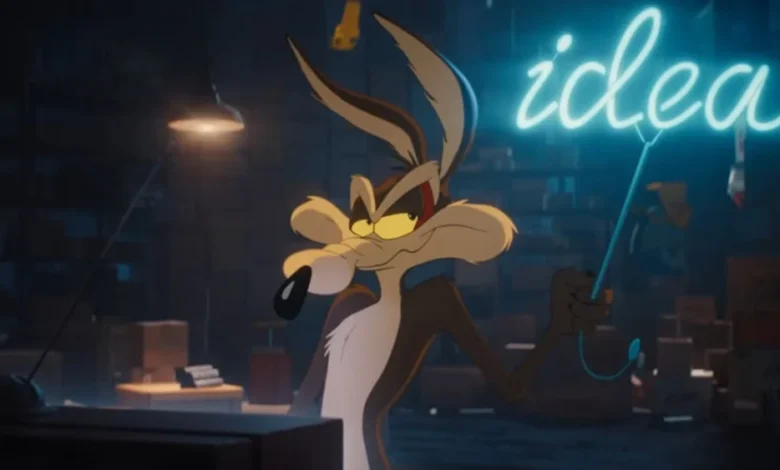
Ketchup Entertainment has officially released the final, full-length trailer for the much-anticipated film Coyote vs. Acme, confirming industry whispers that the live-action-animation hybrid is as brilliant and innovative as insiders have claimed for years. This latest preview not only builds upon the fast-paced, gag-filled setup of its predecessor but also delves deeper into the narrative’s unexpected emotional core, providing a clearer understanding of the profound industry buzz that has surrounded the movie since its inexplicable shelving by Warner Bros. three years ago. The decision by Ketchup Entertainment to acquire and theatrically release the film marks a significant moment, not just for the production itself, but for the ongoing debate surrounding studio content strategies and the perceived value of completed cinematic works.
The Unveiling of the Final Trailer: A Glimpse into Depth and Ambition
The newly released trailer provides a more measured and comprehensive look at director Dave Green’s ambitious vision. While the initial teaser focused primarily on the quintessential slapstick humor synonymous with Wile E. Coyote, hinting at the classic character’s legal battle against the infamous Acme Corporation, this follow-up reveals the surprising scale and emotional weight woven into the narrative. The footage showcases not only a plethora of ingeniously updated variations on Coyote’s elaborate, often self-inflicted disasters, but also firmly establishes a compelling story arc. Central to this is the budding, albeit unusual, relationship between Wile E. Coyote and Kevin Avery, a struggling attorney portrayed by Will Forte, who reluctantly agrees to represent the long-suffering coyote in his groundbreaking lawsuit.
The trailer adeptly balances the expected comedic chaos with moments of genuine character development, suggesting that the filmmakers have treated Wile E. not merely as an indestructible vehicle for gags, but as a character capable of eliciting empathy. This approach is a significant departure from his traditional portrayal, offering a fresh twist on a beloved classic that resonates deeply with viewers. The integration of animated characters into the live-action world appears seamless and natural, a testament to the film’s technical prowess and meticulous direction. Furthermore, the trailer introduces more elements of boardroom comedy, highlighting the satirical undertones of a cartoon character navigating the labyrinthine complexities of the legal system against a corporate giant. This blend of humor, heart, and sophisticated animation has solidified the belief among many that Coyote vs. Acme is a unique cinematic offering, poised to redefine audience expectations for Looney Tunes adaptations.
A Saga of Studio Controversy: The Film’s Tumultuous Journey
The journey of Coyote vs. Acme to the silver screen has been anything but conventional, marked by a series of contentious decisions by its original distributor, Warner Bros. Discovery. The film, inspired by Ian Frazier’s satirical 1990 New Yorker article "Coyote v. Acme," which imagined a legal battle between Wile E. Coyote and the ubiquitous, notoriously unreliable Acme Corporation, began production with considerable promise. Directed by Dave Green and featuring a screenplay by Samy Burch, the film boasted a talented cast including Will Forte, John Cena, Lana Condor, and Tone Bell, blending live-action performances with cutting-edge animation for its iconic cartoon characters.
Production was completed in 2022, with an initial budget reported to be around $70 million. The film was reportedly well-received in early internal screenings, generating significant enthusiasm among those who saw it. However, its fate took an unforeseen turn when, in November 2022, Warner Bros. Discovery announced its intention to shelve the film entirely. This decision was part of a broader strategy under CEO David Zaslav, aiming to leverage a tax write-off of approximately $30 million. This move sent shockwaves through Hollywood, coming shortly after the highly publicized cancellation of the completed Batgirl film and the animated feature Scoob! Holiday Haunt, both for similar financial reasons. The strategy prioritized immediate tax benefits over potential theatrical or streaming revenue, sparking outrage among filmmakers, talent, and industry observers who viewed it as a devaluing of creative work.
Following widespread outcry and pressure from the creative community, Warner Bros. Discovery relented slightly, allowing the filmmakers to shop the movie to other distributors. Over several months in late 2022 and early 2023, the film was screened for potential buyers, including major streaming platforms like Netflix, Amazon, and Apple. Reports indicated strong interest and competitive bids, with offers reportedly reaching close to $80 million. However, a deal failed to materialize, largely due to Warner Bros.’ insistence on a higher price point that would still allow them to claim a substantial tax write-off if no sale occurred, or a valuation that made it difficult for other platforms to justify the acquisition given their own financial models and content strategies.
Then, in November 2023, Warner Bros. Discovery made the astonishing announcement that, despite the strong interest from other buyers, they would once again shelve Coyote vs. Acme for a tax write-off. This second shelving ignited a fresh wave of condemnation, with many industry figures accusing the studio of prioritizing short-term financial gains over artistic integrity and creator morale. The decision was widely seen as a significant blow to the film’s cast and crew, who had poured years of effort into its production, and a stark warning about the precarious nature of content in the evolving media landscape. The hashtag #ReleaseCoyoteVsAcme trended globally, reflecting widespread public and industry frustration.
Creative Vision and Critical Acclaim: An Unexpected Depth
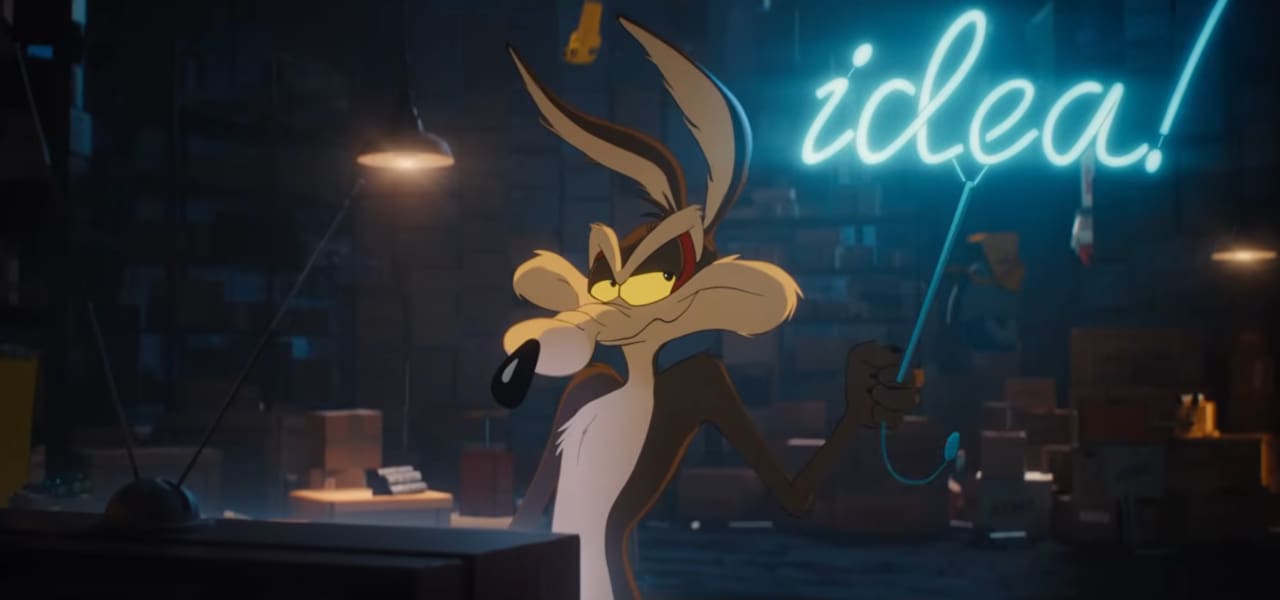
Despite its tumultuous journey, Coyote vs. Acme consistently garnered fervent praise from the select few industry professionals who were privy to early screenings. Among them, Cartoon Brew co-founder Amid Amidi, who viewed the film in 2023, famously declared it "SUPERB!" and commended its "unexpectedly affecting portrait of the famously obsessive Coyote." This sentiment was echoed by other insiders, contributing to an almost legendary status for the unreleased film, with whispers of its quality only intensifying with each new report of its near-demise.
The film’s strength, as hinted by the new trailer and confirmed by early viewers, lies in its ability to transcend the traditional Looney Tunes formula. While retaining the anarchic spirit and physical comedy that defines Wile E. Coyote, director Dave Green and writer Samy Burch have imbued the character with a pathos rarely explored in his decades-long history. The premise of Coyote suing Acme, a company whose faulty products consistently lead to his spectacular failures, moves beyond simple revenge. It becomes a commentary on consumer rights, corporate accountability, and the relentless pursuit of an impossible dream. This satirical edge, combined with genuine emotional beats in Coyote’s relationship with his human attorney, elevates the narrative beyond mere cartoon antics.
The technical execution of the live-action-animation hybrid also appears to be a major contributing factor to its critical acclaim. Seamlessly blending the vibrant, expressive animation of the Looney Tunes characters with a grounded, believable live-action world is a delicate balance. The trailer demonstrates that the filmmakers have achieved this with aplomb, allowing the animated figures to interact organically with their human counterparts and their environment. This sophisticated integration not only enhances the visual comedy but also lends credibility to the film’s more dramatic elements, making Wile E. Coyote’s plight feel genuinely impactful.
The Business of Cinema: Warner Bros. Discovery’s Strategy and Its Aftermath
The repeated attempts by Warner Bros. Discovery to shelve Coyote vs. Acme for tax write-offs sparked a critical discussion about studio financial strategies and their ethical implications. A tax write-off, in this context, allows a company to deduct the production costs of a film that will never be released from its taxable income, effectively reducing its tax burden. This strategy is typically employed when a film is deemed unlikely to recoup its investment through traditional distribution, or when the tax benefit outweighs potential future revenues. Under David Zaslav’s leadership, Warner Bros. Discovery aggressively pursued this tactic as part of a broader effort to reduce debt and streamline content offerings post-merger.
While financially advantageous in the short term, this approach carries significant long-term repercussions. It fosters a climate of uncertainty for creators, potentially discouraging top talent from working with studios perceived as willing to sacrifice completed projects for financial maneuvering. The public relations fallout for Warner Bros. Discovery was considerable, drawing criticism from filmmakers, actors, and industry guilds who condemned the practice as disrespectful to artistic endeavor and wasteful of resources. Many argued that even a limited theatrical release or a direct-to-streaming launch would have been preferable, providing some return on investment while honoring the work of hundreds of individuals.
The Coyote vs. Acme saga also underscored the ongoing tension between theatrical releases and streaming platforms. Initially, the film was conceived for a theatrical run, then considered for streaming, only to face potential oblivion. This shifting landscape reflects the industry’s struggle to define the optimal distribution model for various types of content, particularly mid-budget films and animation hybrids. The debate over content valuation—whether a film’s worth is purely financial or also includes its cultural and artistic merit—was brought sharply into focus by this particular case.
Ketchup Entertainment’s Strategic Move: A Timely Acquisition
Amidst the controversy, Ketchup Entertainment emerged as the unexpected hero, acquiring the distribution rights to Coyote vs. Acme. Ketchup Entertainment is an independent film distributor known for handling a diverse slate of features, often focusing on mid-budget dramas, thrillers, and comedies, and has successfully navigated the independent film market for years. Their acquisition of Coyote vs. Acme represents a significant strategic coup for the company.
For Ketchup, securing Coyote vs. Acme is more than just adding a film to their roster; it’s acquiring a property with pre-existing, high-profile industry buzz and a compelling backstory that has already garnered global media attention. This built-in narrative of resilience and redemption positions the film as a must-see event. It allows Ketchup to enter a distribution tier typically dominated by major studios, leveraging a project with a recognizable intellectual property (Looney Tunes), a strong creative team, and a cast of popular actors.
The financial terms of the acquisition were not publicly disclosed, but it is understood that Ketchup’s offer met Warner Bros. Discovery’s new threshold, allowing the film to avoid the final tax write-off fate. This move signifies Ketchup’s confidence in the film’s commercial viability and critical appeal. A successful theatrical run for Coyote vs. Acme could significantly elevate Ketchup Entertainment’s profile, demonstrating their capability to handle larger, more complex releases and potentially attracting more high-value projects in the future. Their commitment to a theatrical release on August 28 further indicates a belief in the film’s broad audience appeal and its potential to perform well at the box office, capitalizing on the summer movie season.
.png)
Hybrid Animation’s Enduring Appeal and Future Prospects
Live-action-animation hybrids have a long and storied history in cinema, from pioneering efforts like Who Framed Roger Rabbit to more recent successes such as Space Jam and the Sonic the Hedgehog franchise. These films offer a unique blend of visual spectacle and storytelling possibilities, allowing beloved animated characters to interact with the real world in imaginative ways. Coyote vs. Acme appears poised to build upon this legacy, offering a fresh perspective that combines the nostalgic appeal of classic cartoons with contemporary filmmaking techniques and a surprisingly mature narrative.
The film’s ability to inject emotional depth and legal satire into the traditionally chaotic world of Looney Tunes could set a new benchmark for the genre. It demonstrates that these hybrids are not merely vehicles for spectacle or fan service but can also serve as platforms for nuanced storytelling and character exploration. The success of Coyote vs. Acme could encourage other studios to invest in similar projects, exploring innovative ways to bring animated icons into live-action narratives, moving beyond simple reboots or direct adaptations. It also highlights the technical advancements in animation and visual effects that make such seamless integration possible, pushing the boundaries of what can be achieved on screen.
The Legacy of Wile E. Coyote and Acme: A Cultural Phenomenon
Wile E. Coyote and the Acme Corporation are more than just cartoon characters and a fictional brand; they are cultural touchstones. For generations, Wile E. Coyote’s Sisyphean quest to catch the Road Runner, perpetually foiled by the defective products he orders from Acme, has been a source of endless amusement. The Acme Corporation, with its seemingly endless catalog of absurd and unreliable contraptions, has become synonymous with corporate incompetence and the irony of technological failure.
Ian Frazier’s original New Yorker article brilliantly subverted this dynamic, imagining Coyote as a wronged consumer seeking justice. The film Coyote vs. Acme takes this satirical premise and expands it into a full-fledged cinematic narrative, giving voice to a character who has historically suffered in silence. By placing Wile E. Coyote in a courtroom, the film taps into a universal theme of fighting against an insurmountable, bureaucratic system, making his plight relatable despite his cartoonish nature. This fresh take not only pays homage to the enduring legacy of these characters but also reinvents them for a new era, proving the timeless appeal and adaptability of classic Looney Tunes creations.
Looking Ahead: Release and Expectations
With the final trailer now released, anticipation for Coyote vs. Acme has reached a fever pitch. Ketchup Entertainment’s decision to release the film theatrically on August 28 positions it as a late-summer contender, aiming to capture audiences looking for a unique and critically acclaimed cinematic experience. The film enters the market with a compelling narrative of perseverance, a strong creative pedigree, and the backing of widespread industry support.
Its performance will be closely watched, not only by fans eager to see the film finally released but also by industry analysts keen to observe the implications of its unconventional journey. A successful run for Coyote vs. Acme could serve as a powerful testament to the value of creative content, challenging traditional studio calculus regarding tax write-offs and reaffirming the importance of theatrical distribution for certain films. It also offers a glimmer of hope for other projects caught in similar corporate limbo, suggesting that compelling storytelling and artistic merit can, sometimes, triumph over purely financial machinations. As audiences prepare to witness Wile E. Coyote’s long-awaited day in court, the film is poised to become more than just an entertaining movie; it’s a symbol of artistic resilience and a landmark moment in the ongoing evolution of the entertainment industry.