Ottawa International Animation Festival marks 50th anniversary with record-breaking 2026 winners announcement

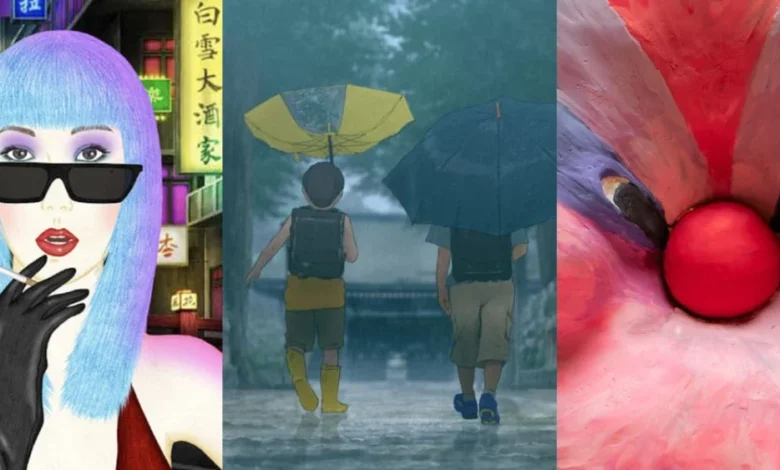
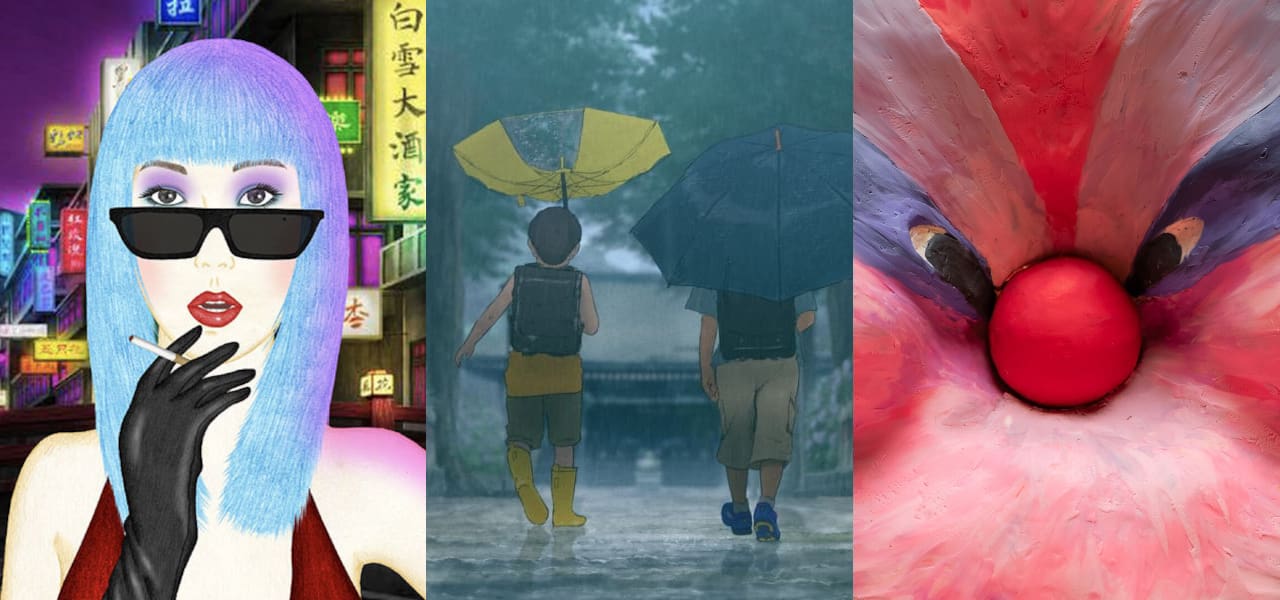
The 50th anniversary of the Ottawa International Animation Festival (OIAF) concluded this Saturday, cementing its status as the premier North American showcase for global animation talent. Marking half a century of curating experimental, independent, and commercial animation, the 2026 edition saw a record number of submissions and a historic sweep by emerging talent. The top honors were bestowed upon Kohei Kadowaki’s feature film We Are Aliens and Joe Hsieh’s short film Praying Mantis, both of which have been lauded by international juries for their distinct visual languages and thematic depth.
A Half-Century of Animation Excellence
Founded in 1976, the OIAF has evolved from a small gathering of enthusiasts into a cornerstone of the global animation industry. Based in Canada’s capital, the festival serves as a critical bridge between European auteur-driven animation and the burgeoning North American market. This year’s 50th-anniversary celebration brought together industry veterans, independent filmmakers, and studio executives to reflect on the medium’s progression from traditional hand-drawn techniques to the sophisticated digital and hybrid methods defining the contemporary landscape. The 2026 program featured an extensive retrospective of the last five decades, providing context for the technical innovations seen in this year’s award-winning entries.
Feature Film Triumphs
The Grand Prize for Animated Feature was awarded to Kohei Kadowaki’s We Are Aliens, a film that initially gained critical momentum following its premiere at the Cannes Film Festival’s Directors’ Fortnight earlier this year. The OIAF jury characterized the film as a masterful study of human absurdity, noting its innovative use of mise-en-scène and its non-linear narrative structure. By focusing on the episodic nature of daily existence, Kadowaki has successfully elevated mundane interactions into a poignant exploration of social connectivity.
The competition in the feature category was particularly robust, leading the jury to recognize two additional works with honorable mentions. Sun Xun’s Magic Atlas was highlighted for its technical rigor, specifically its utilization of traditional woodcut animation combined with ink painting. The jury commended Sun for his bold approach to political allegory, describing the film as a necessary critique of authoritarian power structures. Simultaneously, Leah Nelson’s Tangles received praise for its emotional resonance. The film explores the intricate dynamics of love and loss, offering a grounded, character-driven narrative that contrasts with the more stylized entries in the festival.
Short Film and the Road to the Oscars
In the short animation category, Taiwanese filmmaker Joe Hsieh’s Praying Mantis claimed the Grand Prize. The film, a stark, visceral exploration of maternal instinct, was lauded by the jury for its uncompromising internal logic and the strategic, intense use of violence as a storytelling device. Beyond the prestige of the OIAF trophy, the win carries significant professional weight; under current Academy Award regulations, the OIAF is a qualifying festival for the Animated Short Film category, effectively positioning Praying Mantis as a frontrunner for the upcoming Oscars cycle.
The Historic Success of Ball Face
While the Grand Prizes dominated the headlines, the 2026 festival will largely be remembered for the unprecedented success of Canadian animator Laurence Thérien. Her claymation project, Ball Face, achieved a milestone in OIAF history by securing four distinct awards in a single year: the Public Prize, the Hélène Tanguay Award for Humour, the Bento Box Award for Best Student Animation, and the Canadian Student Award.
The film serves as a psychological portrait of social anxiety and the performative nature of fitting into a rigid environment. By utilizing the inherent malleability of clay, Thérien creates a physical manifestation of "masking"—a concept where individuals alter their personality or appearance to conform to external expectations. Following its success at the Annecy International Animation Film Festival in June, where it won the Cristal for a Graduation Film, Ball Face has solidified its reputation as one of the most significant student-led productions in recent memory. The festival’s jury explicitly noted that the film’s ability to capture the absurdity of social conformity resonated deeply with the contemporary audience.
Notable Mentions and Craft Excellence
The breadth of the 2026 OIAF winners reflects the diversity of the current animation landscape. Honami Yano’s Eri was recognized as the Best Animated Short, while Julie Charette’s La comète (The Comet) took home the Canada Media Fund Award for Best Canadian Animation. In the experimental Platform Animation Competition, Adult Swim’s The Elephant emerged as the victor, showcasing the network’s continued influence in pushing the boundaries of surrealist and adult-oriented animation.
Sound design, often an overlooked aspect of the medium, received dedicated attention through the recognition of Don Hertzfeldt’s Paper Trail. The jury awarded the film the prize for Best Sound Design, citing its "claustrophobic symphony" of foley work. The soundscape—characterized by a meticulous layering of scratches, scrapes, and tactile noises—was identified as essential to the film’s overall impact, reinforcing the trend of auditory-led animation storytelling.
.png)
Implications for the Industry
The 2026 OIAF awards underscore several key trends within the global animation sector. First, there is a clear appetite for politically and socially conscious narratives, as evidenced by the recognition of Sun Xun’s work and the thematic depth of projects like Ball Face. Second, the technical diversification—ranging from traditional woodcut and claymation to digital synthesis—suggests that filmmakers are increasingly prioritizing unique, tactile aesthetics over uniform 3D polish.
Furthermore, the festival’s 50th-anniversary milestone arrives at a time when the animation industry is grappling with the integration of generative AI and shifting economic models for streaming and theatrical distribution. The OIAF, by maintaining a strict focus on auteur-driven projects and high-craft animation, serves as a vital counterbalance to the mass-market production cycles of larger studios.
The success of filmmakers like Laurence Thérien and Joe Hsieh demonstrates that the pipeline from independent student projects to international festival acclaim remains strong. As these films move into wider distribution—whether through theatrical runs or digital platforms—the industry will be watching to see if these critical successes translate into broader commercial interest.
Moving Forward
As the 2026 festival concludes, the OIAF has solidified its role not just as a venue for exhibition, but as a critical validator of quality. The recognition of these films serves as a bellwether for the upcoming awards season and provides a roadmap for the aesthetic directions likely to dominate the next several years. The OIAF organization has already begun preparations for the 51st edition, signaling a continued commitment to fostering the next generation of animators while honoring the technical and artistic history that has defined the festival since its inception in 1976. The convergence of historical reverence and forward-looking innovation at this year’s festival confirms that animation, as a medium, remains as vital and culturally significant as ever.