Baby Audio Super VHS Lo-Fi Multi-Effect Plugin Receives Significant Price Reduction in Limited Time Promotional Event

Plugin Boutique has announced a substantial promotional discount on Super VHS, the acclaimed lo-fi multi-effect plugin developed by Baby Audio. Originally retailing at $69, the software is currently available for $10, representing an approximate 85% reduction in price. This promotional window is scheduled to remain active until July 26, providing music producers and sound designers a brief opportunity to acquire the tool at its lowest historical price point.
The Super VHS plugin has established itself as a staple in the toolkit of modern producers, particularly those operating within genres that prioritize vintage aesthetics, such as synthwave, lo-fi hip-hop, and vaporwave. By condensing complex signal chains into a streamlined, eight-control interface, the plugin aims to replicate the idiosyncratic sonic degradations associated with 1980s consumer-grade video cassette recorders.
Technical Overview and Functional Architecture
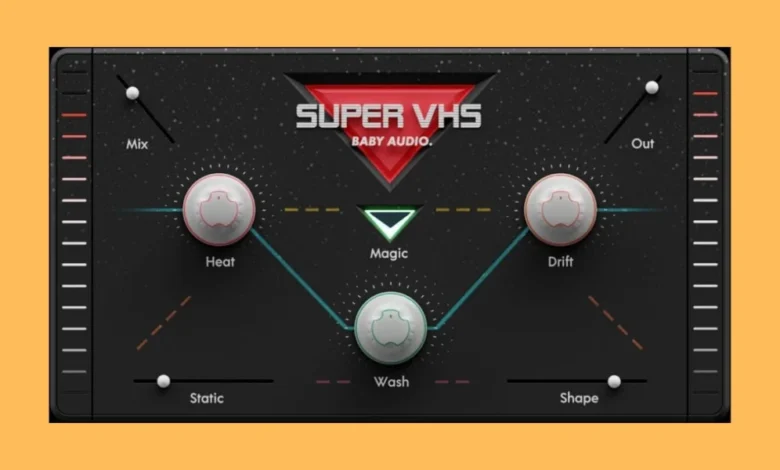
At its core, Super VHS is a multi-effect processor designed to strip away the clinical precision of digital audio, replacing it with the "creative imperfections" of the analog era. The plugin’s architecture is centered around six primary one-knob effects, each targeting a specific characteristic of VHS-style audio degradation.
The "Static" control introduces a synthesized hum and noise floor, modeled after the electrical interference and tape hiss prevalent in hardware VCRs. Unlike simple white noise samples, this module reacts dynamically to the input signal to create a more authentic sense of "hardware" presence.
The "Heat" module provides tape-style saturation. This is not a standard digital distortion but rather a "warm" saturation algorithm that emulates the way magnetic tape responds to high input levels. It rounds off transients and adds harmonic richness, making digital instruments feel more substantial and less "thin."
"Shape" functions as a sample rate reducer, effectively "de-rezzing" the audio to mimic the limited frequency response of aging magnetic tape. This is particularly effective for removing harsh high-frequency content and giving sounds a "darker" or "muffled" quality characteristic of low-bandwidth recordings.
The "Magic" button is perhaps the most celebrated feature of the plugin. It is a dark, lush chorus effect inspired by the internal circuitry of the Roland Juno series synthesizers. It adds stereo width and a distinctive 1980s modulation that is often used to give synthesizers a "boutique" analog feel.
"Drift" introduces pitch and time fluctuations, simulating the mechanical inconsistencies of a VCR’s playback head—a phenomenon known in the analog world as "wow and flutter." This creates a sense of instability that can make static synth pads feel alive and evolving.
Finally, "Wash" provides a grainy digital hall reverb. Modeled after the budget rack-mount processors of the 1980s, this reverb is intentionally "lo-fi," avoiding the high-fidelity smoothness of modern convolution reverbs in favor of a gritty, metallic texture that complements the other degradation modules.
Historical Context and the Lo-Fi Aesthetic
The release and subsequent popularity of Super VHS coincide with a broader cultural shift in music production. For decades, the primary goal of audio engineering was the pursuit of transparency and high-fidelity reproduction. However, the late 2010s saw a massive resurgence in "retro-futurism," where producers began intentionally degrading audio to evoke nostalgia.
This trend was catalyzed by the rise of the "Lo-Fi Girl" (formerly ChilledCow) YouTube phenomenon and the mainstream success of television shows like Stranger Things, which utilized 1980s-inspired synth scores. The demand for "analog warmth" led many developers to create tape emulations, but Baby Audio chose to focus specifically on the "cheap" sound of the VHS era rather than high-end studio tape machines like the Studer or Ampex models.
By focusing on the consumer-grade limitations of the 1980s, Super VHS provides a specific "flavor" of nostalgia that is distinct from the professional studio sound of the same era. This niche positioning has allowed the plugin to maintain a high level of relevance since its initial launch.
Industry Implications and Market Strategy
The decision to offer Super VHS at a $10 price point through Plugin Boutique is seen by industry analysts as a strategic move to capture the entry-level market and expand Baby Audio’s user base. In the highly competitive VST (Virtual Studio Technology) market, "gateway" pricing—where a premium product is offered at a near-negligible cost—often serves as a lead generation tool for a developer’s more expensive suite of products.
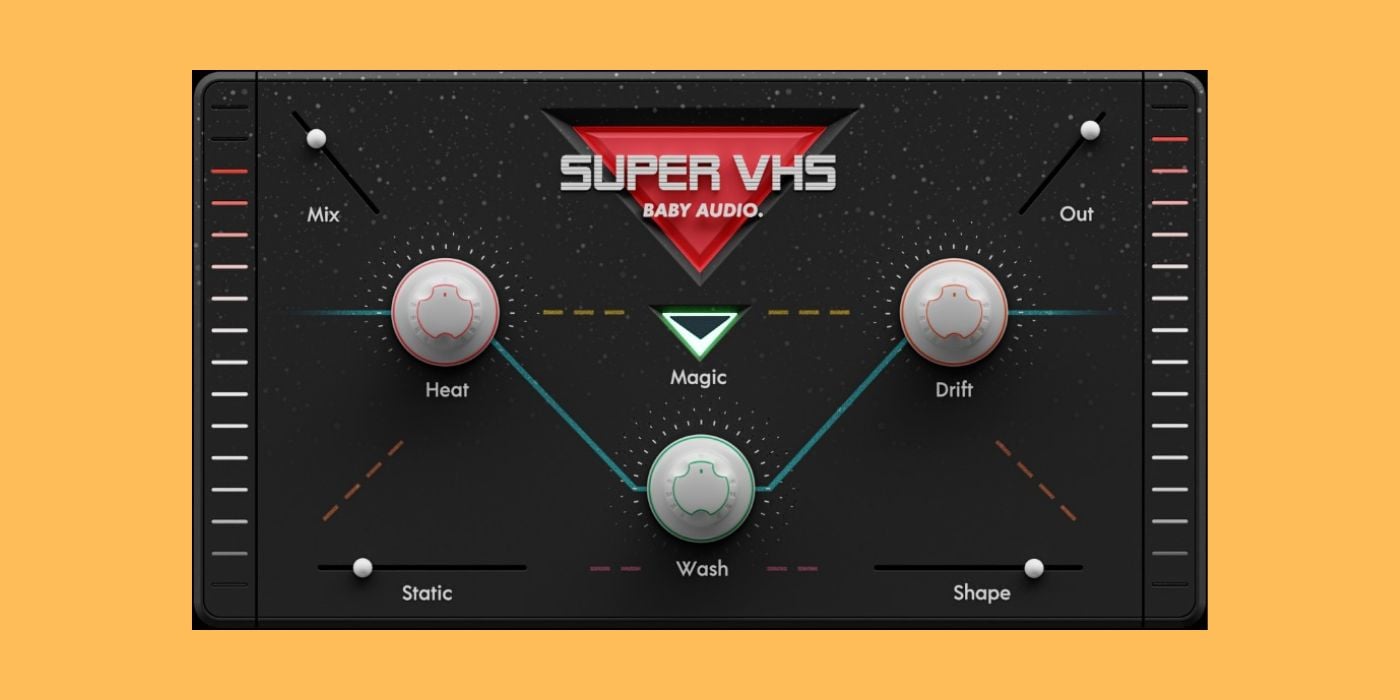
Baby Audio has built a reputation for creating plugins that balance professional-grade DSP (Digital Signal Processing) with "toy-like" simplicity in their user interfaces. Their design philosophy eschews the complex menus and sub-pages found in traditional plugins, favoring a "what you see is what you get" approach. This philosophy is evident in Super VHS, which lacks a traditional preset browser.
According to technical documentation from Baby Audio, the plugin was designed to be "reactive." Each knob controls multiple internal parameters simultaneously. For instance, increasing the "Drift" knob doesn’t just increase the depth of pitch modulation; it also alters the rate and the randomness of the fluctuation based on the input signal’s frequency content. This "hidden" processing ensures that the plugin remains intuitive while providing complex, non-linear results.
User Applications and Genre Integration
While the plugin’s name suggests a narrow focus on VHS emulation, its utility extends across various musical disciplines. In modern pop production, engineers often use Super VHS to "tame" excessively bright vocal recordings or to add character to virtual drum kits that sound too "robotic."
In the realm of electronic music, the "Drift" and "Magic" modules are frequently utilized on basslines to create movement. When applied subtly, the plugin acts as a saturator and widener; when pushed to its extremes, it can transform a clean sine wave into a distorted, unstable texture suitable for experimental sound design or cinematic scoring.
The internal processing chain of Super VHS also includes "under-the-hood" EQ attenuation, bit-crushing, and limiting. This means that as users engage the visible controls, the plugin is also performing corrective tasks to ensure the output remains musically useful. The limiter, in particular, prevents the "Heat" and "Static" modules from causing digital clipping, allowing producers to push the effect hard without ruining the gain staging of their mix.
Chronology of Baby Audio’s Market Presence
Baby Audio entered the software market with a focus on streamlined, high-impact tools. Following the success of Super VHS, the company expanded its portfolio with products like "Crystalline" (an algorithmic reverb), "IHNY-2" (a parallel compressor), and "BA-1" (an emulation of a vintage Yamaha synthesizer).
The timeline of Super VHS updates has seen the plugin evolve from a niche lo-fi tool to a cross-platform standard. It was among the early waves of plugins to receive native support for Apple Silicon (M1/M2/M3 chips), ensuring its longevity in the transition away from Intel-based Mac systems.
The current sale at Plugin Boutique marks one of the most aggressive pricing strategies for the plugin to date. Similar promotions in the past have resulted in significant spikes in community-shared presets and "lo-fi" sample packs created using the tool, further cementing its place in the contemporary production landscape.
Comparative Analysis with Competitive Software
The lo-fi plugin market is crowded with competitors, most notably XLN Audio’s RC-20 Retro Color and Aberrant DSP’s SketchCassette. While RC-20 offers more granular control over its "noise" and "wobble" modules, it carries a significantly higher price tag and a more complex interface.
Super VHS distinguishes itself through its "instant gratification" workflow. It is designed for the producer who wants a specific sound quickly without getting bogged down in micro-adjustments. The $10 price point places it in a different tier of the market, making it an "impulse buy" that offers professional results comparable to its more expensive counterparts.
Technical Specifications and Compatibility
Super VHS is designed for broad compatibility across various Digital Audio Workstations (DAWs). For macOS users, the plugin is available in AU, VST, VST3, and AAX formats, supporting both Intel and Apple Silicon architectures. Windows users can access the plugin in VST, VST3, and AAX formats.
System requirements are modest, allowing the plugin to run on older hardware without significant CPU strain, which is a critical factor for producers working on mobile setups or older studio computers. However, it should be noted that an active internet connection is required for the initial authorization of the software.
Future Outlook
As the music industry continues to cycle through various eras of nostalgia, the demand for tools that can authentically replicate the "sound of the past" remains high. The current promotion of Super VHS highlights the ongoing trend of "democratizing" high-quality production tools. By making professional-grade effects available for the price of a coffee, developers like Baby Audio and retailers like Plugin Boutique are lowering the barrier to entry for aspiring creators.
The sale is expected to conclude at midnight on July 26. Following this period, the plugin is anticipated to return to its standard MSRP of $69. Producers interested in the "1980s aesthetic" are encouraged to evaluate the tool within this window to take advantage of the reduced pricing.