Positive Grid Spark Pedal Review: Bringing Smart Amp Power to Your Pedalboard

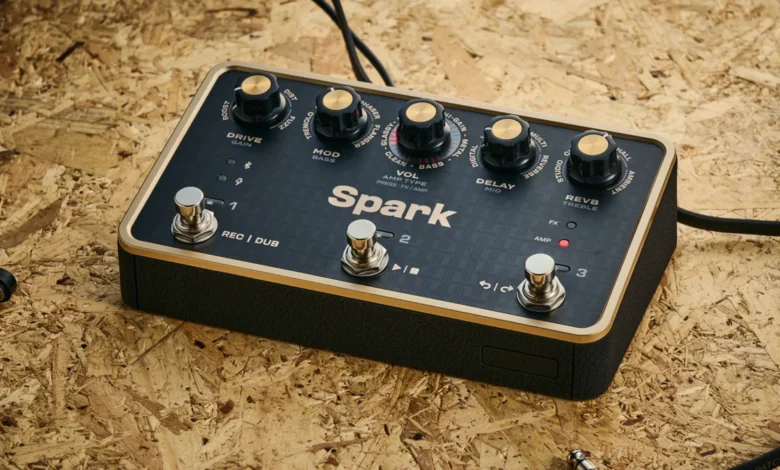
Positive Grid has officially expanded its popular Spark ecosystem with the introduction of the Spark Pedal, a three-button floor unit designed to deliver the capabilities of the company’s famous practice amplifiers in a compact, pedalboard-friendly footprint. Priced at $199, €209, and £179, the new multi-effects and amp modeling floor unit aims to bridge the gap between portable home practice rigs and live performance setups.
Since the original Spark 40 amplifier was announced in October 2019 and shipped to customers in early 2020, the San Diego-based audio technology company has reshaped the digital practice amp market. Over the past six years, the Spark lineup has grown significantly to include various iterations, such as the compact Spark Mini, the ultra-portable Spark Go, and the larger stage-ready Spark Live and Spark Cab systems. The Spark Pedal represents a strategic pivot toward traditional pedalboard integration while retaining the core digital architecture that made the series a commercial success.
Technological Architecture and Core Specifications
At the heart of the Spark Pedal is Positive Grid’s acclaimed HD Tone Engine, the same digital signal processing (DSP) architecture utilized in the flagship Spark 2 practice amplifier. This processing power yields 33 distinct amplifier models, 43 effects variants, and expansive access to cloud-based tone-sharing platforms via the online ToneCloud.
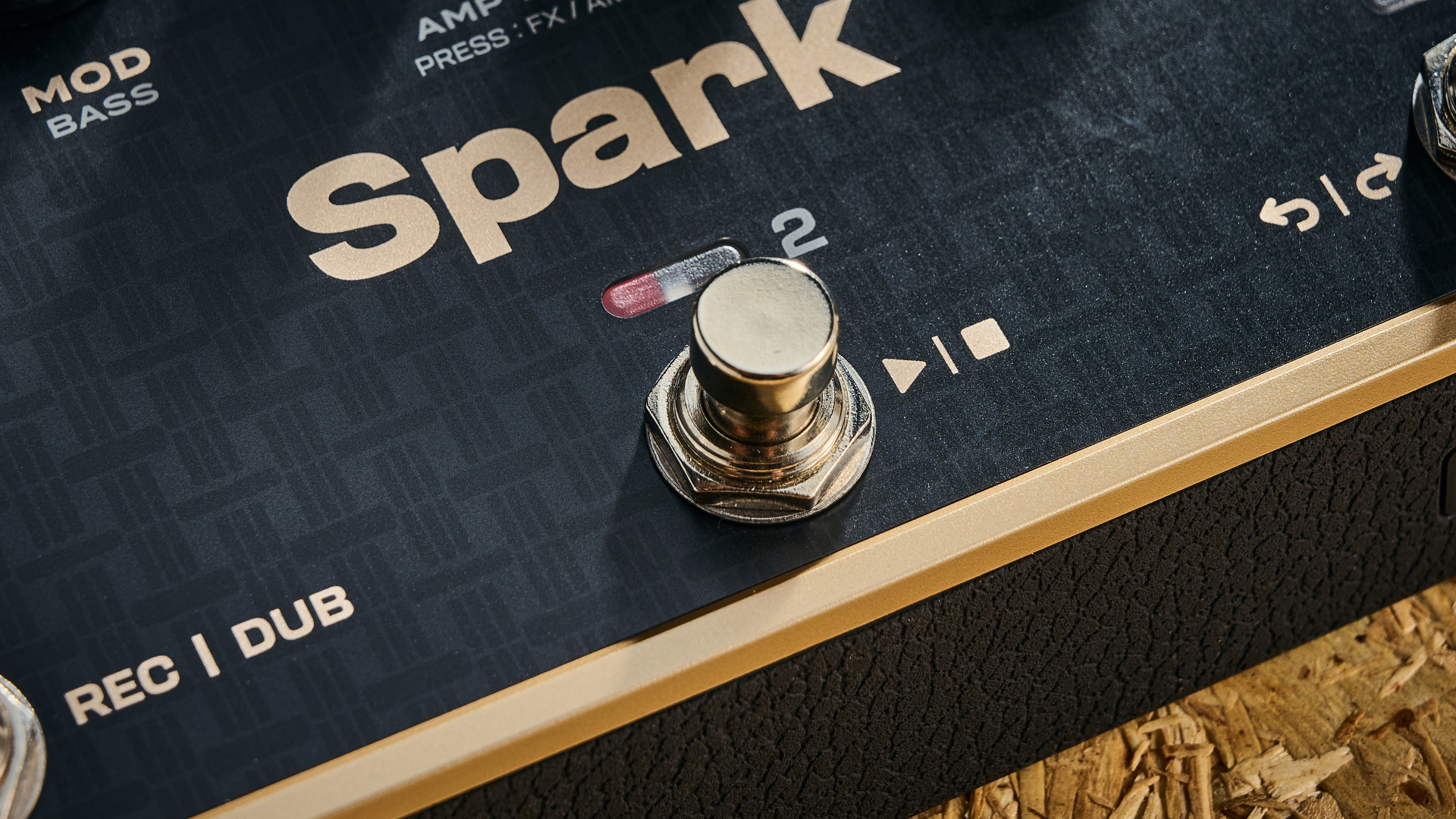
Weighing in as a multi-functional device, the Spark Pedal is designed to operate in several distinct use cases. It functions as a standalone, all-in-one floor unit for direct-to-PA live applications, a traditional multi-effects processor running into the front of a standard guitar amplifier with the internal modeling bypassed, an audio interface for direct desktop recording, or a silent headphone practice rig. Additional features include integrated Bluetooth audio streaming for accompaniment playback, a built-in 60-second looper, and MIDI functionality.
Build Quality and Hardware Integration
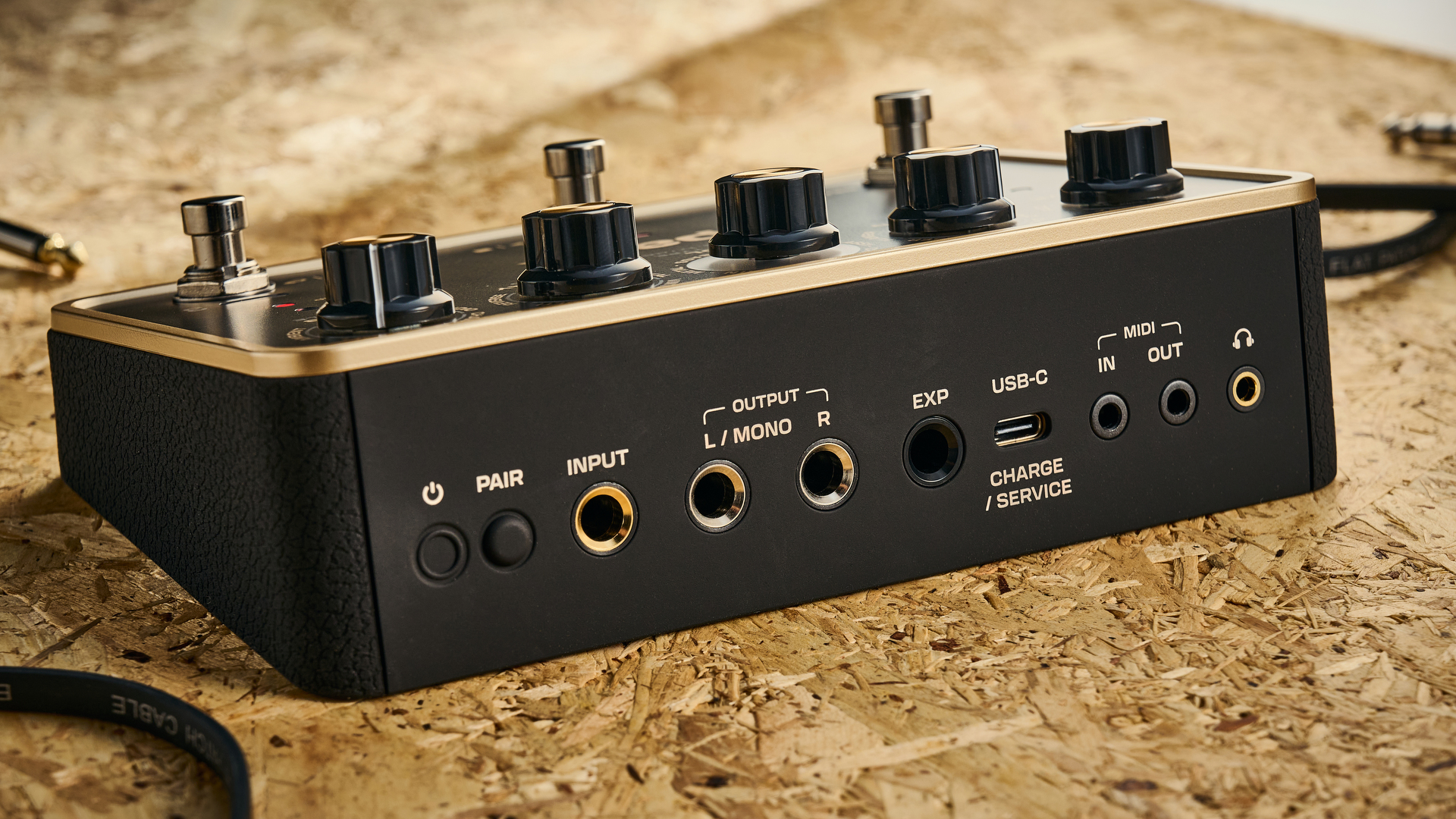
Constructed with touring musicians in mind, the Spark Pedal features a rugged chassis designed to withstand the rigors of frequent transport and heavy floor usage. Rear-panel connectivity has been laid out to maximize utility, featuring a single instrument input, stereo outputs, an expression pedal input, MIDI ports, and a dedicated headphone jack.
Power delivery, however, has emerged as a point of discussion among hardware reviewers. The unit incorporates an internal rechargeable battery charged via a USB-C port, breaking away from the standard 9V DC architecture commonly found across traditional pedalboard power supplies. When queried regarding this design choice, a Positive Grid representative stated that the company deliberately selected USB-C to ensure seamless integration across a wide variety of modern digital and mobile workflows. While the pedal can be powered continuously while charging and accommodates modern pedalboard power supplies featuring USB outputs, users relying on conventional isolated 9V power bricks will need to factor power delivery modifications into their setups.
Usability and Live Performance Constraints
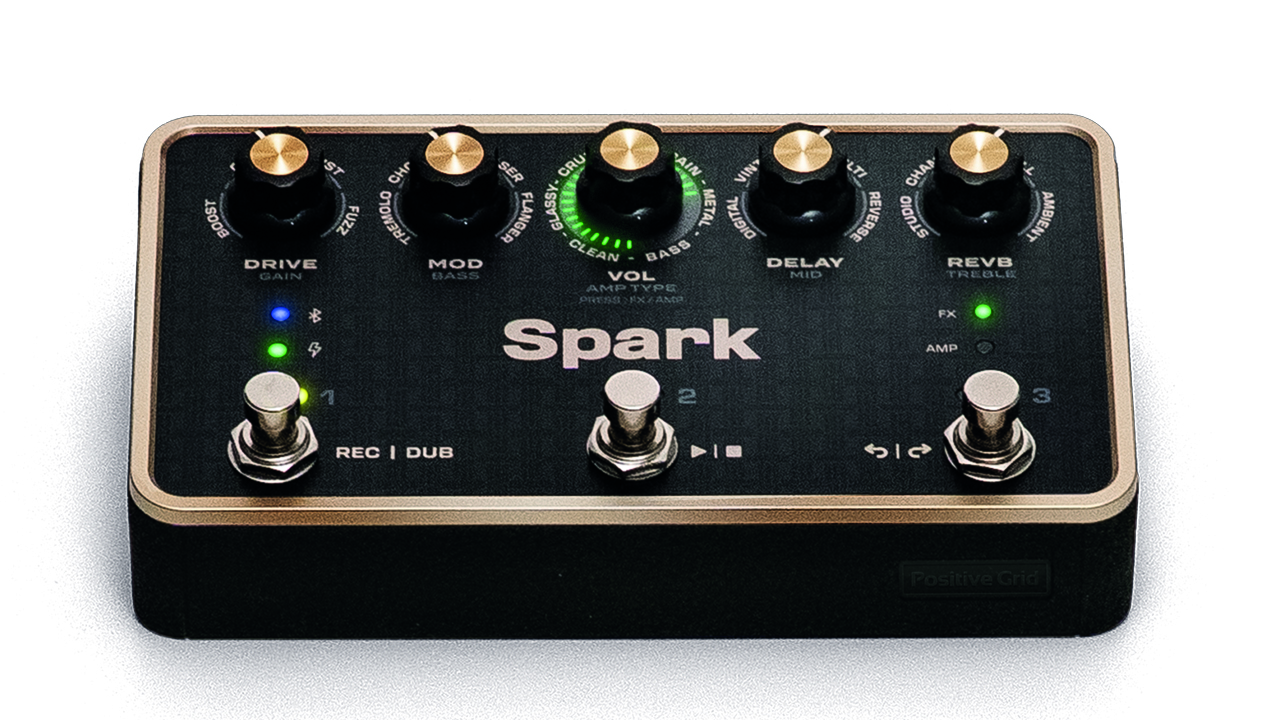
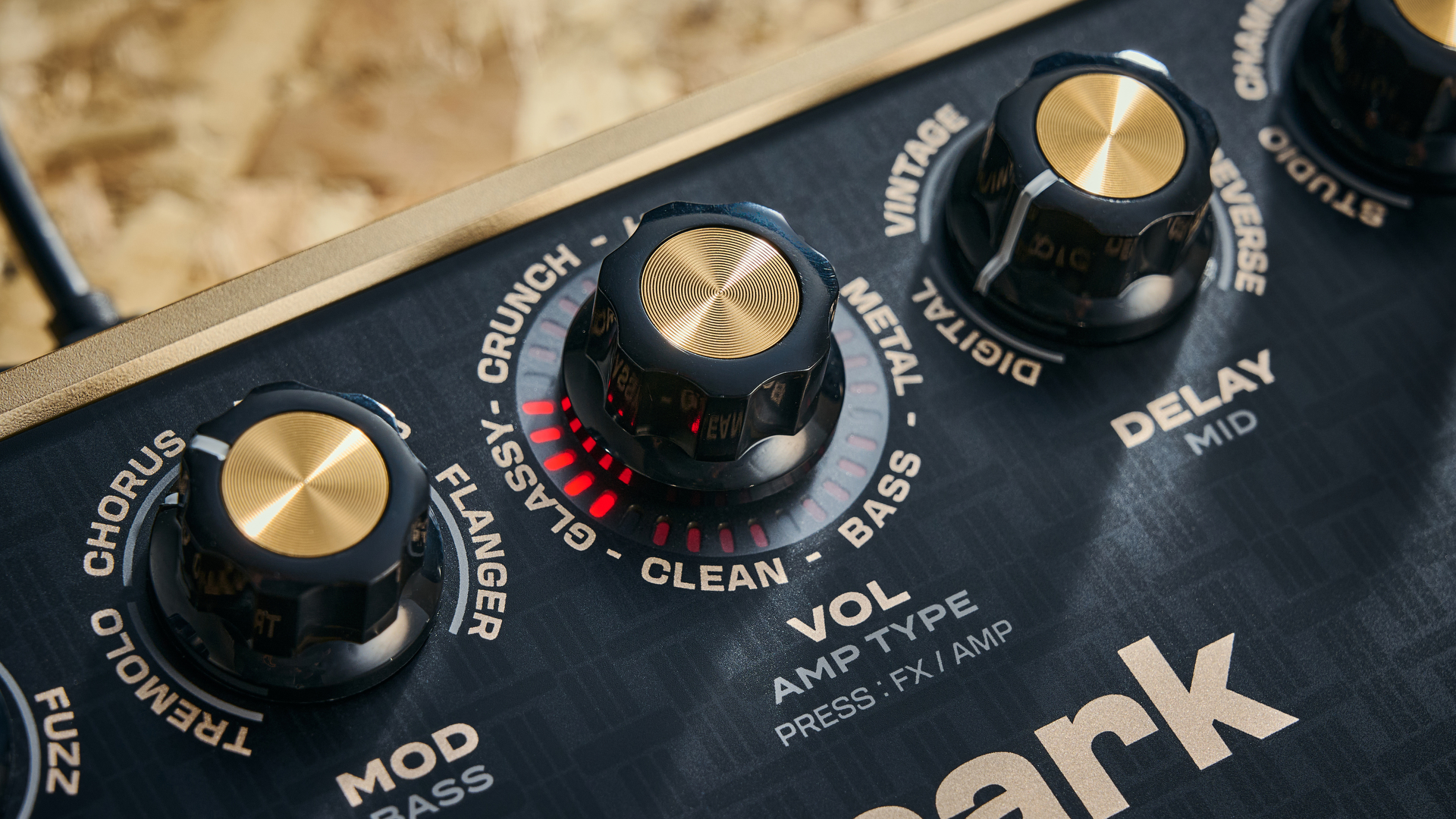
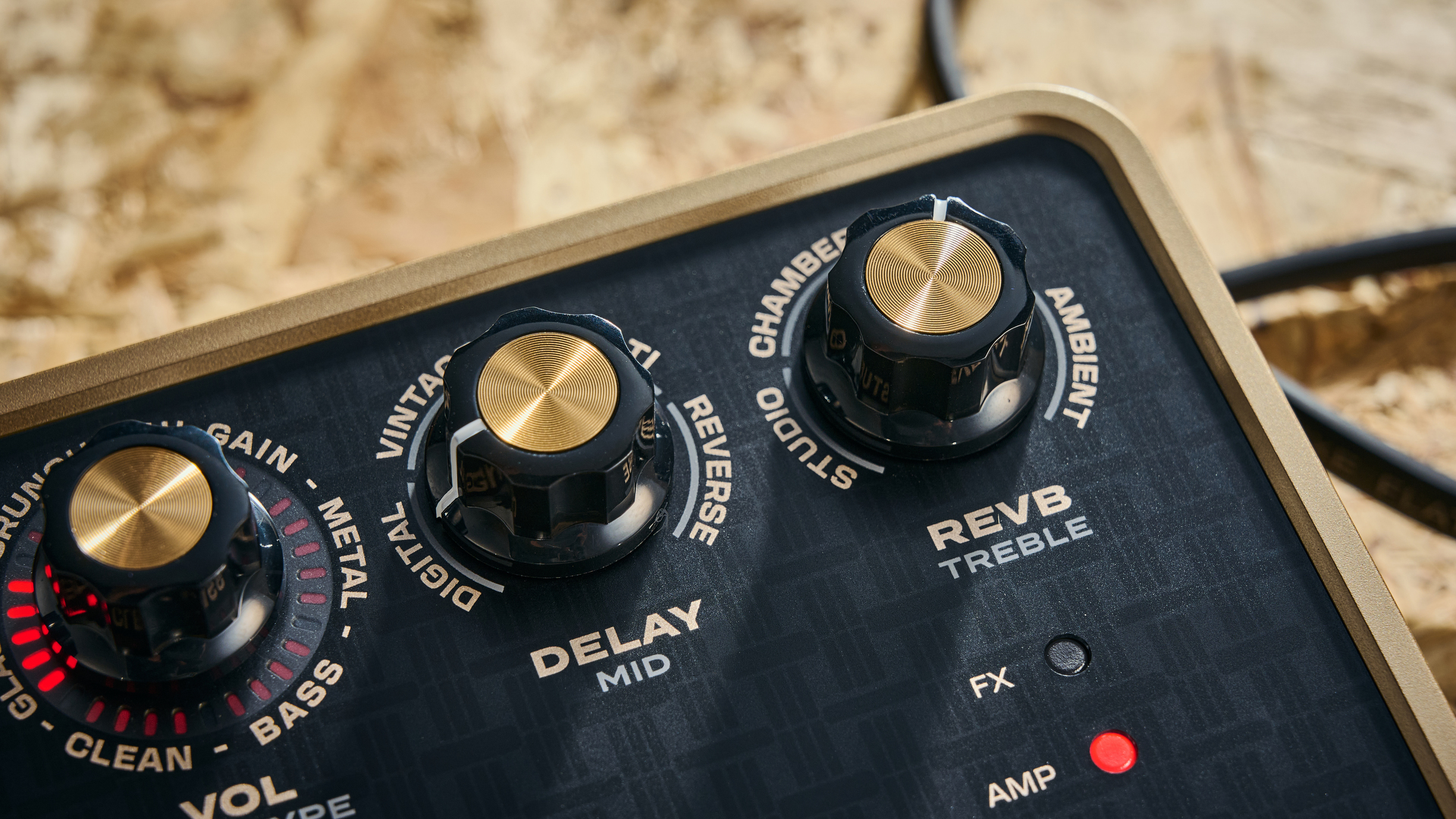
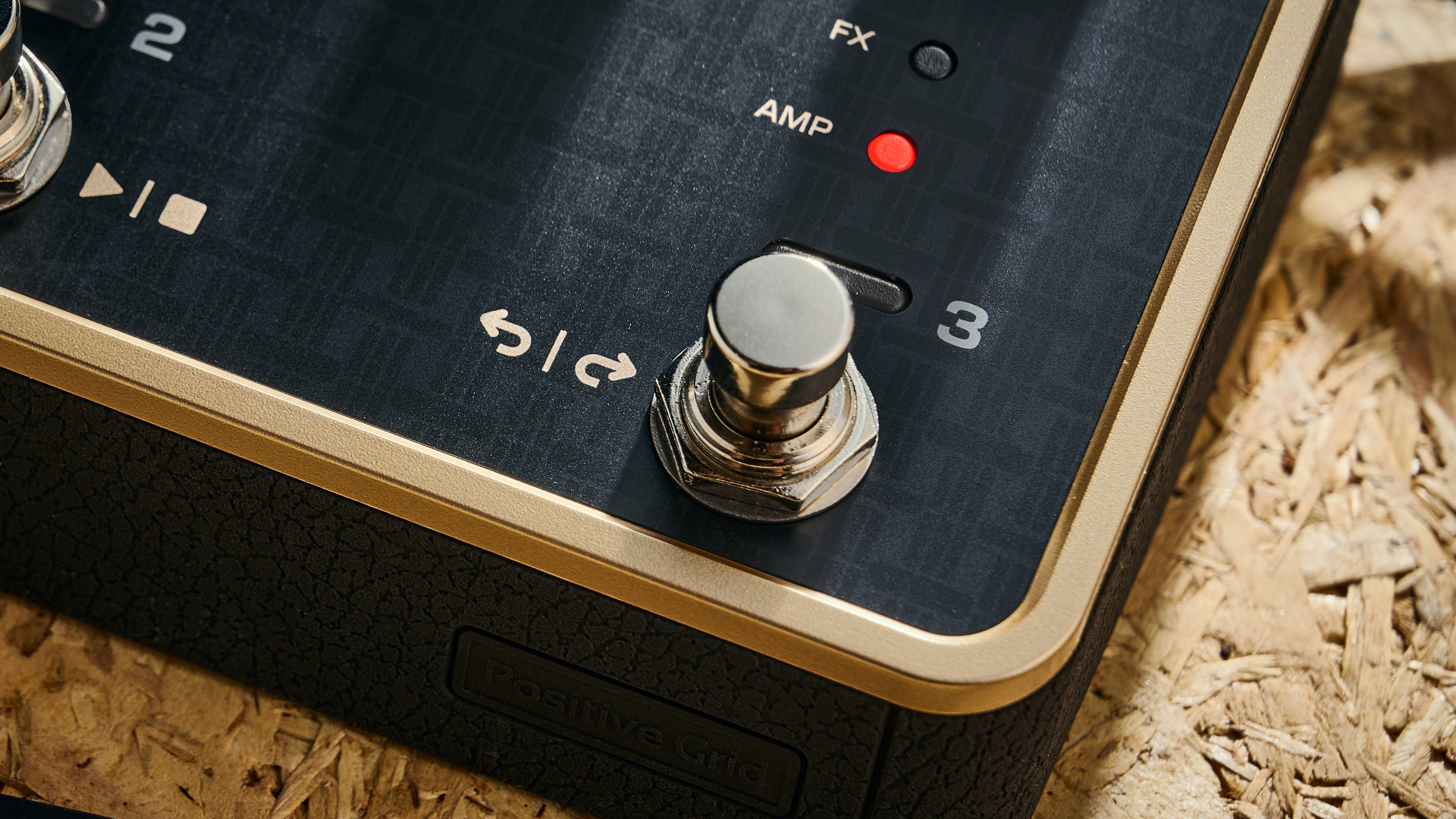
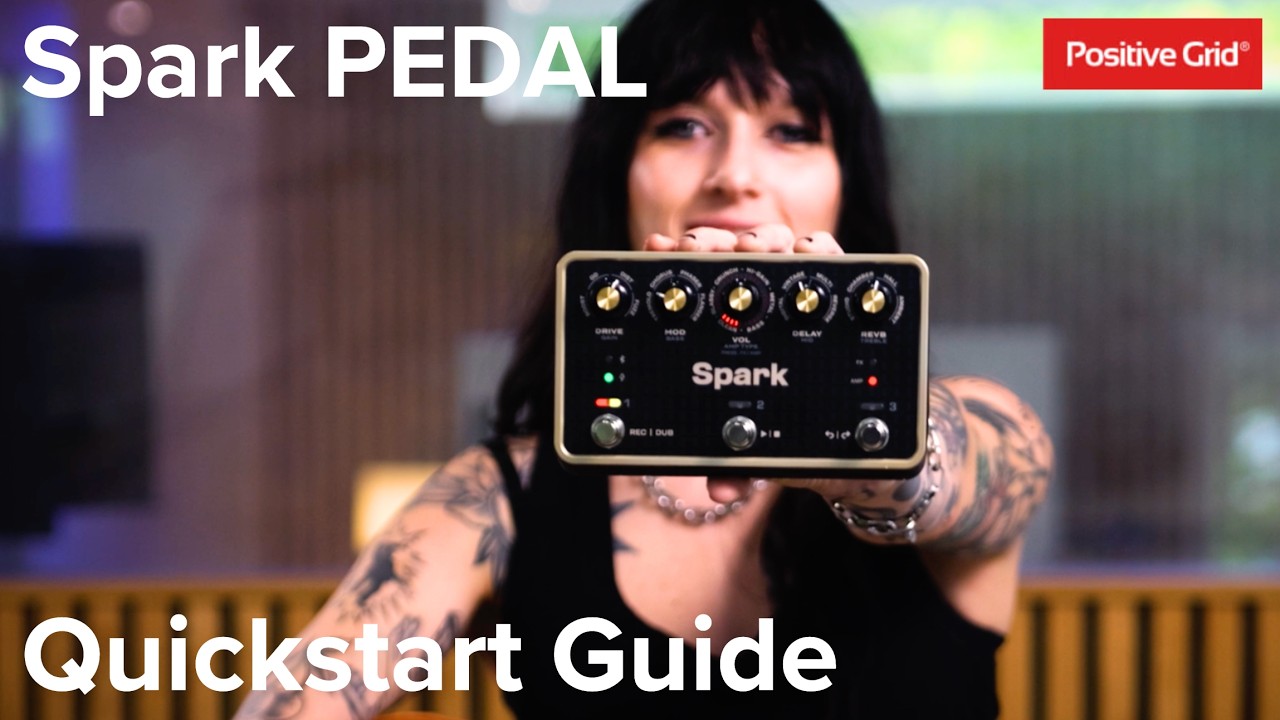
While the Spark Pedal excels in tone generation, its physical interface reflects the inherent design compromises of cramming complex digital modeling into a streamlined, three-footswitch footprint. The primary control interface relies on a central multi-function encoder knob flanked by four rotary dials.
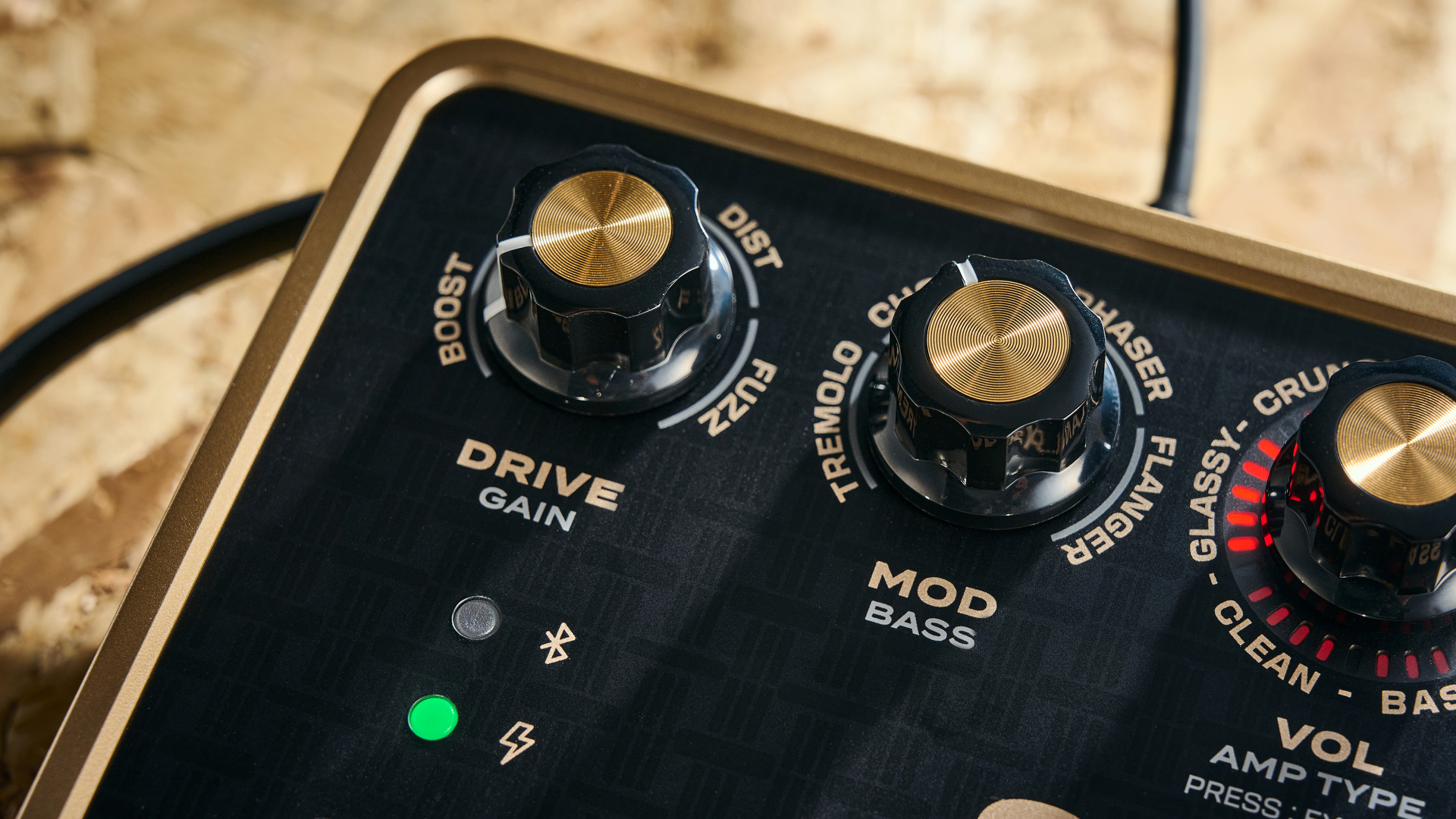
The central dial controls overall volume, switches between FX Mode and Amp Mode, toggles the cabinet simulator, and activates the onboard chromatic tuner. Meanwhile, the four surrounding knobs feature secondary assignments depending on the active operational mode, acting as effect selectors and level controls in FX Mode (indicated by a green LED), and tone-shaping controls—Gain, Bass, Mid, and Treble—in Amp Mode (indicated by a red LED).
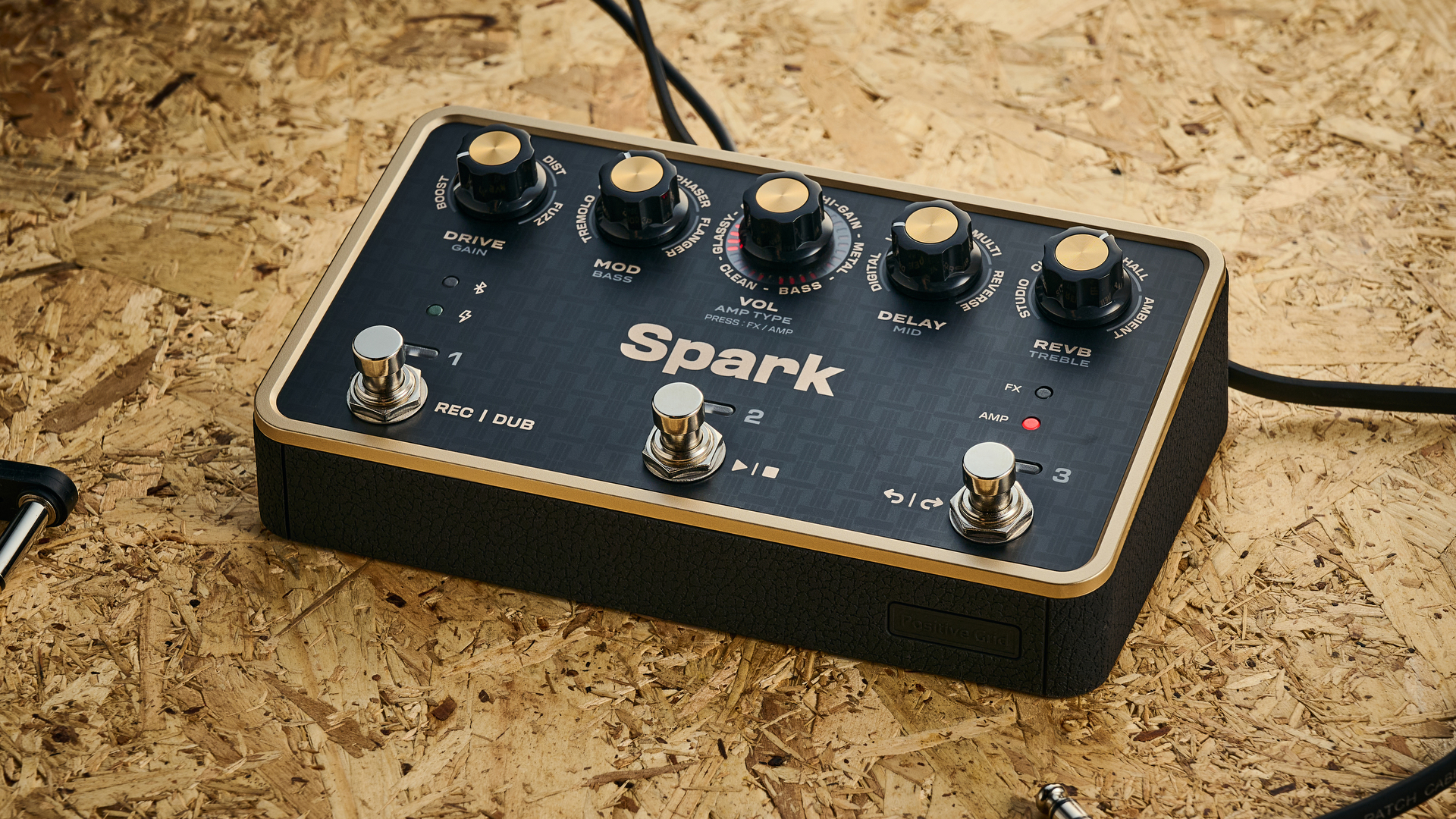
Reviewers have noted that while the hardware layout successfully preserves space, relying on multi-function knobs and LED color codes can introduce operational friction during high-pressure live performances. Quick, mid-song parameter adjustments require deliberate navigation to avoid unintended alterations. For deeper tone curation, users can rely on the comprehensive iOS and Android companion apps, which support cloud preset management and Positive Grid’s AI-driven Text-To-Tone generation tools.
Sonic Performance and Studio Integration
Evaluated through flat-response studio monitors via direct Digital Audio Workstation (DAW) connection, the Spark Pedal demonstrates the high fidelity associated with Positive Grid’s software ecosystem. The sonic palette spans pristine, Fender Twin-inspired clean sounds to high-gain Soldano-style amp models, offering extensive genre versatility.
The onboard effects—ranging from atmospheric reverbs and modulated choruses to flexible delay algorithms—maintain a spatial depth that mirrors the company’s preceding desktop hardware. Audio testing confirms that the Spark Pedal delivers the polished, studio-ready output expected from the brand, though users accustomed to neutral frequency responses may find the default presets lean heavily into low-end frequencies, a characteristic trait inherited from the broader Spark family.
Market Position and Conclusions
The Spark Pedal occupies a unique niche in the modern guitar gear landscape. By distilling the power of a smart amplifier into a floor-based stompbox, Positive Grid has provided a versatile tool for guitarists looking to streamline their signal chains.
For musicians already embedded in the Spark ecosystem who require a lightweight portable interface for recording, silent practice, and direct stage integration, the Spark Pedal offers an economically competitive solution. Nevertheless, practitioners seeking traditional stompbox simplicity or immediate, knob-per-function live tweakability may find the multi-layered hardware controls require a transitional learning curve. Ultimately, the Spark Pedal successfully broadens Positive Grid’s hardware footprint, offering a compelling bridge between home practice technology and professional stage performance.
Related posts: