The Ultimate Guide to Launching, Managing, and Growing a Successful Substack Publication

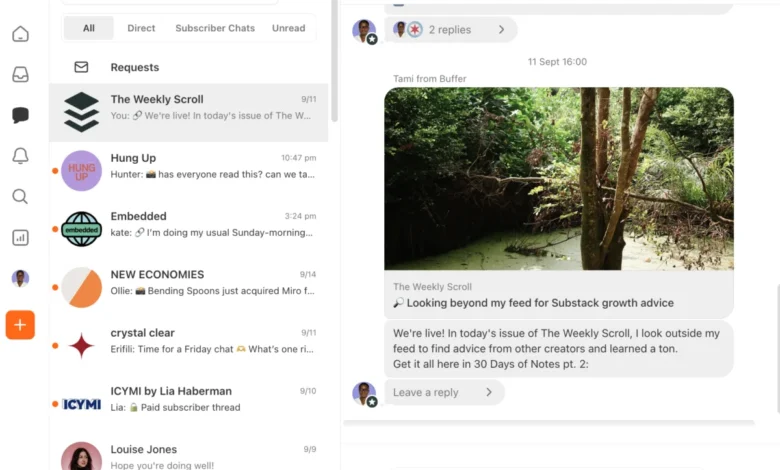
The digital media landscape has undergone a profound transformation over the last five years, characterized by a shift from centralized social media algorithms toward creator-owned, direct-to-audience platforms. At the forefront of this movement is Substack, a publishing ecosystem that integrates email newsletters, long-form blogging, and social discovery features. For professionals and creators, the platform has become a primary tool for building sustainable media businesses. This guide provides a comprehensive analysis of the platform’s current functionality, strategic growth methodologies, and the technical requirements for establishing a professional-grade publication.

The Evolution of the Substack Ecosystem
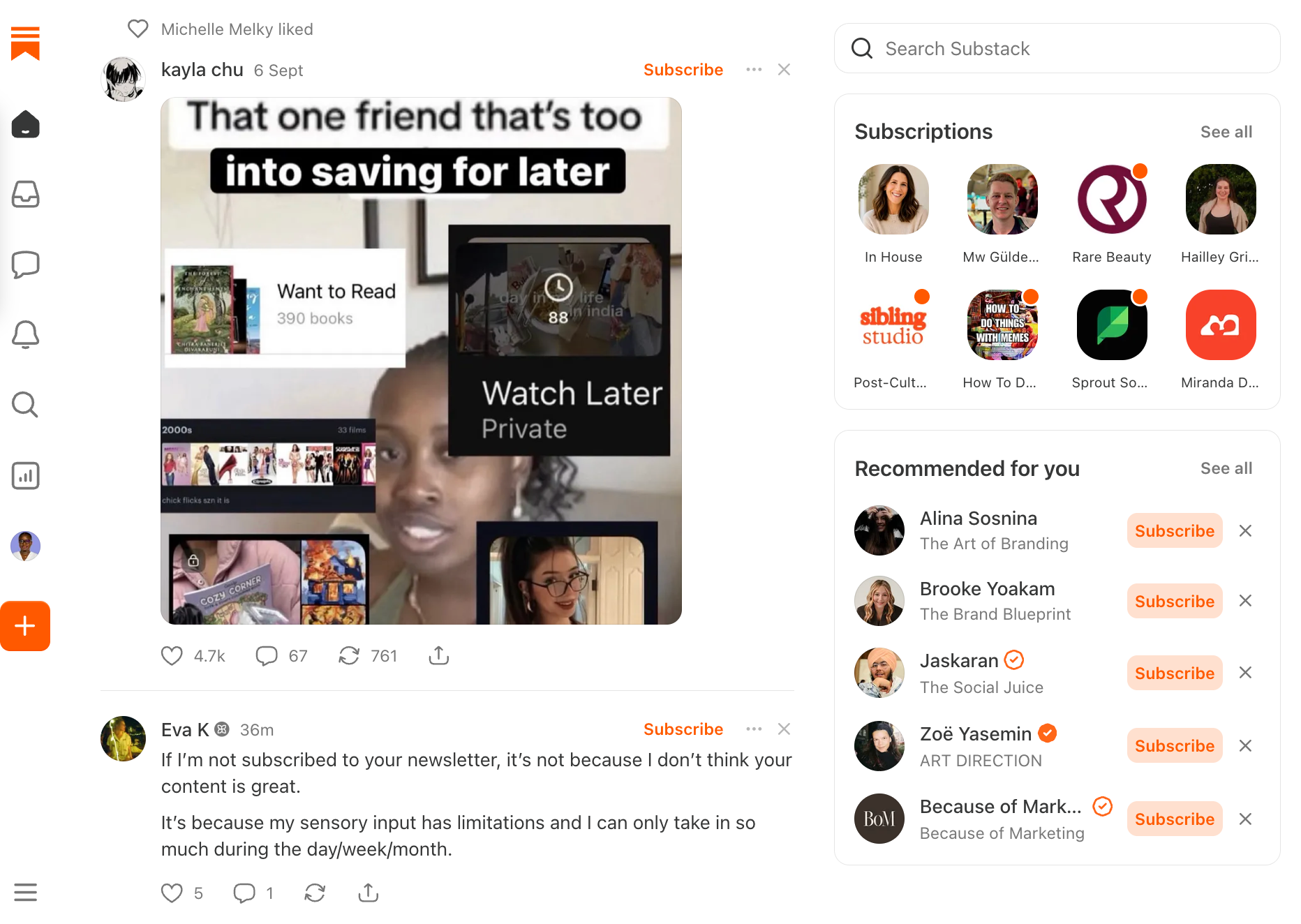
Substack was founded in 2017 with a singular value proposition: to allow writers to monetize their work directly through subscription-based business models, bypassing traditional advertising-reliant media structures. Since its inception, the platform has evolved from a simple email distribution tool into a multi-faceted network. The introduction of "Notes" in 2023—a short-form, feed-based social layer—marked a significant pivot, positioning Substack as a hybrid of a blog hosting service and a social network.
As of late 2026, the platform facilitates four distinct content mediums: traditional long-form posts, podcasting with integrated RSS distribution, video hosting with automated transcription, and the aforementioned short-form social feed. This structural shift has moved the platform away from its origins as a passive delivery system toward an active discovery engine. By utilizing internal recommendation engines and vertical video feeds, Substack now allows creators to reach audiences who have not previously interacted with their work, significantly reducing the "cold start" problem for new entrants.
Technical Architecture and Operational Setup
Transitioning a publication to a professional standard requires a disciplined approach to technical configuration. The initial setup process is not merely a branding exercise but a strategic optimization for discovery and reader retention.
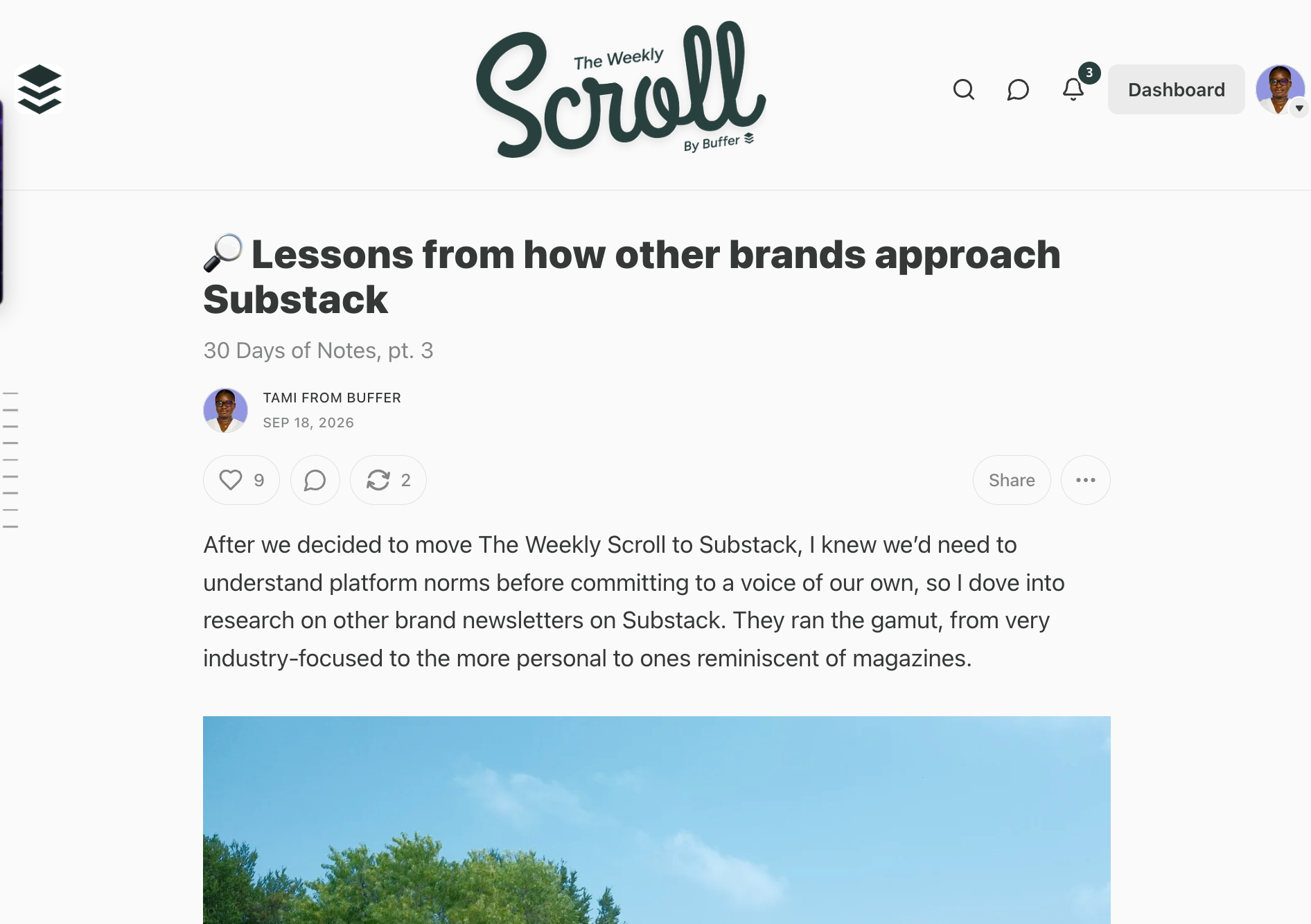
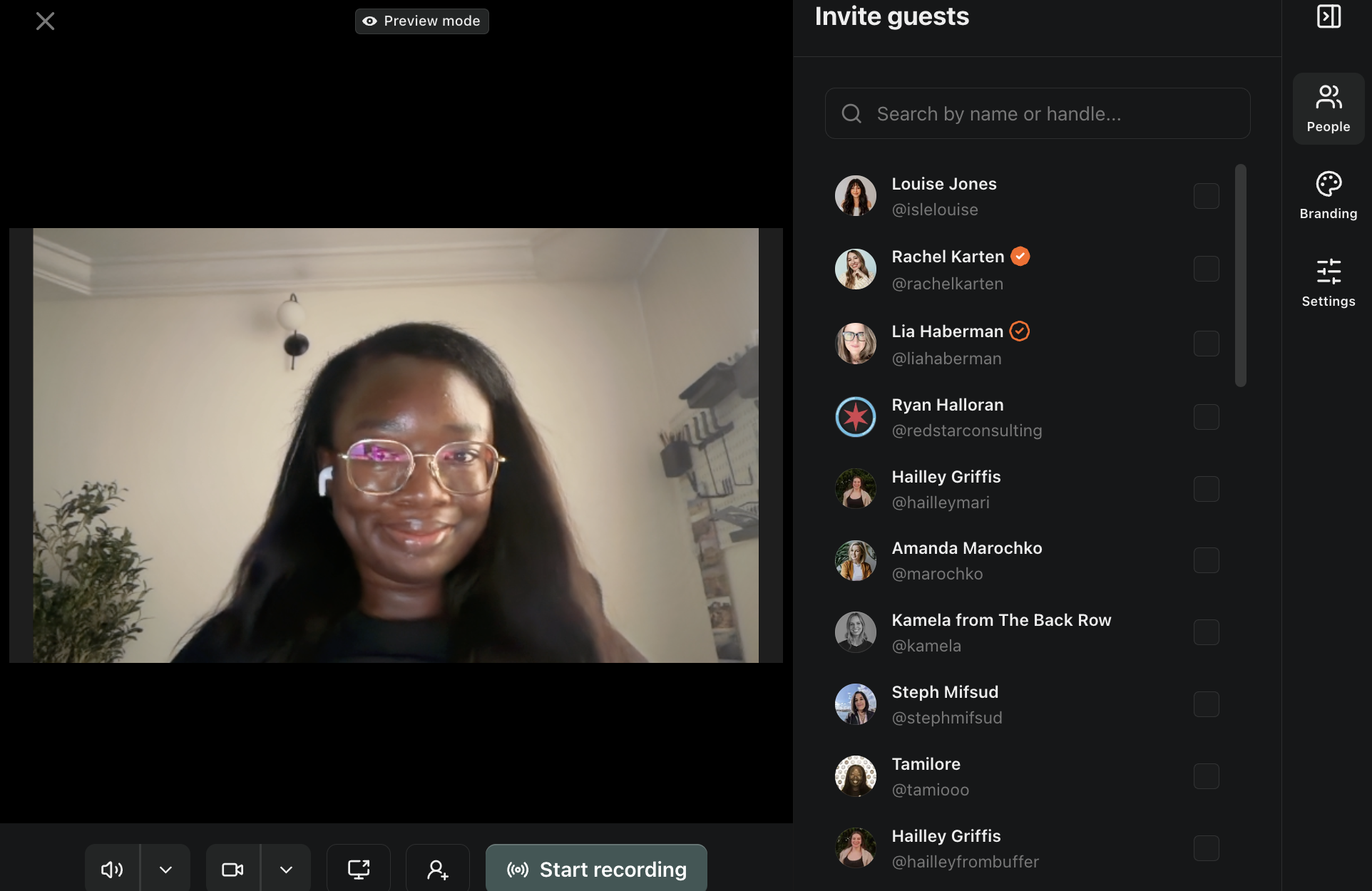
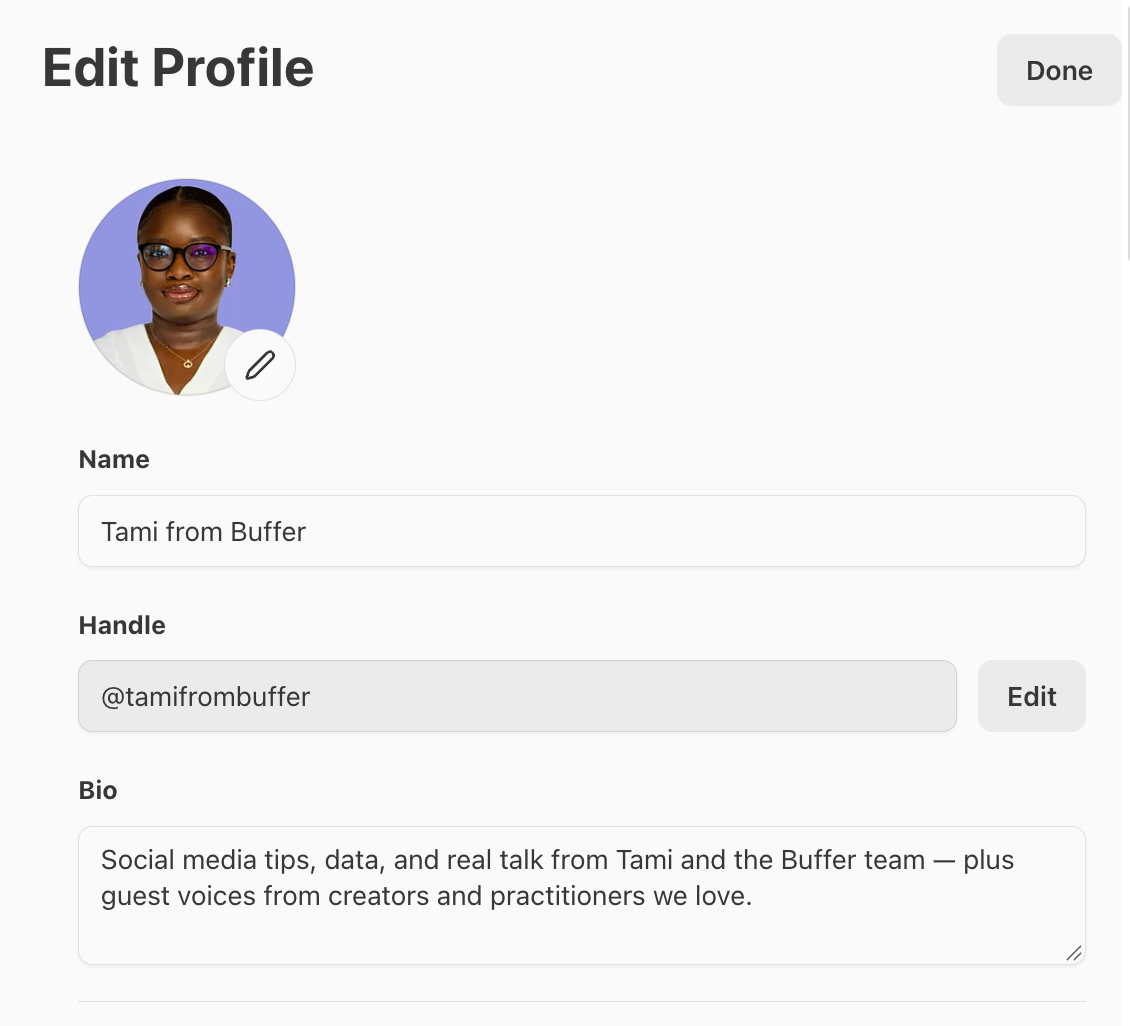
The first phase of deployment involves the refinement of the user profile and publication identity. Because the Substack app serves as a centralized hub, a user’s profile acts as their digital resume. Creators are advised to utilize the platform’s branding tools, including header imagery and distinct color palettes, to establish immediate visual recognition.
The technical backend, managed via the Publisher Dashboard, requires several critical configurations:
- Domain and Identity: Establishing a clear, searchable publication name and URL is paramount for SEO performance.
- Payment Integration: Utilizing Stripe as the primary payment processor is a prerequisite for monetization. Even if a publication begins with a "free-only" model, integrating payment infrastructure early mitigates the friction of enabling subscriptions at a later date.
- Email Automation: Recent updates in 2026 have expanded the capabilities of welcome email sequences. Utilizing these automated touchpoints is essential for onboarding new subscribers and articulating the value proposition of the newsletter.
- Data Migration: For creators transitioning from platforms such as WordPress, Medium, or Ghost, the Substack import tool allows for the seamless transfer of archival content and subscriber lists. It is critical, however, to perform a metadata audit following an import, as formatting often requires manual adjustments.
Strategic Content and Audience Development
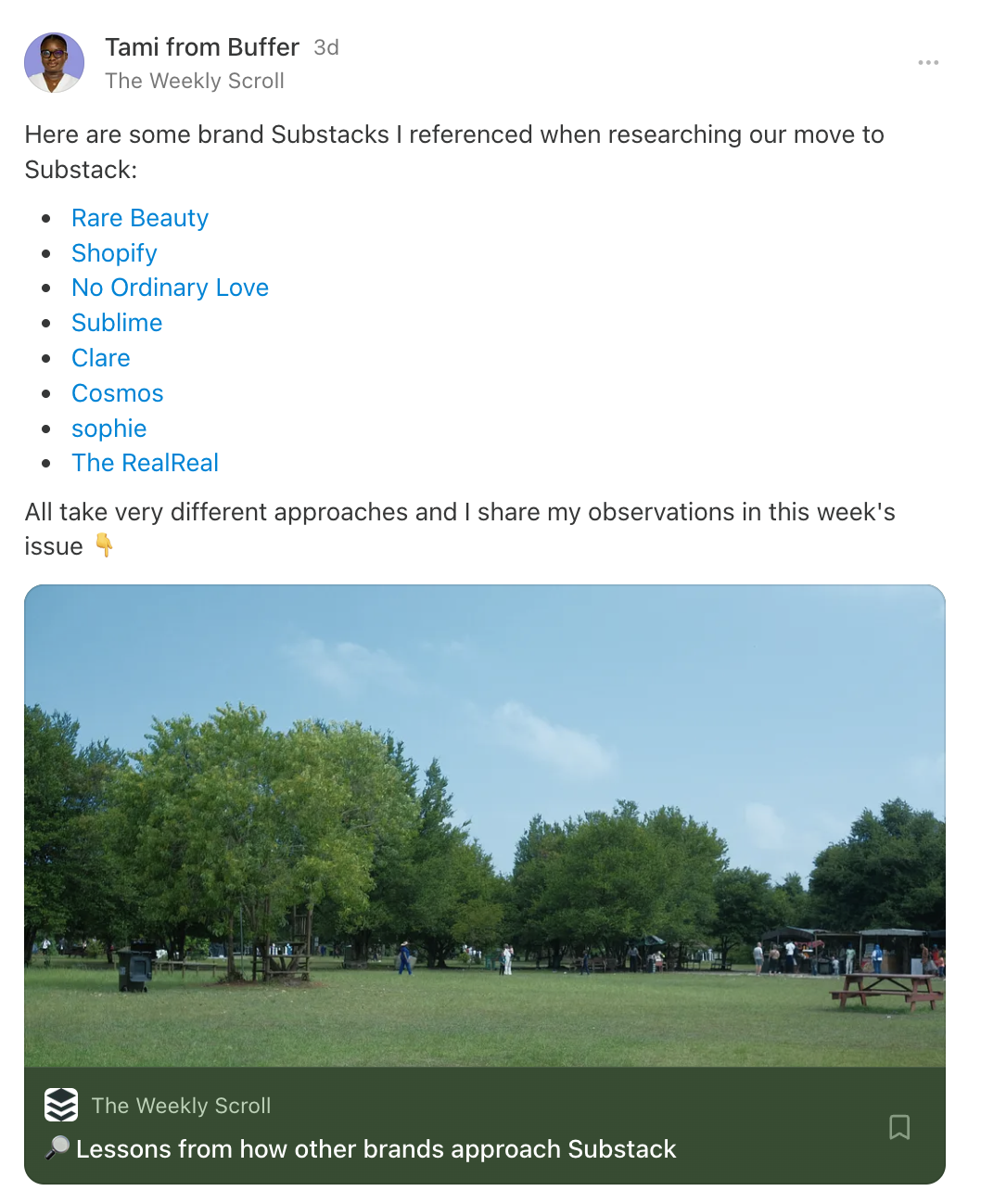
Data from high-growth publications suggest that the most successful newsletters adhere to a "niche-first" strategy. While broad commentary can attract a general audience, sustainable growth is most often found at the intersection of a creator’s expertise and a specific reader demand.
A central tension for creators is the balance between consistency and quality. Historical data indicate that while high-frequency publishing (such as daily updates) can accelerate discovery via the Notes feed, it often leads to burnout and a dilution of content value. The consensus among successful independent journalists is to adopt a sustainable cadence—typically weekly—that allows for deep-dive reporting or high-quality analysis.
SEO optimization remains an underutilized tool in the Substack ecosystem. Many creators fail to populate the "SEO Title" and "SEO Description" fields, which are indexed by major search engines. By consistently filling these fields, publications can capture organic traffic from search queries, a strategy that pays dividends over months and years rather than days.
Monetization and Economic Implications
The financial model of Substack is built on a 10% revenue share taken by the platform, supplemented by payment processing fees managed by Stripe. For an average monthly subscription of $8.00, the creator retains approximately $6.60 after accounting for processing fees and platform cuts.
The decision to move behind a paywall is a critical juncture in a publication’s lifecycle. Industry best practices suggest a tiered approach:
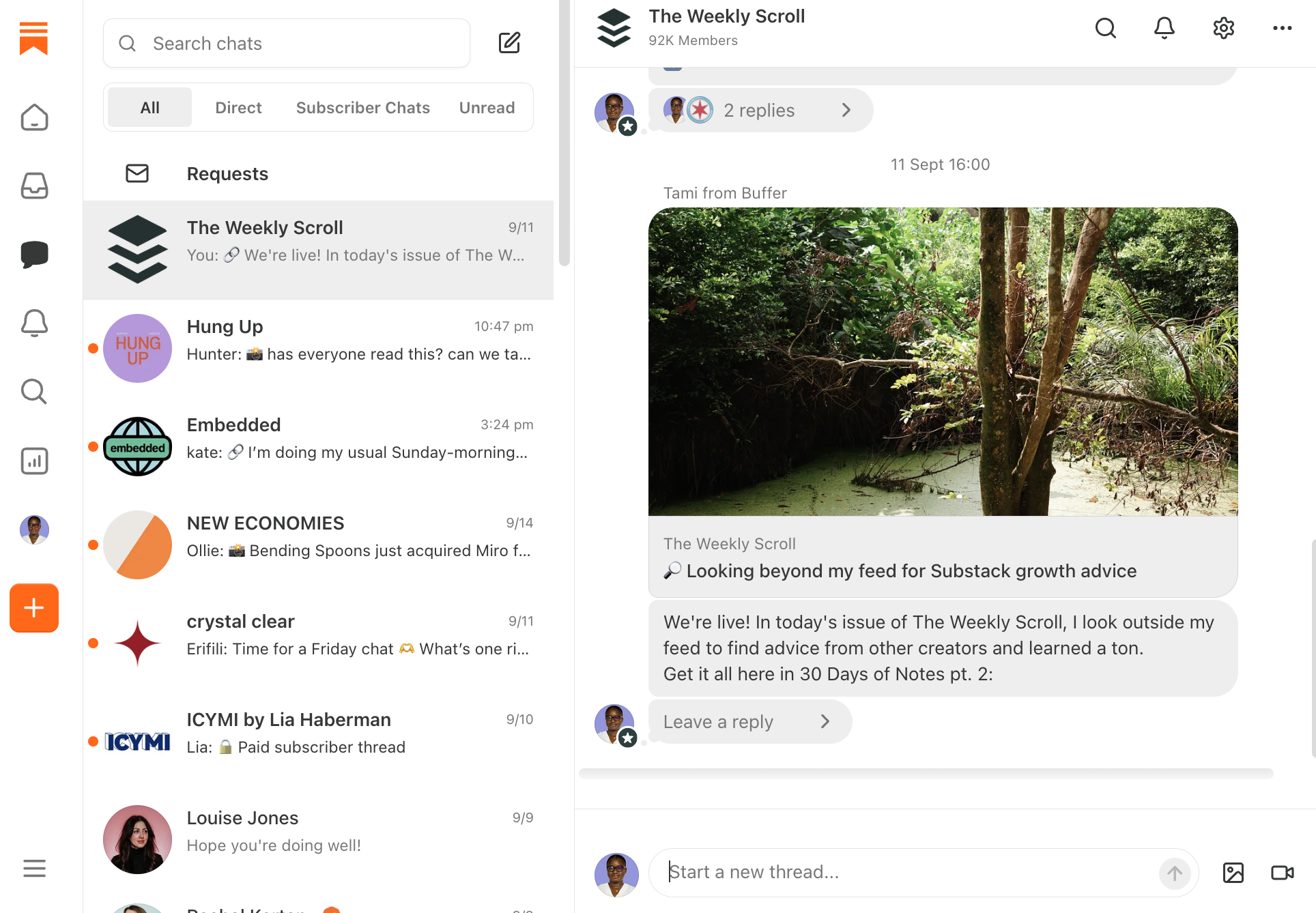
- The Freemium Model: The most common structure, where a majority of content remains free to drive growth, while specific "premium" posts, live sessions, or community chat features are reserved for paying subscribers.
- The Founding Member Tier: A higher-priced subscription option for super-users, which has proven effective for creators looking to generate significant upfront capital.
There is no industry standard for when to initiate a paid tier. However, analysis suggests that creators typically wait until they have reached a "critical mass"—often between 500 and 1,000 active subscribers—to ensure a meaningful conversion rate.
The Role of Community and Engagement
A fundamental error made by new entrants is treating Substack as a one-way broadcasting medium. The platform’s architecture—specifically the "Chat" and "Threaded Comments" features—is designed to foster bidirectional communication.
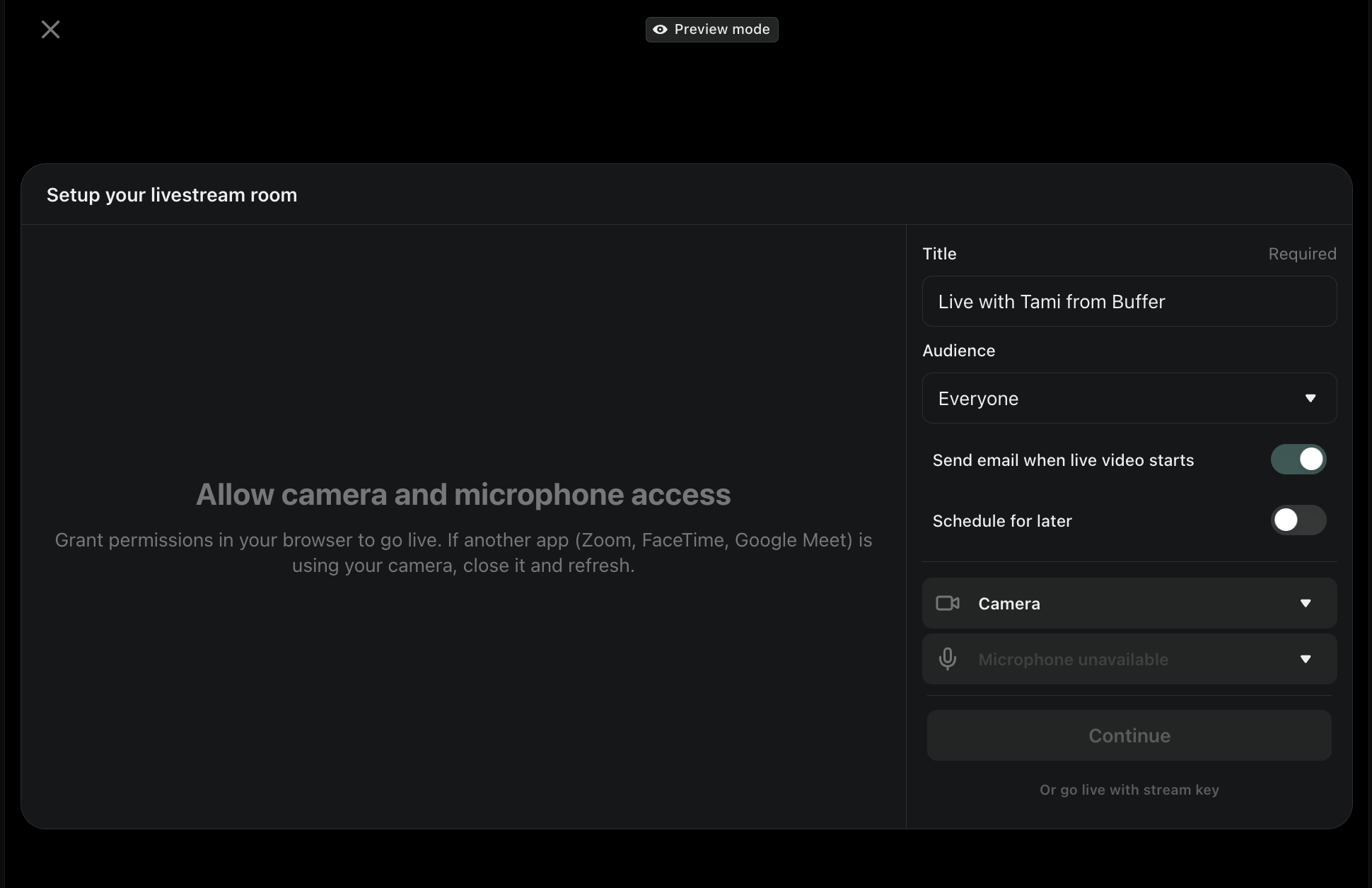
Data suggests that publications with high levels of reader-to-writer interaction exhibit significantly higher retention rates. When readers feel like active participants in the creative process, their willingness to subscribe (and remain subscribed) increases. Furthermore, the "Reply" feature in emails is a powerful, if underused, metric. Encouraging readers to reply to newsletters not only provides the writer with direct feedback but also signals to email service providers that the publication is a trusted sender, thereby improving deliverability.
The Distinction Between Followers and Subscribers
One of the most significant points of confusion for new users is the difference between "Followers" and "Subscribers."
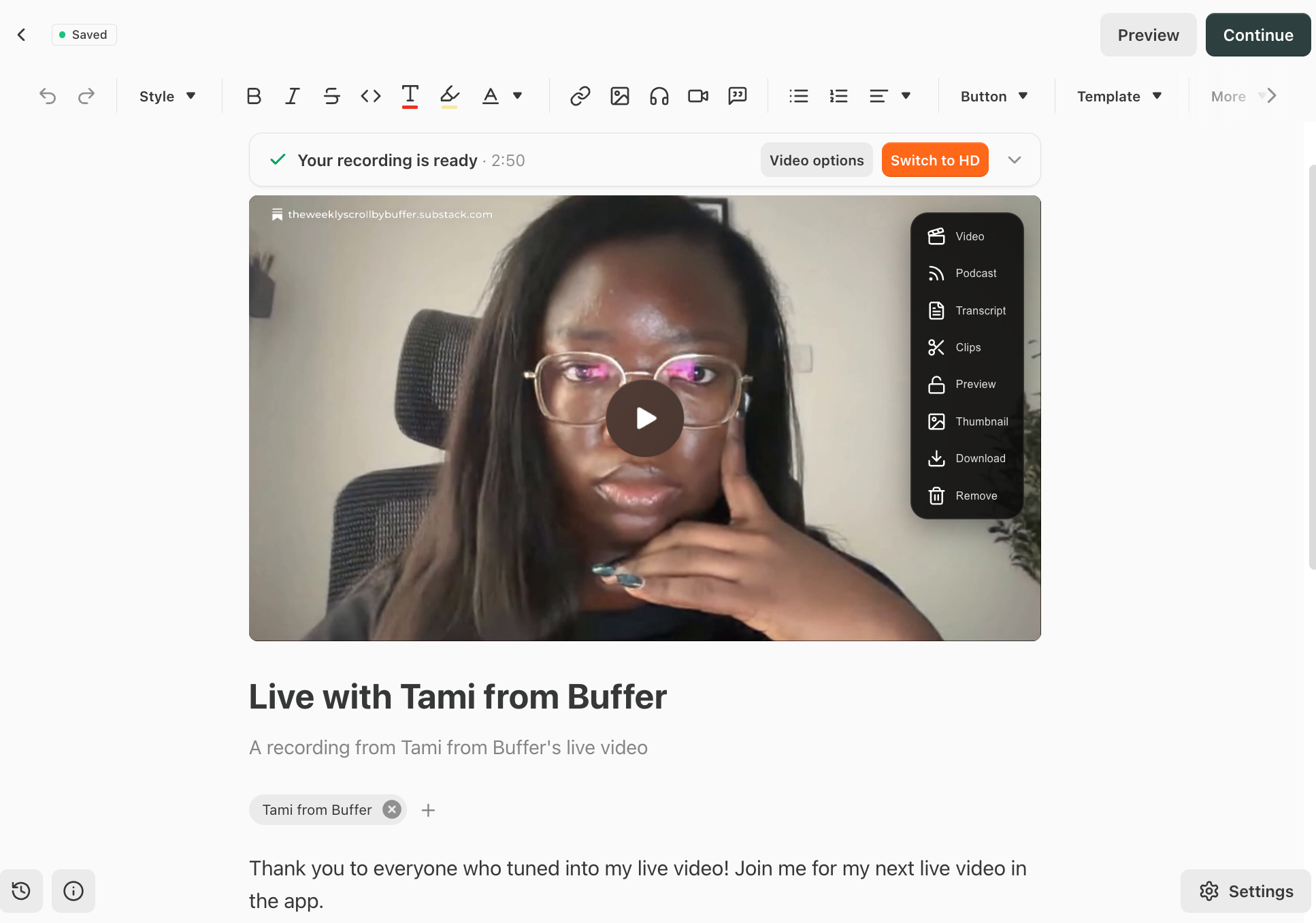
- Subscribers represent the core asset of the business; their contact information is portable, they receive emails directly, and they are the primary source of revenue.
- Followers are social connections within the Substack ecosystem. While they see content in the app feed, they are not on the email list.
The primary objective of a growth strategy should be the conversion of followers into subscribers. This is achieved by providing clear, value-added incentives for users to opt into the email list, such as exclusive content or access to the publication’s archive.
Broader Implications for the Media Industry
The rise of Substack represents a broader trend in the "creator economy": the institutionalization of the individual writer. By providing a "plug-and-play" infrastructure that handles the complexities of payments, email deliverability, and web hosting, the platform has lowered the barrier to entry for independent media.
However, the shift also presents challenges. The reliance on a single platform creates a dependency risk. While the ability to export subscriber lists mitigates this to some extent, the loss of the platform’s discovery algorithms would be a significant blow to many creators. Furthermore, the saturation of the market suggests that "growth by volume" is becoming increasingly difficult. Future success will likely depend on specialization, distinct brand voice, and the ability to foster deep, localized communities rather than broad, shallow ones.
Conclusion
Launching a Substack is a strategic endeavor that requires more than just compelling writing. It necessitates a grasp of technical configuration, a consistent publishing rhythm, and a commitment to community engagement. For those willing to invest the time to master the platform’s tools—from SEO-optimized headers to active participation in the Notes feed—the platform remains one of the most effective ways to build an independent, sustainable media business in the current digital landscape. The path to a successful publication is rarely linear, but by focusing on the core fundamentals of value, consistency, and reader relationships, new creators can effectively leverage the platform to reach their professional objectives.