Why E-ink Digital Art Frames Are Replacing Traditional Frame TVs for Home Decor Enthusiasts

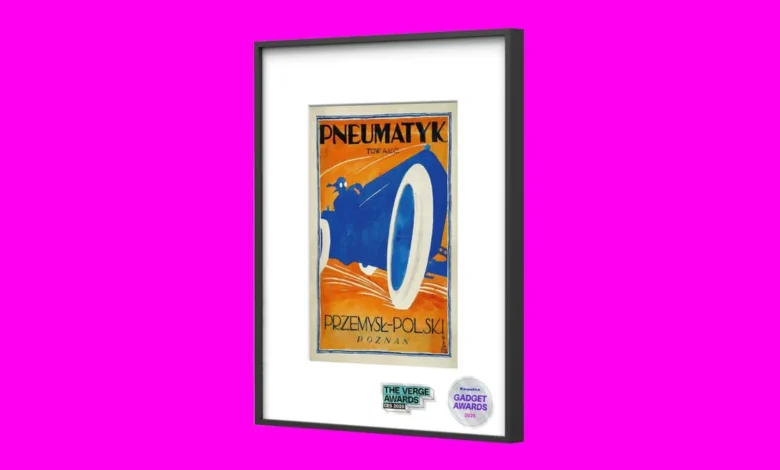
For years, the smart home market has been dominated by the concept of the "Frame TV," a device designed to blend technology with interior design by displaying static artwork when not in use as a television. However, a growing segment of the design-conscious consumer market is shifting away from this format, opting instead for dedicated e-ink digital art frames. This transition marks a significant evolution in how domestic spaces integrate digital media, prioritizing the aesthetic authenticity of print-like displays over the high-brightness, high-contrast utility of traditional LED panels.
The limitations of the frame TV format are well-documented. By nature, these devices are television screens first and art displays second. They require constant proximity to a power source, necessitate bulky wiring solutions, and, most importantly, emit the characteristic blue light and glow associated with standard screens. Furthermore, the positioning of a television is dictated by seating arrangements and ergonomic viewing angles, which rarely align with the optimal placement for gallery-style art. As the market matures, companies like the Swiss-based InkPoster are offering a compelling alternative that addresses these functional and aesthetic friction points.
The Rise of E-Ink in Interior Design
The adoption of electronic paper (e-ink) technology in the home decor sector is not merely a trend but a response to the "screen fatigue" experienced by many modern households. E-ink technology relies on electrophoretic display particles—microcapsules filled with pigment that shift under an electric charge to form an image. Because these displays are reflective rather than emissive, they do not require a backlight. They look virtually identical to a physical print, regardless of the ambient lighting conditions in a room.
The technical advantages of this shift are manifold. Unlike a TV, which requires an active power feed to maintain a bright, glowing image, an e-ink display is bistable. This means it only consumes electricity when the image is being updated. Once the artwork is set, the screen remains static, requiring no power to maintain the visual. This allows manufacturers to incorporate battery-powered designs that can be hung on any wall in a residence—above a fireplace, in a hallway, or in a study—without the need for visible cabling or professional electrical installation.
A Chronology of Digital Art Integration
The trajectory of digital art displays began in the early 2010s with the rise of high-resolution tablets and dedicated photo frames. Early iterations were plagued by poor resolution, narrow viewing angles, and, crucially, a "glow" that made them look like computers rather than art.
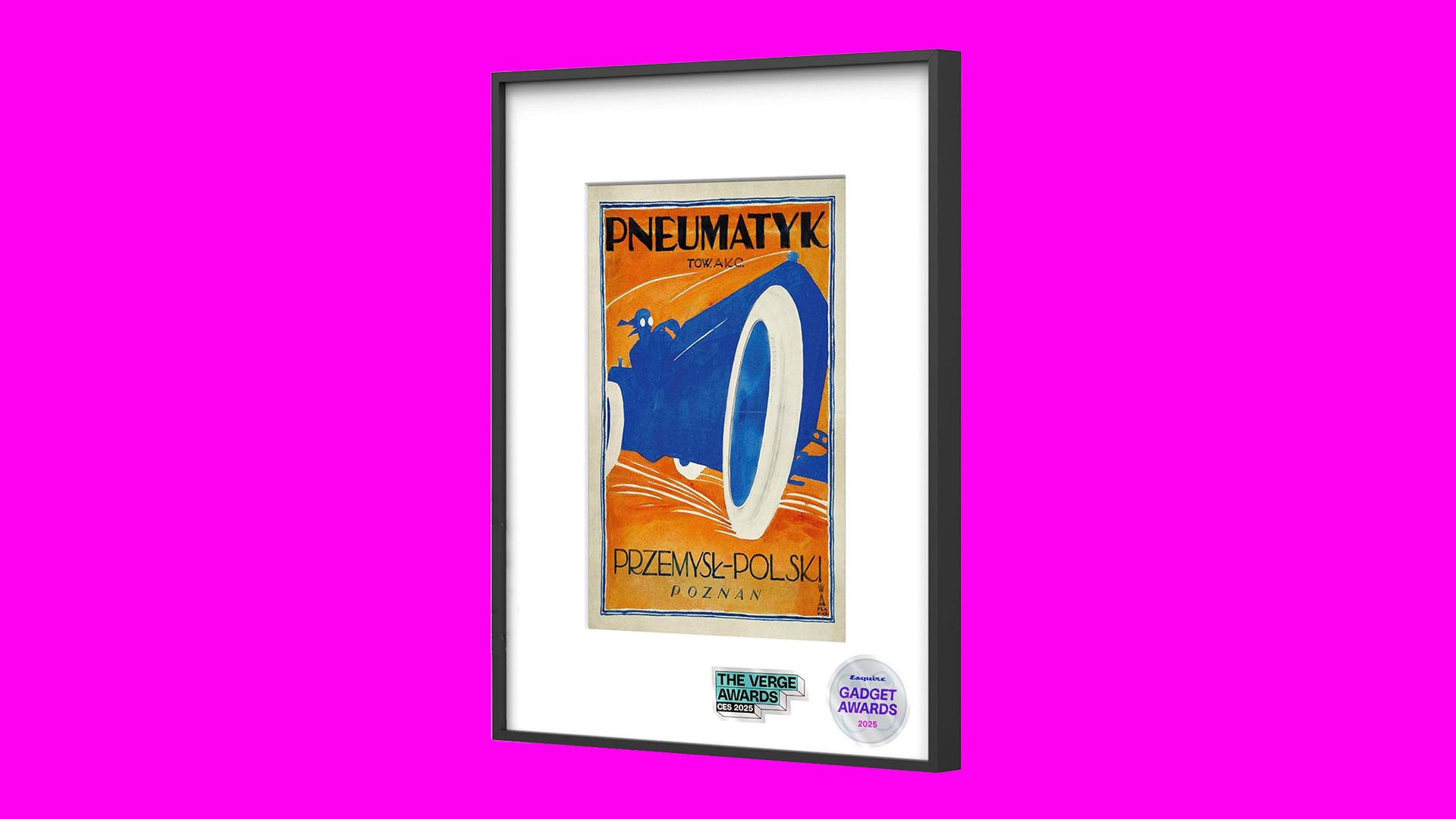
By 2020, the industry saw a bifurcation: the "Frame TV" model, popularized by major electronics conglomerates, focused on high-definition video playback and smart home connectivity. Conversely, a niche but rapidly expanding sector began focusing on "slow technology." The philosophy behind this movement is to provide a display that serves a meditative purpose, facilitating the rotation of art without the distraction of notifications, software updates, or the aggressive luminance of a standard monitor.
The introduction of the InkPoster Affresco and Tela lines represents the most recent milestone in this timeline. By focusing on physical build quality—using materials that mimic traditional picture framing, such as high-quality wood and fabric passepartouts—these devices have successfully bridged the gap between consumer electronics and high-end home decor.
Comparative Analysis: E-Ink vs. Traditional Displays
Data regarding consumer satisfaction in home technology indicates a growing preference for "invisible tech." A recent survey of interior design trends suggests that homeowners are increasingly seeking to hide or integrate technology to maintain a "minimalist aesthetic."
| Feature | Frame TV | E-Ink Art Frame |
|---|---|---|
| Display Type | Emissive (LED/QLED) | Reflective (E-Ink) |
| Power Requirement | Continuous AC Power | Battery / Periodic Charging |
| Visual Texture | Digital/Glass | Matte/Canvas-like |
| Lighting Interaction | Emits Light | Reflects Ambient Light |
| Primary Utility | Entertainment & Media | Decorative & Aesthetic |
The cost-to-value ratio is also a critical factor. While a large-format Frame TV can cost several thousand dollars, entry-level e-ink art frames, such as the InkPoster Affresco, start at approximately $499. This price point positions these devices as accessible luxury items rather than major appliance investments.
The User Experience: Beyond the Screen
The operational methodology of these devices is designed to be as unobtrusive as possible. Through companion applications, users can curate galleries, manage image rotation, and crop files to ensure they fit the specific aspect ratio of the frame. The transition process—the physical shifting of the e-ink microcapsules—provides a distinct visual experience. Unlike a digital slideshow that flickers or jumps, the transition on an e-ink device is slow and deliberate. It mimics the sensation of an image being physically printed onto the surface, a detail that has been cited in several industry reviews as a primary psychological driver for consumer adoption.
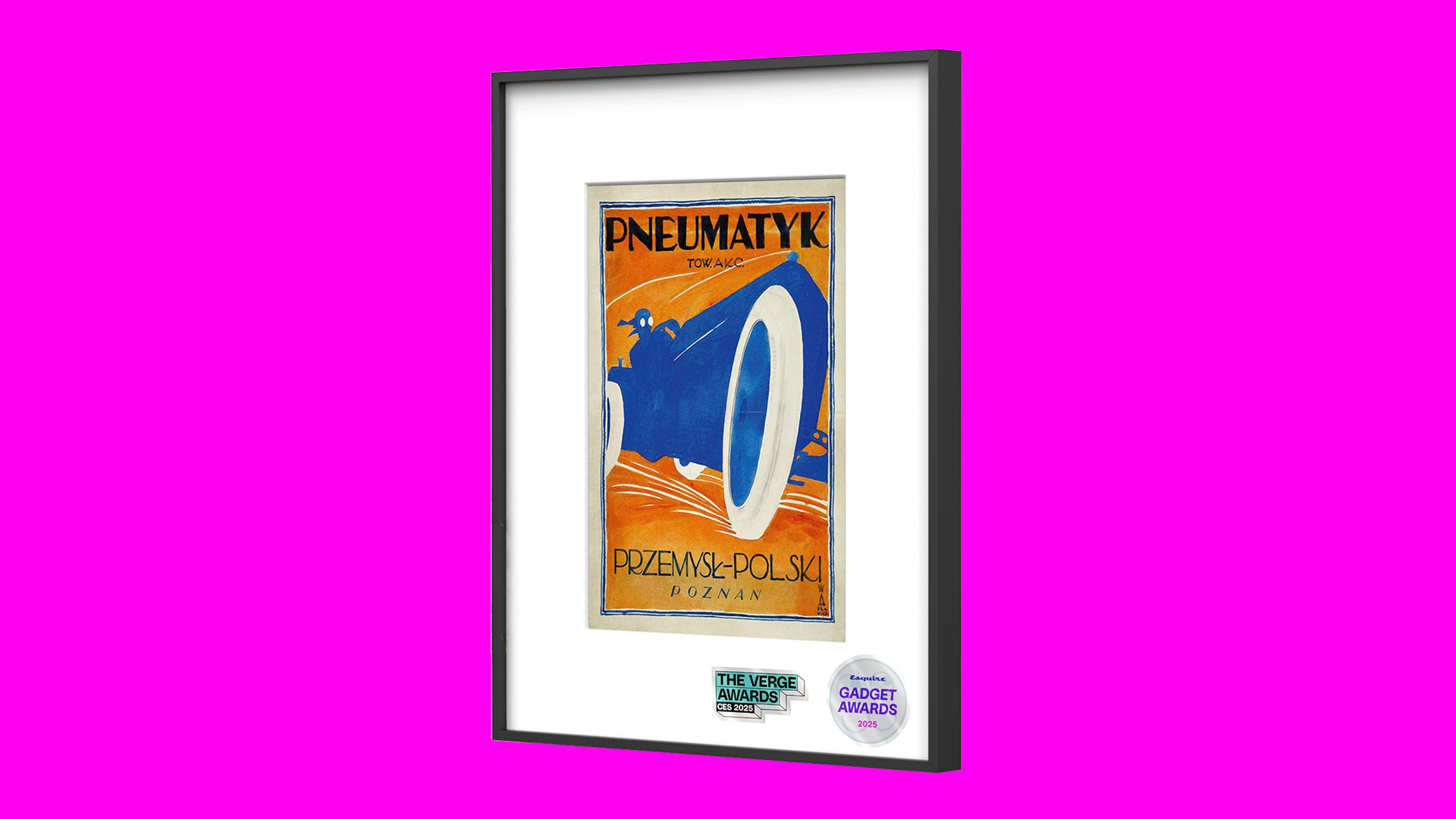
Furthermore, the hardware aesthetics are no longer relegated to plastic casings. Premium models, such as the InkPoster Tela, have begun incorporating materials like Alcantara and designs from renowned studios like Pininfarina. This signals that the industry is viewing these devices as pieces of furniture rather than consumer hardware.
Broader Implications for the Smart Home
The implications of this shift are significant for both the technology and design industries. For technology companies, it suggests that there is a vast, untapped market for "de-featured" electronics—devices that do less, but do it with higher design integrity. For the art world, it provides a new medium for artists to distribute their work. Just as high-resolution prints allowed for the democratization of fine art in the 20th century, digital art frames allow for a living, breathing gallery that can change at the user’s whim.
However, the technology is not without its challenges. E-ink displays are historically monochrome or limited in color palette, though current advancements are rapidly expanding the color gamut. Furthermore, the refresh rate of e-ink is insufficient for video, effectively cementing its place as a tool for static imagery rather than dynamic multimedia.
Future Outlook and Industry Response
As we look toward the future, it is probable that we will see a convergence of these technologies. Manufacturers are already experimenting with hybrid displays that utilize e-ink for its power-efficient, paper-like appearance during the day, while potentially integrating subtle backlighting for evening viewing.
Industry analysts suggest that as the cost of large-scale e-ink panels continues to drop, we will see a proliferation of these devices in both residential and commercial spaces, such as boutique hotels, high-end retail, and professional offices. By decoupling the display from the wall-socket and removing the aggressive light output of standard televisions, e-ink art frames have successfully carved out a unique space in the modern home. They represent a retreat from the "always-on" culture of digital connectivity, offering instead a serene, persistent, and visually authentic way to enjoy digital art.
For the consumer, the choice between a Frame TV and an e-ink frame ultimately boils down to a question of intent. If the priority is to watch high-fidelity 4K video, the television remains the superior tool. But for those who view the home as a sanctuary and prioritize the display of art in a way that respects the ambient environment, the e-ink frame has established itself as the new standard in home decor technology.