This shift represents a significant evolution in student social culture, reflecting a broader demographic trend toward health-conscious living and a reevaluation of the role alcohol plays in collegiate socialization.
The Anatomy of the Wellness Party
At a typical wellness darty, the fraternity lawns that once hosted beer pong tournaments are now blanketed with yoga mats. Participants arrive not for a keg stand, but for a guided Pilates class or a community run. The atmosphere remains high-energy and social, yet the primary "attraction" is centered on physical health and collective well-being. Organizers, often affiliated with student-run fitness clubs or local health-oriented collectives, provide amenities like cold plunges, saunas, and hydration stations.
The logistical framework of these events mirrors traditional party planning. They are held on weekends during daylight hours, feature curated music playlists, and rely on social media to build hype and manage attendance. However, the mission statement is entirely different: to foster community through shared physical activity rather than substance-induced inhibition.

A Cultural Shift in Alcohol Consumption
The rise of the wellness darty is rooted in a well-documented decline in alcohol consumption among young adults. Data from the Gallup organization indicates a consistent downward trend in drinking habits for those under 35. In the early 2000s, approximately 72 percent of young adults reported drinking alcohol; by the 2021–2023 period, that figure had dropped to 62 percent.
Researchers cite several drivers for this shift. Economic pressures, the desire to avoid the "hangover effect" that hinders academic performance, and a heightened awareness of the long-term health risks associated with alcohol consumption have all played a role. Furthermore, the digital age has introduced a "surveillance" element to social life; students are increasingly wary of the permanent nature of social media, where a single moment of intoxication can be captured and shared globally, potentially impacting future professional prospects.
Data and Trends: The Economics of Wellness
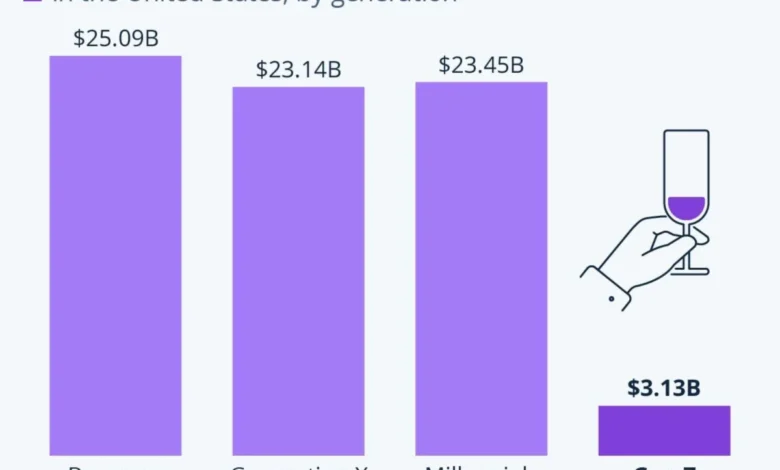
The surge in these events is not merely a localized phenomenon but a reflection of the massive, multi-billion-dollar wellness industry. According to recent market analysis from McKinsey, Gen Z and millennials now account for more than 41 percent of annual U.S. wellness spending, despite representing only 36 percent of the adult population. This demographic is significantly more likely to prioritize physical fitness, with over 56 percent of Gen Z consumers identifying fitness as a "very high priority."
This prioritization has bled into social habits. Platforms like Eventbrite have noted that "soft clubbing" and morning fitness-based social events have seen explosive growth. Coffee clubbing, sauna events, and organized running meetups have seen participation increases of over 250 percent in recent quarters, suggesting that students are looking for ways to "optimize" their downtime rather than lose it to the recovery time required after a night of heavy drinking.

Industry and Academic Perspectives
The phenomenon has sparked intense debate, both online and in academic circles. Critics often argue that the trend represents a form of "optimization culture," where even leisure time must be productive or aesthetically pleasing. Some commentators on social media have questioned whether students are "cosplaying" as wellness influencers, suggesting that the pressure to maintain a perfect, health-focused lifestyle can be just as restrictive as the pressures of traditional party culture.
However, student organizers emphasize that these events serve a crucial social function. As modern students struggle with a perceived "socialization deficit"—partly exacerbated by the isolation experienced during the pandemic—structured activities provide a low-stakes environment to meet new people. Riley Meyer, a student leader at the University of Alabama, notes that providing a specific activity gives attendees a "buffer," making it easier to engage with peers without the reliance on alcohol as a social lubricant.
Chronology of a Trend
The movement gained significant national traction in early 2026. While localized fitness groups had been experimenting with these formats for some time, the viral success of videos from the University of Florida’s "Peak Pulse" club served as a catalyst. When videos of hundreds of students stretching on a lawn went viral on TikTok, the internet response was polarized. Some users expressed nostalgic shock, while others praised the health-conscious pivot.
Following the Florida viral moment, similar initiatives were rapidly adopted at the University of Miami, Florida State, and Syracuse. By the fall of 2026, the concept had evolved from a fringe campus activity into a recognized trend, with national wellness organizations beginning to partner with student chapters to provide equipment and professional instruction.

The Broader Implications for Social Life
It is important to note that the wellness darty does not necessarily signal the end of traditional nightlife. Many students who participate in morning group runs or Pilates classes still attend social outings later in the evening. The shift is better characterized as a diversification of social options rather than a total replacement.
The implications for the hospitality industry are significant. Bars, clubs, and event venues that have historically relied on alcohol sales are now facing a consumer base that is increasingly interested in non-alcoholic alternatives. Successful establishments are beginning to pivot, offering "mocktail" menus, functional beverages like matcha or adaptogenic drinks, and creating spaces that cater to social connection without the alcohol-first mandate.
The Psychology of "Social Optimization"
Psychologists observing this trend point to the intersection of the "clean girl" aesthetic and the need for communal belonging. The visual language of these events—matching activewear, professional-grade equipment, and a focus on "looking and feeling good"—aligns with the aspirational content that dominates the social feeds of today’s college students.
While some fear that this move toward perfectionism might stifle the "beauty of imperfection" traditionally associated with the college experience, others argue that it represents a maturing generation. By choosing to prioritize health, Gen Z is actively reshaping the definition of what it means to have a "good time."

Conclusion: A New Standard?
The wellness darty is more than a fleeting social media fad; it is a manifestation of shifting priorities among the most health-conscious generation in history. Whether these gatherings remain a permanent fixture of the college landscape or evolve into something else, they highlight a clear trend: students are demanding social experiences that align with their personal values, their health goals, and their desire for genuine, albeit structured, human connection.
For universities and local businesses, the message is clear: the future of campus socialization is not just about where the party is, but what is happening on the lawn. As the lines between fitness, health, and nightlife continue to blur, the wellness darty stands as a testament to a generation that refuses to sacrifice its well-being for the sake of a tradition that no longer serves its needs.