Inside the Creative Mind of Elliot March: The Journey and Inspirations Shaping MAWD

The trajectory of modern architecture and interior design is frequently forged through unexpected encounters, collaborative visions, and a profound respect for contextual environments. For Elliot March, co-founder of the globally acclaimed practice MAWD | March and White Design, this journey began not in a high-profile boardroom, but through a routine late arrival to a university lecture hall. From those academic beginnings at the University of Edinburgh to spearheading landmark residential, hospitality, and maritime projects across continents, March has cultivated a design philosophy deeply rooted in listening to a space rather than imposing a predetermined aesthetic upon it.

This design ethos takes center stage as March steps into the spotlight for the latest installment of the celebrated Friday Five series, sharing the five global locations that ignite his creative imagination alongside five defining projects that encapsulate the trajectory of his firm.
From Academic Partnership to Global Practice: The Origins of MAWD
The partnership between Elliot March and James White was sparked by chance when both students arrived late to the same class at the University of Edinburgh. Discovering a mutual fascination with the intersection of architecture and human experience, the two peers forged an immediate connection. Following graduation, they spent the formative years of their careers embedded within larger, established design practices. During this period, White developed a specialized focus on interior environments and their capacity to emotionally and physically shape human behavior, while March refined his understanding of spatial scale, structural flow, and material longevity.
Recognizing a shared ambition to approach design with greater holistic freedom, March and White officially established their independent studio, MAWD | March and White Design, in 2010. Operating initially as a boutique luxury British interior design firm, the partnership quickly gained a reputation for meticulous craftsmanship and narrative-driven spaces. Over the subsequent decade and a half, March spearheaded the firm’s strategic evolution, transforming it into an internationally recognized multidisciplinary practice. Today, MAWD’s portfolio spans a diverse spectrum of sectors, including luxury residential towers, high-end hospitality venues, commercial hubs, and bespoke superyachts.
Despite this expansive global reach, March’s fundamental approach to spatial creation remains remarkably unpretentious. Rather than arriving at a new commission with a fixed stylistic template, he advocates for an organic discovery process. According to March, the architecture, geographical location, natural light conditions, material availability, and the daily rhythms of the occupants should dictate the design direction. When these disparate elements coalesce naturally, the resulting interior achieves a sense of permanence—as though it inherently belongs to its setting.
Five Geographies of Inspiration: Where Architecture Meets Landscape
March’s creative vision is heavily informed by his observations of the built and natural environments he encounters during his travels. In his selection of five inspiring locations, a clear reverence for organic evolution, texture, and contextual harmony emerges.
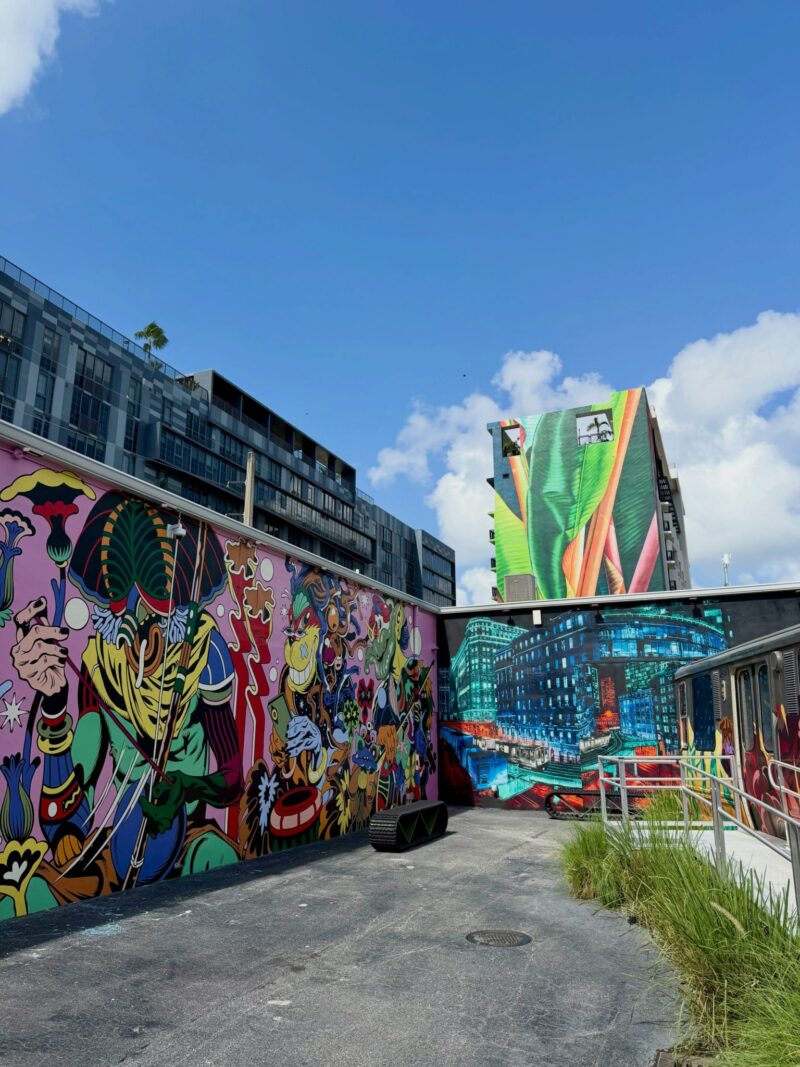
1. Wynwood Walls, Miami
Long before MAWD undertook the design of The Cloud One Hotel & Residences Wynwood, March found himself drawn to the kinetic energy of Miami’s Wynwood district. Characterized by its industrial warehouse heritage juxtaposed against vibrant, large-scale street murals curated by leading contemporary artists, the neighborhood presents a continuous dialogue between raw materials and human expression. March notes that this persistent tension between the unrefined and the expressive has fundamentally influenced how his team integrates architecture into its surrounding urban fabric, ensuring new developments converse with their localities rather than imposing themselves upon them.
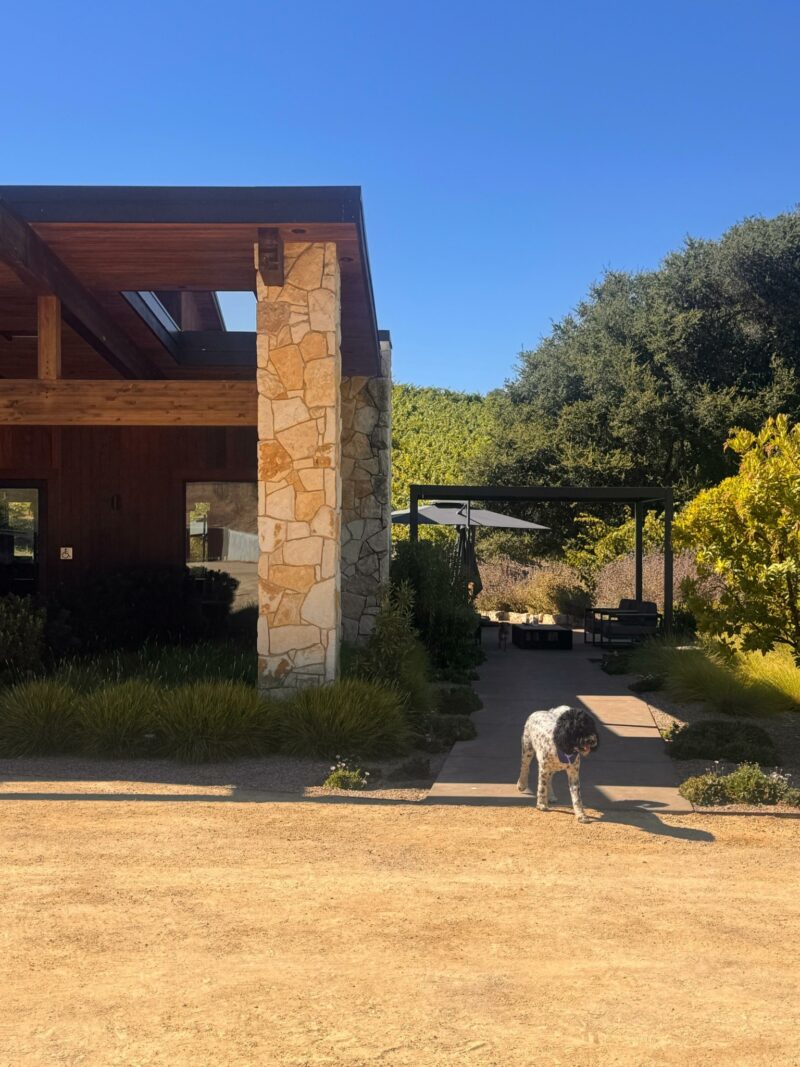
2. Paso Robles Wineries, California
The architectural vernacular of the wineries scattered across Paso Robles, California, offers a masterclass in understated design. March admires how structures in this region utilize local stone, native timber, concrete, and naturally weathered materials to establish a tactile, grounded presence. Rather than attempting to dominate the agricultural topography, these buildings serve as quiet frames that celebrate the surrounding vineyards, allowing light, material, and nature to drive the architectural narrative.
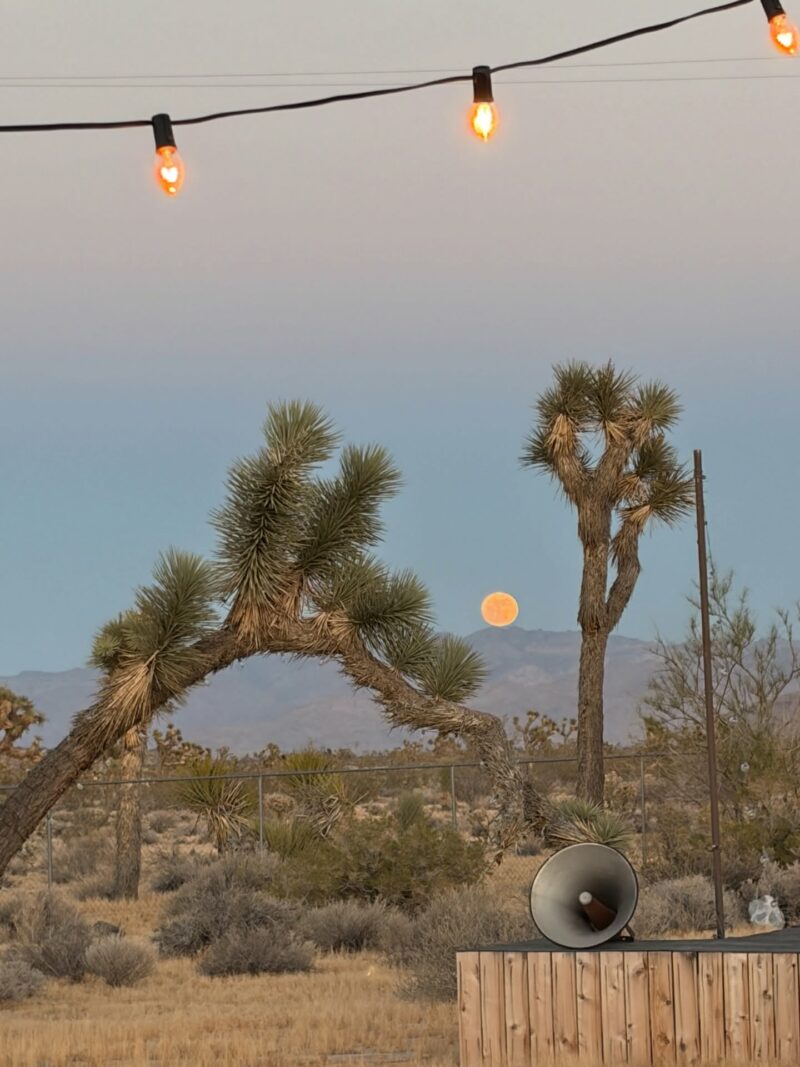
3. Yucca Valley, California
For March, the high desert landscape of Yucca Valley serves as a meditative escape. Regular cycling expeditions through the area—particularly during the shifting light of sunset—offer a reminder to slow down and observe subtle shifts in shadow, warmth, and coloration. This practice of close observation reinforces his belief that many of the most profound design solutions already exist within a site; the designer’s primary task is simply to notice and honor them.
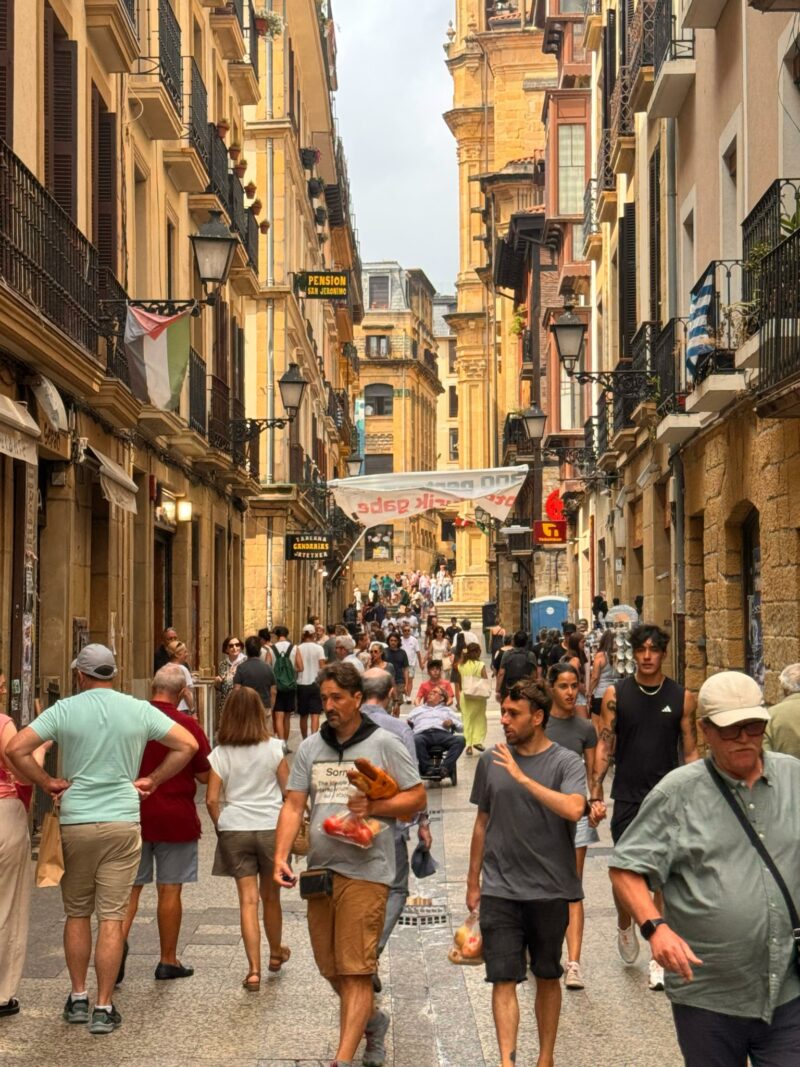
4. Parte Vieja, San Sebastián, Spain
The historic Parte Vieja quarter in San Sebastián exemplifies organic urbanism at its finest. March highlights the neighborhood’s rich amalgamation of worn stone, painted facades, delicate balconies, timber accents, and tiled thresholds. Because these architectural layers have accumulated over centuries without an overarching master plan, the district embraces imperfections and the tangible traces of human use. For March, this environment underscores the enduring beauty of spaces that evolve naturally over time.
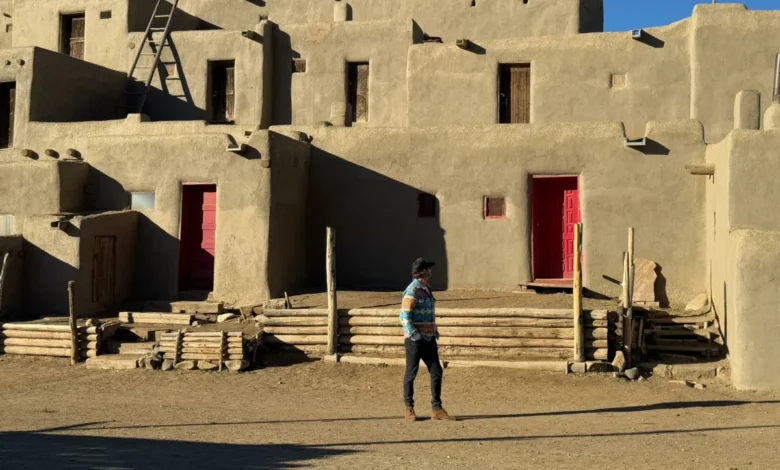
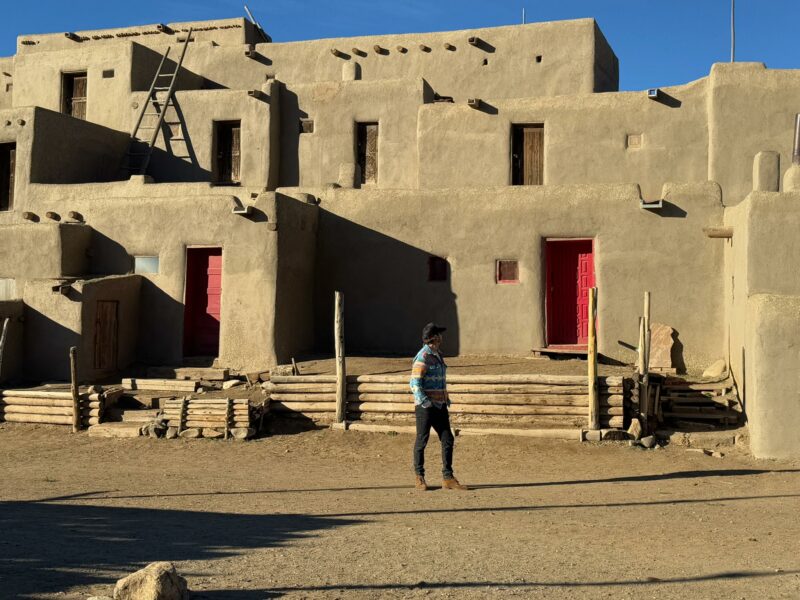
5. Taos Pueblo, New Mexico
As a historic Native American community that has been continuously inhabited for centuries, the Taos Pueblo in New Mexico stands as a testament to the power of indigenous architecture. March finds the site deeply moving due to its direct employment of local earth-based materials, simple geometric forms, and undeniable harmony with the surrounding landscape. The architecture communicates an authentic relationship between the environment and the generations of people who have shaped it, proving that sustainable, meaningful design is deeply rooted in local ecology.
Five Defining MAWD Projects: Translating Philosophy into Built Reality
The principles observed in March’s travel inspirations find direct expression across MAWD’s extensive project portfolio. Five key developments illustrate the firm’s versatility and design rigor.
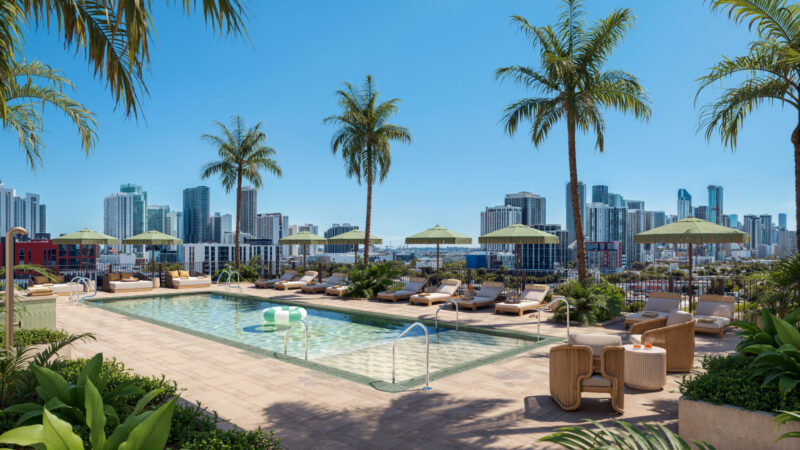
1. The Cloud One Hotel & Residences Wynwood
Reflecting his deep appreciation for Miami’s creative district, The Cloud One Hotel & Residences Wynwood stands as a physical manifestation of the neighborhood’s industrial past and artistic present. MAWD integrated exposed concrete, warm wild oak, bronze detailing, and lush interior planting to establish a tranquil sanctuary amidst the high-energy urban backdrop. Further elevating the property, art curation by Goldman Global Arts bridges the gap between local culture and interior refinement, offering guests and residents a seamless transition from the bustling streets outside to a peaceful internal retreat.
2. The Greenwich by Rafael Viñoly, New York
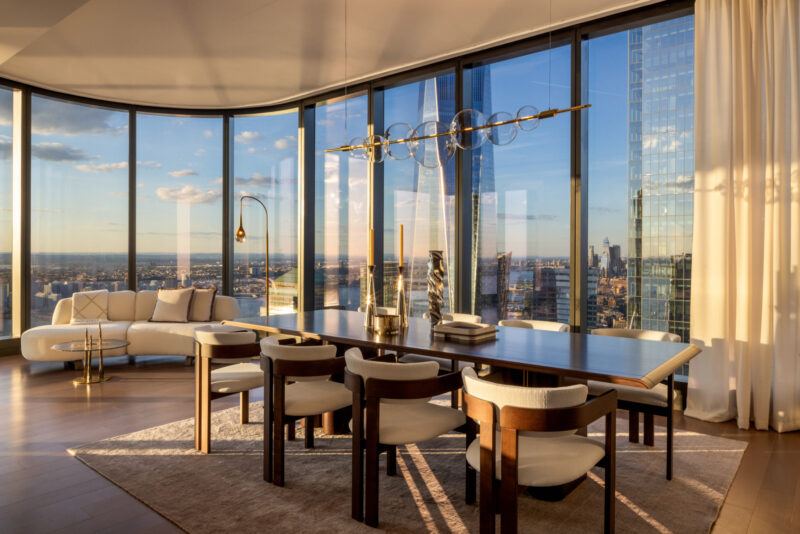
The Greenwich in Manhattan’s Financial District marks a deeply personal milestone for March. Following an invitation from the late, renowned architect Rafael Viñoly for MAWD to lead the building’s interior architecture, March relocated from London to New York, subsequently establishing the firm’s permanent U.S. headquarters. Drawing upon MAWD’s extensive background in superyacht design, the interiors feature subtle nautical motifs—most notably demonstrated by the bookmatched Noir Saint Laurent marble reception desk. The project symbolizes both a significant professional evolution for the firm and a transformative chapter in March’s personal career.
3. Water Street Tampa, Florida
Addressing the unique climatic demands of Florida’s Gulf Coast, the forthcoming residences at Water Street Tampa leverage the region’s distinct indoor-outdoor lifestyle. MAWD studied the architectural language of the building’s louvers, portals, and open courtyards, translating these exterior characteristics into the interior living spaces. Capitalizing on the abundant tropical sunlight and lush landscape, the design permitted a more expressive palette of colors and materials, demonstrating how geographical context can push a design team into innovative territory.
4. Edgeworth, West Palm Beach, Florida
As part of a sweeping urban revitalization effort led by Related Ross to transform West Palm Beach into a vibrant year-round destination, Edgeworth represents forward-thinking residential design. Collaborating with Kohn Pedersen Fox (KPF), whose sculptural architecture defines the exterior, MAWD crafted interiors that respond directly to the Intracoastal waterfront. The resulting spaces are relaxed, warm, and tailored to contemporary coastal living, anchoring the building within West Palm Beach’s rapidly evolving cultural landscape.
5. Lantern House, New York
Located in New York City, Lantern House presented a unique design challenge centered around Heatherwick Studio’s distinctive industrial glazing, which reinterprets traditional factory-style windows with fluid, curved forms. Rather than competing with this striking architectural facade, MAWD introduced tactile warmth through the careful application of natural oak, warm brick, bronze, and stone. The resulting interiors successfully balance grand architectural gestures with intimate, human-scale comfort, reinforcing the practice’s core belief that thoughtful interior architecture can turn even the most avant-garde structure into a genuine home.
Related posts: