From Shorts to Spinoff: The Making of Star Wars: Visions Presents – The Ninth Jedi

The evolution of storytelling within the Star Wars universe has taken a dramatic and visually striking new direction with the release of Star Wars: Visions Presents – The Ninth Jedi. Written and produced to expand upon the rich narrative foundation laid by Lucasfilm’s acclaimed animated anthology series, this eight-episode limited anime series bridges years of creative world-building into a cohesive, standalone epic. The project charts the continuation of sabersmith Lah Zhima and his resolute daughter, Kara, navigating a complex galaxy roughly two centuries after the iconic eras of Luke and Leia Skywalker—a setting completely unburdened by the traditional binary structures of the Jedi Order or the Galactic Empire.
Background Context and Narrative Evolution
The journey of The Ninth Jedi began as a fan-favorite short film in Volume 1 of Star Wars: Visions, which introduced audiences to Lah Zhima, a master sabersmith, and his daughter Kara. In that initial installment, Kara embarked on a perilous rescue mission after her father was abducted by relentless Jedi Hunters. The narrative thread was picked up again in Volume 3 with the short Star Wars: Visions Presents – The Ninth Jedi: Child of Hope, where Kara found herself hunted across the stars, ultimately taking refuge aboard a drifting starship.
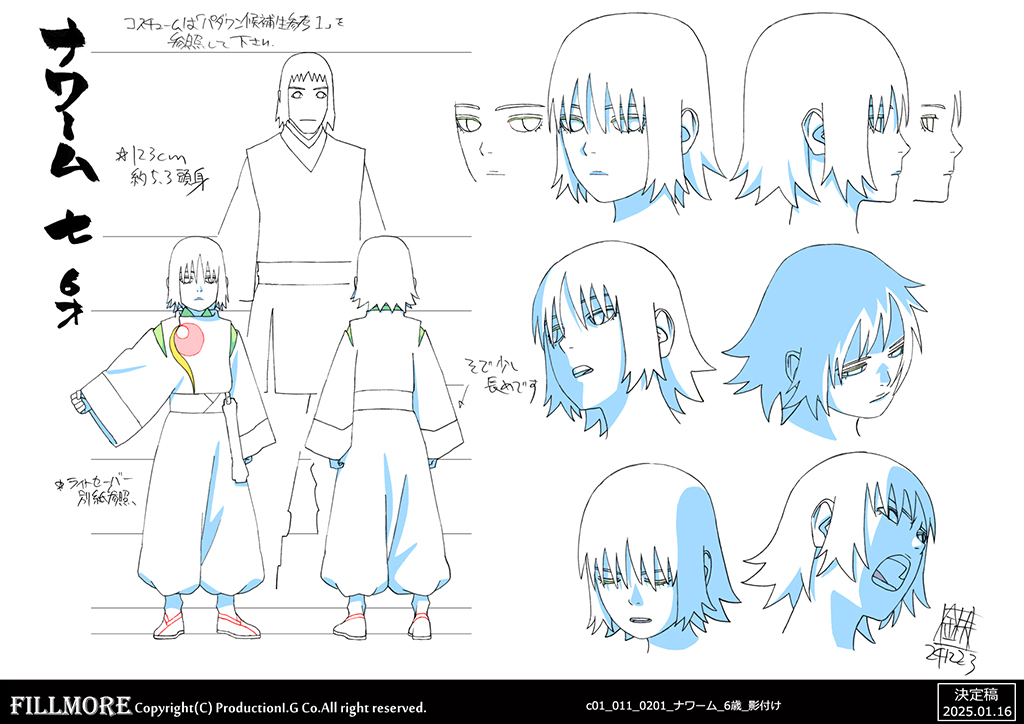
Rather than concluding the arc within the short format, Lucasfilm greenlit an eight-episode limited series to reunite Lah Zhima and Kara while aggressively expanding the lore. The series dives deep into Lah Zhima’s hidden past, uncovering history that directly fuels the motivations and ruthless actions of the main antagonist, General Nawaam.
According to Supervising Director Kenji Kamiyama, the production team always operated with a broader vision than what was visible onscreen. When crafting the original shorts, the creators mapped out intricate backdrops, detailed character histories, and interpersonal dynamics that were never explicitly broadcast. This extensive repository of lore served as the bedrock for the full-length limited series, allowing the animation crew to seamlessly translate established pacing and lightsaber combat into a serialized format.
Character Arcs and Thematic Complexity
A central pillar of Star Wars: Visions Presents – The Ninth Jedi is its refusal to rely on simplified dualistic morality. Kamiyama noted that the narrative was specifically engineered to challenge traditional perceptions of the Light Side and Dark Side. Throughout her journey, Kara uncovers truths about her father’s history that complicate the notion of absolute good versus absolute evil.
In a departure from classic hero archetypes, Kara is introduced as exceptionally strong right from the outset, a choice designed to force the audience to infer the hardships she endured prior to the events of the series. To underscore the core theme—that justice and malevolence are often two sides of the same coin—the narrative subjects Kara to a devastating psychological setback, pushing her temporarily toward the Dark Side of the Force. This crucible allows her to tap into a realm of understanding that neither her father nor Master Juro could reach.
The series also reimagines the concept of the Jedi. Rather than portraying them as overly dogmatic figures bound by rigid rules, Kamiyama and his team sought to restore the Jedi to charismatic, authoritative heroes reminiscent of traditional Japanese samurai generals. These figures are capable of rendering decisive, fair judgments, even when forced to strike down formidable adversaries to maintain cosmic balance.
Visual Artistry and Technical Execution
Helmed by Director Shunsuke Tada, the production leveraged a hybrid methodology combining 2D and 3D animation to serve specific narrative functions. Two-dimensional animation was deployed for stylized and expressive elements, such as character designs and fluid movements, where organic warmth was paramount. Conversely, 3D animation was utilized for hard-surface elements, environmental structures, and complex visual effects where a distinct aesthetic was required.
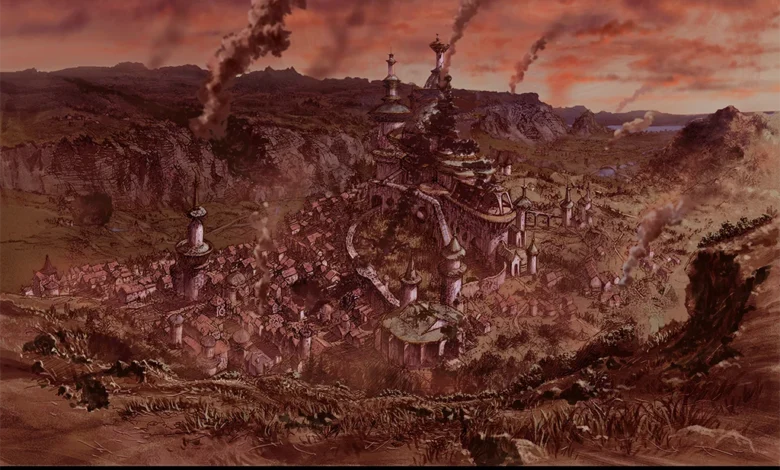
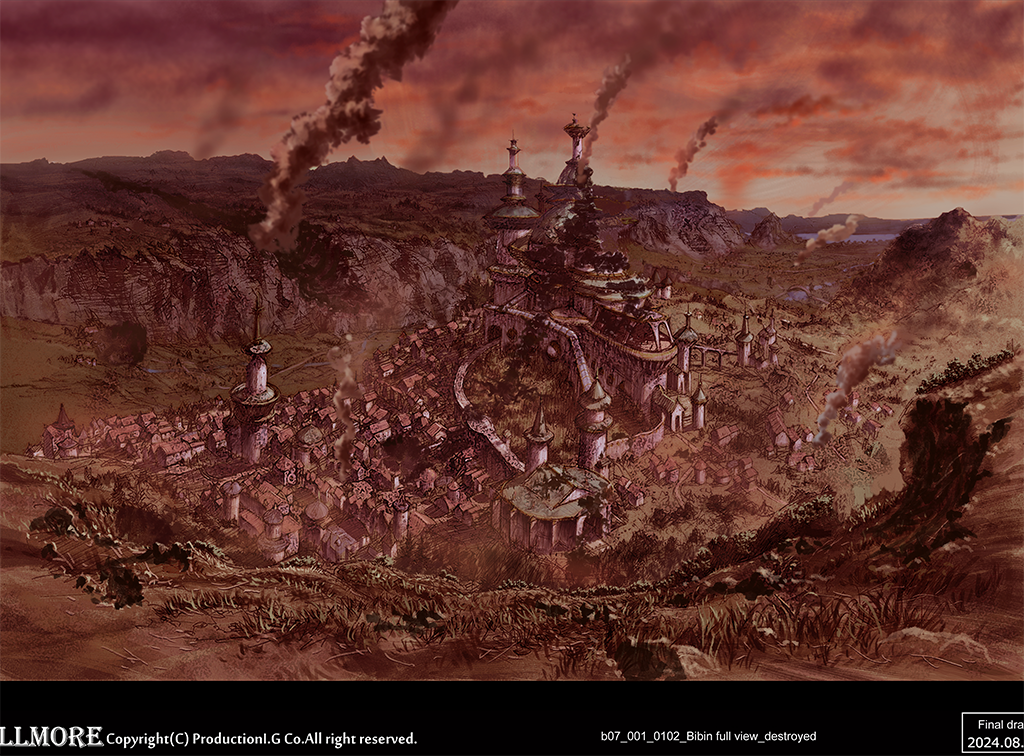
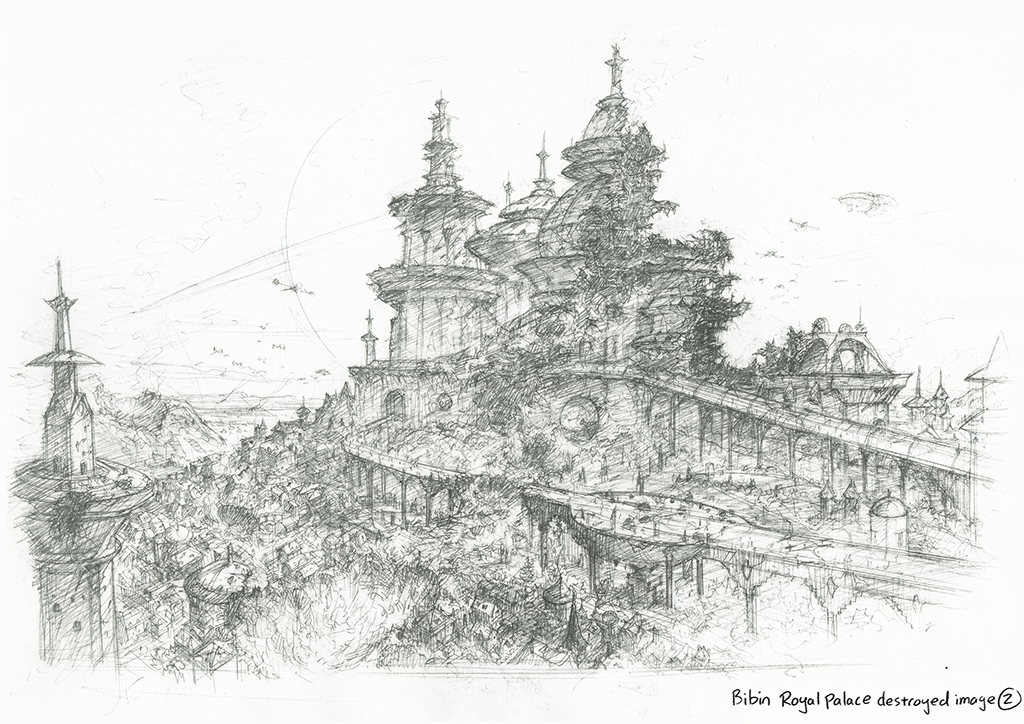
The visual style pays homage to classic science fiction while introducing groundbreaking concepts to the Star Wars catalog. One of the most technically complex sequences involves the misfiring of a devastating kyber crystal cannon—a weapon of mass planetary destruction engineered by General Nawaam. The resulting collateral damage is depicted by having liquefied gas from a neighboring gas giant solidify in the vacuum of space before raining down destructively onto the surface of the mining planet Bibin.
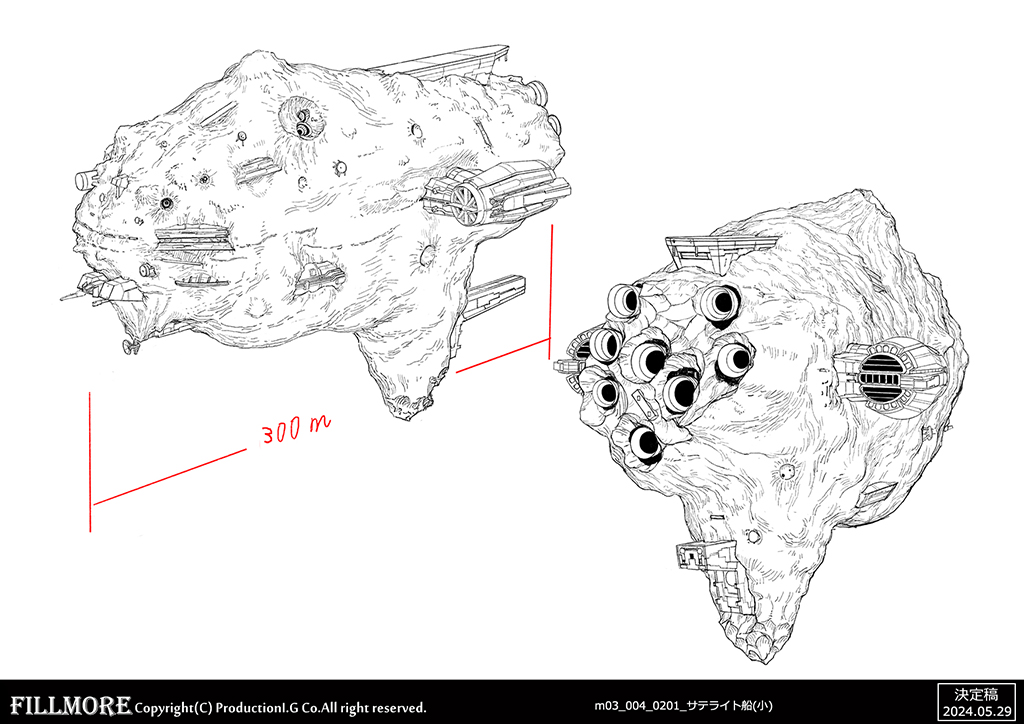
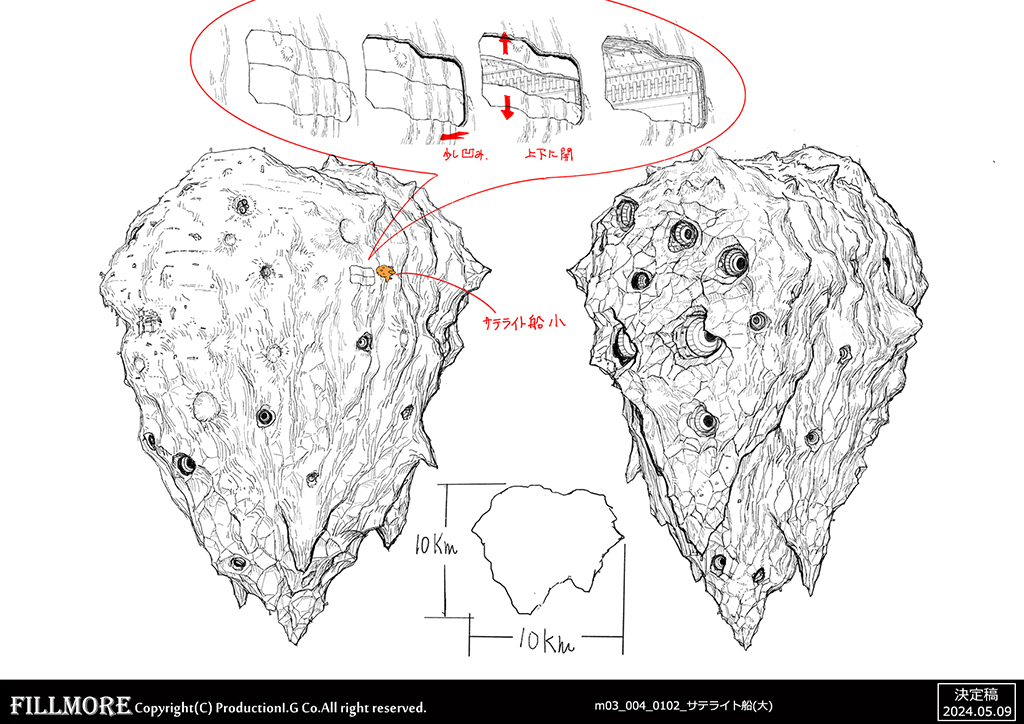
Furthermore, the design team drew heavily on the visual cues of Episode IV to craft low-tech hologram devices, ensuring a nostalgic tactile quality. Spaceship design also received an inventive overhaul, featuring unique asteroid-based vessels tailored to the industrial needs of a mining economy, alongside retrofitted cargo ships that play critical roles in the series’ climactic interstellar battles.
Lightsaber Lore and Choreography
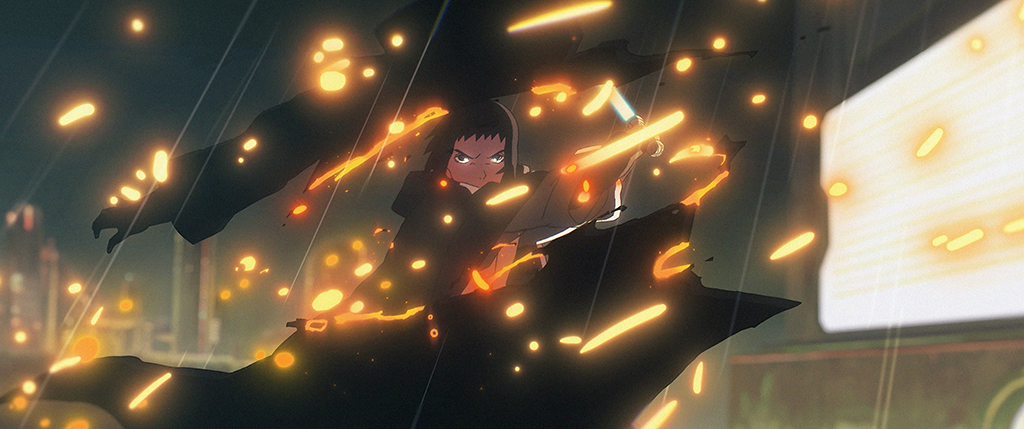
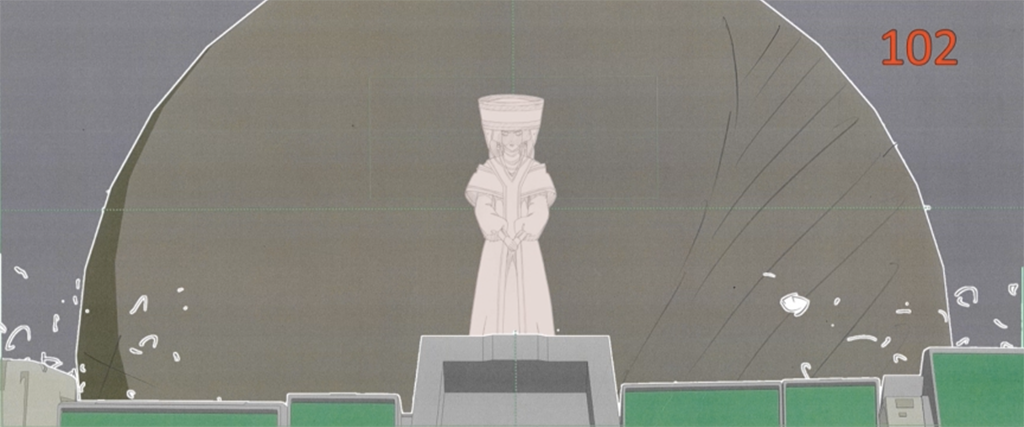
The execution of lightsaber combat in The Ninth Jedi draws heavily from traditional Japanese martial arts and swordsmanship. Tada collaborated closely with prop designers to craft innovative hilts inspired by katanas and spears.
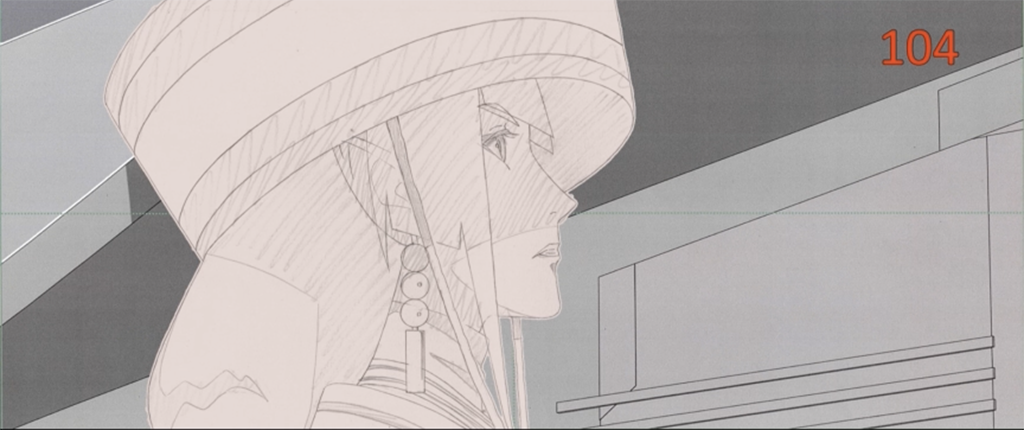
A crucial creative milestone for the team was establishing the visual representation of the silver lightsaber blade, which symbolizes mu no kyōchi—a state of selfless clarity. In the lore of the series, a wielder’s connection to the Force directly dictates the color manifested through the kyber crystal, making Kara’s transition from a rage-fueled red blade to a purified silver blade a pivotal narrative and visual milestone.
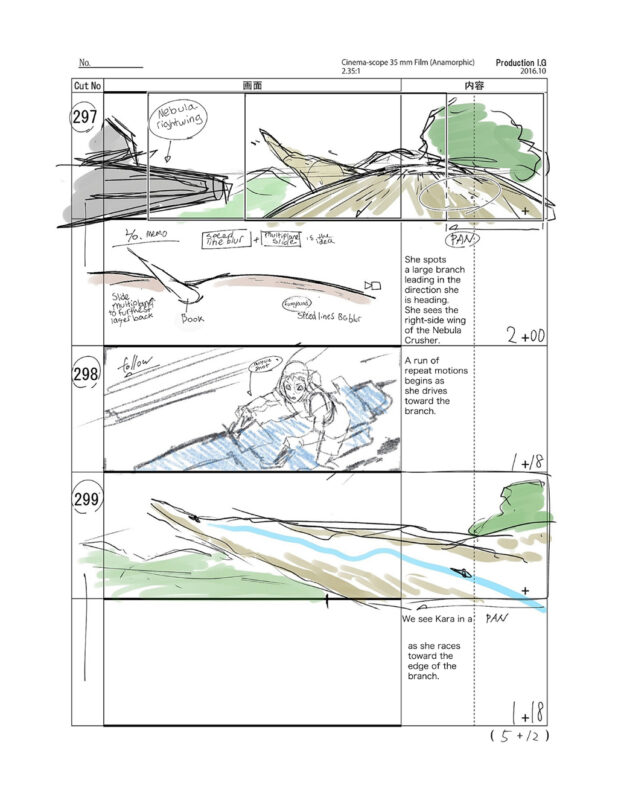
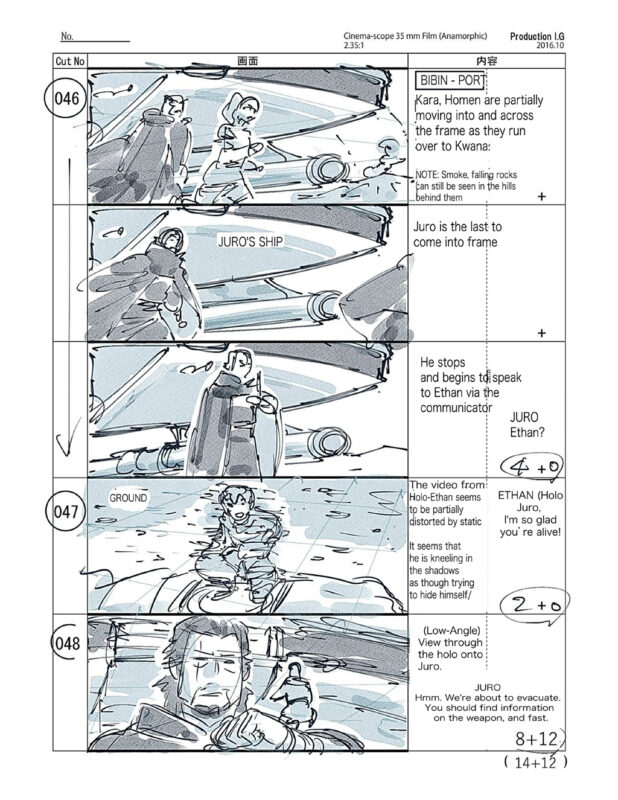
Choreography heavily relies on traditional stances, such as the mid-level posture (seigan no kamae), before erupting into dynamic, highly personalized duels mapped out meticulously during the storyboarding phase. Flashbacks involving Lah Zhima utilize a distinct pastel color palette, crafted by individual artists given creative autonomy over background art, animation, and post-processing compositing.
Broader Impact and Industry Implications
The premiere of Star Wars: Visions Presents – The Ninth Jedi marks a significant milestone for the Star Wars franchise, proving that non-canonical or anthology-based animation concepts hold the commercial and narrative viability to sustain long-form serialized storytelling. By handing creative control over to celebrated anime directors like Kamiyama and Tada, Lucasfilm has demonstrated a willingness to let external creators infuse distinct cultural perspectives and mature philosophical themes into the galaxy far, far away.
As the series reaches its conclusion in Episode 108, it leaves viewers with a fresh perspective on a galaxy untethered from the immediate shadow of Palpatine’s Empire or the traditional Jedi Council. By exploring a timeline set two centuries after Luke and Leia, the production opens up boundless possibilities for future animated endeavors, signaling a healthy, experimental era for franchise expansion.