Johnny Marr Reflects on The Smiths’ Golden Era, Creative Chemistry, and Rejecting Factory Records Ahead of Christie’s Auction

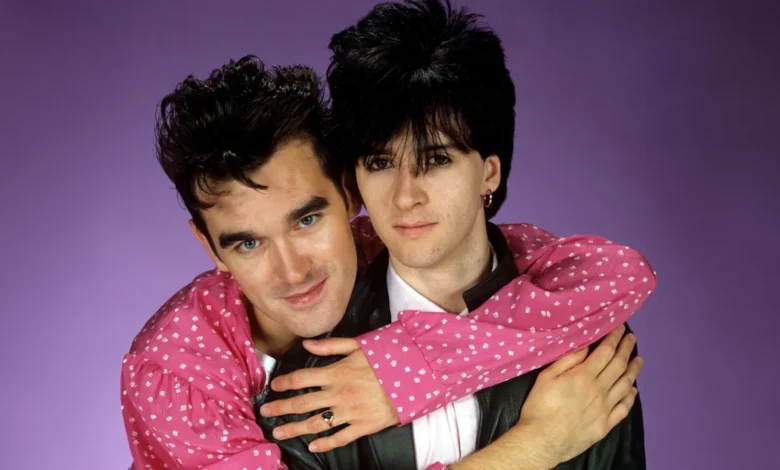
Decades after the sudden and acrimonious dissolution of one of the most influential alternative rock bands of the 1980s, legendary guitarist Johnny Marr continues to look back on the foundational years of The Smiths with a profound sense of artistic reverence. In a comprehensive and revealing interview with Krishnan Guru-Murthy for Channel 4 News, Marr opened up about the inner workings of his partnership with vocalist Morrissey, the deliberate sonic architecture that defined the band’s identity, and why he deliberately steered clear of Manchester’s most famous local record label.
The televised interview coincides with a high-profile, highly anticipated auction at Christie’s featuring a curated selection of instruments and equipment from Marr’s personal collection. Among the items heading to the auction block is the humble cassette tape recorder that captured the nascent ideas for many of the band’s definitive early tracks. As fans and collectors scramble for a piece of musical history, Marr’s recollections offer an invaluable window into the creative engine room of a group that permanently altered the landscape of British independent music.
Architecting the jangly revolution: The Sonic Identity of The Smiths
Formed in Manchester in 1982, The Smiths emerged during a period when synthesizers and post-punk gloom dominated the alternative airwaves. While their contemporaries gravitated toward electronic experimentation and funk-inflected dance beats, Marr harbored an unwavering vision for a guitar-driven outfit. Drawing inspiration from classic rock and roll pioneers of the 1950s—specifically citing Eddie Cochran’s 1958 anthem "C’mon Everybody" and the intricate vocal harmonies of The Everly Brothers—Marr set out to reinvent how the electric and acoustic guitar interacted in a modern pop context.
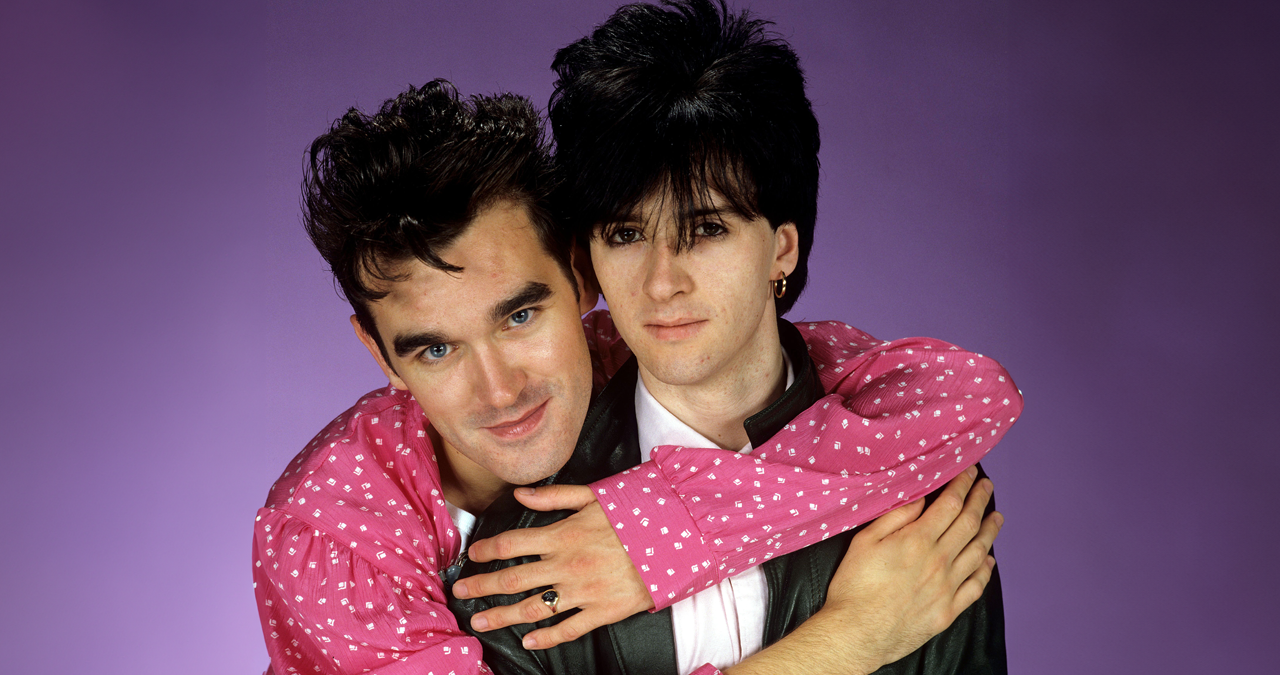
A defining characteristic of this vision was Marr’s unconventional insistence on bringing acoustic guitars to the forefront of the mix, a stark departure from the polite, background-oriented acoustic stylings found in contemporaneous folk-pop acts like Simon & Garfunkel. On enduring classics such as "Bigmouth Strikes Again" and "Half a Person," the acoustic strums are thunderous, sharp, and intentionally prominent.
Furthermore, Marr was an early adopter of sophisticated multi-track layering within indie rock. Long before entering professional recording studios, he experimented with basic tape decks to build dense, orchestral walls of guitar sound. This meticulous layering became a trademark of The Smiths’ catalog, allowing lean arrangements to sound symphonic and emotionally resonant.
The Creative Process: A Face-to-Face Collaboration
The core of The Smiths’ output relied entirely on the dynamic synergy between Marr’s melodic compositions and Morrissey’s poetic, often melancholic lyricism. Describing their early writing sessions, Marr painted an intimate picture of a creative partnership operating at peak efficiency.
The process typically began in close quarters, with Marr sitting knee-to-knee with a cassette Walkman resting between them. Upon introducing a new musical idea, Marr would press record. In his own words, the act felt almost symbiotic—both musicians would instinctively inhale as the tape rolled and exhale only when the musical phrase concluded.
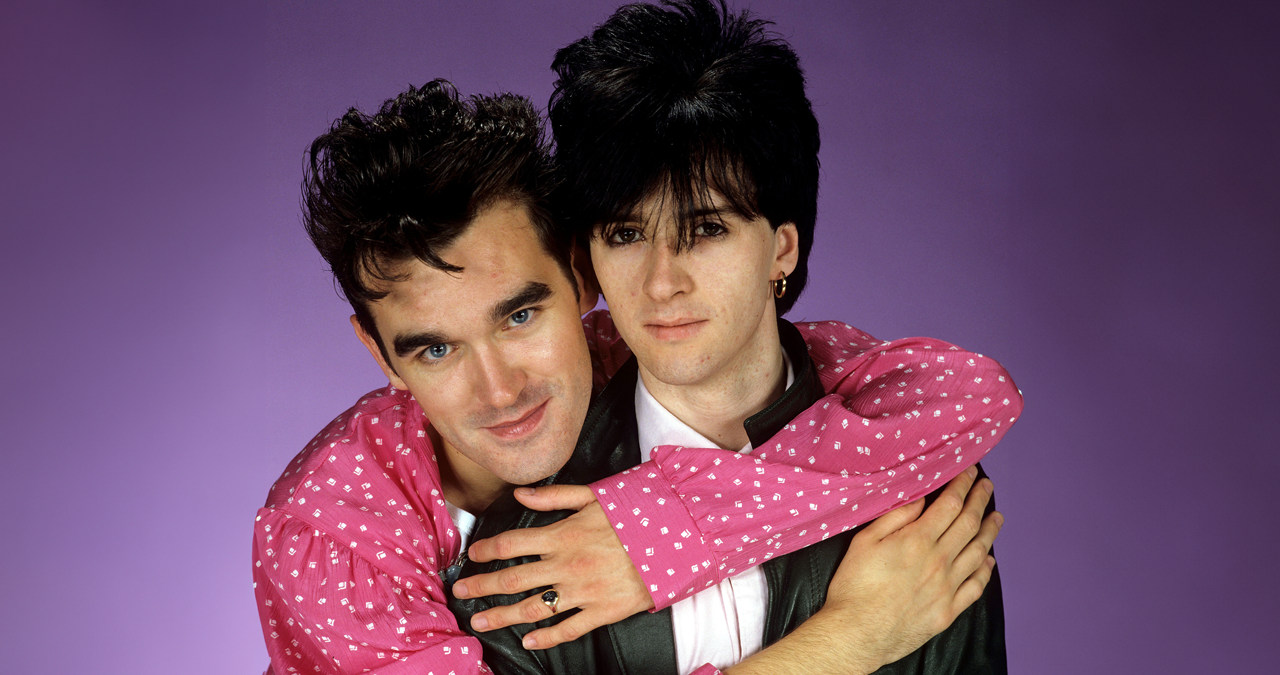
As Marr’s financial situation improved, allowing him to purchase a four-track Portastudio—a piece of gear now considered a prized collector’s item—the demos grew more elaborate. Marr would incorporate a rudimentary drum machine and layer three or four distinct guitar parts before hopping on his motorbike. Morrissey lived mere minutes away, and Marr would slide the newly minted cassette directly through his collaborator’s letterbox.
For Marr, this phase of creation remains the undisputed pinnacle of his career. Writing in batches of three, he experienced an intoxicating anticipation, eager to hear how Morrissey’s vocal melodies and lyrics would intertwine with his guitar work, only to be further elevated by the rhythm section consisting of bassist Andy Rourke and drummer Mike Joyce. "Any songwriter will tell you it’s the best feeling in the world," Marr reflected.
Rejecting the Factory Records Narrative
During the interview, Marr also addressed Manchester’s vibrant 1980s music ecosystem, which was heavily dominated by Factory Records—the legendary independent label championed by Tony Wilson that launched Joy Division and New Order. Wilson frequently expressed public regret that his label failed to sign The Smiths, who instead opted to partner with London-based Rough Trade Records.
Marr explained that his personal connections to Factory Records actually made signing with them an impossibility. While working in a Manchester clothing store prior to the formation of the band, Marr regularly interacted with local musicians signed to Wilson’s imprint. However, he viewed Factory as fundamentally tied to electronic experimentation, funk, and keyboard-driven soundscapes rather than the guitar-centric ethos he was cultivating.

Opting for Rough Trade was, according to Marr, a deliberate tactical choice to define The Smiths on their own terms, avoiding what he considered to be the overly obvious local pathway. This independence ultimately allowed the band to forge a distinct aesthetic that stood apart from the Madchester and synth-pop movements brewing in their hometown.
The Pinnacle: Recording The Queen Is Dead
While every chapter of The Smiths’ brief five-year recording career yielded cultural milestones, Marr holds a special fondness for the production of their landmark third studio album, The Queen Is Dead, released in June 1986. Widely regarded by music critics as one of the greatest rock albums of all time, the record encapsulated the band’s technical prowess, lyrical bite, and sonic evolution.
Tracks like "The Boy With the Thorn in His Side" and the title track demonstrated Marr’s progression as an arranger, seamlessly fusing aggressive guitar rock with delicate orchestration. The memories of crafting this masterpiece continue to evoke a sense of pure nostalgia for the guitarist, who looks back on those studio sessions not with bitterness regarding the band’s subsequent 1987 breakup, but with unadulterated awe.
Implications and Legacy of the Christie’s Auction

Marr’s decision to part with pieces of his historic arsenal via Christie’s marks a significant cultural moment for rock memorabilia collectors. Items such as the early cassette recording machine used to birth the band’s catalog serve as physical testaments to a golden era of British music history.
From an economic and musicological standpoint, the auction highlights the enduring market value and cultural staying power of 1980s alternative rock. Decades after their acrimonious split, The Smiths continue to cast a long shadow over modern indie guitar bands, who frequently emulate Marr’s jangly arpeggios, melodic counterpoints, and production techniques.
As Marr prepares to transition these historical artifacts into the hands of new custodians, his reflections serve as a timely reminder of the fleeting magic that occurs when singular talents collide in cramped Manchester rehearsal rooms. For legions of fans worldwide, Marr’s recollections confirm what the records have communicated for decades: that the musical alchemy of The Smiths was nothing short of extraordinary.