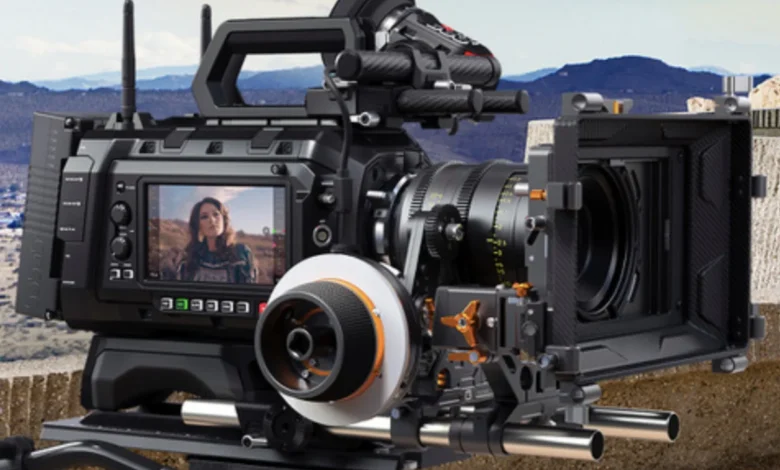
This firmware release marks a significant milestone in the ongoing refinement of Blackmagic Design’s flagship large-format cinema camera system. As the URSA Cine 17K 65 continues to find its place in high-end production environments, the 10.2.3 update addresses two critical operational pillars: boot-time efficiency and acoustic control, both of which are essential for professional workflows that demand reliability and precision.
The Evolution of the URSA Cine 17K 65 Ecosystem
The URSA Cine 17K 65 represents the pinnacle of Blackmagic Design’s current optical and digital engineering. Featuring a massive 65mm-style sensor, the camera is designed to compete with high-end cinema systems used in feature film production and high-budget commercial work. Since its inception, the hardware has been lauded for its massive resolution and color science, yet as with any complex digital cinema tool, the software ecosystem is the bridge between raw technical capability and usable cinematography.
The 10.2.3 update follows a series of incremental refinements released throughout 2026. These updates are vital for a camera system that operates in a fast-paced environment where software stability is as important as the physical build. By optimizing the startup sequence, Blackmagic Design is signaling a commitment to reducing downtime—a critical factor for documentary cinematographers and ENG (Electronic News Gathering) professionals who often operate in "run-and-gun" scenarios where missing a shot due to boot times is not an option.
Understanding the Quiet Record Functionality
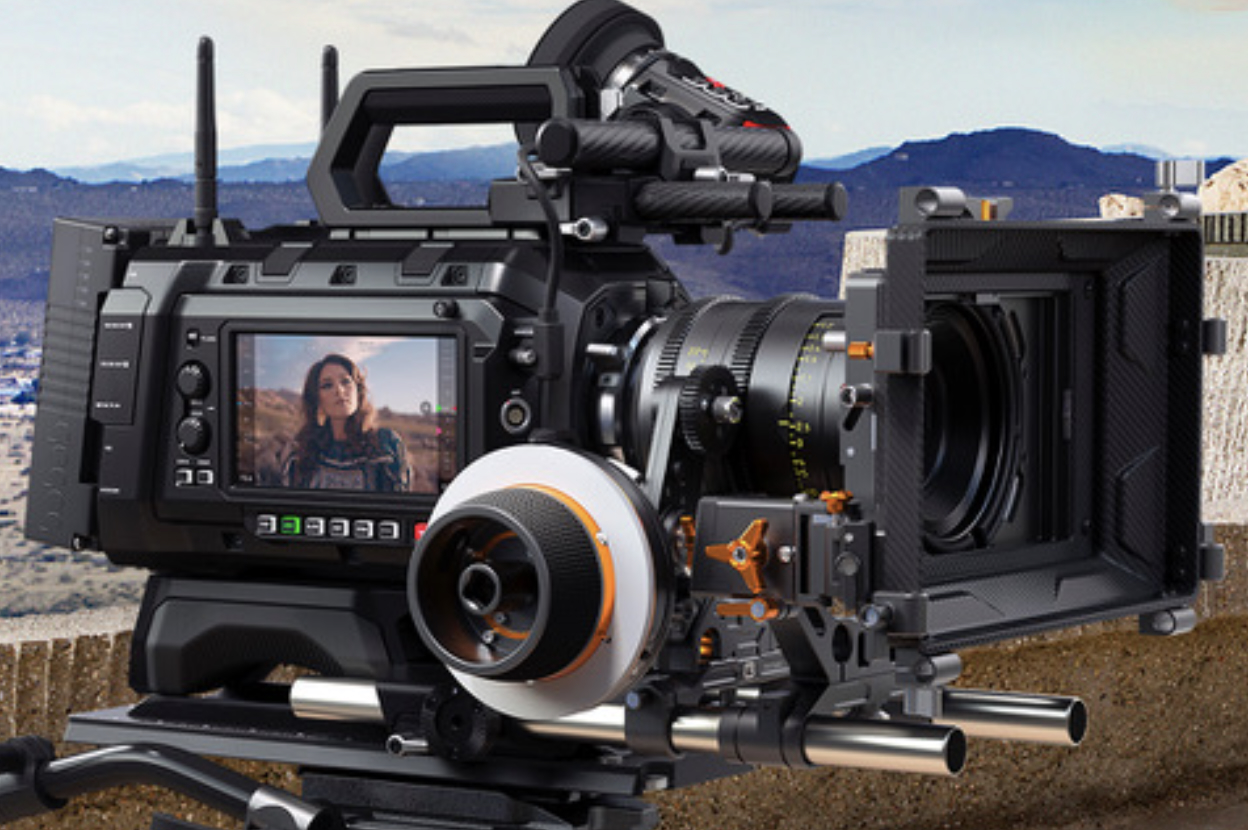
The most notable feature of this update is the introduction of the "quiet record" function. In professional cinematography, especially when filming dialogue in interior, intimate, or acoustically sensitive spaces, the mechanical noise of a camera cooling system can present a significant hurdle.
Large-sensor cameras generate substantial heat due to the high data throughput of 17K resolution and high frame rate processing. To manage this, cameras require active cooling, usually in the form of high-speed, high-static-pressure fans. Under standard operating conditions, these fans provide necessary thermal regulation but can create a hum that is easily picked up by sensitive microphones placed close to the camera.
With the 10.2.3 update, Blackmagic Design has introduced a user-defined fan profile. By allowing operators to adjust the fan speed specifically for the duration of a take, the company has provided a tactical solution to a long-standing industry problem. The ability to map this to a physical function button is a design choice that reflects an understanding of the cinematographer’s workflow; it allows the user to engage "quiet mode" at the exact moment of "Action" and revert to full cooling capacity during breaks or setup changes, thereby protecting the sensor from overheating while ensuring clean audio capture.
Timeline of Updates and System Refinements
Blackmagic Design’s update cycle for its high-end cameras has historically been iterative and responsive to community feedback. The trajectory of the URSA Cine series since its launch has been defined by a transition from initial hardware deployment to the refinement of firmware-level features.
- Initial Launch Phase (Early 2026): The URSA Cine 17K 65 arrived in the hands of early adopters, setting new benchmarks for resolution and dynamic range in the sub-$30,000 category.
- Early Optimization (Mid-2026): Early firmware iterations focused on stabilization, media compatibility with high-speed SSDs, and basic color science tweaks.
- Refinement Phase (Current Period): The release of version 10.2.3 marks a shift toward user-experience enhancements. Rather than focusing on core imaging algorithms, the engineering team has pivoted toward addressing the logistical challenges of operating such a powerful machine in the field.
This timeline demonstrates a clear strategy: first ensure the sensor output is perfect, then ensure the interface is efficient, and finally, address the operational nuances like noise management and boot speed.
Technical Implications of Firmware 10.2.3
From a technical perspective, improving startup performance involves optimizing the BIOS-level initialization of the camera’s internal processing chips. By streamlining how the camera initializes its connection to the memory storage modules and the internal sensor board, Blackmagic has likely reduced the time the camera spends in its "pre-ready" state. For a production house managing a fleet of these cameras, shaving even a few seconds off the boot time translates to thousands of hours of recovered production time over the lifecycle of the device.
The quiet record function, while seemingly simple, involves sophisticated thermal throttling logic. If the internal sensors detect that the processor is approaching a critical thermal limit, the firmware must decide whether to override the user’s "quiet" request to prevent hardware damage. The integration of this feature suggests that the URSA Cine 17K 65’s internal heat-pipe and heatsink design is robust enough to handle short bursts of lower airflow without compromising the longevity of the camera’s core components.
Industry Feedback and Professional Context
Industry reaction to the update has been largely positive, particularly from the perspective of sound recordists and freelance DPs. In traditional film sets, the "fan noise" issue is often managed by heavy blimps or sound blankets, which can be cumbersome and restrictive. An in-camera software solution removes the need for these physical workarounds, simplifying the camera department’s relationship with the sound department.

Matthew Allard ACS, a renowned cinematographer and voice in the industry, has noted that such updates are essential for keeping hardware relevant in an increasingly competitive market. For freelance DPs who must be prepared for any scenario—from a loud, chaotic sporting event to a quiet, high-stakes interview—the versatility of the URSA Cine 17K 65 is its greatest asset. Features like the quiet record function transform the camera from a pure "cinema" tool into a hybrid instrument capable of handling virtually any production scale.
Broader Impact on the Cinema Camera Market
The release of 10.2.3 highlights a broader trend in the digital cinema industry: the "software-defined" camera. As sensor technology reaches a plateau of diminishing returns regarding resolution and dynamic range, the true competitive advantage for manufacturers lies in firmware support.
Blackmagic Design has long championed a business model that provides free, ongoing firmware updates for its hardware, contrasting with legacy manufacturers that often gate-keep features behind new hardware releases or paid "Pro" upgrades. By extending the capabilities of the URSA Cine 17K 65 via a free update, the company effectively increases the long-term value of the user’s investment.
This strategy serves to build brand loyalty and ensures that the URSA Cine 17K 65 remains a "living" product. For owners and rental houses, this means the camera they purchased six months ago is objectively better today than it was at the time of acquisition.

Future Expectations and Strategic Outlook
Looking ahead, the successful implementation of the quiet record feature and improved boot times sets a high bar for future updates. Users are already speculating on potential future additions, such as more advanced metadata management, improved LUT (Look-Up Table) handling during internal recording, and further refinements to the autofocus algorithms that are increasingly becoming a standard requirement for even high-end cinema cameras.
As the industry moves toward 8K and 17K delivery standards, the management of heat and data becomes the primary bottleneck for engineering. Blackmagic Design’s ability to navigate these constraints via software updates will be the deciding factor in whether the URSA Cine 17K 65 becomes a staple of the industry or remains a niche tool for specialized production.
In conclusion, the Blackmagic Camera 10.2.3 update is a measured, necessary, and highly practical step forward. It demonstrates that the manufacturer is listening to the granular needs of the professional community—needs that go beyond raw pixel counts and into the daily realities of production. By prioritizing acoustic control and operational efficiency, Blackmagic Design has reinforced the URSA Cine 17K 65 as a serious contender for professional cinematographers who demand both world-class image quality and an intuitive, field-ready user experience. For those currently operating this system, the update is not merely recommended but essential for maintaining the highest standard of professional practice in the field.