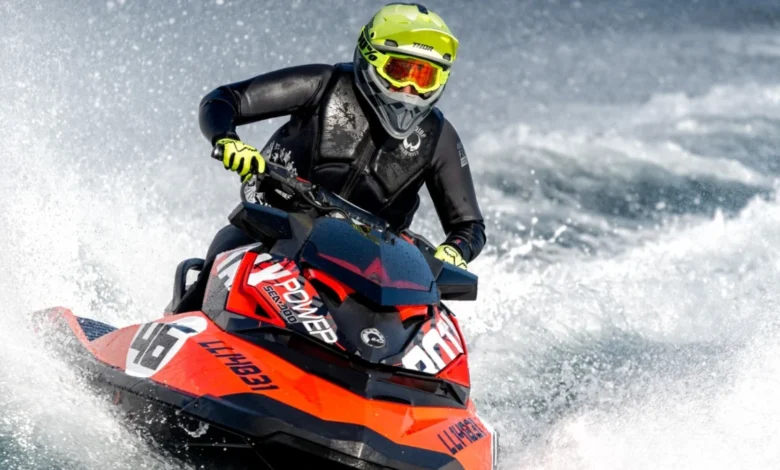
Bombardier Recreational Products (BRP) stands as a dominant force in the global powersports and marine industries, engineering, manufacturing, distribution, and marketing motorized vehicles and propulsion systems that span snow, water, dirt, and pavement. While corporate entities often remain anonymous to the general consumer public, BRP’s portfolio includes household names that command significant market share within recreational and utility vehicle sectors. From the iconic Ski-Doo snowmobiles traversing northern wilderness trails to Sea-Doo personal watercraft dominating lakes and coastal waters, BRP’s corporate footprint is vast and deeply integrated into outdoor recreation culture. Headquartered in Valcourt, Quebec, the enterprise employs thousands of workers globally, maintaining manufacturing facilities in Canada, the United States, Mexico, Finland, and Austria, with a distribution network reaching over 120 countries.
The corporate lineage of BRP traces back nearly a century, rooted in the innovative spirit of Joseph-Armand Bombardier, a mechanic and inventor from Valcourt, Quebec. During the early 20th century, Bombardier sought a reliable mechanical solution for traversing the heavy, impassable snowfalls of rural Canada, where traditional wheeled automobiles became entirely useless during winter months. His initial experimentation culminated in the development of tracked vehicles designed to float over deep snowdrifts. In 1942, Bombardier founded L’Auto-Neige Bombardier Limitée, establishing a commercial enterprise dedicated to manufacturing large, multi-passenger tracked vehicles. These early models, such as the B7 and B12, served critical civic functions, operating as school buses, ambulances, postal delivery vehicles, and transport for medical personnel through severe winter conditions.
Over subsequent decades, the company diversified significantly, expanding its industrial capabilities into aerospace, rail transportation, and defense equipment. However, the recreational potential of tracked vehicles remained a core passion for the Bombardier family and its engineers. In 2003, Bombardier Inc. made the strategic decision to divest its recreational products division to refocus its corporate strategy on aerospace and rail manufacturing. This corporate spin-off established BRP as an independent, publicly traded entity, enabling management to concentrate fully on powersports engineering, brand acquisitions, and market expansion. In the decades following its independence, BRP systematically built a portfolio of specialized brands tailored to distinct consumer demographics and environmental terrains.
The Evolution and Dominance of Ski-Doo
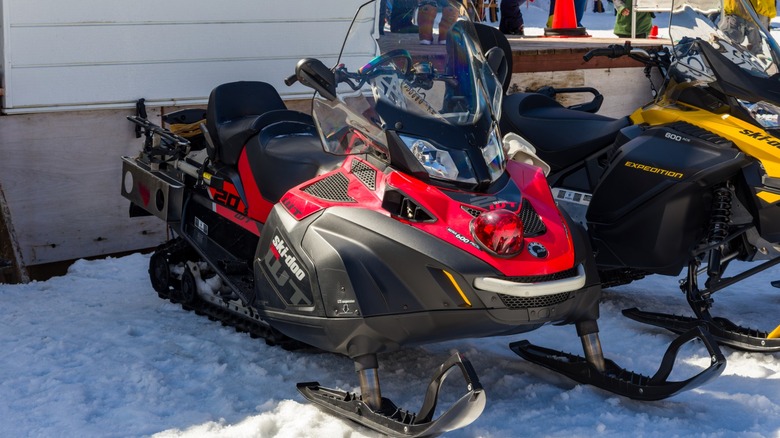
The history of Ski-Doo fundamentally reshaped winter mobility and outdoor recreation across North America and Europe. In 1959, Joseph-Armand Bombardier successfully transitioned his engineering focus from massive, multi-passenger utility snow coaches to a much smaller, single-rider tracked vehicle intended to act as a motorcycle for snow. Originally conceptualized under the moniker Ski-Dog—a name altered by a typographical error in promotional brochures that permanently established the brand as Ski-Doo—this lightweight machine democratized winter travel, transforming what was once an isolating season into an accessible recreational period. By 1973, cumulative production surpassed one million units, signaling rapid commercial adoption among hunters, trappers, rural workers, and winter sports enthusiasts alike.
As mechanical engineering, lightweight metallurgy, and two-stroke engine efficiencies advanced, Ski-Doo evolved from a utilitarian winter tool into a sophisticated powersports category characterized by high-performance trail and mountain riding. A monumental turning point in modern snowmobile design occurred in 2003 with BRP’s introduction of the REV platform. Traditional snowmobile ergonomics required operators to sit toward the rear of the chassis, limiting aggressive maneuverability and increasing rider fatigue over rough terrain. The REV chassis relocated the rider approximately 12 inches forward, centralizing mass and altering the biomechanical interaction between operator and machine. This architectural shift significantly improved handling precision, responsiveness, and rider comfort. Today, the Ski-Doo lineup features specialized segments tailored to distinct consumer needs, encompassing crossover, touring, utility, deep-snow mountain sleds, and high-performance racing platforms.
Sea-Doo and the Personal Watercraft Revolution
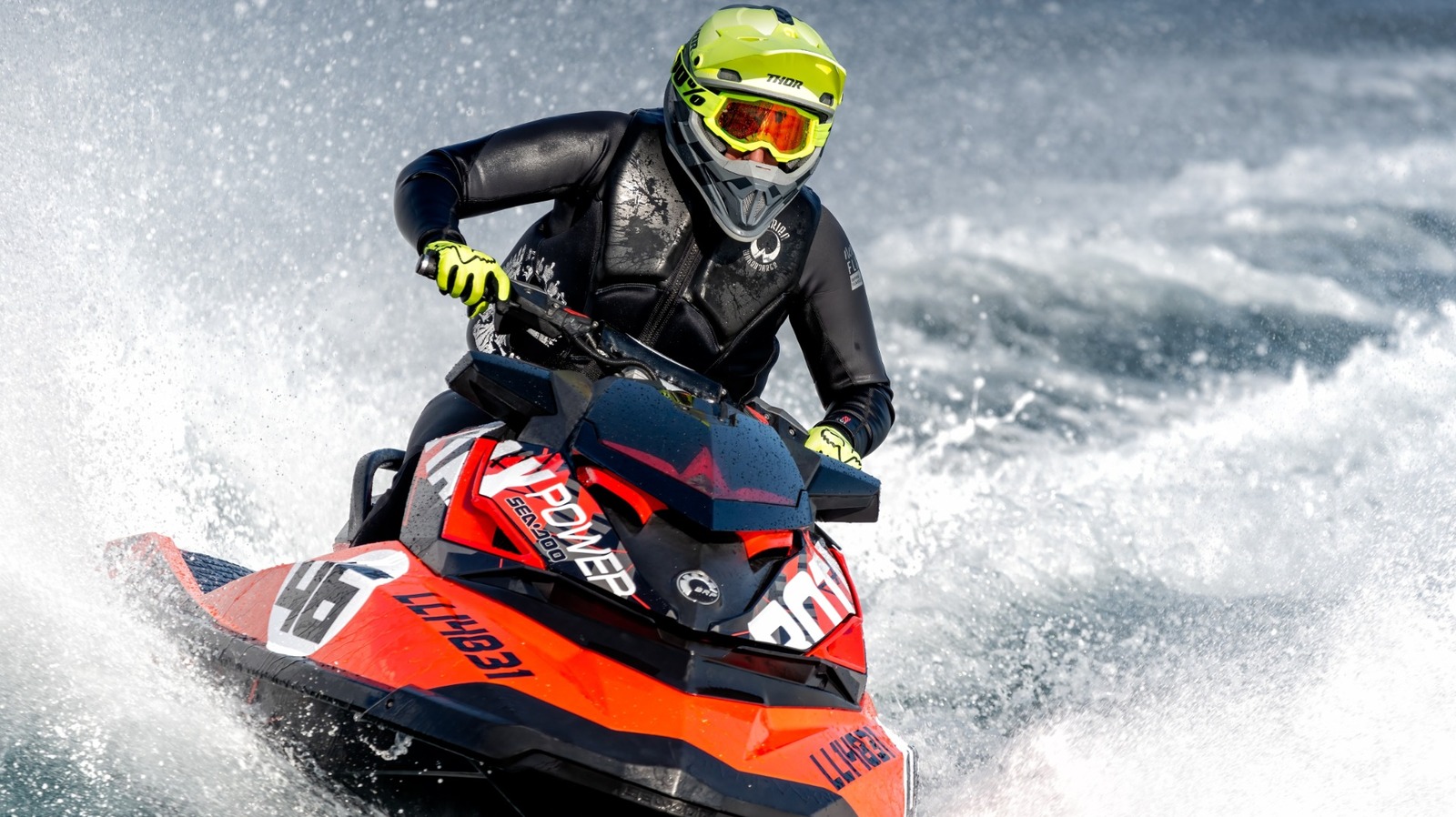
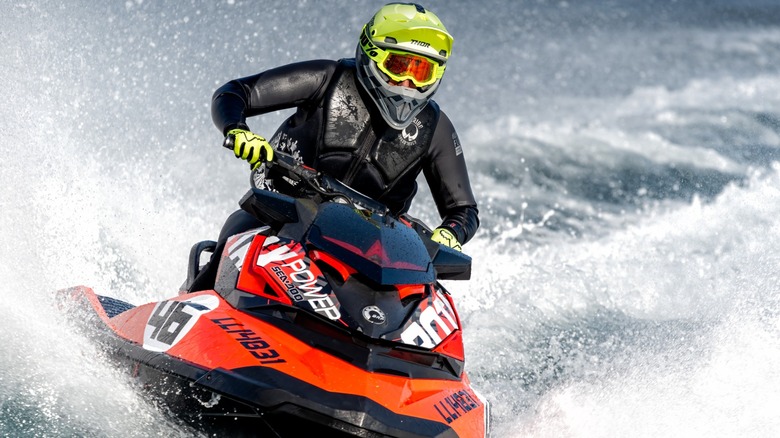
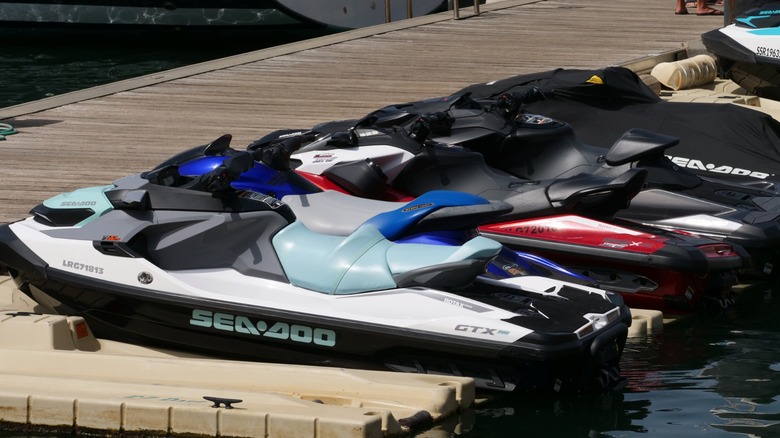
Building upon the engineering triumph of winter snowmobiling, BRP ventured into aquatic recreation during the late 1960s, introducing the world to a new category of water transport. In 1968, the company released the first Sea-Doo personal watercraft (PWC), a project developed in collaboration with American inventor Clayton Jacobson II. Although Jacobson later licensed his fundamental patents to Kawasaki—which subsequently launched the iconic Jet Ski in 1973—BRP’s early entry established the foundational architecture for seated, jet-propelled watercraft. However, the initial Sea-Doo generation faced significant mechanical hurdles, including engine reliability issues, thermal management complications, and ergonomic limitations that ultimately prompted BRP to temporarily suspend production.
Following extensive research and development, BRP triumphantly reintroduced the Sea-Doo brand to the global market in 1988, armed with vastly superior engineering and propulsion dynamics. This relaunch catalyzed an era of continuous technological innovation within the personal watercraft industry. In 2009, BRP introduced the Intelligent Brake and Reverse (iBR) system, addressing a critical safety and maneuverability concern in an industry lacking conventional steering wheel brakes. The iBR system allowed riders to deploy an electronic gate that redirected water thrust, enabling intuitive deceleration, neutral positioning, and controlled reversing. Additional engineering milestones included stepped-hull designs for improved hydrodynamic stability and closed-loop cooling systems that protected internal engine components from corrosive saltwater environments. Modern Sea-Doo configurations cater to a wide spectrum of aquatic activities, ranging from lightweight entry-level Rec Lite models and spacious touring watercraft to specialized vessels designed specifically for sport fishing and tow sports.
Lynx and Nordic Engineering for Extreme Terrains
While BRP already commanded the global snowmobile market through Ski-Doo, the corporate acquisition of Finnish manufacturer Nordtrac in 1988 integrated the Lynx brand into the BRP corporate family, preserving a distinct engineering philosophy tailored to the punishing environments of Scandinavia. Established in Kurikka, Finland, in 1968, Lynx was specifically engineered to survive the abrasive, heavily forested, and unpredictable snow conditions characteristic of northern Europe. Manufacturing operations remain centered in Rovaniemi, situated in the Finnish Lapland, ensuring that local engineering insights directly influence production methodologies.
Lynx established an early foothold in competitive snowmobile racing, achieving its first major championship victory in 1983 with motocross driver Pauli Piippola, validating the durability and agility of its chassis designs. For decades, Lynx sleds remained an exclusive product of the European market, valued for their robust construction and distinct handling characteristics. This regional exclusivity concluded in 2021 when BRP officially introduced Lynx snowmobiles to North America, debuting models such as the trail-focused RAVE RE and the deep-snow Boondocker DS. The primary philosophical difference between Ski-Doo and Lynx lies in rider ergonomics and suspension kinematics. Lynx snowmobiles utilize unique rear suspension geometries, such as the PPS (Pauli Piippola Suspension) system, and rigid front architectures designed for an active, aggressive riding style where the operator actively maneuvers the machine across deeply rutted, high-impact trails and extreme topography.
Can-Am: From Motocross Roots to Multiterrain Diversification
Can-Am represents one of BRP’s most versatile and commercially expansive brands, possessing a product lineage that bridges two-wheeled racing heritage with multi-wheel utility and recreational transport. Launched in 1973, Can-Am initially operated as a high-performance motorcycle manufacturer specializing in motocross and enduro racing machinery. Powered by Rotax engines, Can-Am dirt bikes achieved immediate competitive validation. In 1974, Can-Am riders swept the podium, securing the gold, silver, and bronze medals at the grueling International Six Days Trial, followed immediately by a clean sweep of the top three positions in the AMA 250cc motocross championship. Beyond racing circuits, Can-Am motorcycles were procured for institutional and military applications, including deployment by the British Army. However, shifting market conditions eventually led to the suspension of the original motorcycle production line.
BRP strategically resurrected the dormant Can-Am brand in 2007, deploying it as the primary nameplate for its newly expanded All-Terrain Vehicle (ATV) lineup. This revival marked the beginning of a rapid diversification strategy. In 2007, BRP introduced the Can-Am Spyder, an unconventional three-wheeled roadster featuring a reverse-trike architecture with two wheels at the front and a single drive wheel at the rear, offering an alternative stability paradigm for street riders. This was followed in 2010 by the entry into the side-by-side (SxS) utility vehicle market with the Can-Am Commander, which later evolved into the high-performance Maverick series. Continuing its forward-looking strategy, BRP has increasingly embraced vehicle electrification. The company introduced the electric Can-Am Pulse and Origin street motorcycles, alongside electric powertrain integration within its utility ATV segments, signaling an industrial commitment to sustainable mobility without sacrificing raw torque and off-road capability.
Rotax: The Mechanical Heart of BRP Propulsion
Operating quietly behind the scenes of BRP’s consumer-facing vehicle brands is BRP-Rotax, the Austrian subsidiary responsible for engineering and manufacturing the internal combustion and electric propulsion systems powering the vast majority of BRP products. The historical roots of Rotax predate BRP by decades; founded as Rotax-Werk AG in Dresden, Germany, in 1920, the enterprise initially manufactured bicycle components before transitioning into specialized engine design. During the geopolitical upheavals of World War II, the company relocated its operational headquarters to Austria, establishing facilities in Wels in 1943 and permanently settling in Gunskirchen in 1947, where primary manufacturing operations continue today.
The operational synergy between Bombardier and Rotax began when Joseph-Armand Bombardier sought a lightweight, highly reliable engine capable of maintaining thermal efficiency and mechanical integrity in sub-zero winter temperatures. In 1962, Bombardier placed its first commercial order for Rotax powerplants to drive Ski-Doo snowmobiles. Recognizing the strategic value of securing an in-house propulsion supply chain, Bombardier formally acquired the Austrian engine manufacturer in 1970.
Beyond powering snowmobiles, personal watercraft, ATVs, and side-by-sides, Rotax expanded significantly into the global aviation sector during the 1970s. This expansion began organically when recreational pilots recognized the superior power-to-weight ratio of Rotax snowmobile engines and began adapting them for ultralight aircraft. Rotax formalized this application, developing certified and uncertified aviation engines—such as the globally renowned Rotax 912 series—which currently power a substantial percentage of the world’s light sport and ultralight aircraft. Additionally, Rotax produces high-performance engines for competitive kart racing, governing the prestigious Rotax MAX Challenge series, and manufactures portable industrial fire pumps. Demonstrating unmatched manufacturing scale, Rotax celebrated the production of its 10 millionth engine in 2021, cementing its status as an engineering cornerstone of modern powersports propulsion.