Matt Mullenweg Reinstated as Automattic CEO Following Brief Corporate Power Struggle

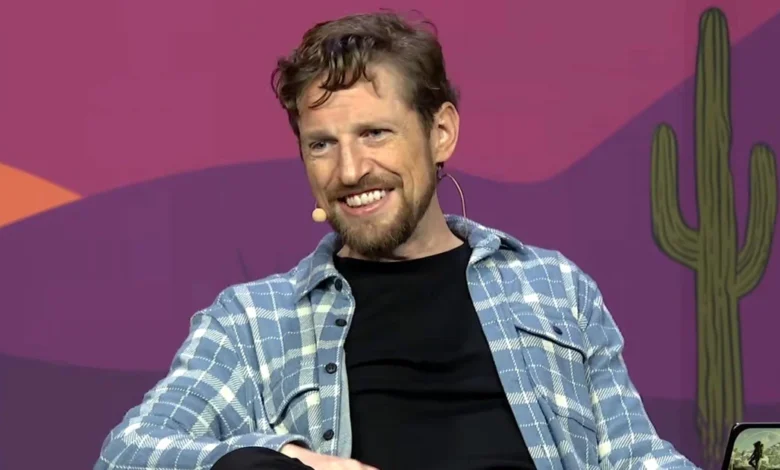
The corporate leadership at Automattic, the powerhouse behind the WordPress platform and a cornerstone of the open-source web ecosystem, has undergone a dramatic and highly unusual period of volatility. Following a surprise announcement on Wednesday, September 9, that saw WordPress co-founder Matt Mullenweg removed from his position as CEO, the company has officially confirmed his return to the helm. This rapid reversal concludes a tumultuous seventy-two hours that saw the company’s internal communication channels weaponized and its organizational stability brought into question.
The Chronology of a Corporate Coup
The sequence of events began on September 9, when the Automattic Board of Directors took the unprecedented step of placing Mullenweg on paid leave. The decision, communicated to Mullenweg with only fifty minutes of notice and without an opportunity for legal counsel review, was swift and decisive. In his place, the Board appointed Mark Davies, the company’s Chief Financial Officer, to serve as interim CEO.
At the time of the ouster, the company issued a standard, professionally vetted statement: "Matt Mullenweg is currently on leave from Automattic. Mark Davies, Automattic’s CFO, will lead the company as interim CEO. The Board has full confidence in Mark’s leadership and in the team’s ability to execute against the company’s priorities."
The situation took an unorthodox turn on Friday, September 11. Despite the Board’s directive, Mullenweg retained access to Automattic’s internal Slack workspace. Utilizing this access, he effectively bypassed the Board’s authority, removing several administrators and broadcasting a message to the entire workforce claiming that he was back in control. This digital insurrection created a period of profound uncertainty, leading industry observers and tech outlets to question whether Mullenweg was legitimately reinstating himself or merely engaging in a high-stakes act of defiance against the board.
The confusion was further complicated by public endorsements from key figures within the WordPress ecosystem. Mary Hubbard, the Executive Director of the WordPress project, issued a public statement via social media expressing her relief and support for Mullenweg’s return. Following her lead, numerous Automattic employees—known as "Automatticians"—began flooding social media platforms with messages of support for the co-founder, creating a groundswell of public sentiment that appeared to force the Board’s hand.
Analysis of the Official Communication
The resolution of the conflict came on Saturday, September 12, at approximately 5:00 PM EST, with a second official statement from the company. The text read: "Matt Mullenweg is the chairman and CEO of Automattic, with full support of the board and if you search online you can see many top executives and Automatticians supporting him as well."
The contrast between this communication and the initial announcement is stark. Corporate communications are traditionally drafted with a focus on neutrality, third-person perspective, and structural rigor. The first statement adhered to these norms, presenting the change in leadership as a fait accompli. Conversely, the Saturday update reads as a personal, subjective assertion. By encouraging stakeholders to "search online" to verify his support, the statement abandons the detachment typical of corporate governance in favor of a persuasive, almost defensive tone.
Industry analysts have noted that the stylistic departure suggests the communication may have been authored or heavily influenced by Mullenweg himself rather than the legal or public relations departments that typically manage such sensitive transitions. This indicates a significant shift in power dynamics, suggesting that the Board’s authority may have been effectively superseded by the internal and public support garnered by the founder.

Background and Context: Automattic’s Role in the Open Web
Automattic is a uniquely influential company within the global technology sector. As the primary contributor to WordPress—which powers roughly 40% of the internet—the company’s internal stability has implications far beyond its own bottom line. The "Automattician" culture is famous for its distributed workforce model and its deep commitment to the open-source philosophy.
The relationship between the company and its founder is central to its identity. Mullenweg has been the face of the platform since its inception in 2003. Unlike many venture-backed entities where the CEO serves at the pleasure of the board, Mullenweg holds a singular position as the architect of the software that sustains a massive portion of the world’s digital infrastructure. This inherent leverage is likely what enabled his rapid return, as the Board was forced to contend with the potential loss of the company’s primary visionary and the subsequent morale collapse of its core engineering team.
Supporting Data and Stakeholder Reactions
The support for Mullenweg was not merely performative; it was widespread among long-term employees. For example, James Grierson, an employee with over a decade of tenure at the firm, took to social media to signal his commitment to the organization’s future under Mullenweg’s leadership. These testimonies served to consolidate the narrative that the Board’s decision was out of step with the company’s internal culture.
The speed at which the board retreated from its initial position—moving from removing the CEO to issuing a statement that essentially validated his continued tenure—is rare in Silicon Valley. It highlights a recurring tension in modern corporate governance: the struggle between the fiduciary responsibilities of a Board of Directors and the influence of a charismatic, long-standing founder who maintains a loyal internal and public following.
Implications for Future Governance
The immediate aftermath of this crisis leaves several questions unanswered. First, what were the "unspecified reasons" that prompted the initial decision to oust Mullenweg? The lack of transparency regarding the initial move has left a vacuum filled by speculation. Second, how will this affect the relationship between the Board and the CEO moving forward? A Board that has been publicly overruled by its own CEO’s internal communications faces a challenge to its authority that may require a restructuring of governance protocols to prevent future instability.
For the wider WordPress community, the focus remains on the platform’s stability. With Mullenweg back in control, the immediate threat of a leadership vacuum has dissipated. However, the event serves as a case study for companies that rely on decentralized, highly opinionated, and mission-driven cultures. When the CEO embodies the mission of the organization to such an extent, traditional corporate mechanisms for removal can backfire, resulting in the exact kind of internal strife that the Board likely intended to avoid.
As Automattic moves forward, the company must now reconcile its corporate structure with the reality of its leadership. The events of September 2026 will likely be cited in business schools and boardrooms as a cautionary tale about the limits of administrative power when confronted with the cult of personality and the intense loyalty found in open-source software organizations. For now, the status quo has been restored, but the manner in which it was achieved has fundamentally altered the perceived power balance within the organization.
The company has yet to provide further details regarding the initial concerns of the board or whether there will be any changes to its executive leadership team in the coming months. For the moment, the message from the top remains one of continuity, with the board and the founder presenting a unified front to the public and the WordPress user base. Whether this unity is sustainable or merely a tactical ceasefire in a deeper conflict remains the primary question for investors and the global WordPress community alike.