Avatar: Fire and Ash Screening with James Cameron, Stephen Rivkin, ACE, Deborah L. Scott & Team

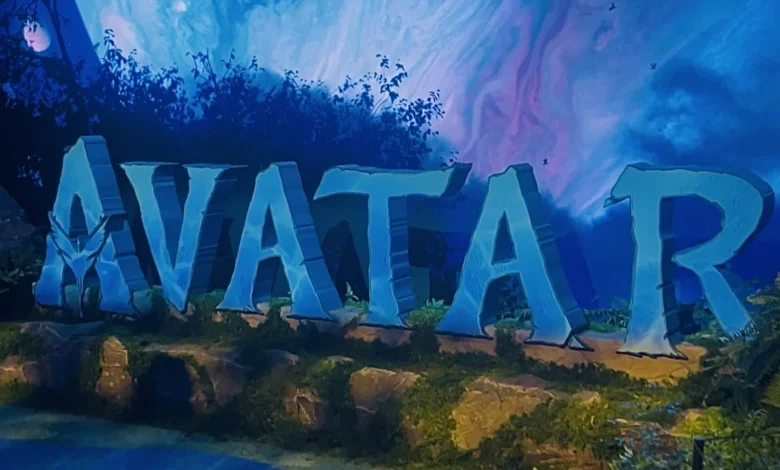
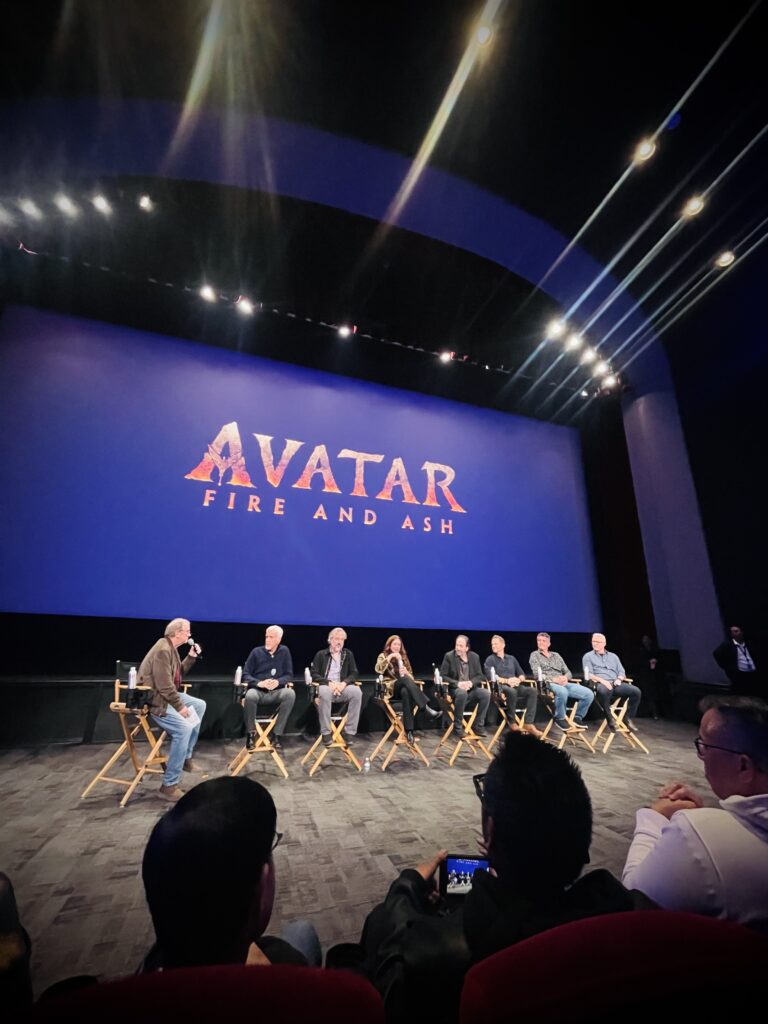
The Walt Disney Studios lot in Burbank, California, recently played host to an exclusive, high-profile industry screening of Avatar: Fire and Ash, drawing key creatives, media figures, and production personnel into the Dolby Theater for a comprehensive look at the expanding cinematic universe. Spearheaded by visionary director James Cameron, the private event offered an intimate glimpse into the ongoing worldbuilding, technical evolution, and meticulous craftsmanship driving the latest installment of the multi-billion-dollar franchise. Attendees included elite members of the production cabinet, notably Academy Award-winning editor Stephen Rivkin, ACE, and renowned costume designer Deborah L. Scott, alongside industry professionals such as VashiVisuals co-founder AnnMarie Knutson. The gathering not only showcased state-of-the-art Dolby Cinema 3D technological advancements but also featured an extensive exhibition of physical artistry, highlighting the tactile elements that ground the digital landscapes of Pandora.
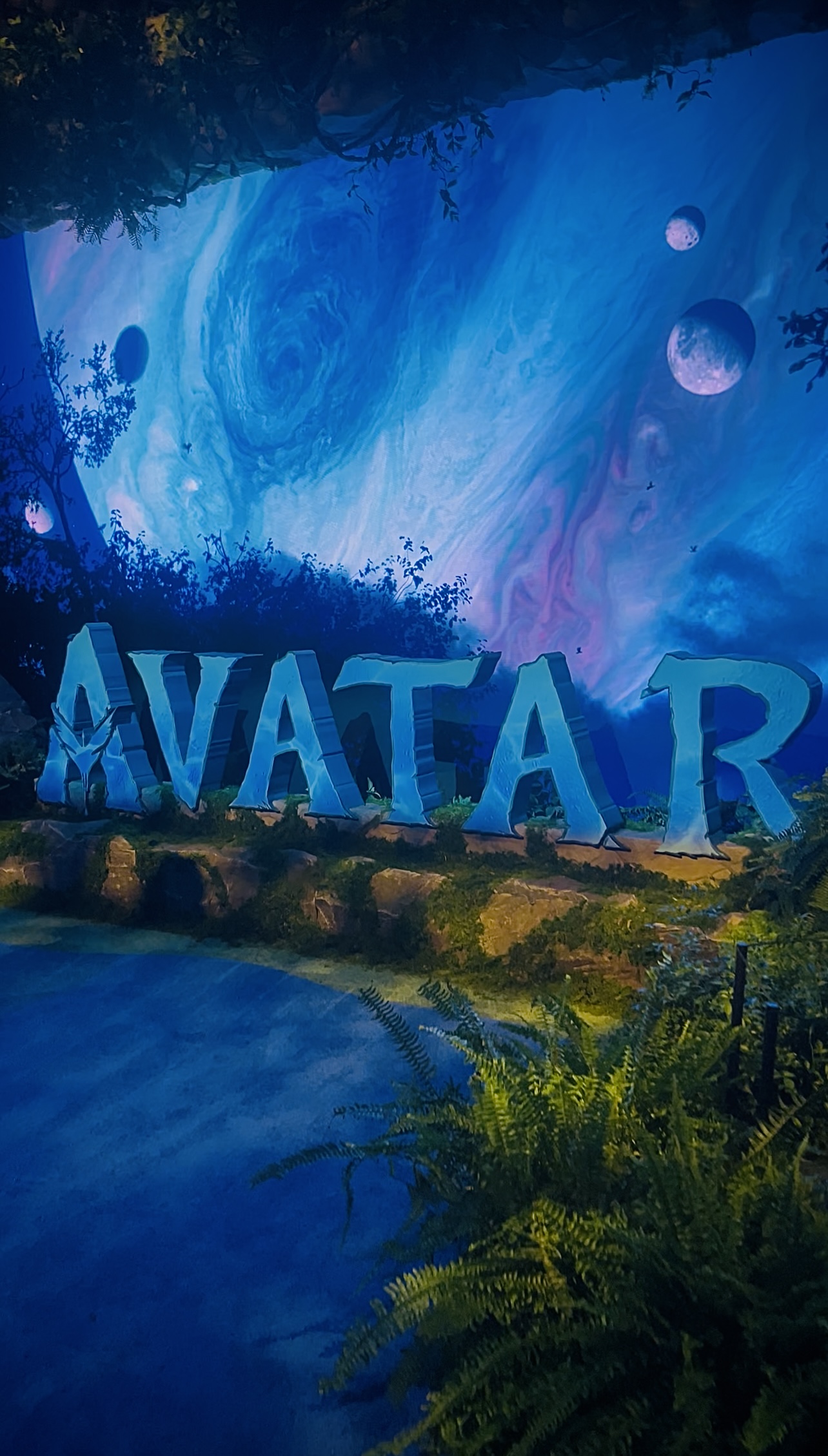
Background Context and Event Overview
Private industry screenings on the Disney studio lot serve as critical milestones during the final phases of major tentpole feature production. For the Avatar franchise, these gatherings function as both a celebration of collaborative milestone achievements and a technical diagnostic test in premier theatrical environments. The screening of Avatar: Fire and Ash utilized the advanced capabilities of the Burbank Dolby Theater, emphasizing high-frame-rate 3D projection, spatial audio, and dynamic contrast ratios that have become hallmarks of Cameron’s directorial methodology.
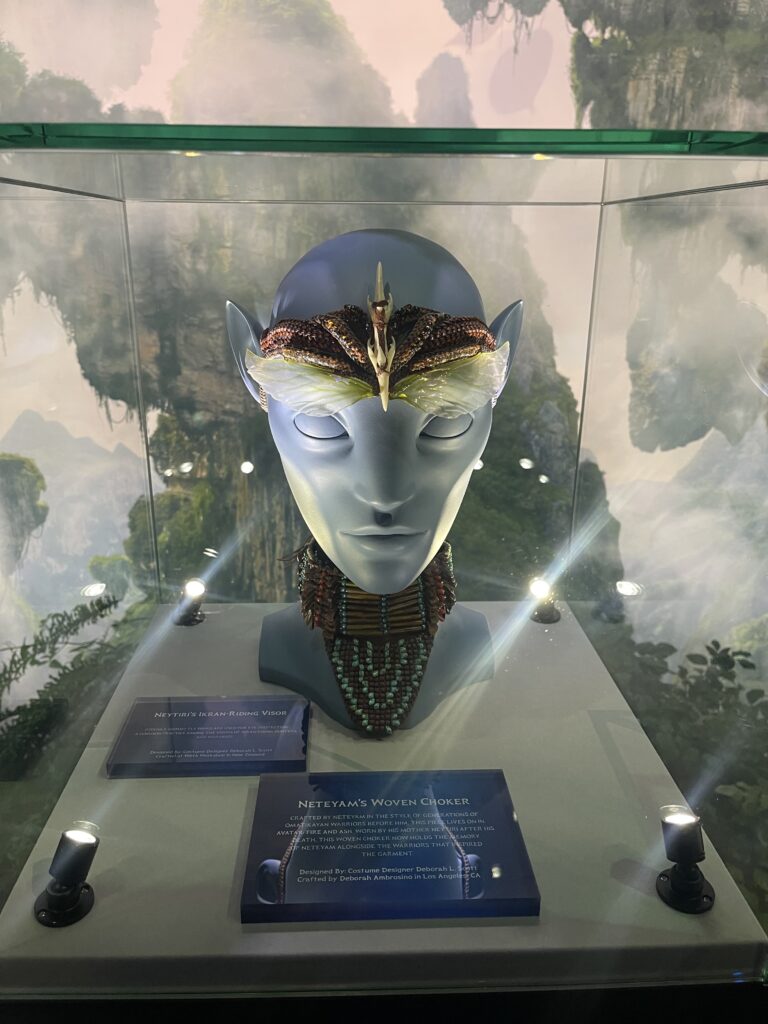
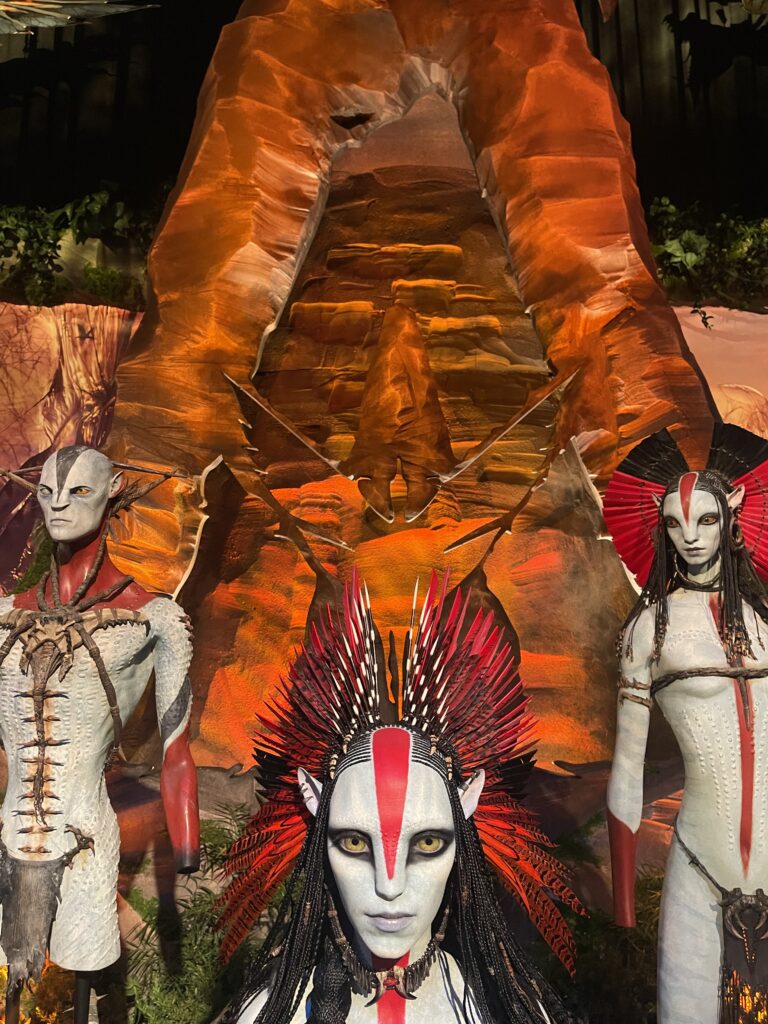
Beyond the auditorium, the event space was transformed into a curated museum-grade exhibition celebrating the physical artifacts of the production. Central to this display were the handmade garments, intricate textiles, and bespoke jewelry designed by Deborah L. Scott and her dedicated atelier team. Items such as the intricate wardrobe and accessories associated with the character Varang were displayed on mannequins, offering invited guests a tactile appreciation of the artisan work that underpins the computer-generated imagery. This fusion of high-end digital workflows and tangible, hand-crafted prop and costume design underscores the hybrid methodology employed by Lightstorm Entertainment to achieve unprecedented levels of visual realism.
Chronology of Production and the Franchise Timeline
To understand the weight of the Avatar: Fire and Ash screening, one must trace the prolonged and technologically demanding chronology of the franchise’s sequels. Following the groundbreaking release of the original Avatar in 2009, which redefined stereoscopic 3D and performance-capture standards, James Cameron and his production partners embarked on a simultaneous development cycle for multiple sequels.
- 2010–2017: Extended pre-production, focusing on the refinement of underwater performance capture technology, virtual camera systems, and the writing of a multi-film narrative arc spanning generations of the Sully family.
- 2017–2020: Principal photography commenced concurrently for Avatar: The Way of Water and a significant portion of Avatar: Fire and Ash, utilizing state-of-the-art volumetric capture tanks and facial performance rigs.
- December 2022: The theatrical release of Avatar: The Way of Water grossed over $2.3 billion globally, proving the enduring commercial viability of the franchise and setting new benchmarks for visual effects pipelines managed by Wētá FX.
- 2024–2025: Post-production intensification, picture editing led by Stephen Rivkin, ACE, and sound mixing in advanced immersive formats.
- Late 2025 to Early 2026: Exclusive industry presentations, including the Burbank lot screening, designed to evaluate master deliverables and engage key creative guild members ahead of promotional rollouts.
Key Creative Contributions and Technical Craftsmanship
The success of the Avatar series relies heavily on the synchronized efforts of veteran department heads who have collaborated with James Cameron across multiple cinematic ventures. Stephen Rivkin, ACE, whose editing credits include the first two Avatar films as well as major studio franchises like Pirates of the Caribbean, discussed the narrative pacing required to manage expansive visual effects shots alongside intimate emotional beats. Editing a narrative set within a completely virtual or hybrid environment demands a unique workflow, where editorial decisions often precede final rendering cycles by months or years.
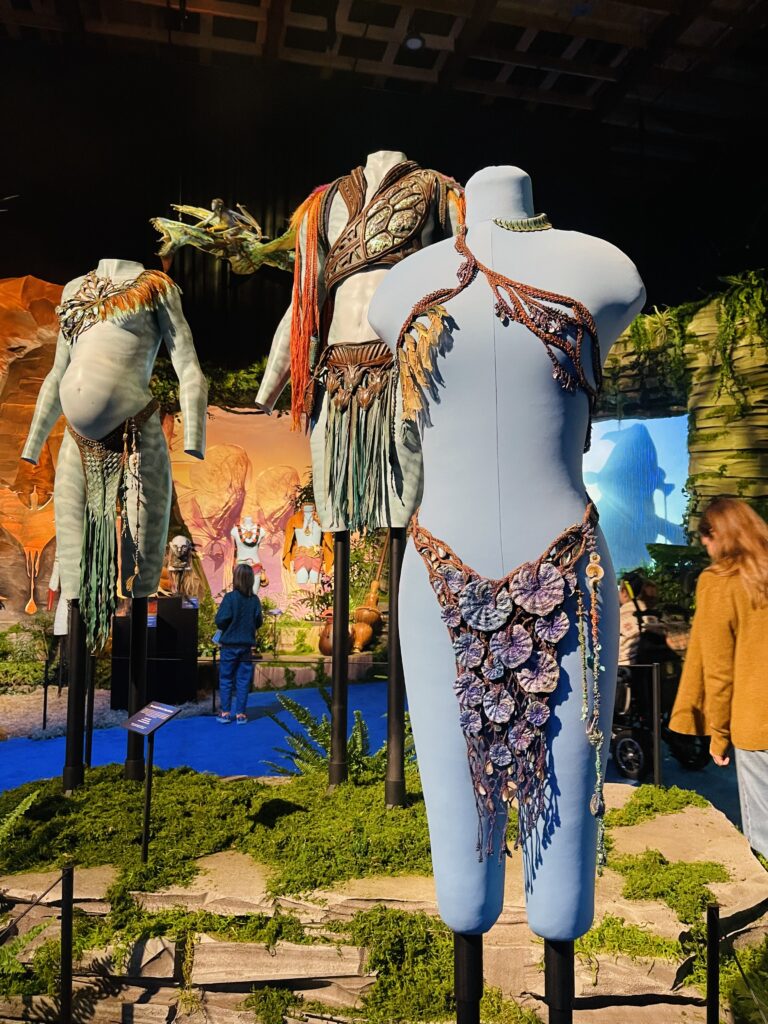
Simultaneously, costume designer Deborah L. Scott—whose legendary career includes Academy Award recognition for Titanic—spoke to the philosophy of designing for cultures that exist only within science fiction. The physical garments exhibited at the Disney lot illustrated a rigorous dedication to anthropological worldbuilding. Every bead, pelt, and woven fabric displayed in the Burbank exhibition was constructed by hand, ensuring that when scanned and translated into digital assets by visual effects artists, they retained the physical imperfections, weight, and interaction with light found in the natural world.
The inclusion of commemorative tributes to the late producer Jon Landau during the event added an emotional anchor to the proceedings. Quotes and archival reflections honoring Landau, who served as a foundational pillar of the Avatar production entity alongside Cameron, reminded attendees of the collaborative spirit and logistical mastery required to shepherd these colossal cinematic undertakings from script to screen.
Industry Implications and Market Analysis
The exhibition of Avatar: Fire and Ash at the corporate home of The Walt Disney Company carries significant weight for the broader entertainment industry. As theatrical exhibition faces continuous competition from at-home streaming platforms, tentpole features that rely on premium large-format (PLF) experiences—such as Dolby Cinema and IMAX 3D—remain the primary drivers of box office revenue.
Analysts note that the franchise’s methodical approach to technological innovation creates a rising tide effect for post-production software developers, hardware manufacturers, and virtual production service providers. By demonstrating finished sequences within a controlled studio environment months ahead of wide release, Lightstorm Entertainment signals confidence in its pipeline stability, visual fidelity, and narrative coherence. Furthermore, the emphasis on practical craft integration—highlighting physical costume design alongside cutting-edge computer graphics—addresses historical criticisms of digital filmmaking by proving that tangible artistry remains foundational to modern cinematic immersion.
Broader Impact on Visual Storytelling
As the cinematic landscape continues to integrate artificial intelligence, real-time game engines, and advanced virtual production tools, the production methodology behind Avatar: Fire and Ash establishes a benchmark for long-form visual effects management. The collaboration between veteran filmmakers and technological pioneers demonstrates that scale must be matched by meticulous attention to detail, from the micro-textures of a handmade Na’vi garment edited by Rivkin’s team to the sweeping spatial audio design optimized for the Dolby layout.
The reception among industry peers at the Disney lot suggests that the upcoming installment will maintain, if not expand, the visual standards established by its predecessors. With post-production milestones steadily being met and private showcases generating targeted industry discourse, Avatar: Fire and Ash positions itself as a dominant cultural and technological touchstone for the upcoming global theatrical calendar, cementing the enduring legacy of James Cameron’s cinematic universe.