Mastering the Click: A Comprehensive Guide to YouTube’s Native AI Thumbnail Generator

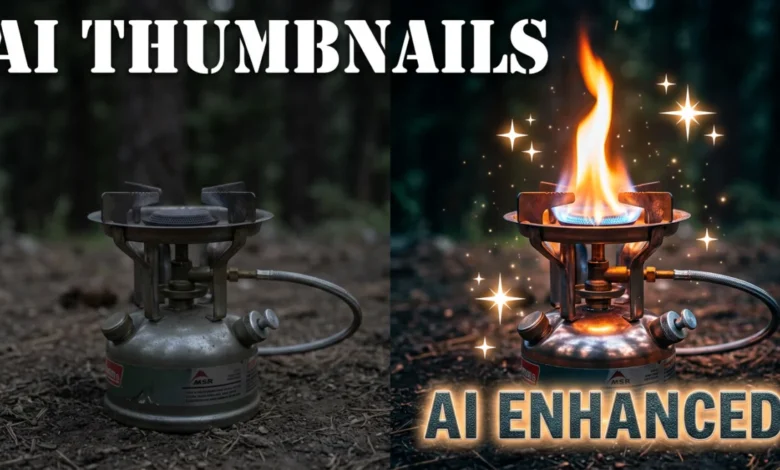
A great thumbnail is the difference between a click and a scroll. You can pour a weekend into the perfect video and still lose the impression war in the split second someone spends deciding whether your thumbnail is worth their time. As of the summer of 2026, YouTube has introduced a significant shift in content production workflows: the integration of a native AI-powered thumbnail generator directly into the YouTube Studio ecosystem. This tool, housed within the "Ask Studio" conversational assistant, represents a broader strategic pivot by the platform to lower the barrier to entry for high-quality content presentation.
The functionality allows creators to bypass traditional, time-intensive graphic design processes by leveraging the platform’s internal data. Because YouTube already possesses granular metadata—including video titles, descriptions, transcripts, audience engagement patterns, and a channel’s historical visual style—the AI generator produces images that are theoretically tailored to the specific context of a video. While this development offers newfound speed for creators, it also invites a nuanced discussion regarding the role of human creativity versus algorithmic efficiency in digital media.
The Chronology and Integration of Ask Studio
The rollout of the AI thumbnail generator follows a multi-year effort by YouTube to integrate generative artificial intelligence into its creator toolkit. Since the initial announcement of "Ask Studio" in early 2026, the feature has undergone iterative testing to ensure it aligns with platform safety guidelines and branding standards.
The tool is accessible via the desktop version of YouTube Studio. When a creator navigates to the details page of an uploaded, unpublished, or existing long-form video, they are presented with a "Get suggestions" button located in the thumbnail management section. This triggers an automated prompt within the Ask Studio interface. Unlike standalone AI image generators, this system is context-aware; it draws upon the video’s transcript and metadata to propose visual concepts that mirror the video’s themes. This integration eliminates the need for creators to manually export video frames, upload them to third-party editing software, and re-import the final assets, effectively condensing a multi-step process into a single, chat-based workflow.
Technical Mechanics and Operational Workflow
The operational flow for utilizing this tool is designed for efficiency rather than complex creative direction. Upon selecting the thumbnail generation option, Ask Studio initiates a baseline prompt—typically "Create a thumbnail for this video." The system analyzes the underlying content and returns three distinct design variations.

For creators seeking more granular control, the process is iterative. Users can provide follow-up prompts to refine the output, such as requesting a change in background color, asking for the inclusion of specific text overlays, or adjusting the composition to highlight a particular subject. A critical technical constraint is that the current iteration of the generator does not support the uploading of reference images. Consequently, users must rely on descriptive language to dictate style, lighting, and composition. For example, rather than providing an image of a "shocked expression," a creator must describe the visual parameters of that reaction to the AI to achieve the desired effect.
Addressing the Disclosure and Ethical Landscape
One of the most significant concerns for the creator community regarding AI-generated assets is the requirement for disclosure. As of late 2026, YouTube has clarified that utilizing its native thumbnail generator does not mandate the use of the "altered or synthetic content" label.
This policy is rooted in the platform’s distinction between "creative assistance" and "misleading fabrication." YouTube maintains that thumbnails, titles, and aesthetic touch-ups are standard production tools. Therefore, as long as the thumbnail does not portray a false event or misrepresent a real person in a way that violates Community Guidelines, no disclosure is required. However, the platform has implemented internal safeguards: all generated images contain invisible watermarking via SynthID and C2PA metadata. This ensures that the provenance of the image is recorded for platform oversight purposes without requiring the creator to display a distracting label to the audience.
Data-Driven Performance and A/B Testing
While the AI can generate visually coherent thumbnails at high speed, the primary metric of success on YouTube remains the Click-Through Rate (CTR). An aesthetically pleasing image does not guarantee viewer engagement. Industry data suggests that the most successful thumbnails are those that effectively communicate a "value proposition" within 200 milliseconds.
Because AI-generated assets are susceptible to "hallucinations" or generic design choices, rigorous testing is necessary. YouTube provides a native "Test & Compare" tool that rotates multiple thumbnail versions and assigns them based on watch-time share. However, third-party analytics platforms, such as TubeBuddy, offer more specialized A/B testing suites. These tools allow for the direct measurement of CTR, enabling creators to determine with statistical significance which thumbnail variant performs best. Furthermore, pre-publish analysis tools—such as attention heatmaps—can simulate where a viewer’s eye will land, providing a level of predictive insight that the native AI generator currently lacks.
Strategic Implications for Content Creators
The emergence of native AI thumbnail generation signals a shift in the competitive landscape for YouTube creators. Smaller channels with limited budgets for graphic design now have access to high-quality, professional-grade imagery that was previously only available to those with expensive software or specialized staff.

However, this democratization of design also suggests that the "average" quality of thumbnails will likely rise across the platform. As high-quality imagery becomes the baseline, the competitive advantage will shift from the ability to create a thumbnail to the ability to strategize one. Creators who leverage the AI to handle the "heavy lifting" of asset production will be better positioned to spend their time on advanced A/B testing, audience research, and content refinement.
Furthermore, the integration of these tools into the YouTube ecosystem is likely to evolve. It is reasonable to anticipate that future updates will allow for greater integration with external asset libraries, more refined control over typography, and perhaps even real-time adjustments based on live audience sentiment data.
Best Practices for Prompt Engineering
To maximize the efficacy of the AI generator, creators should adopt a specific approach to prompting. Broad, generic requests often lead to lackluster, "stock-style" results. Conversely, structured prompts that define the composition, focal subject, and intended emotion tend to produce higher-performing assets.
Effective prompts should include:
- Compositional Instructions: Defining where the subject is placed (e.g., "subject in the left third, large negative space on the right").
- Lighting and Style: Specifying the desired atmosphere (e.g., "high-contrast," "natural daylight," or "cinematic studio lighting").
- Text Economy: Limiting text to essential keywords, as excess text often clutters thumbnails and reduces readability on mobile devices.
- Contextual Anchors: Referencing specific moments or themes from the video’s transcript to ensure the image is thematically accurate.
Conclusion
YouTube’s native AI thumbnail generator is a powerful addition to the creator’s toolkit, effectively lowering the barrier to producing polished content. While it simplifies the production process, it does not replace the necessity of strategic testing and creative intuition. By understanding the limitations of the tool—specifically its inability to interpret complex visual cues without precise language—and supplementing its output with robust A/B testing, creators can leverage this technology to maintain a competitive edge. As the platform continues to refine its generative capabilities, the role of the creator will increasingly become that of a "content architect," where the ability to guide and iterate with AI tools becomes just as important as the content itself. Whether for a burgeoning channel or an established media outlet, the integration of AI into the thumbnail workflow marks a definitive move toward a more automated, data-centric future for digital media production.