Nintendo Unveils Monumental Remake of The Legend of Zelda Ocarina of Time Alongside New Metroid and Kirby Titles for Switch 2

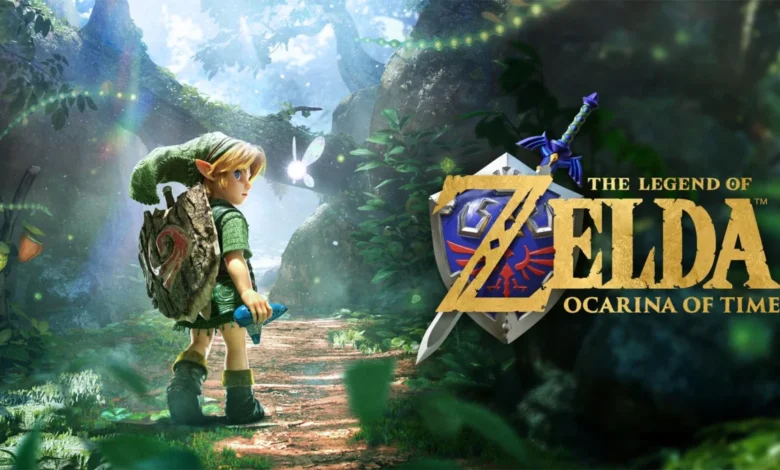
The gaming landscape is poised for a significant transformation as Nintendo prepares to celebrate four decades of its most storied franchises with a robust slate of announcements. Chief among these is the long-awaited, fully modernized remake of The Legend of Zelda: Ocarina of Time, scheduled for release on the upcoming Nintendo Switch 2 console on November 5. This title, originally released in 1998, remains a cornerstone of interactive entertainment, and its latest iteration promises to bridge the gap between classic design and modern technological capabilities.
A Reimagined Legend for the Next Generation
The remake of Ocarina of Time is not merely a graphical touch-up; it represents a fundamental reconstruction of the original Hyrule. Nintendo has confirmed that the title will feature fully overhauled visuals, taking advantage of the Switch 2’s enhanced processing power to deliver high-fidelity environments that retain the spirit of the N64 original while meeting contemporary standards.
Beyond aesthetics, the audio experience has been entirely reconstructed, featuring a fully symphonic orchestral score that elevates Koji Kondo’s iconic compositions. The narrative experience is also being expanded, with the inclusion of fully voiced cutscenes and significantly deepened character dialogue, allowing for a more nuanced exploration of the lore surrounding the Triforce and the conflict between Link and Ganondorf.
Perhaps most innovative is the integration of the Switch 2’s hardware features. Players will be able to utilize the console’s built-in microphone to perform Link’s various ocarina melodies. By humming or singing the correct notes in real-time, players can trigger in-game events, deepening the connection between the user and the protagonist. This tactile integration of sound is expected to set a new benchmark for immersion in the action-adventure genre.
Expanding the Nintendo Library: Metroid and Kirby
During a recent Nintendo Direct presentation, the company showcased a diverse array of upcoming projects, solidifying the Switch 2’s software lineup for the coming years. Among these are two high-profile sequels: Metroid: Ravenous and Kirby and the World Beyond.

Metroid: Ravenous is slated for a January 28 release, positioning it as a major winter title for the new platform. The game promises a more intense survival-horror experience, with Samus Aran navigating treacherous, uncharted environments. To support the launch, Nintendo is releasing an extensive amiibo line, featuring detailed figures of Samus and the iconic Chozo Statues. A special edition of the game, including a commemorative steel case and a unique "Metroid Suit" Samus amiibo, is currently available for pre-order.
Kirby and the World Beyond represents a significant shift for the pink protagonist, marking his first foray into a fully realized 3D exploration adventure. Timed to coincide with the 35th anniversary of the Kirby franchise, the title is expected in the spring of 2027. Developers have hinted at an expanded suite of Copy Abilities that will allow for unprecedented freedom in navigating the game’s expansive, vibrant world, suggesting a move toward more open-ended level design.
Industry Context and the Evolution of Remakes
The decision to revisit Ocarina of Time at this juncture reflects a broader industry trend toward the "prestige remake." As development costs for AAA titles skyrocket, publishers are increasingly turning to their back catalogs to provide high-quality experiences that appeal to both nostalgia-driven legacy fans and a younger generation of players who may have never experienced these foundational titles.
Historically, Ocarina of Time holds the record for the highest-rated game on Metacritic, with a score of 99. Its influence on 3D action-adventure game design—specifically the implementation of "Z-targeting" (lock-on combat)—cannot be overstated. By modernizing the camera and movement controls, Nintendo is effectively removing the primary barriers to entry for modern gamers, ensuring the title remains relevant for the next forty years of the medium.
PAX Expands its Global Footprint
The events sector of the gaming industry is also seeing a resurgence as PAX (Penny Arcade Expo) announces an aggressive expansion of its touring schedule. The organization confirmed that PAX West will return to the Seattle Convention Center over Labor Day weekend, from September 3 to September 6.
More notably, the brand is introducing PAX Unplugged Houston, a new tabletop and board game-focused exhibition scheduled for June 25 to June 27 at the George R. Brown Convention Center. This expansion into the Texas market underscores the growing demand for in-person community events, particularly as tabletop gaming continues to see record-breaking growth. These events serve as a critical bridge between developers and their fanbases, providing a platform for independent creators to gain visibility alongside major industry players.

The Convergence of Esports and Cinema
The intersection of competitive gaming and traditional entertainment continues to evolve, as evidenced by the partnership between Epic Games and AMC Theatres. On September 20, 50 select AMC locations across major metropolitan areas, including New York, Los Angeles, and Chicago, will broadcast the Rocket League World Championship Finals live.
With a prize pool of $1.2 million on the line, the event is designed to replicate the atmosphere of a stadium sports broadcast. Ellen Copaken, senior vice president of business development at AMC Theatres, noted that the initiative is intended to foster "unforgettable shared experiences." Attendees will receive exclusive in-game cosmetic rewards, a strategic move by Epic Games to incentivize in-person participation and drive engagement with their digital ecosystem. This move signals a shift in how esports are consumed; rather than being confined to digital streaming platforms like Twitch or YouTube, the "big event" experience is increasingly being exported to physical venues, mimicking the model of traditional professional sports.
Analysis: Implications for the Future of Console Gaming
The announcements made by Nintendo and the broader industry reflect a strategic pivot toward multi-platform engagement. The inclusion of hardware-level features like microphone-based music playback in the new Zelda remake suggests that Nintendo is focusing on the "Switch 2" as a device capable of sensory input, rather than just raw graphical output.
From an economic standpoint, the strategy of bundling high-value physical goods—such as the Metroid: Ravenous special edition—with long-term franchise support indicates a move to secure recurring revenue streams. By aligning new releases with franchise anniversaries, such as the 35th anniversary for Kirby, Nintendo is leveraging institutional memory to build anticipation and ensure high attach rates for its new console hardware.
Furthermore, the expansion of the PAX event circuit and the cinematic broadcasting of esports events point toward a robust, post-pandemic recovery for physical community gathering. While digital transformation remains the backbone of the industry, the value of physical proximity—whether in a convention center or a movie theater—is being treated as a premium product.
As the industry moves into late 2026 and early 2027, the focus will likely remain on how these companies manage the transition to the next generation of hardware. With a strong pipeline of remakes, sequels, and live events, Nintendo is positioning itself to dominate the market by balancing the comfort of established intellectual property with the necessity of technological innovation. Investors and fans alike will be watching the November 5 launch of Ocarina of Time closely, as it serves as the definitive test for how Nintendo intends to handle its most precious assets in the modern era.