Do You Want To Be As Connected As Apple Watch Series 12 And Ultra 4 Want You To Be?


Apple Inc. hosted its highly anticipated September 9 product showcase, themed "Surprise and shine," unveiling a robust ecosystem of next-generation hardware and software updates aimed at deepening consumer integration with artificial intelligence. Among the most prominent announcements were the Apple Watch Series 12 and the rugged Apple Watch Ultra 4, both of which introduce a groundbreaking Health Sensing System powered by Apple Intelligence. Alongside these wearable hardware advancements, the company introduced sophisticated software tools, notably Siri Recap and Live Rewind, designed to continuously parse and summarize daily conversations. While these innovations represent a significant leap forward in consumer health tech and ambient computing, they have simultaneously reignited public debates regarding data privacy, over-connectedness, and the psychological impacts of hyper-quantified lifestyles.
The Evolution of Consumer Wearables: Hardware Meets Advanced AI
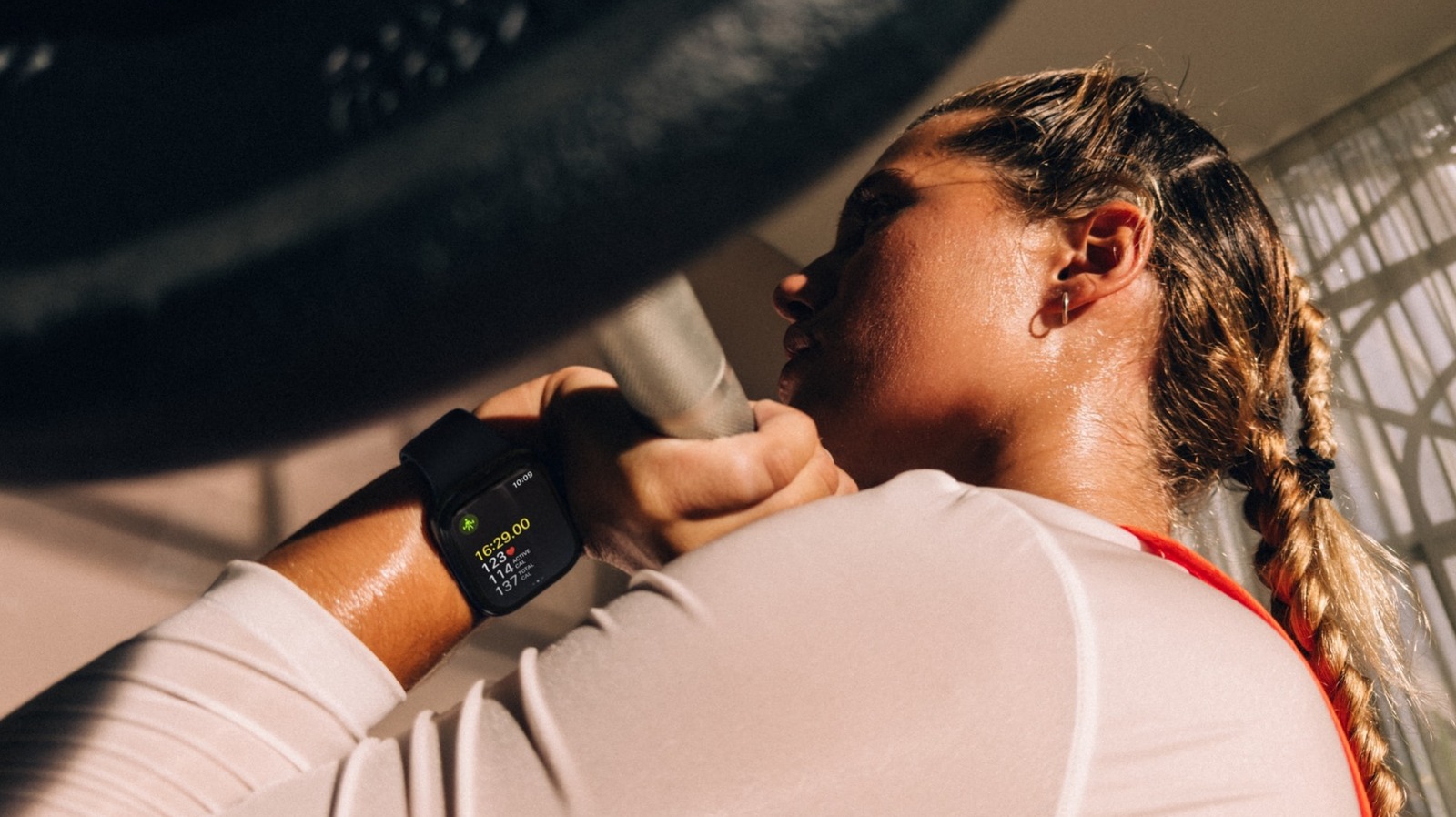
The introduction of the Apple Watch Series 12 and Apple Watch Ultra 4 marks a paradigm shift in how consumer health data is collected, interpreted, and acted upon. According to specifications detailed during the Cupertino event, the new devices feature upgraded sensor arrays that deliver what Apple claims is the most accurate continuous heart rate tracking available on the commercial market.
Beyond basic biometric monitoring, the integration of Apple Intelligence allows these devices to compile comprehensive "Readiness reports." Delivered at the start of each day, these reports synthesize a multitude of physiological metrics—ranging from overnight heart rate variability and sleep architecture to skin temperature—to generate actionable lifestyle recommendations. For instance, if an algorithm detects elevated physiological stress or inadequate recovery, the system may explicitly advise the user to forego a high-intensity workout in favor of active recovery.
This predictive capability extends into the redesigned Apple Health application, which now features a centralized Insights tab for granular personalization. Furthermore, a new Longevity tab contextualizes a user’s biometric data against broader epidemiological aging markers, attempting to translate raw physiological statistics into long-term wellness trajectories. In a move that bridges consumer tech and clinical healthcare, the updated Health app also facilitates the scheduling and direct procurement of laboratory diagnostic tests, allowing users to seamlessly integrate external medical results into their personal data dashboard.
Audio Intelligence: Siri Recap, Live Rewind, and Ambient Computing
While the health-centric upgrades target physical wellness, Apple’s new Audio Intelligence features push the boundaries of cognitive and social interaction. Chief among these is Siri Recap, a tool engineered to run locally via Apple Intelligence, monitoring ambient discussions and generating structured summaries to help users track conversations, meetings, and daily interactions.
Complementing Siri Recap is Live Rewind, a function designed to capture the immediate past 15 seconds of spoken audio, converting it into a searchable text snippet on demand. Marketed as an accessibility and convenience tool for instances where a user might miss a spoken phrase in a loud environment, the feature implies a continuous, passive listening state that has immediately drawn scrutiny from privacy advocates and digital rights organizations.
Although Apple emphasized that users retain granular control over when ambient listening features are active, the presence of always-on hardware capable of transcribing human speech brings the consumer electronics industry further into the realm of ambient computing. This technological stride forces a societal reckoning with the boundaries of personal privacy in public and private spaces alike.
Chronology of Apple’s Health and AI Integration
To understand the trajectory that led to the Apple Watch Series 12 and Ultra 4, it is necessary to examine the incremental integration of health monitoring and machine learning within Apple’s product roadmap over the past decade:
- 2015: The release of the original Apple Watch establishes the brand’s footprint in consumer fitness, focusing primarily on activity rings and basic step tracking.
- 2018: The introduction of the electrical heart sensor (ECG) and irregular rhythm notification with the Apple Watch Series 4 marks the transition from simple fitness tracker to clinically relevant health monitor.
- 2020: Apple launches the Apple Watch Series 6 with a blood oxygen (SpO2) sensor, alongside the introduction of the subscription-based Fitness+ service.
- 2022: The debut of the Apple Watch Ultra caters to extreme endurance athletes, featuring dual-frequency GPS and ruggedized titanium architecture.
- 2024: The rollout of Apple Intelligence begins across iOS, iPadOS, and macOS, laying the foundational framework for on-device generative AI models.
- September 9 (Current Release): Apple announces the Series 12 and Ultra 4, merging advanced biometric hardware with generative AI models to deliver predictive health analytics, Readiness reports, and Audio Intelligence tools like Siri Recap.
Industry Implications and the Counter-Movement Toward Minimalism
The unveiling of these hyper-connected capabilities occurs against a complex cultural backdrop. Even as manufacturers race to pack more computational power, sensors, and AI agents into everyday accessories, a distinct counter-cultural movement is gaining momentum. A growing segment of consumers is actively seeking out minimal phones, embracing digital detox protocols, and attempting to curb compulsive smartphone and screen usage.
Industry analysts point out a fundamental paradox in modern consumer technology: while tools like the Apple Watch Series 12 offer unprecedented opportunities for proactive healthcare management, they simultaneously risk inducing health-related anxiety. The phenomenon of "orthosomnia"—an unhealthy fixation on achieving perfect sleep metrics—and similar obsessions with daily readiness scores demonstrate that quantified-self data can sometimes prove counterproductive to mental well-being.
Moreover, the normalization of Audio Intelligence features such as Live Rewind raises philosophical questions regarding human memory and interpersonal communication. Critics suggest that an over-reliance on automated transcription and conversational summaries could atrophy natural listening skills, fostering a societal reliance on digital intermediaries for basic human interactions.
Fact-Based Analysis of the New Ecosystem
Evaluating the long-term impact of the Apple Watch Series 12 and Ultra 4 requires balancing undeniable technological progress with legitimate ethical and psychological concerns.
On the positive side, the democratization of clinical-grade data collection empowers patients to engage in more informed dialogues with healthcare providers. The ability to seamlessly order lab tests and track longitudinal health trends can lead to earlier detection of chronic conditions and better preventative care management.
Conversely, the expansion of continuous data harvesting deepens the digital footprint of the average consumer. As health data becomes increasingly intertwined with proprietary AI algorithms, questions regarding data sovereignty, encryption standards, and potential third-party access remain at the forefront of regulatory discussions. Furthermore, the psychological toll of continuous algorithmic surveillance—where every heartbeat, conversation, and moment of rest is evaluated and scored by a machine—demands careful consideration by both developers and consumers.
As these devices roll out to global markets, the ultimate test will not merely be the computational accuracy of the hardware, but how human beings adapt to living in an environment where technology is not just an accessory, but an active, persistent participant in daily cognition and physical health.