Capturing the Ferrari Challenge on Film: A Study in Analog Discipline Amidst Modern Motorsport

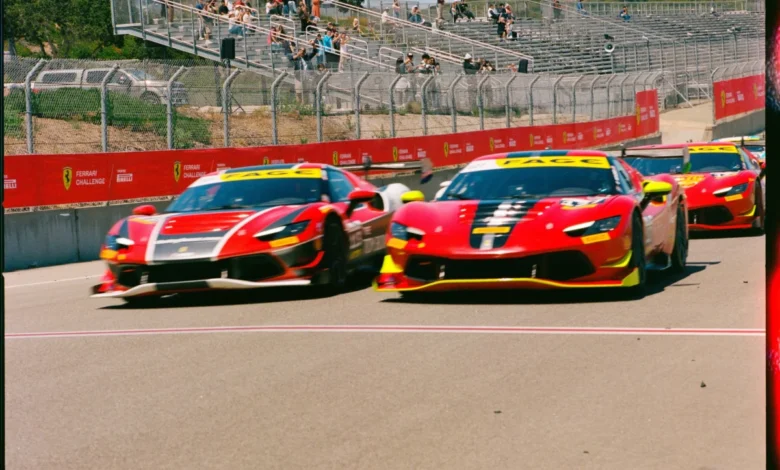
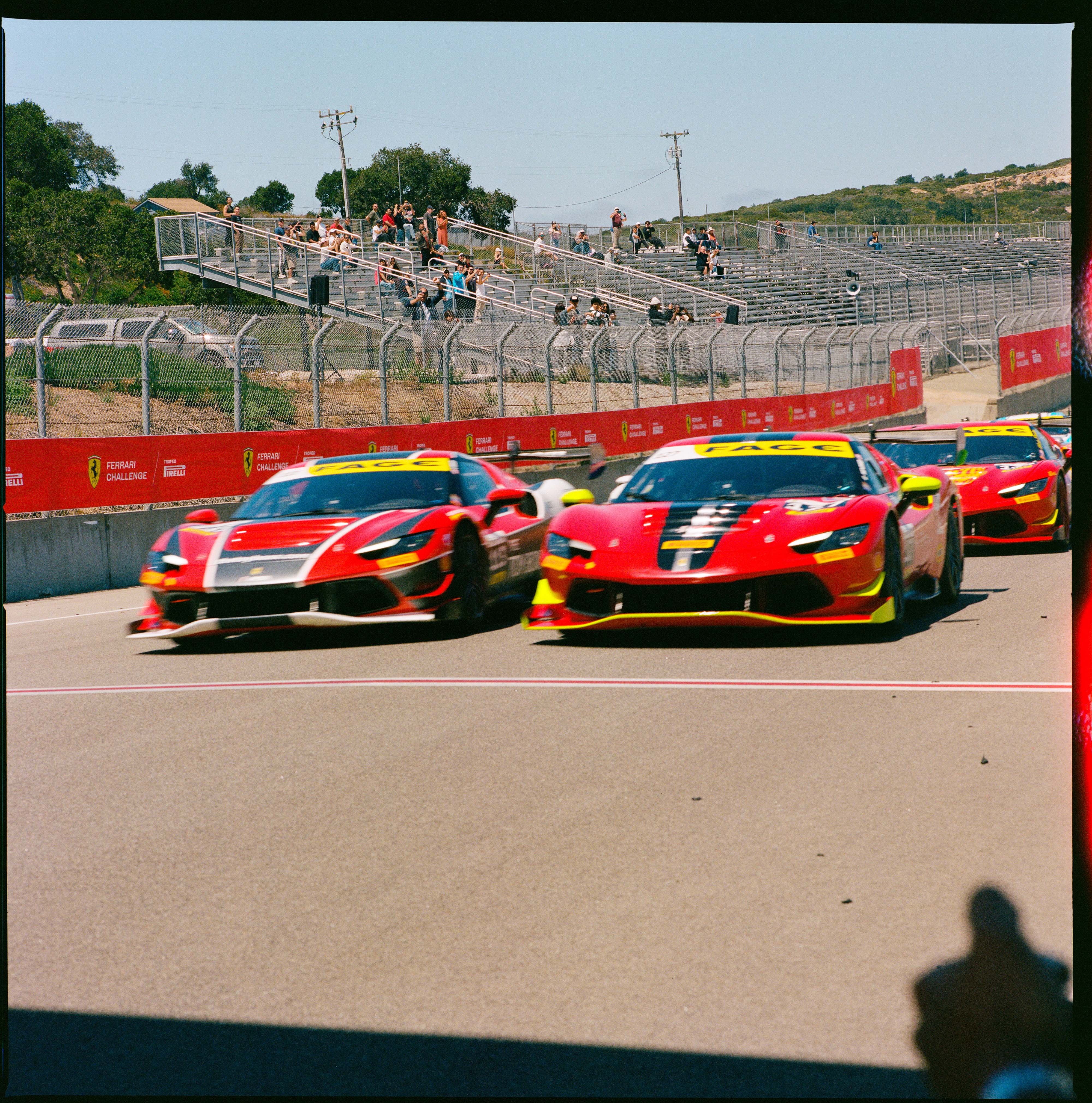
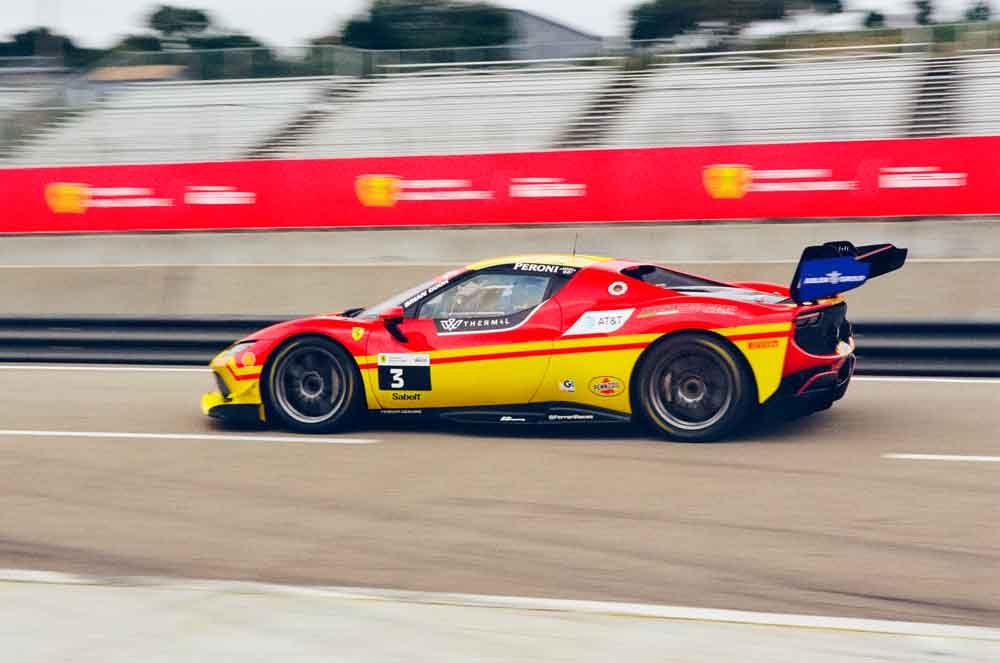
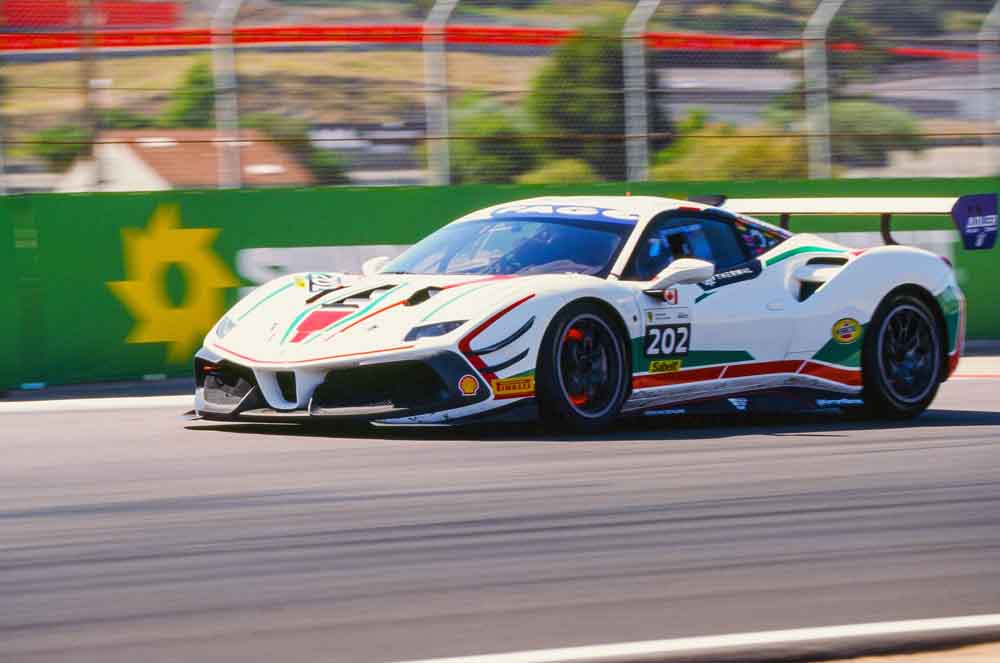
The Ferrari Challenge North America series, a premier one-make racing championship, recently provided the backdrop for an unconventional photographic experiment at the WeatherTech Raceway Laguna Seca. While modern motorsport coverage relies almost exclusively on high-speed digital sensor technology capable of capturing dozens of frames per second with pinpoint, AI-assisted autofocus, one photographer intentionally returned to the roots of the craft, utilizing vintage analog equipment to document the high-octane environment. This project, conducted amidst the 140-mph maneuvers at the famed Monterey circuit, highlights a growing professional discourse regarding the intersection of technical precision and the deliberate, slower-paced nature of film photography.
The Mechanics of the Ferrari Challenge
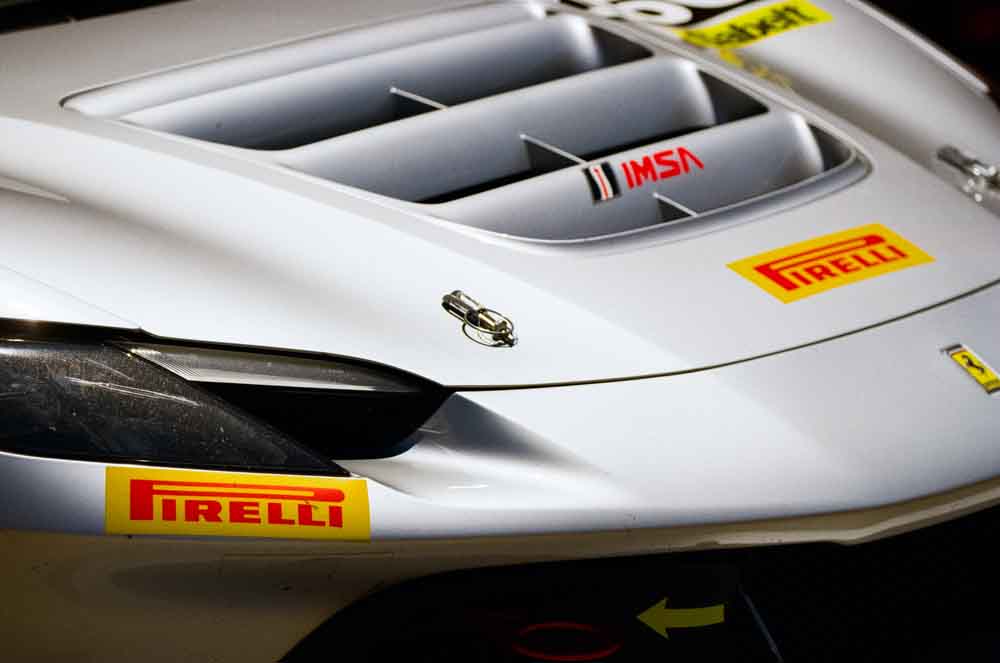
The Ferrari Challenge, established in 1993, represents the pinnacle of one-make racing for the Italian luxury automaker. Unlike multi-manufacturer series such as IMSA or the FIA World Endurance Championship, the Ferrari Challenge utilizes a spec-racing format. Every participant competes in identical machinery—specifically the Ferrari 296 Challenge in recent iterations—ensuring that success is dictated by driver skill, race craft, and team strategy rather than engineering advantages.
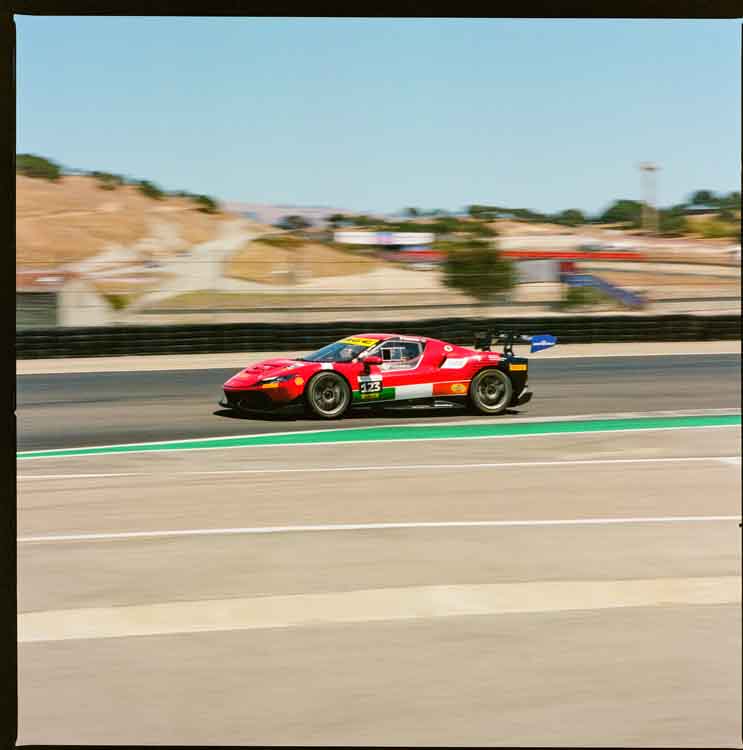
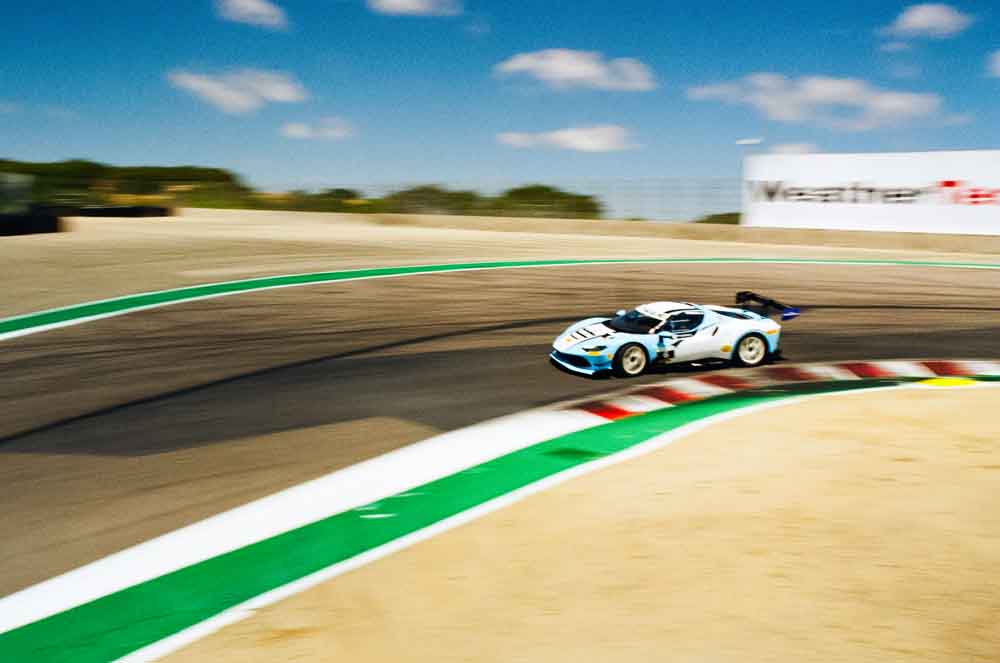
At WeatherTech Raceway Laguna Seca, the series brings a unique set of challenges. The circuit is globally recognized for its extreme elevation changes, most notably the "Corkscrew" (Turns 8 and 8a). This sequence features a 59-foot drop in elevation over just 450 feet of track length, creating a technical environment where braking points and vehicle weight transfer are magnified. For a photographer, these physical constraints dictate the limits of what can be captured, whether using a modern mirrorless system or a mechanical Hasselblad 500CM.
The Analog Workflow in a Digital Environment
The decision to utilize film in a professional motorsports context introduces significant technical hurdles. Digital cameras currently dominate the industry due to their high-speed autofocus tracking, capable of maintaining focus on vehicles exceeding 150 mph with sub-millisecond precision. In contrast, the photographer utilized a mix of vintage hardware, including a Nikon F5, a Canon A2E, and the Hasselblad 500CM.
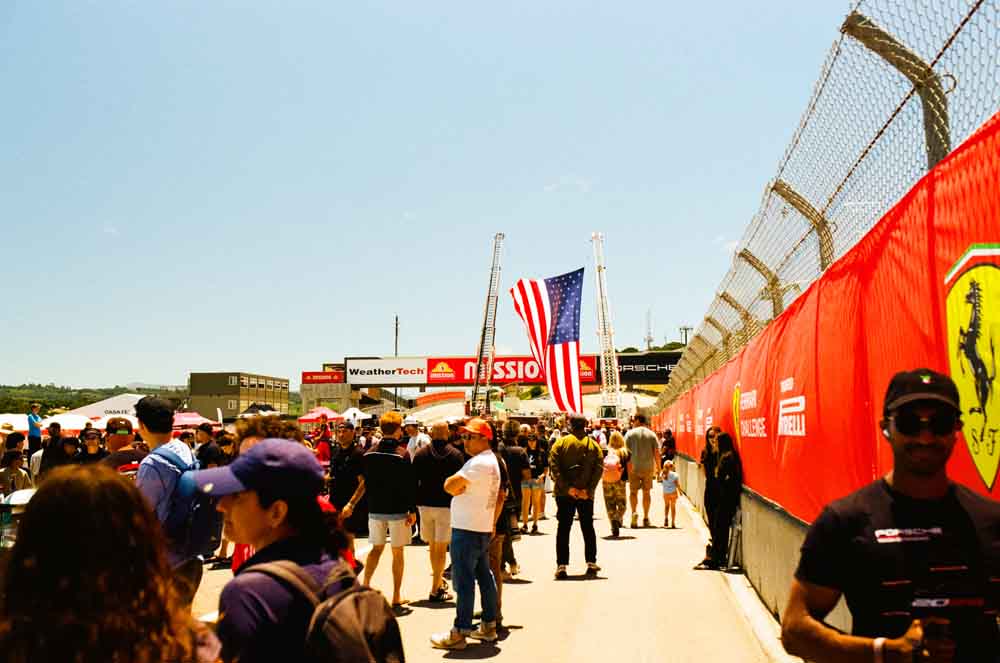
The Nikon F5, released in 1996, served as the workhorse for the project, providing a reliable 8-frames-per-second burst rate. However, the Hasselblad 500CM—a medium-format manual focus camera—represented a stark departure from modern standards. Operating this camera requires manual focus adjustment and a deliberate film-advance sequence that limits the photographer to roughly one frame every three seconds. This shift in cadence fundamentally alters the photographic process, moving from the "spray and pray" methodology of modern digital burst modes to a highly selective, anticipatory approach.
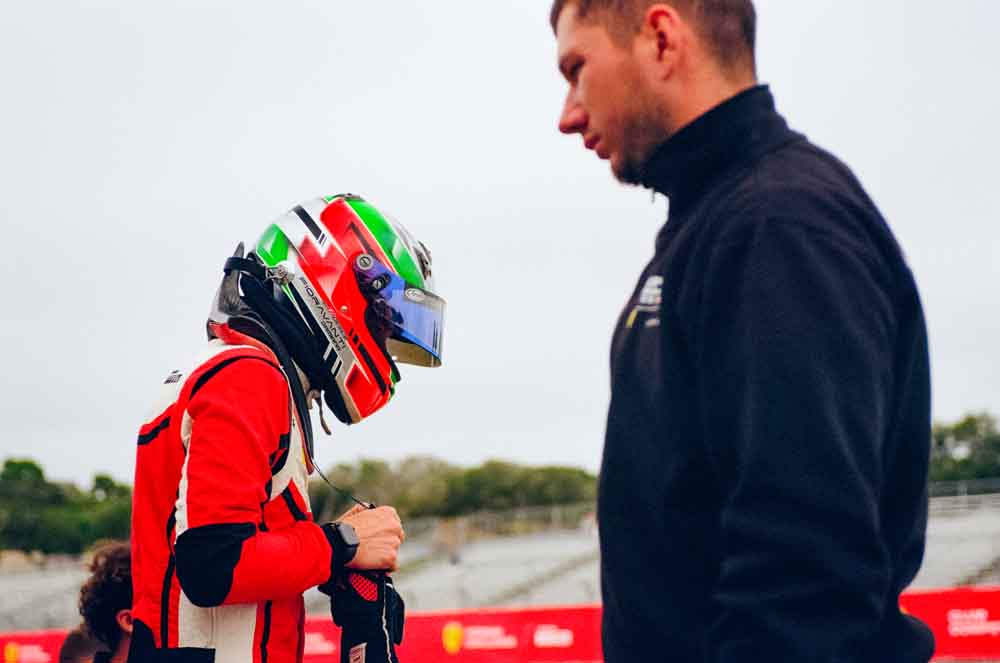
Chronology of the Event
The documentation project followed the standard timeline of a Ferrari Challenge race weekend:
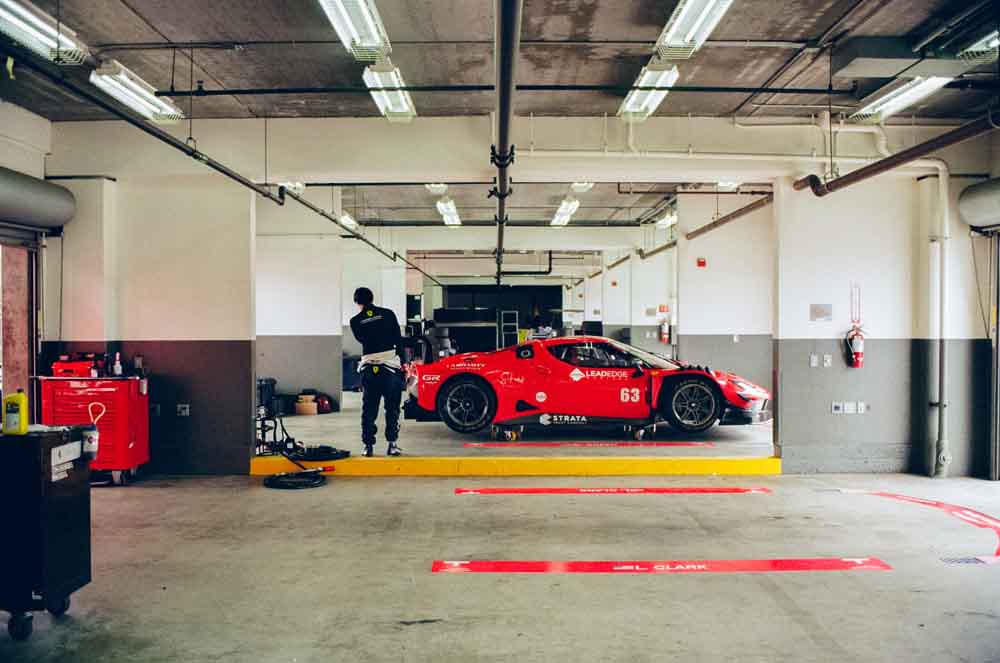
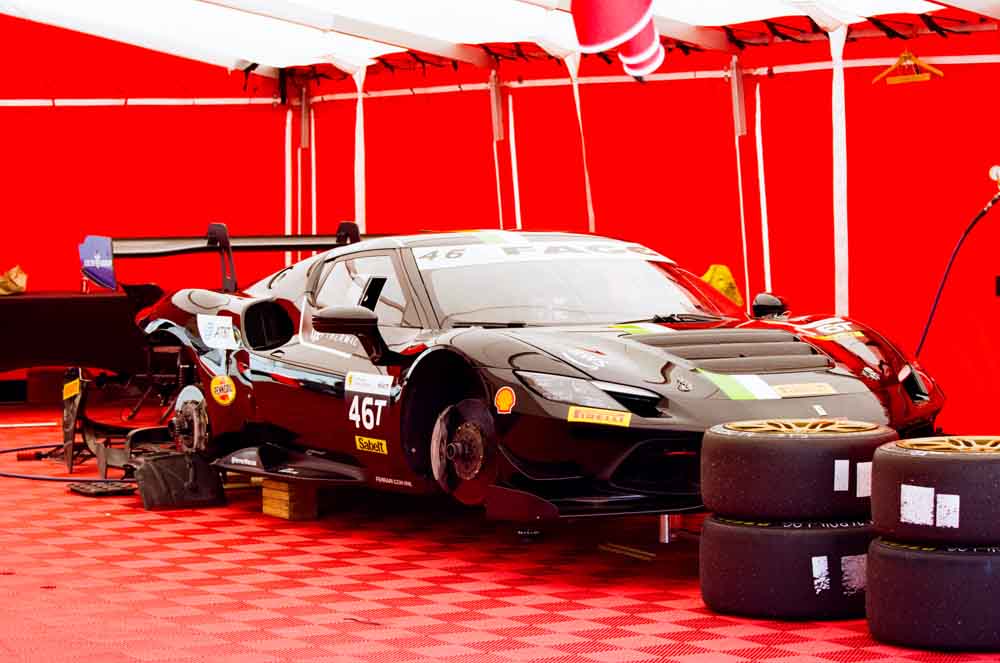
- Paddock and Preparation: The initial days focused on the paddock, where the calm, methodical atmosphere provided an ideal environment for analog film. The images captured here focused on the human element: drivers reviewing telemetry with engineers, the donning of safety gear, and the mechanical inspection of the vehicles.
- Qualifying Sessions: As the pace increased, the focus shifted to the Nikon F5 and the Canon A2E. The use of specialized film stocks, including Kodak Portra 400 and 800, balanced the high-contrast conditions of the California sun.
- Race Day: The climax of the weekend involved capturing the intensity of the race. The photographer positioned themselves at the apex of the Corkscrew, a location that demands precise timing. The use of manual focusing at this location underscored the difficulty of the task, as the margin for error when capturing a car at 140 mph with a mechanical shutter is virtually non-existent.
- Post-Race Ceremony: The event concluded with the podium celebrations, where the photographer transitioned to black-and-white film stock, specifically Ilford HP5+. This choice was intended to lend a timeless, documentary quality to the images of champagne sprays and team celebrations.
Technical Implications of Medium Selection
The choice of film stock was central to the aesthetic outcome of the project. The photographer utilized a diverse range of emulsions to handle varying light conditions:
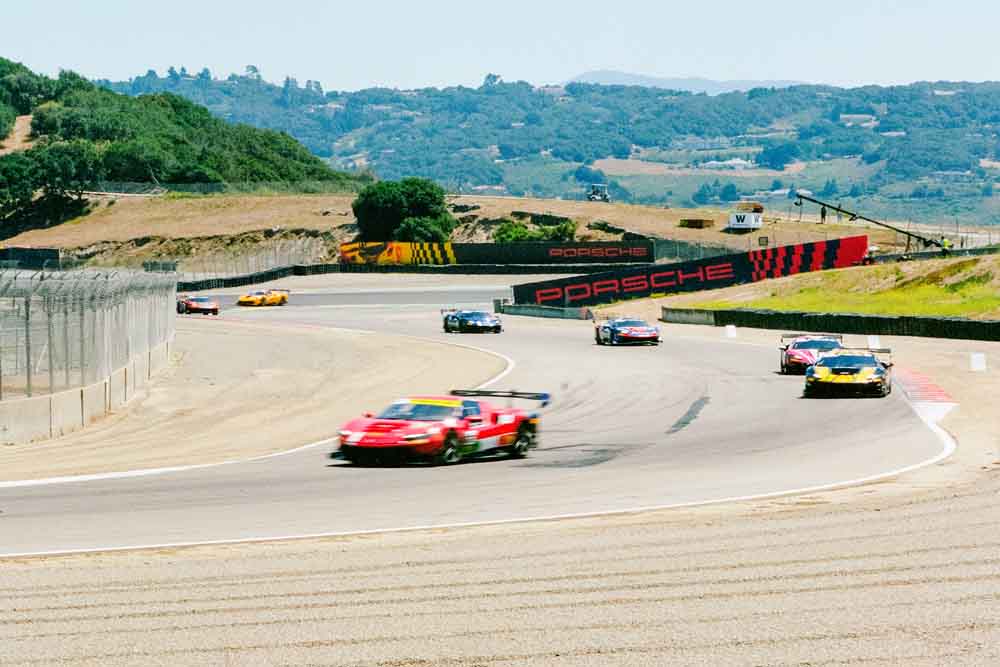
- Kodak Portra 400/800: Chosen for its skin tone accuracy and wide dynamic range, essential for capturing both the vibrant colors of the Ferrari livery and the intense highlights of the track surface.
- ColorPlus 200 and ProImage 100: Utilized during the paddock sessions, these stocks provided a warmer, more nostalgic color profile.
- Ilford Delta 100/400 and HP5+: Reserved for the final celebrations, these stocks provided a high-latitude, high-contrast look that emphasized the raw emotion of the victory.
The primary limitation of this analog approach is the lack of "instant feedback." In modern digital workflows, photographers verify exposure, focus, and composition on an LCD screen seconds after the shutter fires. With film, this capability is absent. The photographer must possess an innate understanding of light and motion, essentially "developing" the image in their mind before committing it to the negative. This constraint is widely viewed by industry experts as an exercise in "visual discipline," forcing the practitioner to be more intentional with each exposure.
The Broader Impact on Creative Professionalism
The resurgence of film in professional circles is not merely a nostalgic trend; it is a reaction to the saturation of high-definition digital imagery. In an era where images can be generated or corrected by artificial intelligence, the "imperfections" of film—the grain, the color shifts, and the physical limitations—have become a hallmark of authenticity.
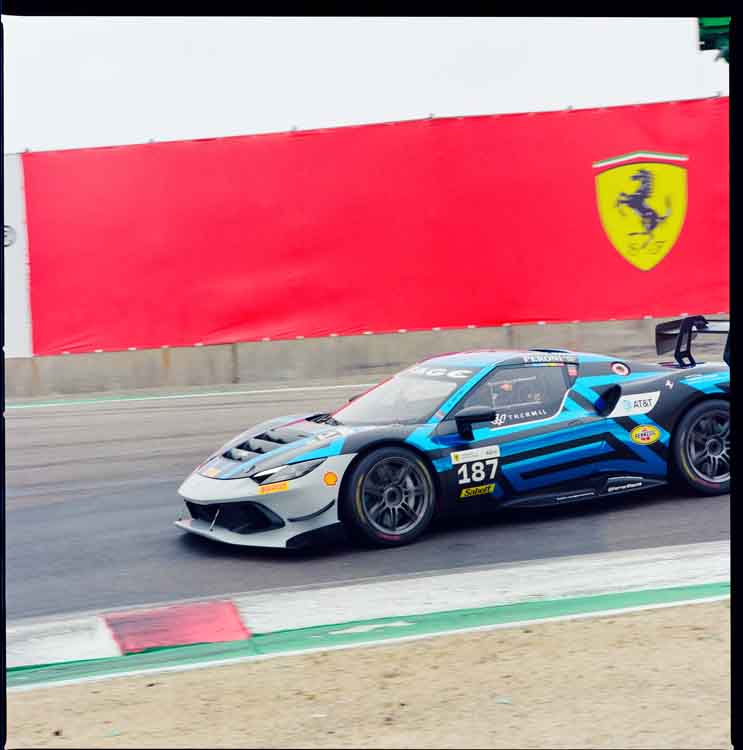
From a sociological perspective, the presence of analog cameras in a high-tech environment like the Ferrari Challenge acts as a bridge between two eras of technology. The "slow" nature of the medium forces the photographer to observe the race through a different lens, often capturing the peripheral, quiet moments—such as a driver’s concentration or a team’s silent anticipation—that are often overlooked by the rapid-fire shutter of a digital sports camera.
Expert Analysis and Industry Perspective
While professional racing organizations have not moved away from digital standards, there is an increasing appreciation for "lifestyle" and "documentary" style photography that film provides. Industry analysts note that brands like Ferrari often value these stylized, tactile images for marketing collateral, as they evoke a sense of heritage and exclusivity that "clinical" digital images sometimes lack.
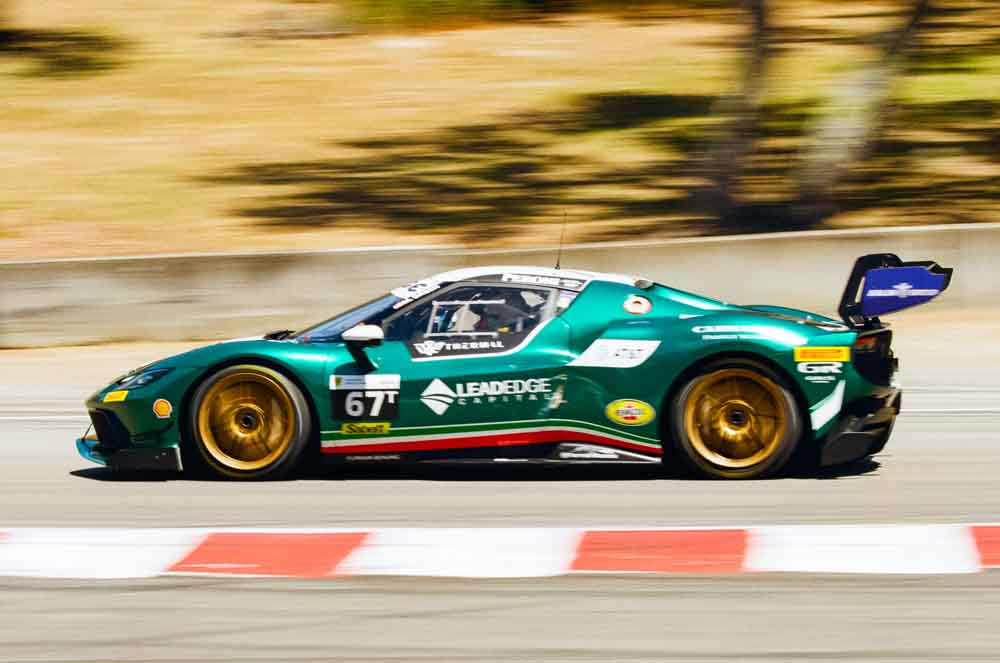
Furthermore, the discipline required by film acts as a "skill sharpener." Photographers who train on film are frequently reported to have a more refined eye for composition and light, as they are not reliant on the safety net of post-production software. The project at Laguna Seca serves as a practical demonstration that while the tools of the past may be technically inferior by modern specifications, they remain superior in their ability to dictate the photographer’s focus and intent.
Conclusion: The Future of Analog Documentation
As the photography industry continues to evolve, the distinction between "capturing data" (digital) and "making images" (analog) is becoming more pronounced. The Ferrari Challenge project at Laguna Seca demonstrates that even in the most technologically advanced arenas, there remains a place for the measured, intentional, and undeniably difficult process of film.
For the modern professional, the lesson is clear: the efficiency of digital technology is an asset for reporting, but the difficulty of film is an asset for storytelling. Whether one is photographing a world-class race or a quiet moment in a local park, the practice of shooting film serves to slow down the creative process, forcing a higher degree of engagement with the subject. As the photographer noted, the difficulty is indeed "half the fun," and for those willing to accept the limitations of the medium, the reward is a collection of images that possess a timelessness that is increasingly difficult to replicate in the digital age.
Related posts: