Decoding Digital Emotions: A Comprehensive Guide to Sentiment Analysis Tools for Modern Businesses

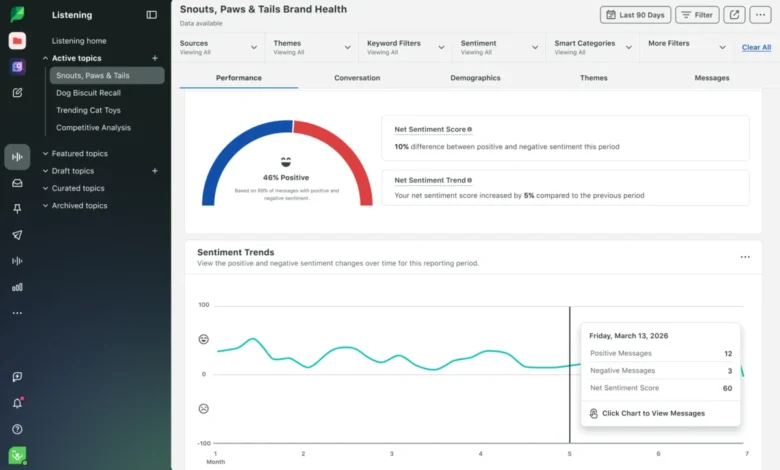
In the intricate tapestry of digital communication, customer emotions are the threads that often reveal the true perception of a brand, much like non-verbal cues in face-to-face interactions. Understanding and interpreting these sentiments, which are intricately woven into the language customers use online, is the fundamental purpose of sentiment analysis. This sophisticated process, far from being a simple task, involves sifting through colossal volumes of data—thousands of conversations, brand mentions, and reviews spread across myriad websites and social platforms, many unfolding in real-time. To navigate this complex landscape effectively, businesses increasingly rely on specialized sentiment analysis tools.
The Evolution of Understanding the Customer Voice

Historically, businesses gauged public opinion through traditional methods such as surveys, focus groups, and direct customer feedback forms. While valuable, these methods often suffered from limitations in scale, speed, and the sheer volume of unsolicited feedback. The advent of the internet and, subsequently, social media platforms, e-commerce reviews, and online forums, triggered an explosion of unstructured text data. This digital deluge presented both an immense opportunity and a significant challenge: how to systematically listen to and comprehend the collective customer voice at scale.
The answer emerged from advancements in artificial intelligence (AI) and natural language processing (NLP). Early attempts at automated text analysis were often rudimentary, relying on keyword matching that struggled with nuance. However, with the evolution of machine learning (ML) and deep learning algorithms, NLP capabilities have become remarkably sophisticated. These advancements have enabled sentiment analysis tools to move beyond simple keyword detection to understand context, identify emotional intent, and discern sentiment polarity—whether a message is positive, negative, or neutral—with impressive accuracy. This technological leap has transformed sentiment analysis from a niche academic pursuit into an indispensable business intelligence function.
What is a Sentiment Analysis Tool?
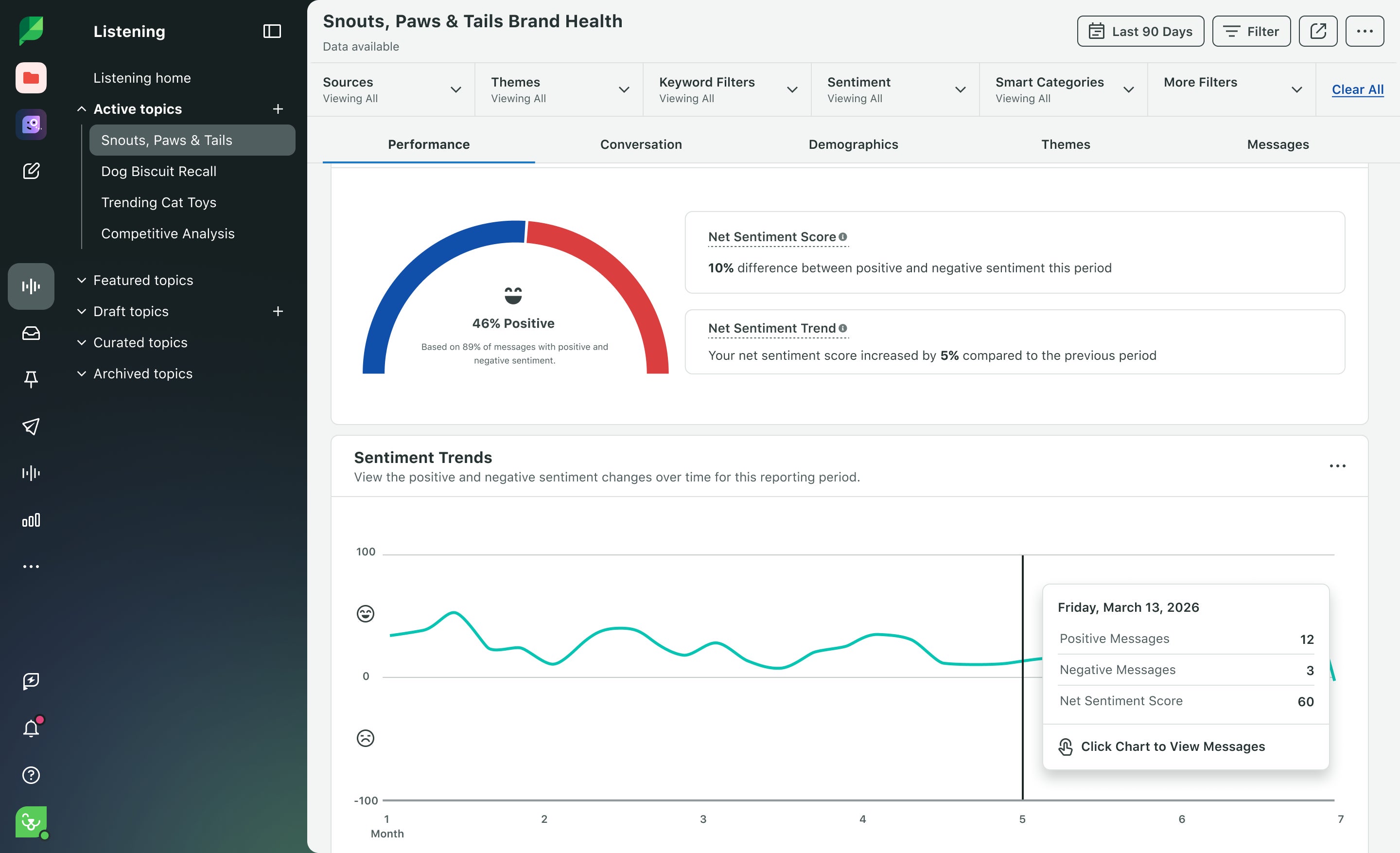
At its core, a sentiment analysis tool is a software application that leverages artificial intelligence, particularly natural language processing (NLP), to detect, extract, and interpret emotions and opinions from text data. These tools are designed to mimic a human’s ability to understand language but operate at an exponentially faster rate and a vastly larger scale.
Behind the scenes, complex algorithms and machine learning models are trained on massive datasets of human-annotated text. They analyze linguistic patterns, vocabulary, syntax, and even emojis to categorize language based on its tone, emotional intent, and sentiment polarity. For instance, the phrase "Thanks a lot" can convey genuine gratitude or cutting sarcasm, depending on the context and implied tone. A sophisticated sentiment analysis tool can often decode these subtleties, distinguishing between a sincere compliment and an ironic complaint. This capability empowers brands to gain a profound understanding of how people truly feel about their products, services, campaigns, or even their competitors.
Core Functionalities Powering Actionable Insights
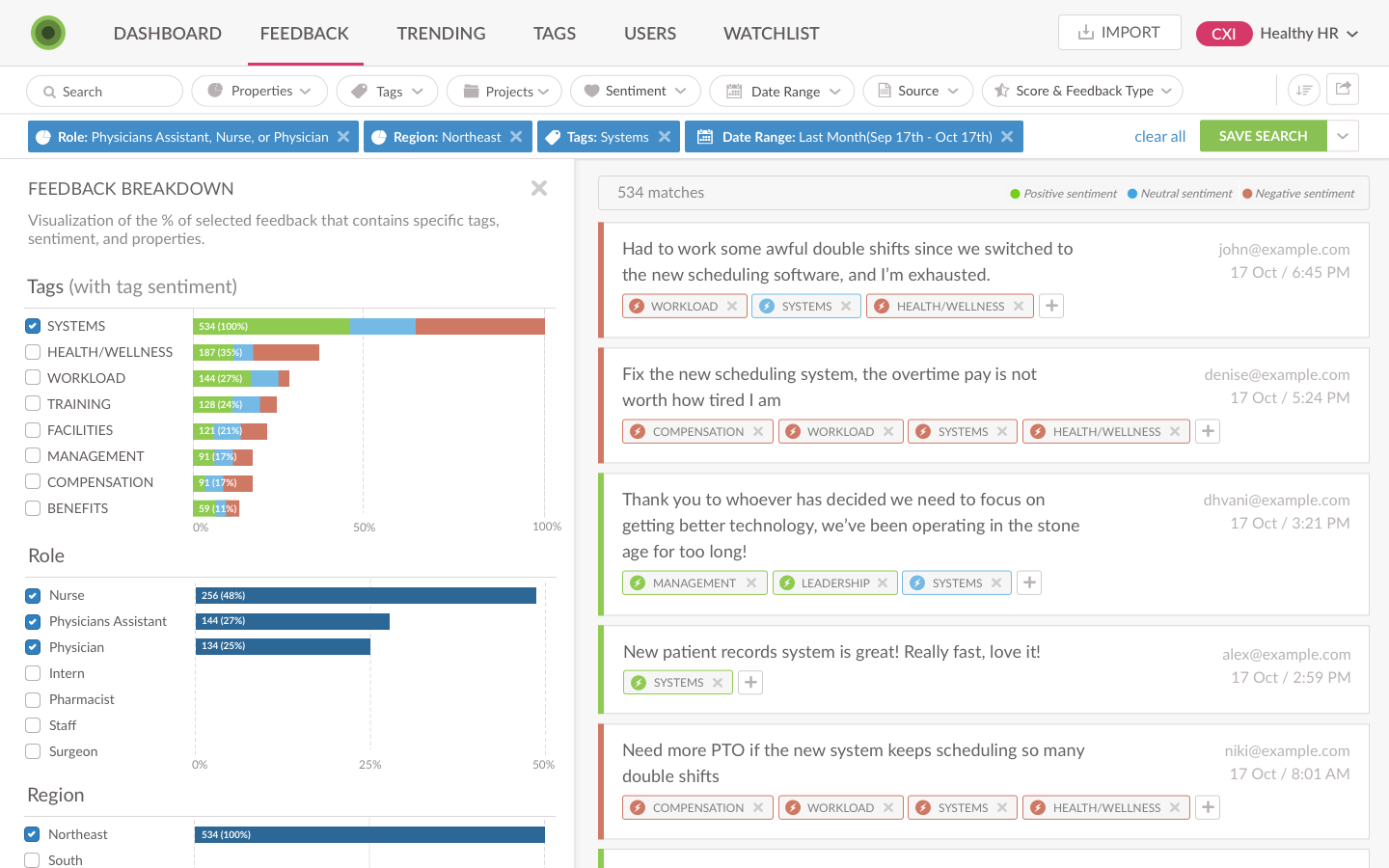
Modern sentiment analysis tools are equipped with a suite of capabilities designed to transform raw text into strategic intelligence. These include:
- Real-time Monitoring: The ability to track conversations and mentions across various digital channels as they happen, crucial for timely intervention.
- Automated Categorization: Classifying text into predefined topics, themes, or emotional categories (e.g., satisfaction, frustration, loyalty).
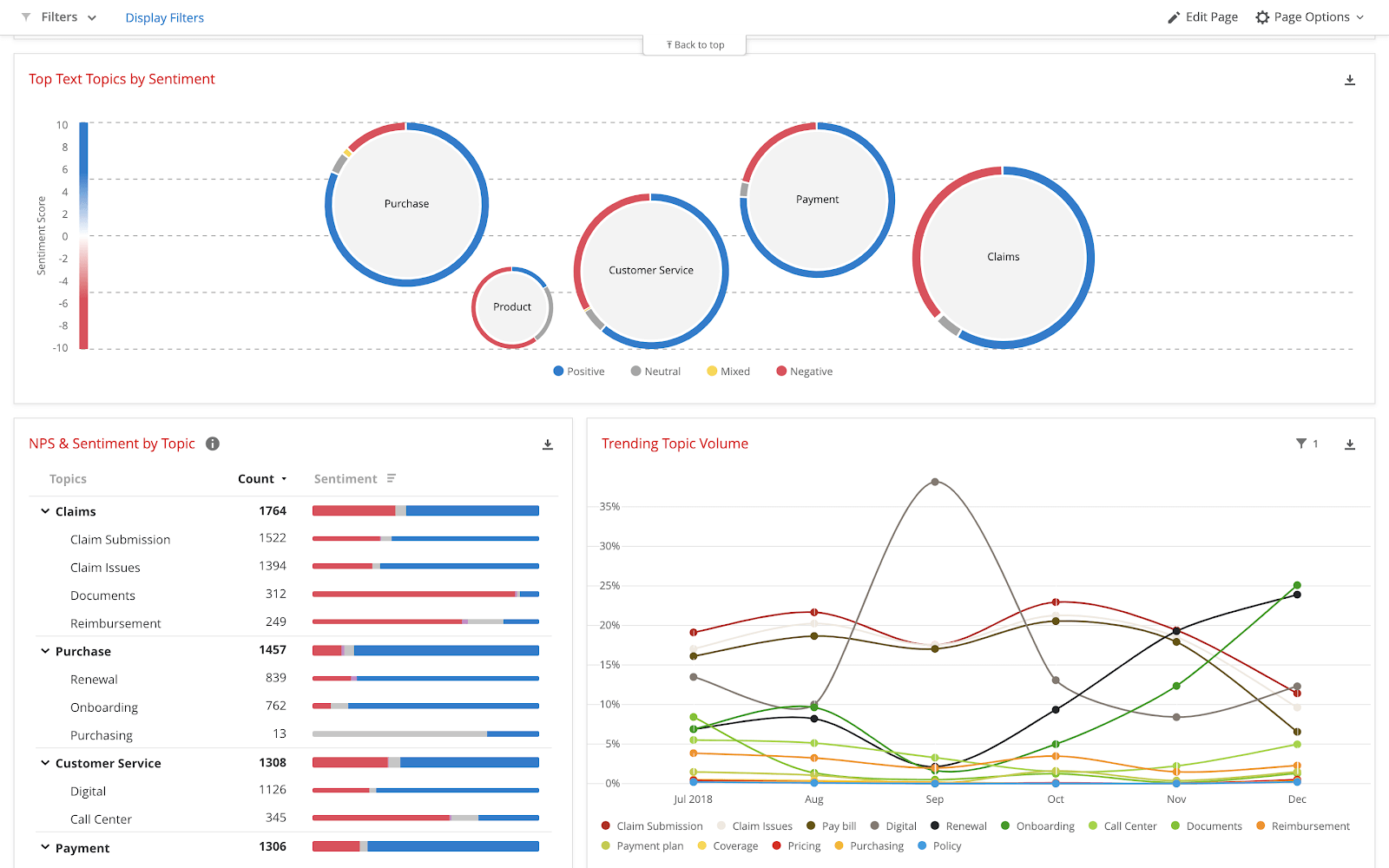
- Sentiment Polarity and Intensity Scoring: Assigning a quantitative score to the sentiment (e.g., -1 for highly negative, 0 for neutral, +1 for highly positive), often with granular scores for intensity.
- Trend Identification: Recognizing patterns and shifts in sentiment over time, allowing businesses to track the impact of specific events or campaigns.
- Aspect-Based Sentiment Analysis: Delving deeper to identify sentiment towards specific features, attributes, or aspects of a product or service (e.g., "The phone’s camera is excellent, but the battery life is disappointing").
- Competitor Analysis: Monitoring and analyzing sentiment around competing brands to benchmark performance and identify market opportunities or vulnerabilities.
- Multi-language Support: Processing and analyzing text in numerous languages, essential for global brands.
- Integration Capabilities: Seamlessly connecting with existing customer relationship management (CRM) systems, marketing automation platforms, and business intelligence dashboards.
By combining these robust capabilities, sentiment analysis software calculates an average sentiment score for a brand, a product, or a campaign, providing a clear snapshot of public perception.
The Imperative of Emotional Intelligence in Modern Business

In an era defined by consumer power and digital transparency, understanding the emotional context behind brand mentions is no longer a luxury but a strategic imperative. The global sentiment analysis market, valued at approximately $2.5 billion in 2022, is projected to grow significantly, underscoring its escalating importance across industries. This growth is driven by several critical factors:
- Gaining the Full Story Behind Brand Mentions: Raw mention counts tell only half the story. Sentiment analysis reveals why people are talking about a brand. It uncovers subtle dissatisfactions or enthusiastic endorsements that might be missed by superficial monitoring. This depth of understanding allows for more accurate responses, refined content strategies, and product improvements truly aligned with audience needs.
- Facilitating Faster, Smarter Decisions: In the fast-paced digital environment, timing is everything. Sentiment analysis tools provide early warning signals for emerging issues or burgeoning opportunities. A sudden dip in sentiment following a product update, or a surge of positive feedback for a new marketing campaign, can prompt rapid, data-driven pivots. This agility helps brands mitigate potential crises before they escalate and capitalize on positive momentum. The Chicago Bulls, for instance, utilize sentiment analysis to understand fan emotions in real-time, enabling their marketing team to engage with relevant and timely contributions, fostering deeper connections.
- Benchmarking Brand Health and Audience Trust: Brand sentiment serves as a dynamic indicator of how customers perceive a business. Tracking its evolution over time provides a narrative of audience trust, revealing shifts influenced by business strategies, market events, or competitive actions. This qualitative data, when quantified, enriches market research, offering emotional context that translates into actionable insights for long-term brand building.
- Prioritizing Customer Experience Improvements: Beyond basic star ratings or isolated complaints, sentiment analysis software offers a holistic view of customer experience. By classifying text into specific topics and emotions, businesses can pinpoint recurring issues across the customer journey, identify ineffective touchpoints, or celebrate standout experiences. This comprehensive understanding enables targeted improvements that enhance overall customer satisfaction and loyalty.
- Competitive Intelligence: Monitoring competitor sentiment allows brands to understand their rivals’ strengths and weaknesses in the eyes of consumers. This insight can inform competitive strategies, identify market gaps, and highlight areas where a brand can differentiate itself.
Strategic Applications Across the Enterprise
Sentiment analysis tools are revolutionizing how businesses interact with and understand their customers, offering a myriad of applications across various departments:
- Marketing and Advertising: Optimizing campaign messaging, identifying influential brand advocates, personalizing ad content, and assessing campaign ROI by measuring emotional resonance.
- Product Development: Gathering user feedback to inform feature prioritization, identifying common pain points, validating new product releases, and tracking market reception of updates.
- Customer Service and Support: Proactively identifying dissatisfied customers, routing urgent emotional queries to appropriate agents, personalizing support interactions, and understanding common service issues to improve training and processes.
- Brand Reputation and Crisis Management: Detecting early signs of a public relations crisis, monitoring the sentiment trajectory of news stories, and enabling rapid response to protect brand image.
- Market Research: Augmenting traditional surveys with real-time, unsolicited feedback, identifying emerging trends and consumer preferences, and understanding demographic-specific sentiments.
- Human Resources: Analyzing employee feedback from internal surveys or reviews to gauge morale, identify areas for improvement in company culture, and understand employee satisfaction.
- Public Relations: Tracking media coverage sentiment, identifying key journalists or publications that portray the brand positively or negatively, and shaping public narratives.
Choosing the Right Tool: Critical Considerations
Selecting the optimal sentiment analysis tool is a strategic decision that profoundly impacts a business’s ability to understand customer feedback and perception. With a diverse array of options available, key factors must guide the selection process:
- Data Sources and Coverage: Does the tool pull information from all relevant channels (social media, review sites, news, internal surveys, email, chat)? Comprehensive coverage is vital for a holistic view.
- Accuracy and Nuance: How well does the tool handle complexities like sarcasm, irony, slang, domain-specific jargon, and double negatives? The quality of its NLP and ML models directly impacts accuracy.
- Scalability: Can the tool handle the volume and velocity of your data, whether it’s thousands or millions of mentions daily?
- Integration Capabilities: Does it seamlessly integrate with your existing technology stack, such as CRM, marketing automation, or business intelligence platforms, to centralize data and workflows?
- Customization and Training: Can the models be customized or trained with your specific brand lexicon, industry terms, or unique sentiment definitions to improve accuracy?
- Reporting and Visualization: Are the dashboards intuitive, and do they provide clear, actionable insights through customizable reports, charts, and graphs?
- Cost-Effectiveness: Does the pricing model align with your budget and anticipated usage, offering a strong return on investment?
- Language Support: For international businesses, multi-language processing is crucial.
Leading Platforms for Sentiment Analysis
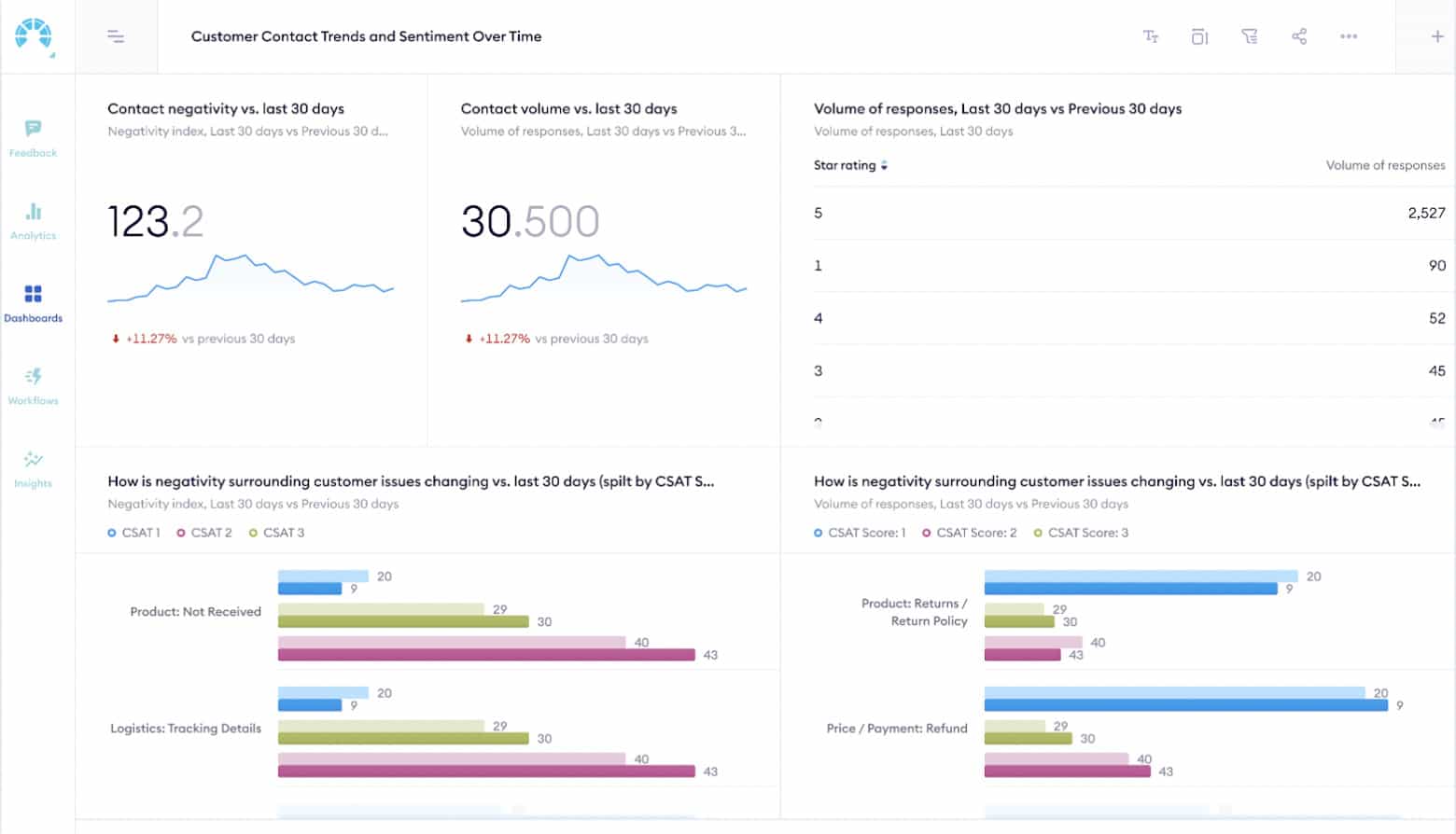
The market for sentiment analysis tools is robust, offering solutions tailored to various business needs and scales. These can generally be categorized into full-stack platforms, social media-focused tools, news sentiment analyzers, and developer-centric APIs.
I. Comprehensive Full-Stack Solutions
These platforms are designed to pull information from multiple sources, leveraging advanced machine learning models to surface deep audience intent, track historical shifts, and ensure high data integrity across thousands of conversations. They often run on proprietary AI technology, making them powerful, flexible, and scalable for diverse businesses.
- Sprout Social: An all-in-one social media management solution, Sprout Social excels with its AI-powered social listening and granular sentiment analysis. It monitors sentiment across various platforms, uncovering how audiences truly feel about brands, content, campaigns, or competitors, regardless of language, tone, or emoji usage. Its capabilities include identifying trends, tracking competitor sentiment, and automating analysis to inform marketing strategies.
- InMoment: A customer experience (CX) platform, InMoment uses AI to analyze text from numerous sources, including surveys, social media, and voice interactions. It aggregates feedback into a unified source, eliminating data silos and revealing the intent and emotion behind every customer interaction.
- Medallia: Medallia’s experience management platform features powerful listening capabilities that can pinpoint sentiment in text, speech, and even video. It collects and analyzes real-time feedback from social media, surveys, reviews, SMS, emails, and voice conversations, providing a comprehensive view of customer sentiment.
- Qualtrics (Clarabridge): As an experience management leader, Qualtrics offers Text iQ, a sentiment analysis tool utilizing advanced NLP to analyze unstructured data from diverse sources. It automatically categorizes feedback into themes, quantifies emotions with sentiment scores, and supports multiple languages.
- Chattermill: This unified customer intelligence platform employs AI to analyze feedback from surveys, reviews, and support conversations. It merges cross-channel data to provide a centralized view of brand sentiment, automatically detecting emotional tone and classifying responses by theme to reveal drivers of satisfaction or frustration.
II. Social Media Focused Platforms
These tools are specifically built to evaluate metrics, posts, and incoming audience commentary directly from social platforms.

- Brandwatch: Offering a suite of tools for social media research and management, Brandwatch’s listening tool analyzes sentiment alongside tracking brand mentions and conversations across various social media platforms. It classifies sentiment as positive, negative, or neutral and tracks changes over time.
- Buffer: Known for its user-friendly social media management tools, Buffer includes a feature for tagging sentiment in posts as "negative," "question," or "product mentions." This helps brands sort conversations, plan, and prioritize responses.
- Agorapulse: This social media management software specializes in publishing and inbox organization. It offers basic, keyword-based sentiment tagging, allowing users to manually assign labels or use an Inbox Assistant to automatically categorize messages containing specific terms like "happy" or "awful."
III. News Sentiment Analysis Tools
These platforms specialize in monitoring and analyzing sentiment within news content, leveraging News APIs to mine data and provide insights into how the media portrays a brand or topic.
- Brand24: A real-time media monitoring tool, Brand24 scans the web, from major news outlets to niche blogs, delivering automated sentiment data. Its Volume Chart overlays mention spikes with sentiment shifts, revealing the emotional impact of news breakouts for PR and communications teams.
- Meltwater: Meltwater’s AI-powered tools monitor trends and public opinion, breaking down the tone of news content into positive, negative, or neutral using deep-learning technology. It supports over 100 languages, making it versatile for global news sentiment tracking.
IV. Text Sentiment Analysis Tools (Developer-Centric APIs)
These tools run on proprietary AI technology but typically don’t have built-in data sources tapped via direct APIs with social media or news platforms. They are often used by developers to integrate sentiment analysis into custom applications.
- Google NLP API: A robust text analysis tool designed to extract insights and opinions from various documents, including emails, chats, and social media, through entity and sentiment analysis. It supports multimedia content integration and analyzes sentiment across multiple languages via its Translation API.
- Amazon Comprehend: Amazon’s text analysis tool processes documents, emails, social media, and customer support tickets to uncover insights. It identifies key elements such as phrases, sentiment, and topics, and allows businesses to train custom models. It also maintains data privacy by identifying and redacting Personally Identifiable Information (PII).
Sentiment Analysis Tools in Action: The Atlanta Hawks Case Study
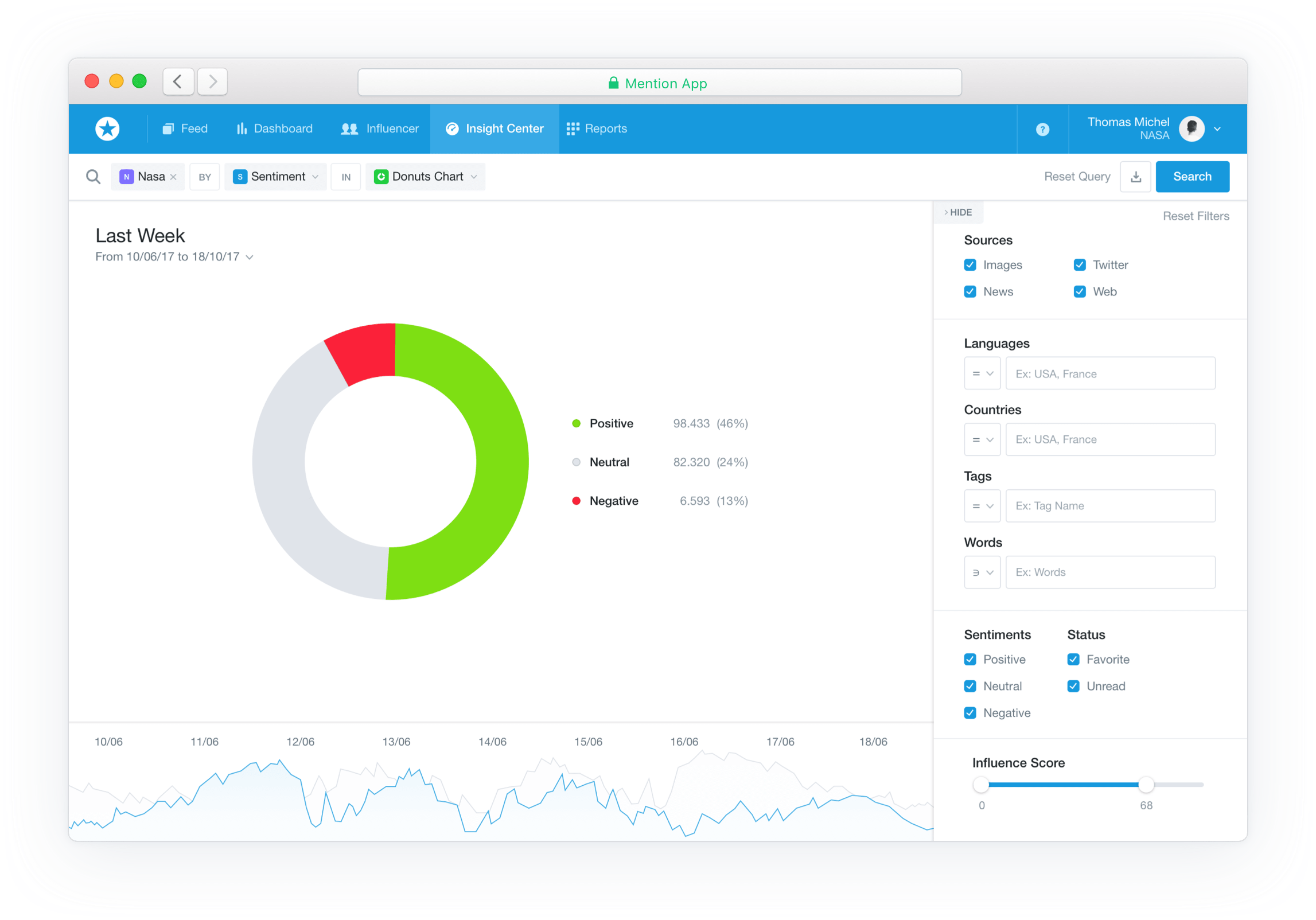
The Atlanta Hawks, a prominent NBA franchise, faced the challenge of moving beyond basic engagement metrics to truly understand the emotional pulse of their predominantly young social media fanbase. Their objective was to optimize content strategies and fulfill commitments to corporate partners by grasping the nuanced emotional reactions and preferences of their audience concerning various content types and major marketing campaigns.
To address this, the Hawks integrated Sprout Social, making extensive use of its Social Listening tool. This enabled them to monitor real-time conversations around their brand, specific content pillars, and significant initiatives like jersey launches. Sprout Social’s sentiment analysis capabilities provided a "Sentiment Summary" and "Topic Insights Word Cloud." These features allowed the Hawks to gauge the emotional tone—positive, negative, or neutral—of fan discussions. For instance, they could identify that a new jersey launch garnered 99% positive sentiment. This deep dive into sentiment, coupled with content tagging and A/B testing, proved instrumental in identifying precisely what resonated most with their audience.
By leveraging these sentiment insights, the Hawks achieved a profound understanding of fan reactions. This intelligence directly contributed to a remarkable 127.1% increase in video views and a 170.1% Facebook audience growth. Furthermore, the ability to present clear, data-backed sentiment reports, demonstrating tangible fan enthusiasm and engagement, significantly strengthened trust with over 35 corporate partners. This, in turn, allowed for more flexible and impactful content strategies, proving that emotional intelligence, powered by AI, can drive substantial business growth even in the dynamic world of professional sports.

Challenges and the Future Landscape of Sentiment Analysis
Despite significant advancements, sentiment analysis tools still face inherent challenges. These include the difficulty in accurately interpreting sarcasm, irony, evolving slang, and context-dependent language. Cultural nuances also pose a hurdle, as expressions of emotion can vary significantly across different linguistic and cultural backgrounds. The rise of multimodal communication, incorporating images, videos, and audio alongside text, presents a new frontier for sentiment analysis, requiring tools to interpret emotional cues from multiple data types simultaneously.
The future of sentiment analysis is promising, driven by ongoing research in deep learning and AI. We can anticipate even more sophisticated models capable of understanding complex human emotions, detecting subtle shifts in tone, and offering predictive insights into consumer behavior. Ethical considerations surrounding AI and data privacy will also become increasingly important, demanding transparency and responsible use of these powerful tools.

Conclusion
In the modern business landscape, where customer interactions are increasingly digital, sentiment analysis has transitioned from a novel technology to an indispensable strategic asset. By enabling businesses to accurately decode the emotions embedded in online conversations, these AI-powered tools provide a critical lens into public perception, customer satisfaction, and brand health. From optimizing marketing campaigns and refining product development to enhancing customer service and managing brand reputation, sentiment analysis empowers organizations to make data-driven decisions backed by genuine emotional intelligence. Embracing these advanced capabilities allows businesses to move from merely reacting to market dynamics to proactively shaping their narratives and building stronger, more authentic connections with their audience, ultimately driving sustainable growth in an ever-evolving digital world.