Wesley Ebelhar Crafts Evocative Title Sequence for Hulu’s "4×20: Quick Hits," Elevating Cannabis Culture Narrative


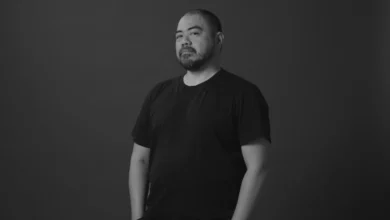
The streaming landscape, increasingly diverse and specialized, has found a compelling new entry in Hulu’s "4×20: Quick Hits," an anthology docu-series delving into the multifaceted world of cannabis culture. Central to establishing the series’ unique aesthetic and tone is the opening title sequence, meticulously crafted by acclaimed designer and animator Wesley Ebelhar. Commissioned by Kimmelot, the production company spearheaded by Jimmy Kimmel, the sequence faced the intricate challenge of encapsulating a broad spectrum of narratives within a singular, cohesive visual identity, a task Ebelhar expertly navigated through the innovative use of 2D animated collages.
The Genesis of "4×20: Quick Hits" and Its Cultural Context
"4×20: Quick Hits" emerges at a pivotal moment in the global discourse surrounding cannabis. Once shrouded in taboo and illegality, cannabis has progressively transitioned into mainstream acceptance, driven by evolving legislation, scientific research into its medicinal properties, and a growing understanding of its cultural and economic impact. This shift has created a demand for nuanced, factual, and engaging content that moves beyond simplistic portrayals or sensationalism. Hulu, a platform known for its diverse original programming, is strategically positioning "4×20: Quick Hits" to meet this demand, offering viewers an insightful exploration into various facets of "weed culture"—a term that itself encompasses a rich tapestry of history, personal stories, economic landscapes, and social movements.
An anthology format is particularly well-suited for such a complex subject. Each of the four episodes reportedly delves into a "completely different story," suggesting a breadth of topics that could range from the history of cannabis prohibition and activism, the burgeoning legal cannabis industry, the plant’s role in creative expression, or personal journeys of individuals whose lives have been shaped by cannabis. This episodic independence, while offering narrative flexibility, presents a significant hurdle for a unifying visual element like an opening title sequence. The sequence must be versatile enough to precede a lighthearted exploration of cannabis edibles in one episode and a more serious examination of social justice issues related to past drug convictions in another, all while maintaining an authentic and engaging aesthetic.

Wesley Ebelhar’s Creative Mandate and Vision
When Kimmelot extended the invitation to Wesley Ebelhar, the brief was clear yet inherently complex: create "one vibe-y sequence that could sit comfortably in front of wildly different tones." Ebelhar, a seasoned professional in motion graphics and design, expressed his immediate enthusiasm for the project, recognizing both the creative opportunity and the unique challenge it presented. The requirement for a single, adaptable sequence underscored the need for a visual language that was abstract enough to avoid specificity yet rich enough to evoke the diverse themes of the series.
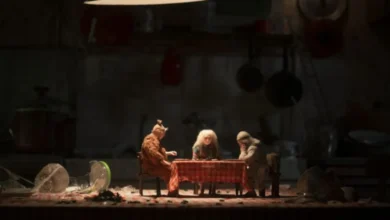
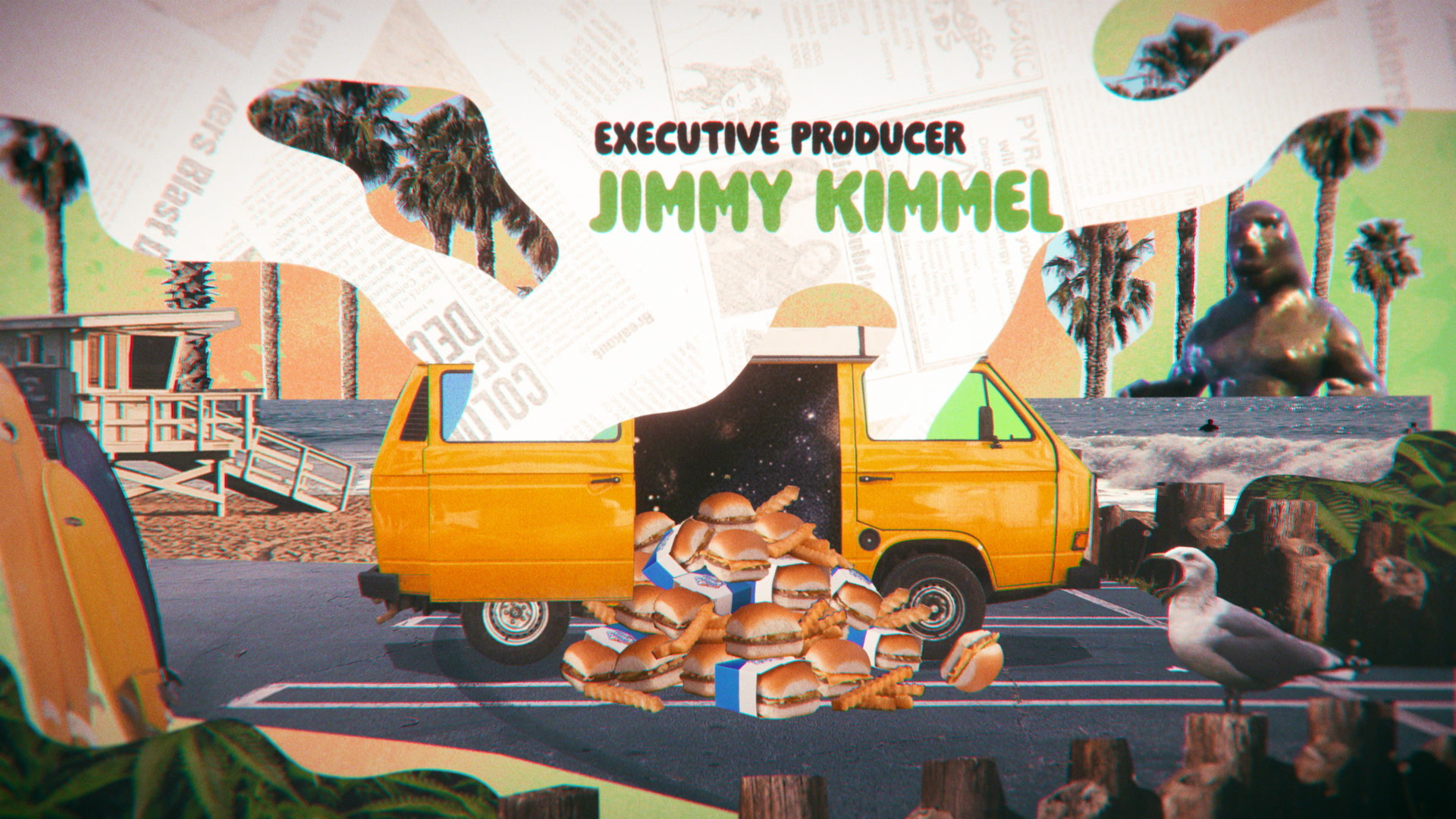
Ebelhar’s solution was to leverage 2D animated collages. This artistic choice was not merely stylistic; it was deeply conceptual. Collage, by its very nature, involves the assembly of disparate elements to form a new whole, mirroring the anthology format of the series itself. It allows for a layered composition that can be both literal and symbolic, creating a dreamlike or "trippy" aesthetic often associated with cannabis culture, while simultaneously embedding deeper meaning. The fragmented yet cohesive nature of collage visually represents the multifaceted aspects of cannabis culture—historical documents juxtaposed with contemporary imagery, natural elements intertwined with urban landscapes, and abstract forms blending with recognizable symbols.
The power of 2D animated collages, as employed by Ebelhar, lies in their capacity for dynamic storytelling without explicit narrative. The movement and transformation of elements within the collage can suggest themes, emotions, and transitions, preparing the viewer for the specific content of each episode without revealing details. This approach allows for "trippy, layered compositions" that capture the experiential aspect often associated with cannabis, while also providing a canvas to "pepper in easter eggs that tied to each episode." These subtle visual cues, discernible upon repeated viewing, serve as clever nods to the distinct narratives, fostering a deeper connection with the audience and enriching the overall viewing experience. For instance, an episode focusing on cultivation might feature a fleeting image of a specific strain, while one about legal advocacy could subtly incorporate historical newspaper clippings or legislative documents.
The Art of the Title Sequence in Modern Television
The modern television landscape has elevated the opening title sequence from a mere formality to a crucial storytelling and branding tool. Historically, title sequences served a functional purpose: listing cast and crew. Over time, they evolved, particularly in the mid-to-late 20th century, to become mood-setters and genre signifiers. Today, a well-executed title sequence is an integral part of a show’s identity, often becoming as memorable as the show itself. Think of the intricate world-building of "Game of Thrones," the psychological tension of "True Detective," or the nostalgic warmth of "The Marvelous Mrs. Maisel." These sequences don’t just introduce; they immerse, foreshadow, and establish a distinct emotional and aesthetic contract with the viewer.
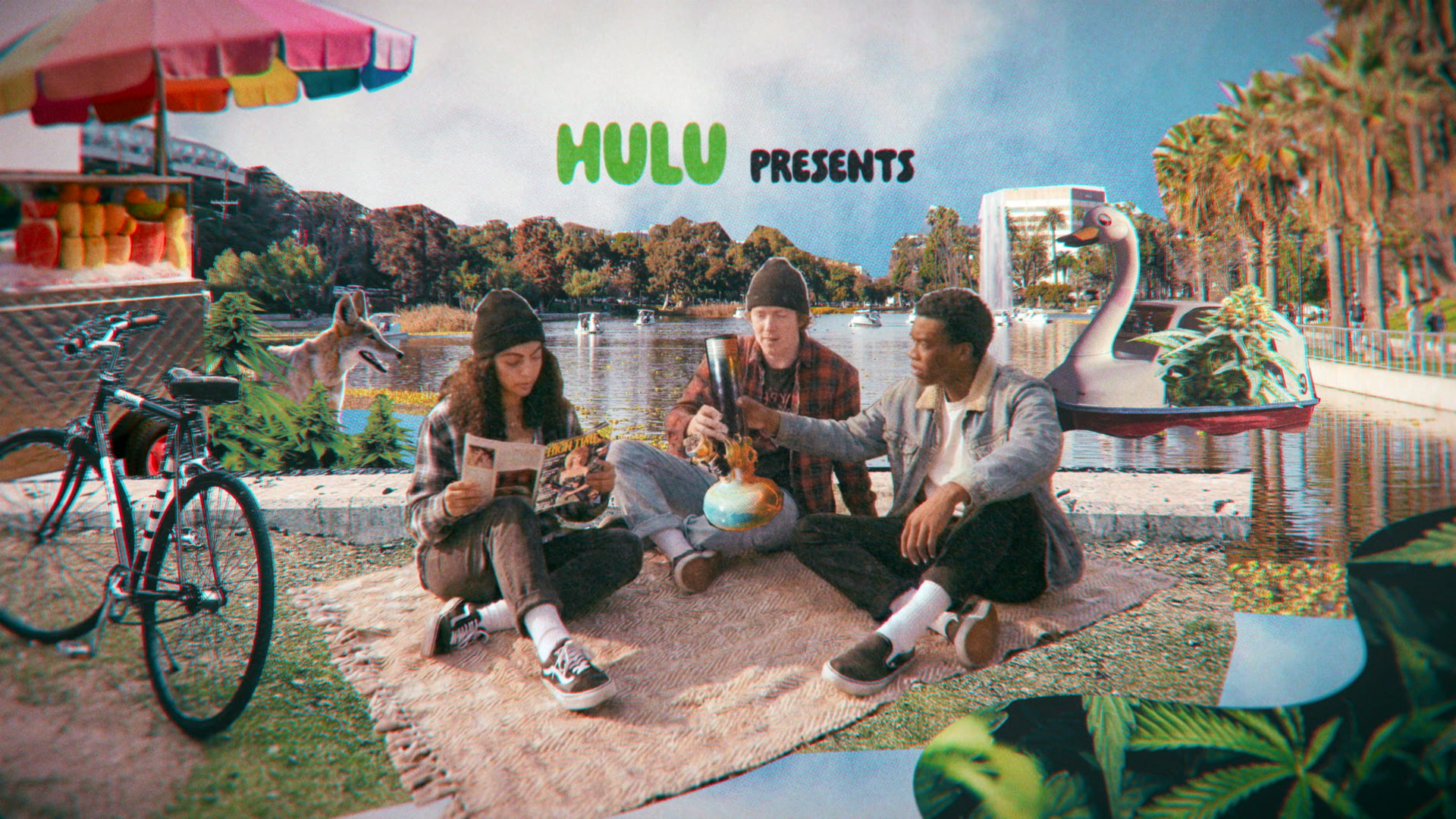
For a documentary series like "4×20: Quick Hits," the role of the title sequence is particularly sensitive. Unlike fictional narratives where abstract visuals can build intrigue, a documentary’s titles must balance artistic expression with a commitment to the subject matter’s authenticity. Ebelhar’s choice of animated collage for a docu-series about weed culture is astute. It avoids the literalism that might come with archival footage (which could prematurely reveal episode specifics) or overly didactic imagery, opting instead for an evocative, symbolic approach. This allows the sequence to set a mood that is reflective, exploratory, and even celebratory, without pre-judging the diverse tones of the individual "quick hits." It invites curiosity and prepares the audience for a journey through a complex cultural landscape.
The technical execution of such a sequence is equally demanding. While the article highlights Ebelhar’s role in direction, design, and animation, the process typically involves several stages: initial concepting and mood boarding, visual research to gather source material for the collages, digital asset creation (often using software like Adobe Photoshop and Illustrator), animation in programs like Adobe After Effects, and meticulous compositing and editing. The collaboration with Mike Russo on design further underscores the iterative and multi-faceted nature of creating high-caliber motion graphics. The objective is not just to make beautiful images, but to imbue them with meaning and synchronize them with a carefully chosen soundtrack, creating a holistic sensory experience.
Kimmelot’s Strategic Programming and Executive Oversight
Kimmelot, known primarily for its association with late-night host Jimmy Kimmel and productions like "Jimmy Kimmel Live!," demonstrates a strategic diversification of its portfolio with "4×20: Quick Hits." Executive Producers Jimmy Kimmel, Scott Lonker, and Adam Goldberg bring significant industry acumen to the project. Their decision to greenlight a series exploring cannabis culture on a platform like Hulu reflects a keen awareness of current social trends, audience demographics, and the evolving media landscape. It suggests a willingness to venture into topics that are culturally resonant and potentially thought-provoking, extending beyond their traditional comedic or talk show formats.
The involvement of a creative director like Alana Lyons and a post-production supervisor like Bobby Johnson is crucial in shepherding such a project from concept to completion. Lyons would have been instrumental in articulating the initial vision to Ebelhar, ensuring that the creative brief was clear and that the artistic direction aligned with Kimmelot’s overall goals for the series. Johnson’s role would involve overseeing the technical aspects of production, ensuring seamless integration of the title sequence with the final episodes, managing timelines, and maintaining quality control. This collaborative framework is essential for transforming an artistic vision into a polished, broadcast-ready product.
Broader Implications: Normalizing and Nuancing Cannabis Narratives
The launch of "4×20: Quick Hits" with its distinctive title sequence by Wesley Ebelhar carries broader implications for how cannabis culture is represented in mainstream media. For decades, depictions of cannabis were often limited to stereotypes, caricatures, or cautionary tales. However, as more regions legalize or decriminalize cannabis, and as scientific understanding deepens, there’s an increasing societal demand for sophisticated, realistic, and respectful portrayals.
Series like "4×20: Quick Hits" contribute significantly to this normalization. By presenting diverse stories—from the personal to the political, the historical to the contemporary—it helps to dismantle outdated stigmas and foster a more informed public dialogue. The title sequence, as the viewer’s initial gateway into this world, plays a critical role in setting an open, exploratory, and non-judgmental tone. Its artistic, collage-based approach signals that the series is not just about the plant itself, but about the culture, the people, and the complex societal interactions surrounding it.
Furthermore, the emphasis on "easter eggs" within the title sequence points to a sophisticated understanding of audience engagement. In an era of binge-watching and active fan communities, subtle details that reward repeated viewing or discussion on social media can significantly enhance a show’s impact and longevity. Ebelhar’s work, therefore, is not just a visual introduction; it’s an invitation to a deeper engagement with the content and themes of "4×20: Quick Hits."
Conclusion
Wesley Ebelhar’s creation for "4×20: Quick Hits" stands as a testament to the power of thoughtful design in modern television. By successfully navigating the complex brief of crafting a single, versatile opening sequence for an anthology docu-series with vastly different tones, Ebelhar has delivered a visual identity that is both aesthetically compelling and conceptually profound. The choice of 2D animated collages offers a dynamic, layered, and symbolic entry point into the diverse narratives of cannabis culture, enriching the viewer’s experience and setting an appropriate tone for a series that aims to explore this evolving subject with nuance and depth. As "4×20: Quick Hits" becomes available on Hulu, the title sequence serves not only as a functional introduction but as an artistic statement, inviting audiences to reconsider and engage with the multifaceted world of cannabis.